0%

Table of Contents

Understanding expanded wire mesh price is crucial in numerous sectors, from construction and automotive to filtration and security. The price of this versatile material isn’t simply a cost factor; it dictates project feasibility, material selection, and overall budget allocation. Globally, demand for expanded wire mesh is steadily increasing, driven by infrastructure development in emerging economies and a growing need for lightweight, strong, and cost-effective materials. Accurate pricing knowledge empowers businesses to make informed decisions and maintain competitive advantage.

Fluctuations in raw material costs, such as stainless steel or aluminum, significantly impact the expanded wire mesh price. Supply chain disruptions, geopolitical events, and even energy costs play a role. Manufacturers and suppliers must navigate these complexities to offer stable and competitive pricing. The efficient determination of expanded wire mesh price enables project managers to properly budget and optimize resource allocation, contributing to the timely and cost-effective completion of construction projects and other applications.

Ultimately, the expanded wire mesh price reflects a balance between material costs, manufacturing processes, and market demand. A comprehensive understanding of these factors is essential for anyone involved in sourcing, specifying, or utilizing this essential industrial material. The ability to accurately predict and manage expanded wire mesh price variations is becoming increasingly vital in today’s volatile economic landscape.
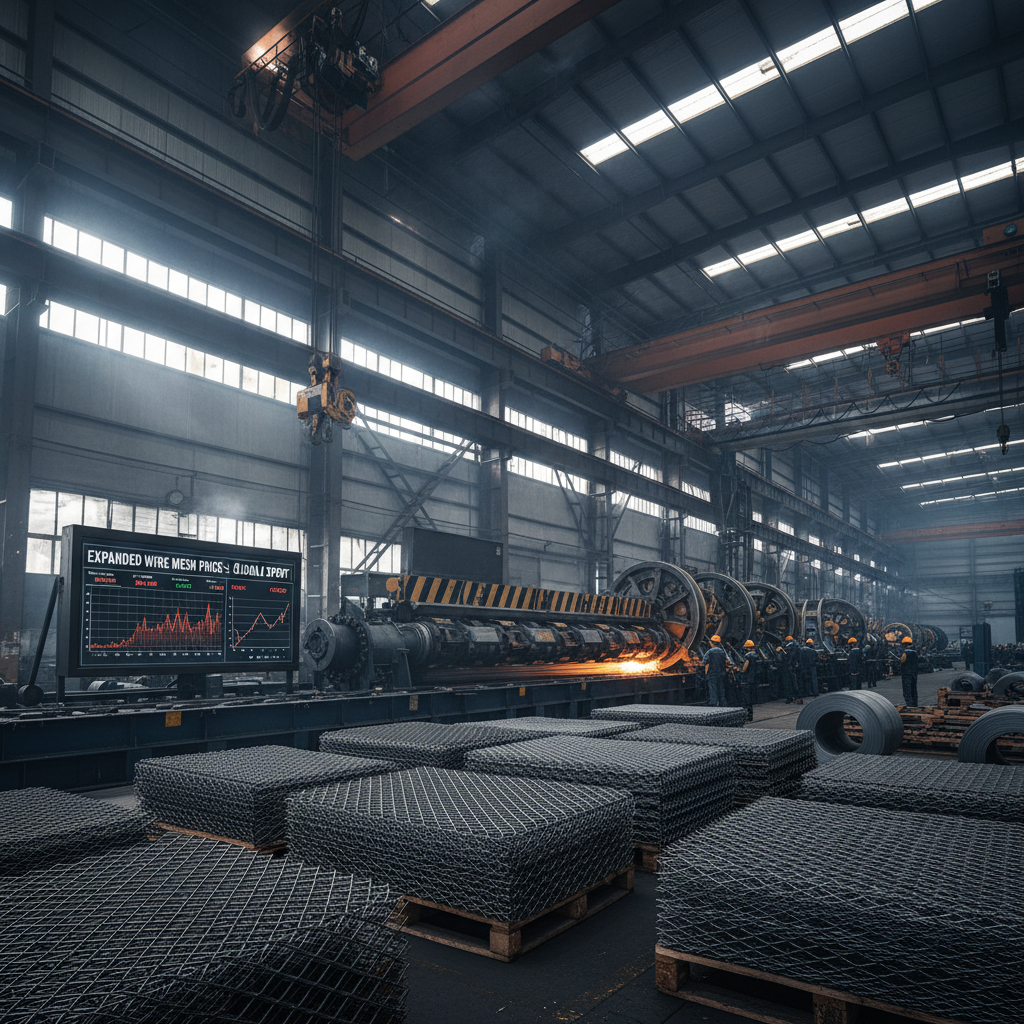
Understanding Expanded Wire Mesh Price Trends and Influencing Factors

The Global Relevance of expanded wire mesh price

Understanding Expanded Wire Mesh Price Trends and Influencing Factors

The global expanded wire mesh market is experiencing steady growth, estimated at USD 4.5 billion in 2023 and projected to reach USD 6.2 billion by 2030 (Source: Global Market Insights). This growth is fuelled by increasing infrastructure development, particularly in Asia-Pacific, alongside rising demand in sectors like construction, automotive, and filtration. Understanding the expanded wire mesh price is therefore vital for international trade, project budgeting, and competitive pricing.

International standards (ISO 9001 for quality management, ASTM standards for material properties) heavily influence the manufacturing process and, consequently, the expanded wire mesh price. Compliance with these standards can add to the cost but ensures product reliability and market access. The expanding focus on sustainable manufacturing practices is also prompting research into eco-friendly materials and processes, potentially impacting the overall expanded wire mesh price structure.

Defining expanded wire mesh price

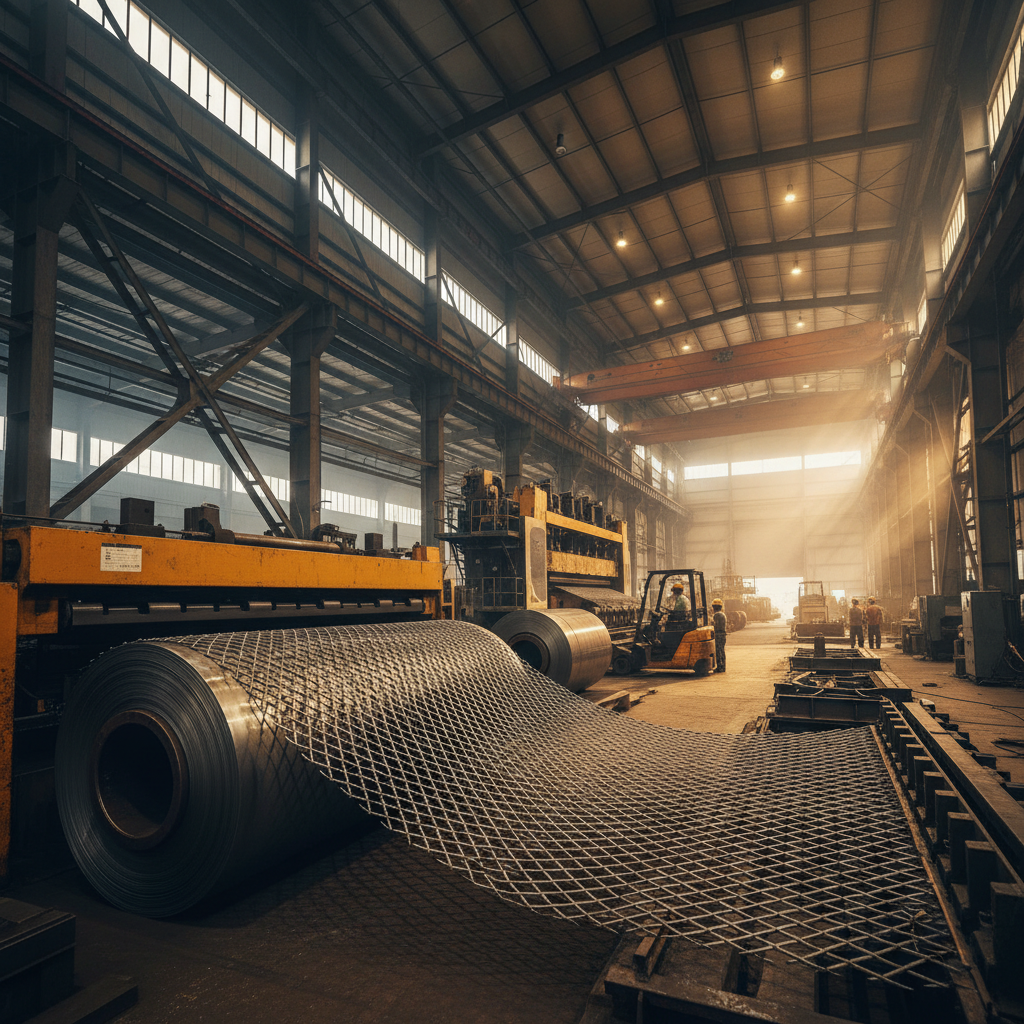
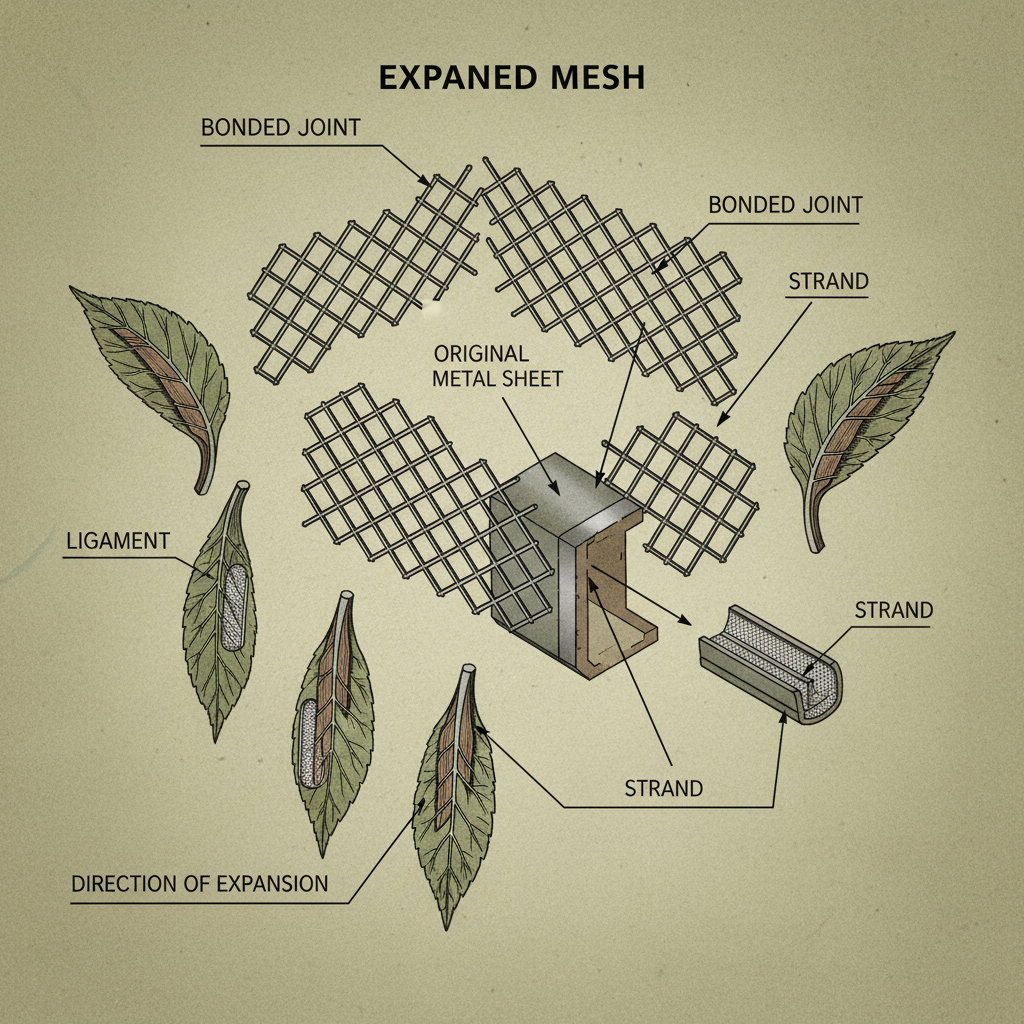
Expanded wire mesh price refers to the cost associated with purchasing expanded metal sheeting, a one-piece metal sheet that has been slit and stretched to form a diamond or hexagonal pattern. This price isn't static; it's determined by several factors, including the material (stainless steel, aluminum, carbon steel), mesh size (the size of the openings), sheet thickness, and quantity ordered. The price is typically quoted per square foot or square meter.

Expanded wire mesh plays a crucial role in modern industry, providing robust yet lightweight solutions for diverse applications. From reinforcing structures and providing safety barriers to filtering materials and enhancing traction, it meets critical needs in numerous sectors. In humanitarian contexts, expanded metal sheets can be rapidly deployed for temporary shelters or as reinforcement in disaster relief efforts.

Therefore, ‘expanded wire mesh price’ isn’t just about the monetary value; it's an indicator of accessibility to these critical applications and a measure of the overall cost-effectiveness of projects reliant on this material. Understanding its components allows for better strategic procurement.

Core Factors Influencing expanded wire mesh price

Several core factors drive fluctuations in expanded wire mesh price. The primary component is the cost of the raw material. Stainless steel, particularly 304 and 316 grades, command a higher price than carbon steel or aluminum, directly impacting the finished product’s cost. Supply chain dynamics and global steel prices are major influencers.

Manufacturing processes also significantly contribute. The complexity of the expansion process, including the required tooling and energy consumption, affects the final price. Custom orders with specific mesh sizes or material thicknesses typically incur higher costs due to the need for specialized setups. Labor costs in the manufacturing region also contribute to the overall price.

Finally, order volume plays a vital role. Larger orders generally benefit from economies of scale, leading to lower per-unit prices. Transportation costs, tariffs, and distributor margins all contribute to the final expanded wire mesh price seen by the end-user. Geographical location also influences shipping prices and potential import duties.

Applications and Industries Impacted by expanded wire mesh price

The expanded wire mesh price directly affects various industries. The construction sector uses it extensively for flooring, stair treads, walkways, and façade cladding. The price impacts project budgets and material choices, influencing the overall cost of building construction and renovation.

The automotive industry utilizes expanded metal for speaker grills, radiator cores, and safety components. Fluctuations in expanded wire mesh price can influence vehicle production costs and, potentially, retail prices. The filtration industry relies on it for creating effective filter media, impacting the cost of air and liquid filtration systems.

Industry Sensitivity to expanded wire mesh price


Advantages of Understanding expanded wire mesh price

A clear understanding of the factors influencing expanded wire mesh price provides significant advantages. Accurate pricing knowledge enables businesses to negotiate effectively with suppliers, optimize procurement strategies, and minimize costs. It contributes to more precise project budgeting and prevents unexpected overruns.

Predicting price fluctuations allows for proactive inventory management, reducing the risk of purchasing materials at inflated prices. This enhances overall financial planning and contributes to improved profitability. Understanding the long-term implications of material selection ensures the sustainability and cost-effectiveness of projects over their lifespan.

Future Trends in expanded wire mesh price

The expanded wire mesh price landscape is expected to evolve with several emerging trends. Increased adoption of sustainable manufacturing practices, utilizing recycled materials, will likely influence prices. Innovations in metal alloys and coatings could create new, higher-performance options with associated price premiums.

Digitalization and automation in manufacturing processes are expected to drive down production costs, potentially leading to more competitive expanded wire mesh price. Growing demand for lightweight materials in the automotive and aerospace industries will likely increase the overall demand and, potentially, the price of aluminum-based expanded metal.

Challenges and Mitigation Strategies in expanded wire mesh price

One of the main challenges is the volatility of raw material prices, particularly stainless steel. Mitigation strategies include establishing long-term contracts with suppliers, diversifying sourcing options, and utilizing price hedging techniques. Supply chain disruptions, exacerbated by geopolitical events, pose another challenge. Building resilient supply chains and maintaining buffer stocks are crucial.

Currency fluctuations can also impact the expanded wire mesh price, especially for international transactions. Employing financial instruments to manage currency risk can minimize potential losses. Maintaining transparent communication with suppliers and customers regarding pricing factors is essential for building trust and fostering long-term relationships.

Analysis of Expanded Wire Mesh Price Mitigation Strategies

Mitigation Strategy Implementation Cost (1-10) Effectiveness (1-10) Long-Term Sustainability (1-10)
Long-Term Contracts with Suppliers 5 7 8
Diversified Sourcing 6 8 7
Price Hedging 7 6 6
Buffer Stock Management 4 5 5
Currency Risk Management 6 7 7
Transparent Communication 2 9 9

FAQS

What factors most significantly influence the expanded wire mesh price?

The primary drivers of expanded wire mesh price are the raw material cost (typically stainless steel or aluminum), the material thickness, mesh size, and the quantity ordered. Manufacturing complexity and transportation costs also contribute. Global steel prices and supply chain disruptions play a significant role in determining the final expanded wire mesh price.

How can I minimize costs when purchasing expanded wire mesh?

Strategies for cost reduction include ordering in bulk to leverage economies of scale, securing long-term contracts with suppliers, diversifying sourcing options to increase competition, and negotiating favorable payment terms. Consider using alternative materials if appropriate for your application and carefully evaluating the required material thickness and mesh size.

What is the difference in price between stainless steel and aluminum expanded wire mesh?

Stainless steel expanded wire mesh is typically more expensive than aluminum due to the higher cost of the raw material and its superior corrosion resistance. Aluminum offers a lighter weight and lower cost, making it suitable for applications where corrosion isn't a major concern. The price difference can vary significantly based on the specific grade of stainless steel or aluminum used.

How do custom orders affect the expanded wire mesh price?

Custom orders, involving specific mesh sizes, material thicknesses, or unique patterns, generally increase the expanded wire mesh price. This is because they require specialized tooling setups and may involve lower production volumes, eliminating economies of scale. A detailed quote is essential for custom orders to accurately reflect the additional costs involved.

Are there any hidden costs associated with purchasing expanded wire mesh?

Potential hidden costs can include shipping and handling fees, import duties (for international orders), cutting and fabrication charges, and potential waste from material offcuts. It's crucial to request a comprehensive quote that outlines all applicable costs upfront to avoid surprises. Ensure you understand the supplier’s cutting and shipping policies.

How can I stay updated on expanded wire mesh price trends?

Monitoring industry publications, subscribing to supplier newsletters, and tracking raw material price indices (particularly stainless steel and aluminum) can help you stay informed about expanded wire mesh price trends. Regularly requesting quotes from multiple suppliers allows you to benchmark pricing and identify potential cost savings. Consulting with industry experts is also beneficial.

Conclusion

Understanding the intricacies of expanded wire mesh price is paramount for success across a diverse range of industries. From raw material costs and manufacturing processes to supply chain dynamics and market demand, numerous factors influence its value. By proactively managing these variables, businesses can optimize procurement strategies, control project budgets, and maintain a competitive edge.

Looking ahead, the expanded wire mesh market will likely be shaped by sustainability initiatives, technological advancements, and global economic conditions. Staying informed about these trends and adopting proactive mitigation strategies will be crucial for navigating future challenges and capitalizing on emerging opportunities. For accurate pricing information and a reliable supply of high-quality expanded wire mesh, visit our website: https://www.ztwiremesh.com.

David Chen

David Chen

David Chen is a Senior Application Engineer at Zhongtai, dedicated to providing technical support and expertise to our US-based clients. David focuses on ensuring our products – including bar grating and wire mesh fences – meet stringent safety and performance standards across diverse applications like highway construction, airport infrastructure, and
Previous Exploring the Versatility of Wire Mesh Expanded Metal for Global Applications
Next Understanding the Price of Expanded Metal and its Key Influencing Factors

Subscribe now!

Stay up to date with the latest on Fry Steeland industry news.
SIGN UP