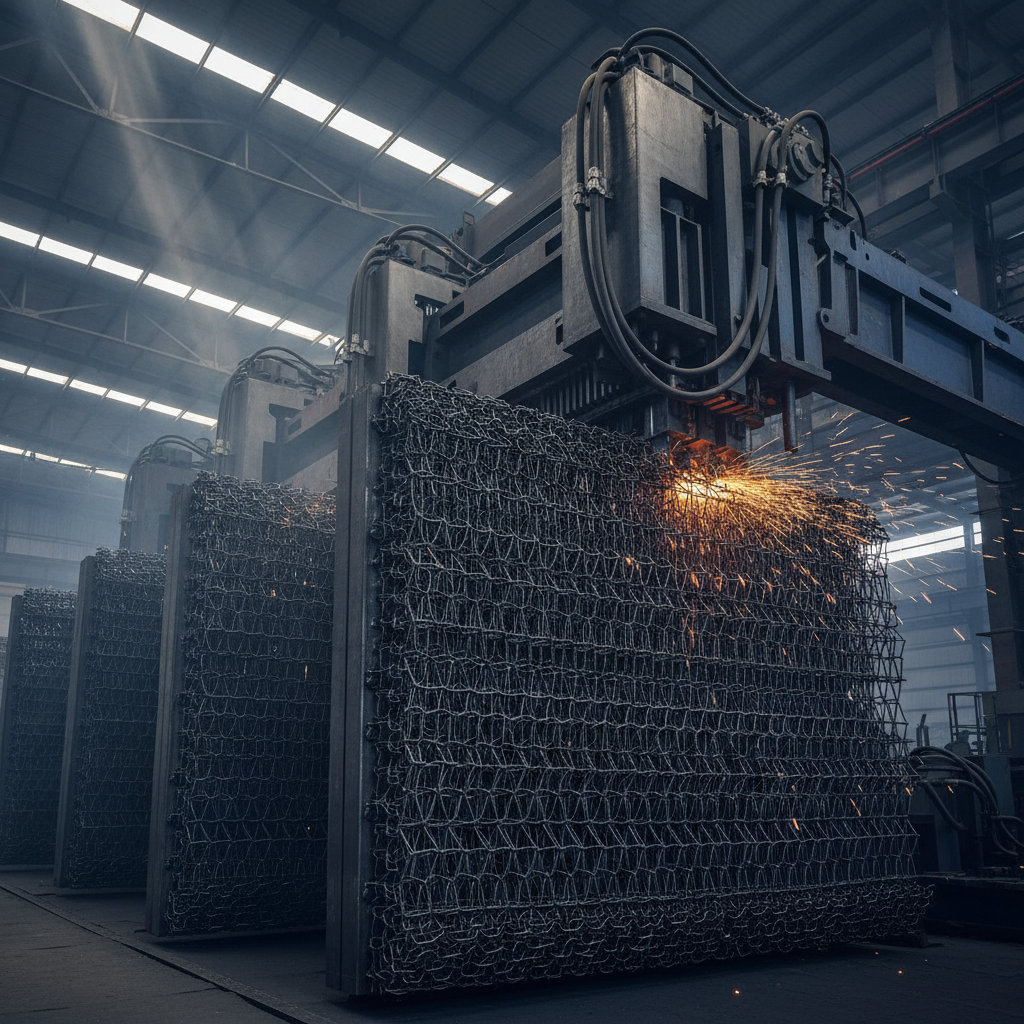
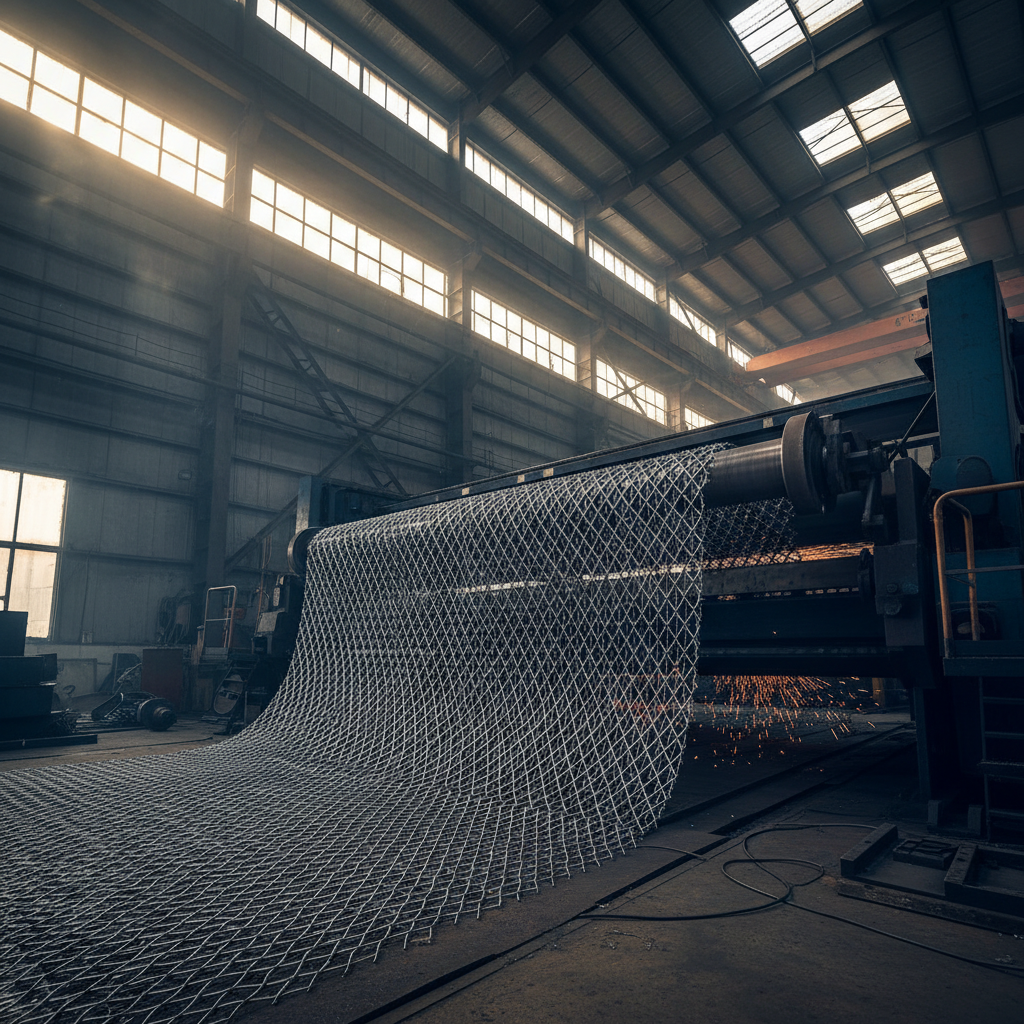
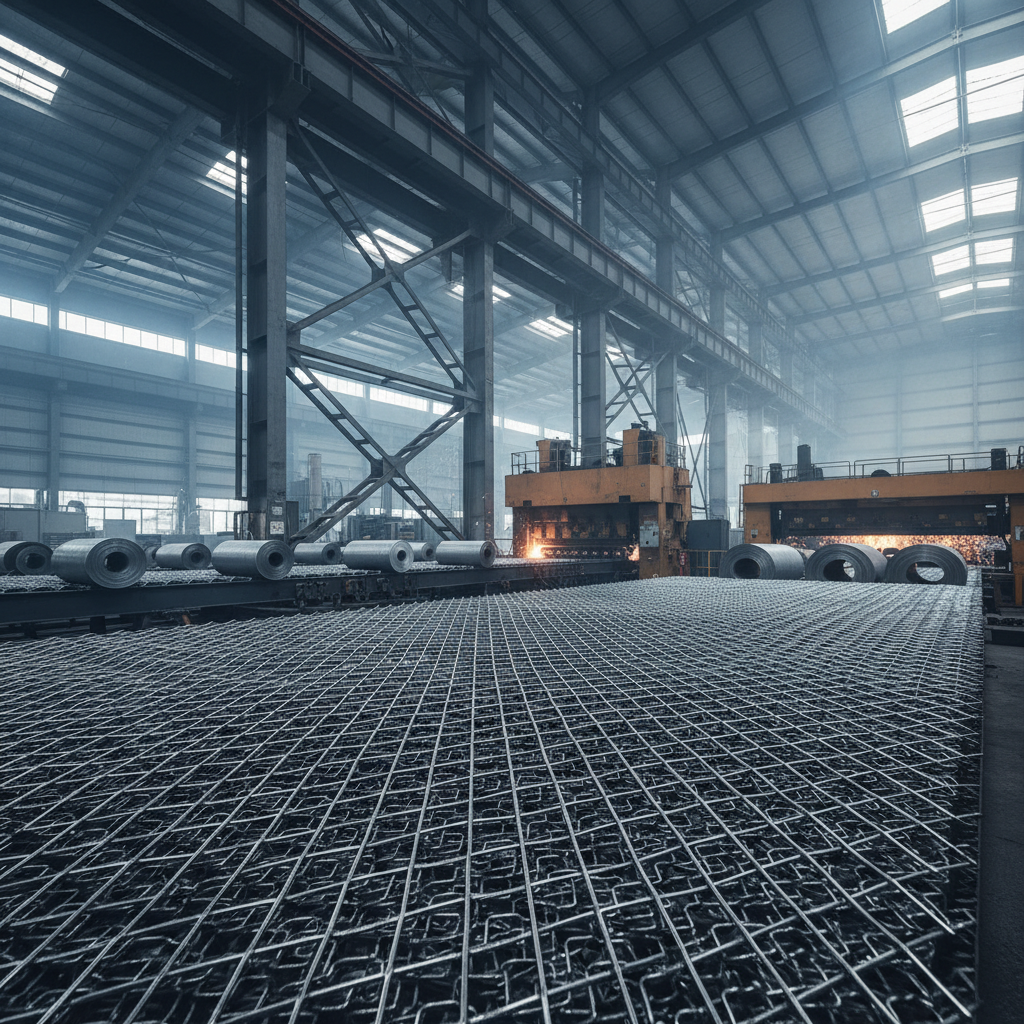
Stretched metal mesh, a versatile and robust material, has become increasingly integral to a diverse range of industries globally. From architectural facades and security fencing to industrial filtration and even artistic installations, its unique properties offer solutions to complex engineering and design challenges. Understanding the manufacturing processes, material options, and applications of stretched metal mesh is crucial for professionals across numerous sectors seeking durable, lightweight, and aesthetically pleasing building materials.
The global demand for stretched metal mesh is directly linked to infrastructure development, security concerns, and industrial growth. Countries undergoing rapid urbanization and industrialization, particularly in Asia-Pacific and emerging economies, are driving significant increases in demand. According to recent market reports, the stretched metal mesh market is projected to experience a steady compound annual growth rate (CAGR) over the next decade, spurred by innovations in manufacturing techniques and the exploration of new application areas.
Beyond economic factors, stretched metal mesh plays a vital role in addressing critical societal needs. Its application in disaster relief shelters, temporary housing, and emergency infrastructure showcases its potential to provide rapid and effective solutions in challenging circumstances. Its inherent strength and ability to be quickly deployed make it a valuable asset in humanitarian efforts.
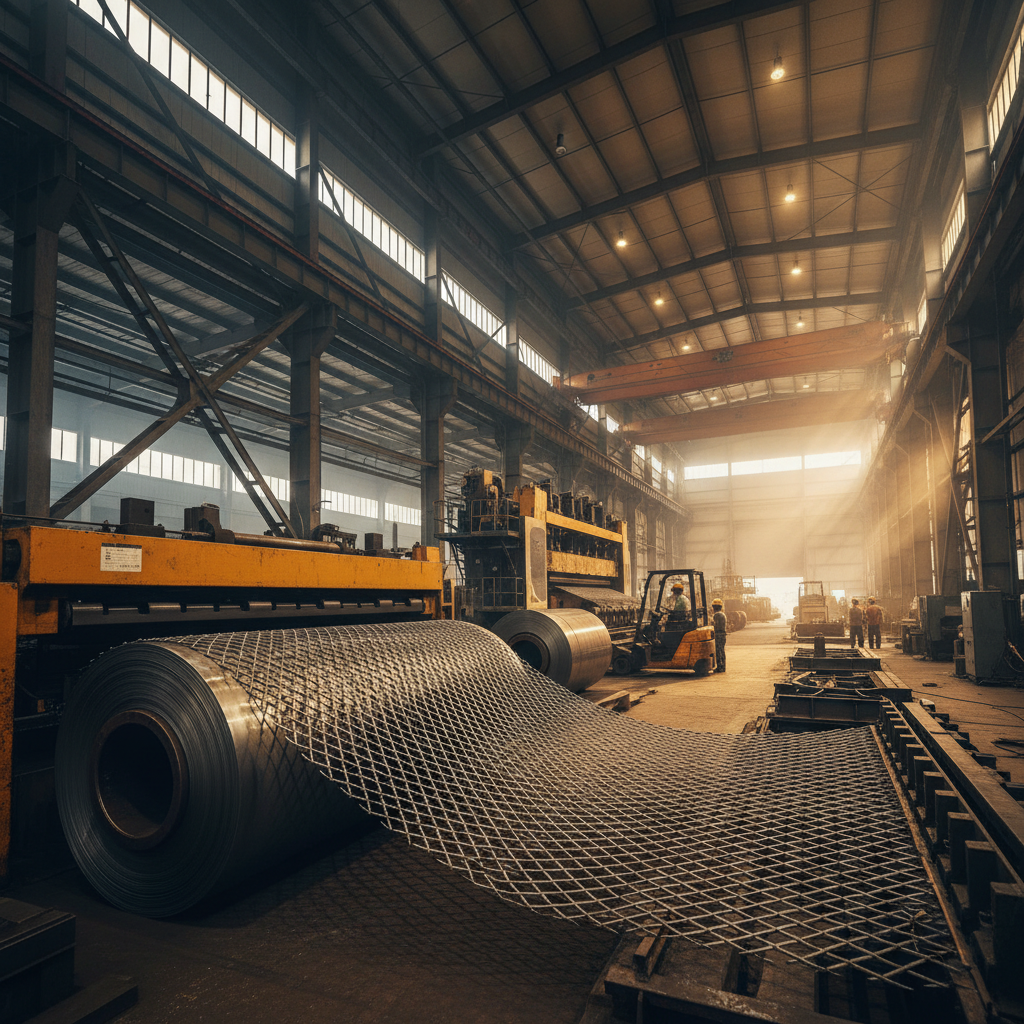
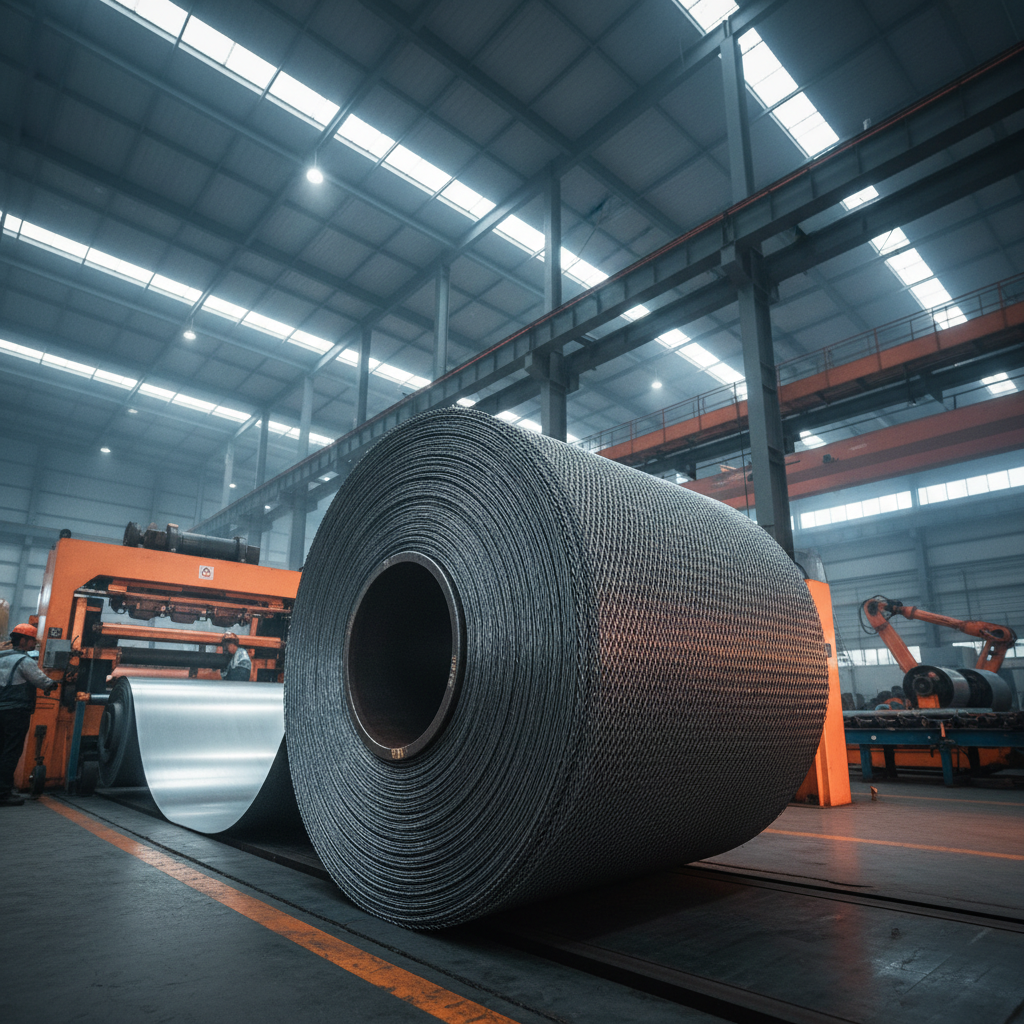
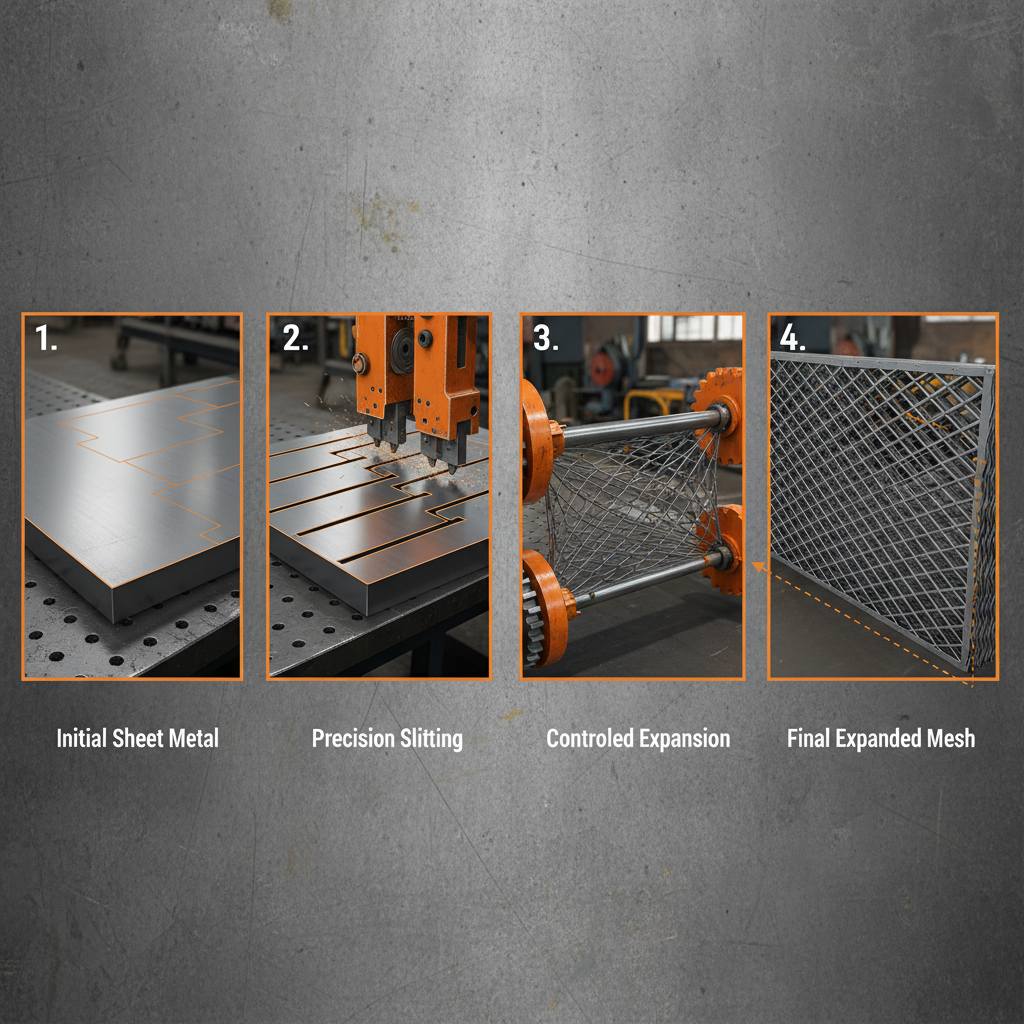
Stretched metal mesh stands out as a unique material in the construction and industrial sectors, offering a compelling blend of strength, versatility, and aesthetic appeal. The manufacturing process, involving slitting and stretching metal sheets, results in an open grid structure characterized by diamond-shaped openings. This process enhances the metal’s strength-to-weight ratio, making it an ideal solution for applications requiring both durability and lightweight construction.
Its adaptability is further enhanced by the wide range of materials that can be used, including carbon steel, stainless steel, aluminum, and specialized alloys. This allows for customization based on specific project requirements, such as corrosion resistance, high-temperature performance, or specific aesthetic finishes. stretched metal mesh continues to evolve, incorporating advancements in material science and manufacturing techniques.
Stretched metal mesh is made from a single sheet of metal that is slit and then stretched, creating an open grid. Woven wire mesh, conversely, is created by interlacing individual wires. This fundamental difference impacts their properties; stretched metal mesh offers greater structural rigidity and is less prone to unraveling, while woven wire mesh is typically more flexible. Stretched metal generally possesses higher tensile strength and is often preferred for applications requiring durable, single-piece construction.
The stretching pattern, whether it's diamond, square, hexagonal, or a custom design, significantly influences the mesh’s properties. Diamond patterns offer excellent strength in both directions, making them suitable for load-bearing applications. Square patterns provide a more uniform distribution of stress, while hexagonal patterns can optimize open area. The pattern choice dictates the mesh’s permeability, rigidity, and overall structural performance.
A wide variety of metals can be used, including carbon steel, stainless steel (grades 304, 316, etc.), aluminum, copper, and even specialty alloys like titanium. Stainless steel offers excellent corrosion resistance, making it ideal for outdoor applications. Aluminum provides a lightweight yet durable solution, and carbon steel is cost-effective for general-purpose uses. The material selection is based on the intended application’s environmental conditions and performance requirements.
Yes, absolutely! Most metals used in stretched metal mesh, such as steel and aluminum, are highly recyclable. Recycling not only reduces environmental impact but also conserves valuable resources. Scrap metal from manufacturing processes and end-of-life mesh products can be effectively reprocessed into new materials, promoting a circular economy and minimizing waste.
In architecture, stretched metal mesh is widely used for facade cladding, sunshades, railings, and decorative screens. Its aesthetic appeal, combined with its functional properties like light control and ventilation, makes it a versatile material for modern building designs. It can also be used to create unique interior features, adding texture and visual interest to spaces.
Selecting the right mesh size and gauge depends on the specific requirements of your project. Mesh size (opening size) dictates permeability and visual transparency, while gauge (metal thickness) influences strength and rigidity. Factors to consider include the load-bearing capacity needed, the level of visibility desired, the environmental conditions, and any regulatory requirements. Consulting with a stretched metal mesh supplier is recommended to determine the optimal specifications for your application.
Stretched metal mesh is a remarkably versatile material offering a unique combination of strength, durability, and aesthetic appeal. From architectural applications and industrial filtration to security solutions and sustainable building designs, its adaptability makes it invaluable across numerous sectors. Understanding its properties, manufacturing processes, and potential applications is crucial for professionals seeking innovative and reliable material solutions.
Looking ahead, continued advancements in materials science, manufacturing techniques, and sustainable practices will further enhance the performance and expand the applications of stretched metal mesh. We encourage you to explore the possibilities of incorporating this robust and adaptable material into your future projects. Visit our website at www.ztwiremesh.com to learn more and discuss your specific needs.

Subscribe now!
Stay up to date with the latest on Fry Steeland industry news.