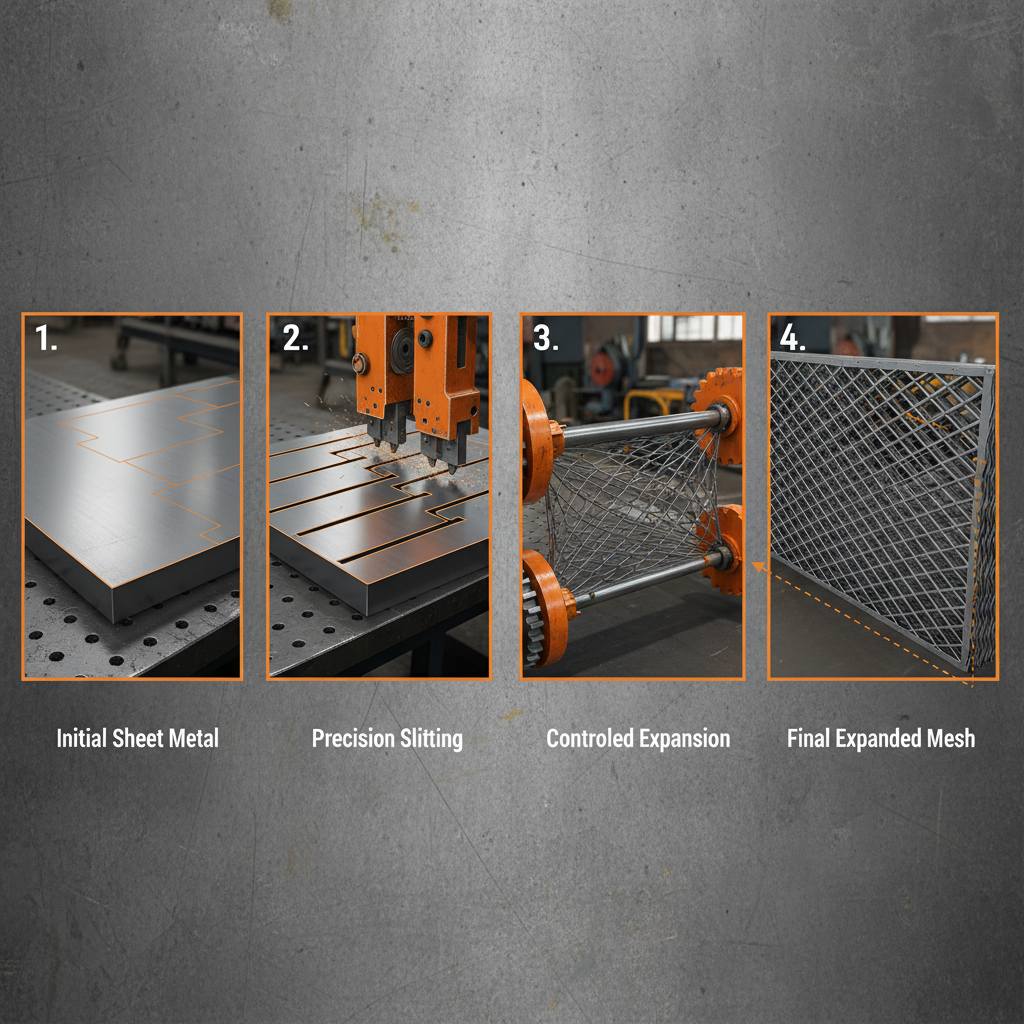
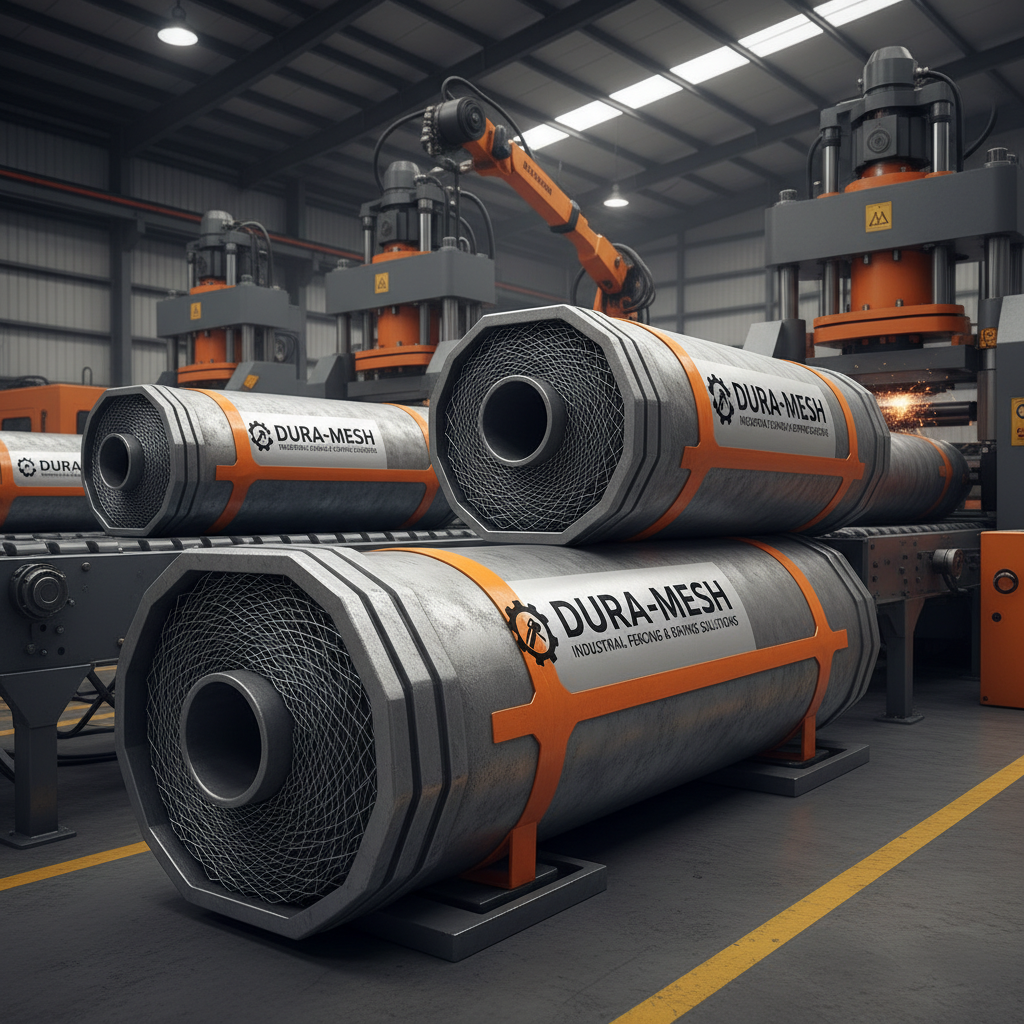
Expanded wire mesh, a versatile material created by slitting and stretching metal sheets, plays a critical role in numerous industries globally. Its unique properties, combining strength, openness, and aesthetic appeal, address challenges in sectors ranging from construction and security to filtration and agriculture. Understanding its characteristics and applications is vital for engineers, architects, and manufacturers seeking innovative and cost-effective solutions.
The global demand for expanded wire mesh is driven by rapid urbanization, infrastructure development, and increasing security concerns. According to the UN, over half the world's population lives in urban areas, necessitating efficient and robust construction materials. Furthermore, heightened security protocols in public spaces and critical infrastructure demand reliable fencing and protective barriers. The versatility of expanded wire mesh addresses these needs, contributing to safer and more sustainable development.
From providing durable animal enclosures on farms to offering secure perimeter fencing around industrial sites, and acting as critical components in automotive exhaust systems, expanded wire mesh's applications are incredibly diverse. Its ability to be easily fabricated into complex shapes, combined with its inherent strength-to-weight ratio, makes it an ideal material for a broad spectrum of uses. This widespread applicability underscores its importance in modern industry and its potential for continued growth.
Introduction to Expanded Wire Mesh
Expanded wire mesh is a unique metal product manufactured from a solid metal sheet through a slitting and stretching process. This process doesn't simply punch holes; instead, it simultaneously cuts and expands the metal, creating a mesh with diamond-shaped openings. This method preserves a significant portion of the original metal’s strength and integrity, making it superior to punched metal sheets in many applications.
The production of expanded wire mesh is highly adaptable, allowing for variations in mesh size, wire width, strand thickness, and sheet thickness. This flexibility makes it suitable for a wide array of uses, from simple screening to complex architectural features. Its growing adoption demonstrates its relevance to contemporary construction, security, and industrial needs.
Defining Expanded Wire Mesh
Expanded wire mesh differs significantly from woven wire mesh. Woven mesh is created by interlacing individual wires, while expanded mesh originates from a single metal sheet. This fundamental difference impacts their properties and applications. Expanded metal inherently provides a monolithic structure, offering greater strength and rigidity compared to its woven counterpart.
The defining characteristic of expanded metal lies in its precise, uniform openings, created without removing any metal material. This 'cold-forming' process maintains the material's mechanical properties, resulting in a product with high tensile strength and load-bearing capacity. This is crucial in applications like structural reinforcement and safety barriers.
Its connection to modern industry and humanitarian needs is profound. In construction, it forms the basis for flooring, walkways, and structural supports. In disaster relief scenarios, it serves as temporary shelters and filtration systems, providing essential infrastructure where it’s needed most. The inherent durability and adaptability of expanded wire mesh make it a vital resource in diverse environments.
Key Characteristics of Expanded Wire Mesh
The durability of expanded wire mesh is one of its most significant attributes. The slitting and stretching process work-hardens the metal, increasing its resistance to wear, corrosion, and deformation. This inherent toughness ensures a long service life, even in harsh environments.
Scalability is another key feature. Expanded wire mesh can be produced in virtually any size and configuration, accommodating diverse project requirements. Whether small, custom panels or large-scale industrial sheets, the manufacturing process can be tailored to specific dimensions and specifications.
Cost efficiency is a substantial benefit. Because it’s produced from a single sheet of metal with minimal material loss, expanded wire mesh is often more economical than alternative materials like woven wire or perforated metal. This makes it an attractive option for projects with budget constraints.
Applications Across Industries
Expanded wire mesh finds extensive application in the construction industry, serving as reinforcement for concrete, flooring supports, and protective screening. It's also a common material for stair treads, walkways, and safety gratings, providing a secure and slip-resistant surface.
In the automotive sector, expanded metal is used in radiators, exhaust systems, and speaker grills. Its ability to dissipate heat effectively and provide structural support makes it an ideal component in these critical vehicle systems. The aerospace industry also utilizes expanded metal for lightweight structural elements and noise reduction panels.
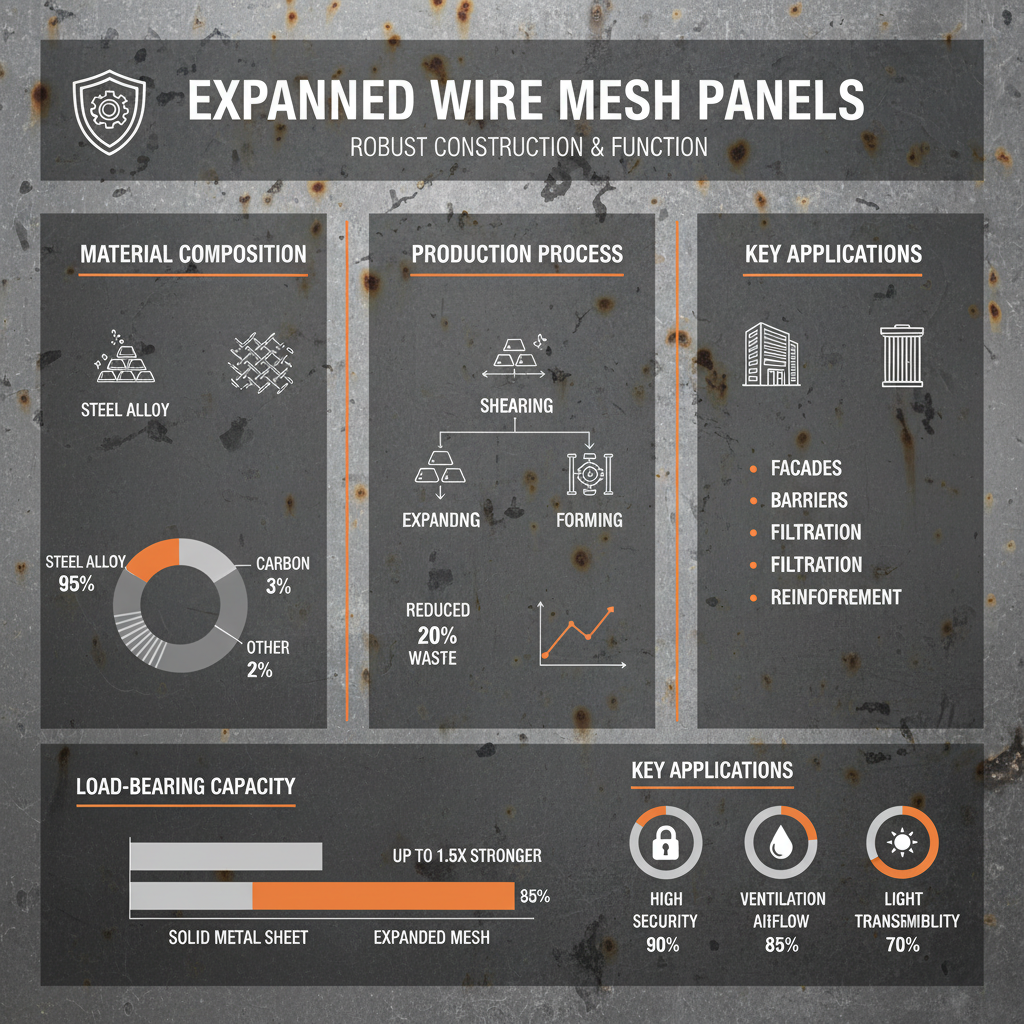
Expanded Wire Mesh Application Ratings
Advantages and Long-Term Value
One of the most tangible benefits of using expanded wire mesh is its cost-effectiveness. The manufacturing process minimizes material waste, resulting in lower production costs that translate into savings for the end-user. This is particularly significant in large-scale projects where material costs can be substantial.
Expanded wire mesh also boasts exceptional sustainability. The material is often recyclable, minimizing environmental impact, and its long service life reduces the need for frequent replacements. Its durability contributes to a reduced carbon footprint over the lifecycle of a project, aligning with green building practices.
Future Trends and Innovations
Ongoing research focuses on developing expanded wire mesh from more sustainable materials, such as recycled metals and bio-based polymers. This aligns with the growing demand for environmentally friendly construction and industrial materials.
Advances in automation and digital manufacturing are streamlining the production process, reducing costs, and enhancing precision. These technologies allow for the creation of complex designs and customized solutions tailored to specific client needs.
The integration of smart technologies, such as embedded sensors within the mesh structure, is opening up new possibilities for monitoring structural integrity and detecting potential failures. This proactive approach enhances safety and reduces maintenance costs.
Challenges and Solutions in Expanded Wire Mesh Implementation
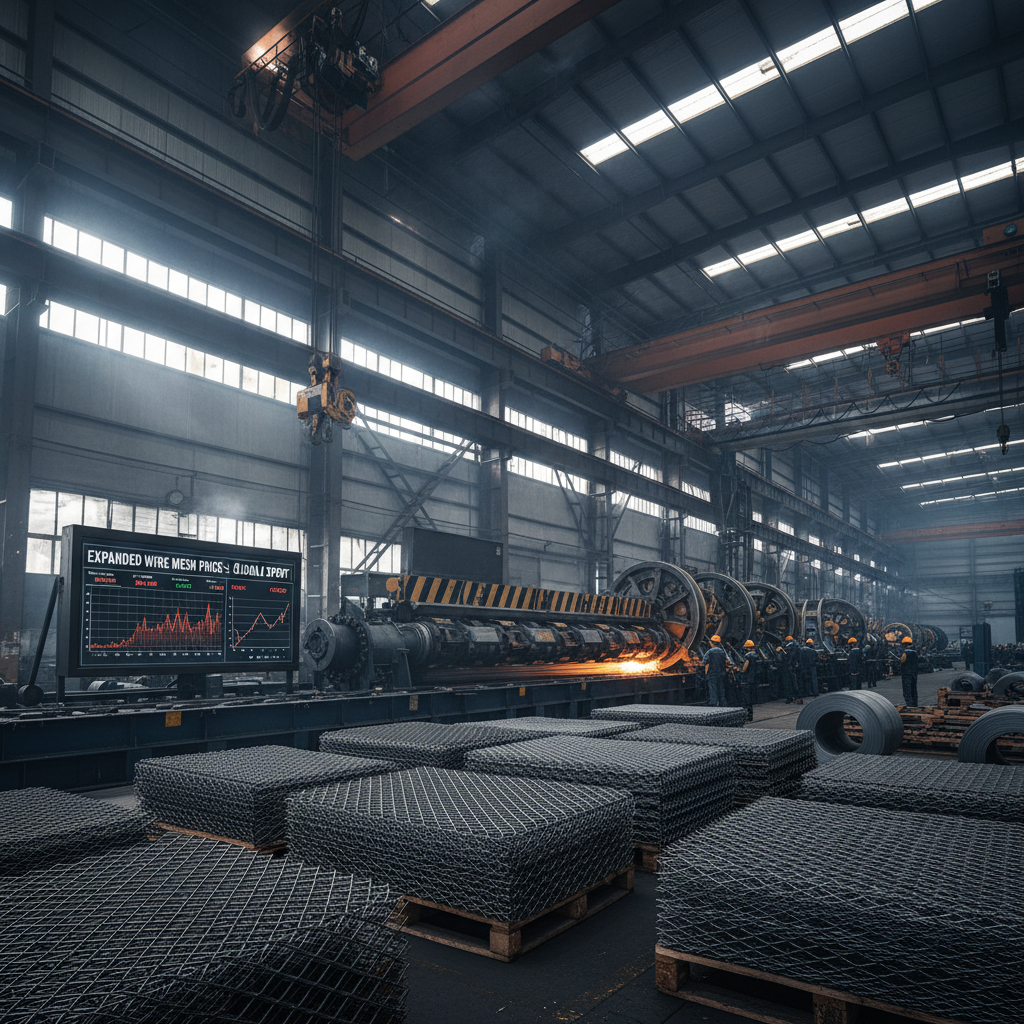
One common challenge is ensuring consistent mesh quality, particularly in large production runs. Variations in metal thickness or stretching patterns can affect the structural integrity of the finished product. Implementing rigorous quality control measures and utilizing advanced monitoring systems can mitigate this risk.
Corrosion can be a concern in certain environments, especially when using carbon steel. Applying protective coatings, such as galvanization or powder coating, extends the service life and protects against environmental damage. Utilizing corrosion-resistant alloys like stainless steel is also a viable solution.
Proper installation is crucial to maximizing the benefits of expanded wire mesh. Incorrect fastening or support can lead to deformation or failure. Providing clear installation guidelines and training for construction personnel ensures optimal performance and longevity.
Summary of Expanded Wire Mesh Implementation Challenges and Solutions
| Challenge |
Impact Area |
Solution |
Implementation Cost (1-10) |
| Inconsistent Mesh Quality |
Structural Integrity |
Rigorous Quality Control |
6 |
| Corrosion in Harsh Environments |
Lifespan & Maintenance |
Protective Coatings & Alloy Selection |
7 |
| Incorrect Installation |
Performance & Safety |
Detailed Guidelines & Training |
5 |
| Material Cost Fluctuations |
Project Budget |
Long-Term Contracts & Supplier Diversification |
4 |
| Limited Design Flexibility |
Aesthetic Requirements |
Customization & Finishing Options |
6 |
| Lack of Awareness |
Adoption Rate |
Industry Education & Marketing |
3 |
FAQS
Expanded wire mesh offers several advantages over woven wire. Primarily, it maintains a higher percentage of the original metal's strength due to its unique manufacturing process, providing greater rigidity and load-bearing capacity. It’s also generally more cost-effective due to minimal material waste during production. Finally, expanded metal’s monolithic structure reduces the risk of unraveling, enhancing long-term durability, particularly in demanding applications like flooring or security fencing.
Expanded wire mesh is highly customizable. Parameters like mesh size (the diamond opening dimensions), strand width, metal thickness, and sheet dimensions can be adjusted to suit individual needs. Additionally, various finishes like galvanization, powder coating, and painting can be applied for corrosion resistance or aesthetic purposes. Custom shapes and patterns are also achievable through specialized cutting and forming techniques.
A wide range of metals are used, including carbon steel, stainless steel (grades 304, 316, etc.), aluminum, and galvanized steel. Carbon steel is commonly chosen for its cost-effectiveness, while stainless steel offers superior corrosion resistance. Aluminum is lightweight and ideal for applications where weight is a concern. Galvanized steel provides a balance of strength and corrosion protection.
Yes, with proper treatment. While carbon steel expanded mesh is susceptible to corrosion, it can be adequately protected with galvanization or powder coating. Stainless steel expanded mesh inherently offers excellent corrosion resistance and is well-suited for harsh outdoor environments. Selecting the appropriate metal type and applying the right protective coating ensures long-term performance and durability.
Handling expanded wire mesh requires wearing gloves to prevent cuts from the sharp edges. Protective eyewear is recommended during cutting or shaping operations. Proper installation techniques, including secure fastening and appropriate support, are essential to prevent deformation or failure. Following manufacturer's guidelines and local safety regulations is crucial.
The manufacturing process, involving slitting and stretching, 'work hardens' the metal. This means the metal’s crystalline structure is altered, increasing its tensile strength and resistance to deformation. Unlike punching, which creates weak points, the expanded process maintains the integrity of the metal matrix, ensuring greater strength and durability throughout the mesh.
Conclusion
Expanded wire mesh stands as a remarkably versatile and efficient material across a broad spectrum of industries. Its unique manufacturing process, resulting in a strong, durable, and customizable product, addresses numerous challenges in construction, security, industrial applications, and beyond. The inherent cost-effectiveness and sustainability of expanded wire mesh further solidify its value proposition.
Looking ahead, innovations in materials and manufacturing techniques promise to enhance the performance and broaden the applications of expanded wire mesh even further. Continued research into sustainable materials and the integration of smart technologies will unlock new possibilities for this remarkable material. To learn more about how expanded wire mesh can benefit your project, visit our website today.