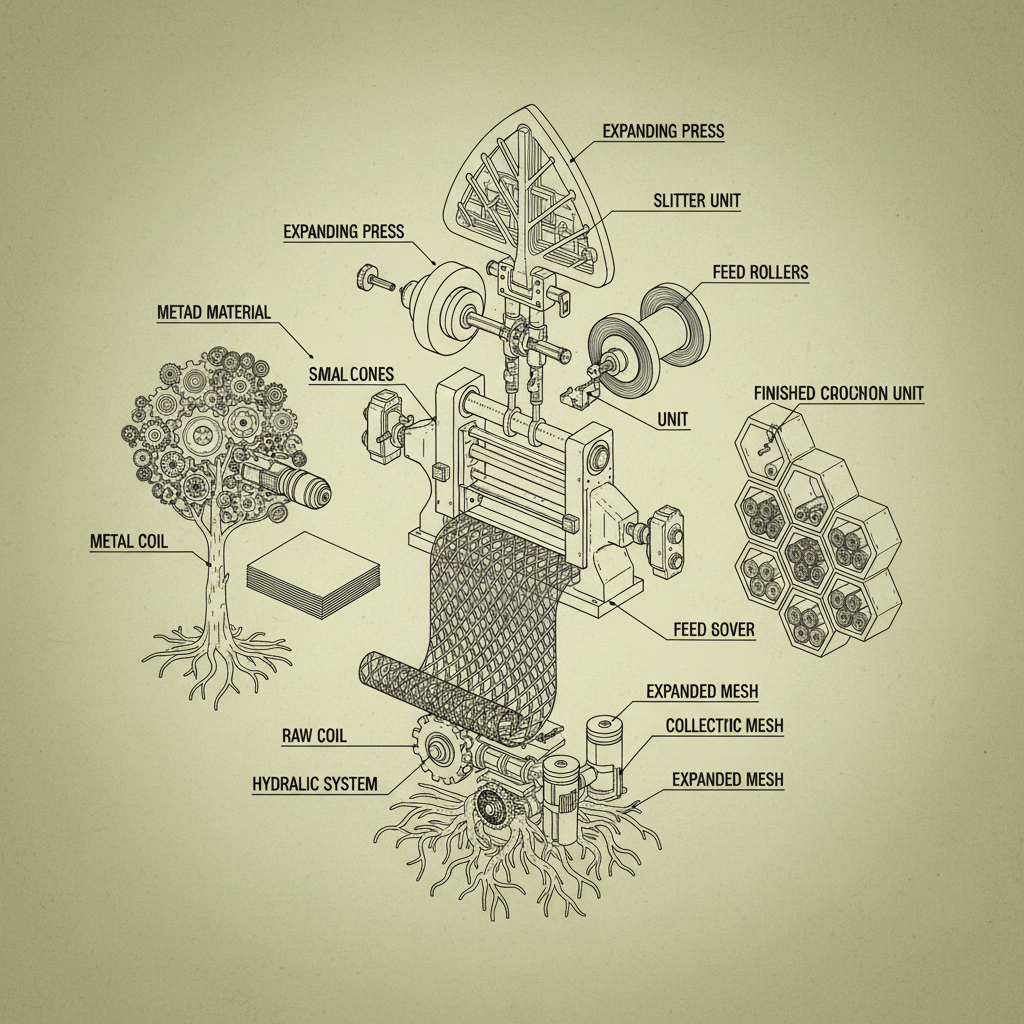
Expanded security mesh represents a significant advancement in protective barrier technology, crucial for a world facing increasing security challenges. From safeguarding critical infrastructure to providing secure perimeters for sensitive areas, this innovative material offers a robust and adaptable solution. Understanding its properties, applications, and future potential is paramount for security professionals, architects, and policymakers alike.
Globally, the demand for effective security measures is escalating due to geopolitical instability, rising crime rates, and the need to protect vital assets. Traditional security solutions often fall short in providing the necessary level of protection without being overly intrusive or aesthetically unappealing. Expanded security mesh bridges this gap, offering a blend of strength, transparency, and adaptability that addresses these pressing concerns.
The increasing reliance on infrastructure and the need to protect both people and assets are driving the adoption of advanced security solutions, and expanded security mesh is at the forefront of this technological shift.
Introduction: Global or Industry Context
The global security landscape is becoming increasingly complex, with threats ranging from terrorism and organized crime to vandalism and accidental damage. According to the United Nations Office on Drugs and Crime (UNODC), property crime remains a significant concern worldwide, impacting both individuals and businesses. This necessitates robust and adaptable security solutions, and expanded security mesh emerges as a critical tool in addressing these challenges.
Industries such as critical infrastructure (power plants, water treatment facilities), transportation (airports, train stations), and commercial real estate are particularly vulnerable. The World Bank estimates that the economic cost of crime and violence represents a substantial portion of global GDP, highlighting the economic imperative for effective security measures. Expanded security mesh offers a proactive approach to mitigate these risks.
Furthermore, the rise of geopolitical tensions and civil unrest underscores the importance of safeguarding sensitive locations and protecting populations. ISO standards for security management systems (e.g., ISO 27001) emphasize the need for layered security approaches, where expanded security mesh can play a vital role in creating a robust perimeter defense.
Definition & Meaning
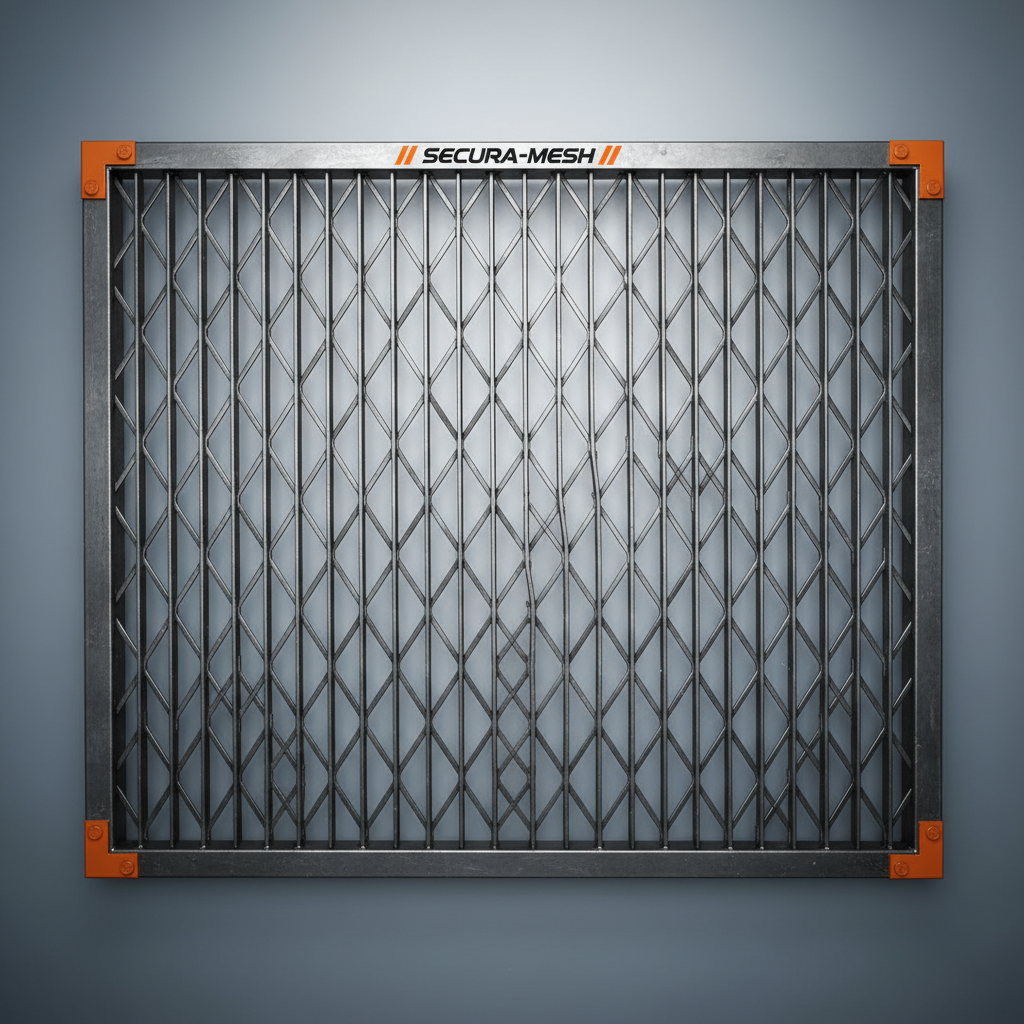
Expanded security mesh is a woven metal fabric characterized by its unique open-weave design. This construction provides a high degree of visibility and airflow while simultaneously creating a formidable physical barrier. Unlike traditional solid barriers, expanded metal mesh doesn’t completely obstruct the view, enhancing surveillance and maintaining an open environment.
Its connection to modern industry stems from the need for security solutions that are both effective and aesthetically acceptable. Expanded security mesh provides a discrete, yet powerful deterrent against intrusion and vandalism, making it ideal for applications where visibility and design are important considerations.
In humanitarian contexts, this material can be adapted for rapid deployment in conflict zones or disaster relief efforts to create secure camps or temporary housing, offering a safe haven for vulnerable populations. Its durability and adaptability make it a valuable asset in challenging environments.
Key Factors or Core Components
Durability: Expanded security mesh is typically manufactured from high-strength steel or stainless steel, offering exceptional resistance to cutting, climbing, and impact. This longevity translates into reduced maintenance costs and a prolonged lifespan compared to other barrier materials.
Transparency & Visibility: The open-weave design ensures excellent visibility, facilitating surveillance and allowing natural light to pass through. This feature is crucial for maintaining situational awareness and creating a less oppressive environment compared to solid barriers.
Adaptability: Expanded security mesh can be easily customized to fit various applications, including fencing, screens, facades, and architectural elements. It can be powder-coated in different colors to blend seamlessly with the surrounding environment.
Cost-Effectiveness: While the initial investment may be comparable to other security solutions, the long-term cost of ownership is often lower due to reduced maintenance and increased durability.
Scalability: Whether it's securing a small perimeter or a large industrial complex, expanded security mesh can be scaled to meet the specific needs of the application.
Vandal Resistance: The inherent structure makes it difficult to vandalize without specialized tools, adding another layer of security.
Global Applications & Use Cases
Expanded security mesh finds application across a diverse range of sectors and geographic regions. In post-disaster relief operations, it’s used to create secure temporary shelters and protect aid distribution centers. Organizations like the Red Cross and UNHCR often utilize this material in emergency response scenarios.
In remote industrial zones, such as mining operations in Australia or oil and gas facilities in the Middle East, expanded security mesh secures perimeters, protects equipment, and prevents unauthorized access. These environments often require robust security solutions due to their isolation and the high value of the assets they contain.
Urban applications include securing commercial buildings, schools, and public spaces in cities across Europe and North America. In Japan, it's frequently employed to mitigate earthquake damage by providing a flexible yet strong barrier that can withstand seismic activity. It's also gaining popularity in developing nations as a cost-effective solution for perimeter security in residential communities.
Comparison of expanded security mesh Methods
Advantages & Long-Term Value
The tangible benefits of expanded security mesh are numerous. From a cost perspective, its durability minimizes the need for frequent replacements, reducing long-term expenditure. Its inherent resistance to corrosion and weathering ensures a long service life, even in harsh environments.
The material’s sustainability is also noteworthy. Steel is a readily recyclable material, reducing the environmental impact. From a social impact perspective, expanded security mesh provides a sense of security and safety to communities, enhancing quality of life and fostering social stability. The enhanced surveillance capabilities contribute to crime prevention and public safety.
Logically, the increased security equates to reduced risk and minimized potential losses. Emotionally, the peace of mind that comes with knowing assets and loved ones are protected is invaluable. Expanded security mesh builds trust and confidence in security systems, contributing to a more secure and resilient society.
Future Trends & Innovations
Ongoing research is focused on developing expanded security mesh with enhanced anti-climb properties, utilizing innovative weaving patterns and material compositions. Integration with smart technologies, such as sensors and IoT devices, is also gaining traction, enabling real-time monitoring and automated threat detection.
The convergence of expanded security mesh with green energy initiatives is another emerging trend. The material can be incorporated into solar panel structures to provide both security and support, maximizing space utilization and enhancing energy efficiency. Digital transformation and automation are streamlining the manufacturing process, reducing costs and improving quality control.
Challenges & Solutions
One common limitation is the potential for determined intruders to find weaknesses in the mesh, particularly at connection points. This can be addressed by utilizing robust fastening systems and employing layered security approaches that combine expanded security mesh with other technologies, such as CCTV and alarm systems.
Another challenge is the aesthetic impact, particularly in sensitive environments. Innovative powder coating techniques and the use of more refined mesh designs can minimize visual intrusion. Expert insights suggest that a comprehensive security assessment, tailored to the specific needs of the application, is crucial for optimizing the effectiveness of expanded security mesh.
Furthermore, ensuring proper installation and maintenance is critical. Regular inspections and timely repairs can prevent potential vulnerabilities and extend the lifespan of the security barrier.
Core Analysis of Theme Seven: Expanded Security Mesh Challenges and Mitigation Strategies
| Challenge Area |
Severity (1-10) |
Mitigation Strategy |
Implementation Cost (USD) |
| Cutting Attempts |
7 |
Use of hardened steel mesh and anti-cut fasteners. |
500-1500 |
| Climbing Attempts |
8 |
Installation of anti-climb extensions and angled top rails. |
800-2000 |
| Corrosion |
5 |
Application of corrosion-resistant coatings (galvanization, powder coating). |
300-1000 |
| Vandalism |
6 |
Implementation of surveillance systems and lighting. |
1000-3000 |
| Installation Errors |
4 |
Employing certified installers and conducting thorough inspections. |
100-500 |
| Aesthetic Concerns |
3 |
Selection of mesh patterns and colors that blend with the surroundings. |
200-800 |
FAQS
Expanded security mesh offers superior visibility, allowing for effective surveillance and maintaining an open aesthetic. It’s also generally more durable and resistant to cutting and climbing than traditional chain-link fencing. Its open structure reduces wind load, making it less susceptible to damage in harsh weather conditions. Moreover, expanded metal offers a modern aesthetic that is often preferred in architectural applications, blending seamlessly with the environment. This combination of security, aesthetics, and durability makes it a compelling alternative to traditional fencing.
Expanded security mesh, particularly when manufactured from stainless steel or galvanized steel, exhibits excellent corrosion resistance, making it well-suited for high-humidity or coastal environments. Galvanization provides a protective zinc coating, preventing rust formation, while stainless steel offers even greater resistance to corrosion. Regular cleaning and maintenance, such as removing salt spray, can further extend its lifespan in these challenging environments. Choosing the appropriate material grade and coating is crucial for long-term performance.
The lifespan of an expanded security mesh installation can vary depending on the material used, the environmental conditions, and the level of maintenance. However, with proper installation and regular maintenance, a galvanized steel installation can last 15-20 years, while a stainless steel installation can easily exceed 25-30 years. Factors such as exposure to salt spray, industrial pollution, and physical damage can affect lifespan. Routine inspections and prompt repairs are essential for maximizing its longevity.
While the installation process is generally straightforward, it’s recommended to use experienced and certified installers to ensure proper installation and maximize security. Correctly tensioning the mesh and securely fastening it to the support posts are crucial for preventing sagging and maintaining its structural integrity. Improper installation can compromise its effectiveness and reduce its lifespan. Following manufacturer's instructions and adhering to industry best practices are essential.
Yes, expanded security mesh is highly customizable. It can be powder-coated in a wide range of colors to blend seamlessly with the surrounding environment. Different mesh patterns and opening sizes are also available, allowing for tailored aesthetic solutions. Furthermore, the mesh can be integrated with other architectural elements, such as signage or lighting, to create a cohesive and visually appealing security barrier. Custom fabrication is often available to meet unique project requirements.
In industrial settings, expanded security mesh is commonly used for perimeter fencing, machine guarding, and ventilation screens. It provides a secure and visible barrier to prevent unauthorized access to valuable assets and equipment. It's also used to enclose hazardous areas, protecting workers from potential dangers. Its open structure allows for airflow, making it ideal for ventilation systems while still providing a level of security. Its durability and resistance to harsh environments make it well-suited for demanding industrial applications.
Conclusion
Expanded security mesh represents a versatile and effective solution for a wide range of security challenges. Its combination of durability, transparency, adaptability, and cost-effectiveness makes it a compelling alternative to traditional security barriers. From protecting critical infrastructure to safeguarding communities, this innovative material plays a crucial role in creating a more secure world.
Looking ahead, continued innovation in materials science and smart technologies will further enhance the capabilities of expanded security mesh. By embracing these advancements, we can create even more robust and adaptable security solutions that address the evolving threats of the 21st century. To learn more about how expanded security mesh can benefit your specific application, visit our website: ztwiremesh.com.