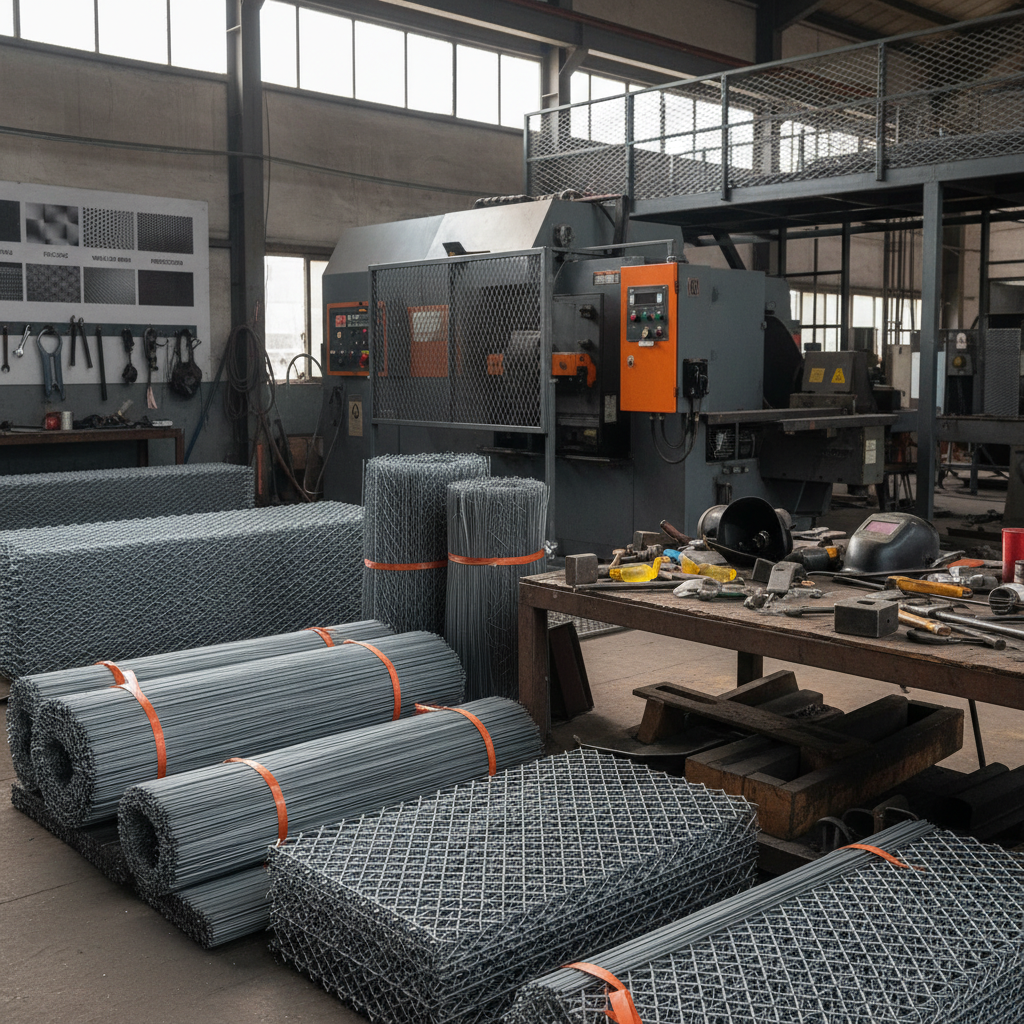
In the modern architectural and industrial landscape, the demand for materials that balance lightweight properties with structural integrity has led to the widespread adoption of specialized metal solutions. Among these, the use of expanded metal technology has revolutionized how engineers approach filtration, ventilation, and security, providing a versatile alternative to traditional perforated plates.
The global shift toward sustainable building materials and efficient manufacturing processes has placed a spotlight on aluminum due to its inherent corrosion resistance and recyclability. By utilizing the expanding process—which slits and stretches the metal—manufacturers can create high-strength sheets that offer significant weight reduction without compromising the overall stability of the installation.
Understanding the technical nuances of expanded aluminum sheets is essential for professionals seeking to optimize airflow, light transmission, and durability in challenging environments. Whether used in high-end facade design or heavy-duty industrial guarding, these materials provide a cost-effective solution that meets rigorous international safety and performance standards.
Global Industrial Significance of Expanded Aluminum Sheets
The global adoption of expanded aluminum sheets is driven by the relentless pursuit of efficiency in the aerospace, automotive, and construction sectors. According to international industrial standards, the transition toward lighter materials is no longer just a preference but a necessity to reduce carbon footprints and energy consumption during transport and installation.
By replacing heavier steel components with aluminum expanded solutions, industries can achieve a significant reduction in dead load while maintaining the necessary rigidity. This is particularly critical in seismic-prone regions where reducing the mass of a building's cladding or internal partitions can directly influence the safety and longevity of the structure.
Defining the Mechanics of Expanded Aluminum Sheets
At its core, expanded aluminum sheets are produced through a specialized process where a solid metal sheet is slit and stretched simultaneously. Unlike perforated metal, where material is removed in the form of slugs, the expansion process displaces the metal, creating a diamond-shaped mesh pattern that is integral to the original sheet, ensuring no material waste.
This unique manufacturing method results in a product that possesses inherent strength and stiffness. The angled strands of the expanded mesh act as natural reinforcements, allowing the sheet to resist bending and shearing forces more effectively than a simple flat plate of the same weight.
From a humanitarian and industrial perspective, these sheets are indispensable for creating rapid-deployment barriers, lightweight walkways, and ventilation screens. Their ability to be customized in terms of strand width and opening size makes them a universal tool for solving complex architectural challenges.
Core Components and Technical Factors
The effectiveness of expanded aluminum sheets depends heavily on the precision of the expanding ratio. This ratio determines the size of the openings relative to the thickness of the material, which directly impacts the transparency, airflow, and load-bearing capacity of the final product.
Durability is another critical factor, primarily influenced by the aluminum alloy grade used. Higher-grade alloys provide superior resistance to oxidation and mechanical wear, ensuring that the sheets remain structurally sound even when exposed to saline coastal air or corrosive industrial chemicals.
Cost-efficiency is realized through the "no-waste" nature of the expansion process. Because the metal is stretched rather than punched, manufacturers can offer competitive pricing for expanded aluminum sheets compared to traditional perforated alternatives, without sacrificing the quality of the finish.
Comparative Performance Analysis
When comparing different types of expanded metal, it is clear that aluminum offers a unique balance of weight and weather resistance. In high-humidity environments, the natural oxide layer of aluminum prevents the deep-seated rust that often plagues expanded steel sheets, making it the premier choice for outdoor cladding and marine applications.
Furthermore, the flexibility of the material allows it to be folded, bent, and welded into complex geometries. This adaptability reduces the need for secondary support structures, further lowering the total cost of ownership for large-scale industrial projects.
Performance Metrics of Expanded Aluminum Sheets
Real-World Global Applications
In the realm of urban architecture, expanded aluminum sheets are frequently utilized for sun-shading systems and decorative facades. In cities like Singapore and Dubai, these mesh screens are engineered to reduce solar heat gain in buildings, significantly lowering air conditioning costs while maintaining natural light and ventilation for occupants.
Beyond aesthetics, the material is vital in industrial safety. From catwalks in oil refineries to machine guarding in automated factories, the slip-resistant nature of the expanded pattern provides a secure footing for workers, combining safety with the lightweight ease of installation.
Long-Term Value and Sustainability
The long-term value of investing in aluminum expanded metal lies in its lifecycle cost. While the initial investment may differ from plastic or low-grade steel, the lack of required painting or galvanizing maintenance in many environments ensures that the total cost of ownership is significantly lower over a ten-to-twenty-year span.
Sustainability is a core advantage, as aluminum is one of the most recycled materials on the planet. Using expanded aluminum sheets contributes to a circular economy, as the material can be melted down and repurposed indefinitely without losing its fundamental properties.
Moreover, the emotional value of using such materials in modern design—evoking a sense of transparency, innovation, and lightness—helps brands and architects communicate a commitment to forward-thinking engineering and environmental stewardship.
Future Innovations in Metal Expansion
The future of expanded metal is being shaped by the integration of digital manufacturing and smart coatings. We are seeing the emergence of "intelligent" mesh that can change its opacity or thermal properties based on environmental triggers, further enhancing the energy efficiency of smart buildings.
Automation and AI-driven cutting patterns are allowing for more complex, non-linear expansion ratios within a single sheet. This means a single piece of aluminum can be engineered to have high strength in one area and high transparency in another, optimizing the material usage to an unprecedented degree.
As green energy transitions accelerate, these materials will play a pivotal role in the construction of lightweight EV battery enclosures and solar panel support structures, where every gram of weight saved translates directly into increased efficiency.
Technical Comparison of Aluminum Expansion Specifications
| Material Grade |
Expansion Ratio |
Primary Application |
Durability Score |
| Alloy 1100 |
Low/Medium |
Decorative Panels |
7/10 |
| Alloy 3003 |
Medium |
General Ventilation |
8/10 |
| Alloy 5052 |
High |
Marine Hardware |
10/10 |
| Alloy 6061 |
Medium/High |
Structural Support |
9/10 |
| Custom Blend |
Variable |
Aerospace Parts |
9/10 |
| Anodized Al |
Medium |
High-End Architecture |
10/10 |
FAQS
The primary advantage is the manufacturing process. Expanded aluminum sheets are created by stretching the metal, meaning there is no material waste (slugs) and the structural integrity remains higher because the metal strands are continuous. This often results in a better strength-to-weight ratio and a more competitive price point for large industrial orders.
Selection depends on the environment. For decorative or indoor use, 1100 or 3003 alloys are sufficient. For marine or high-corrosion industrial zones, 5052 is the gold standard due to its exceptional salt-water resistance. If structural load-bearing is the priority, 6061 is recommended for its superior mechanical strength.
Yes, expanded aluminum is highly compatible with various finishes. Powder coating is the most common for architectural use, providing vibrant colors and extra protection. Anodizing is another excellent option, which creates an integrated oxide layer that is extremely hard and resistant to scratches and weather.
Absolutely. When specified with the correct thickness and a tighter expansion ratio, expanded aluminum provides an excellent non-slip surface. The diamond pattern naturally sheds water and debris, making it a safer alternative to flat plates in industrial environments, provided the support framing is adequate.
Because the expansion process does not remove any metal from the sheet, the cost of raw material is optimized. This efficiency allows manufacturers to pass those savings on to the customer, making expanded aluminum sheets more cost-effective per square meter than perforated sheets of a similar open-area percentage.
Customization involves specifying the sheet thickness, the Long Way of the Diamond (LWD), the Short Way of the Diamond (SWD), and the strand width. By providing these parameters to a professional factory, you can receive sheets tailored to your specific airflow or security requirements.
Conclusion
In summary, expanded aluminum sheets represent a perfect intersection of material science and industrial efficiency. By leveraging the unique properties of aluminum and the structural advantages of the expanding process, these materials offer an unparalleled combination of lightweight design, corrosion resistance, and sustainable manufacturing. From enhancing the energy efficiency of modern skyscrapers to ensuring safety in heavy-duty industrial plants, their versatility makes them an essential component of contemporary engineering.
Looking forward, the integration of smart coatings and AI-optimized patterns will only further expand the utility of these sheets. For architects and engineers, the transition toward expanded aluminum is not just a design choice but a strategic move toward more sustainable, durable, and cost-effective infrastructure. To explore high-quality solutions for your next project, visit our website: www.ztwiremesh.com.