Expanded mild steel mesh plays a critical role in modern infrastructure and numerous industrial applications globally. Its unique combination of strength, durability, and cost-effectiveness makes it an essential material for construction, security, filtration, and more. From reinforcing concrete structures to providing secure enclosures, expanded metal is a versatile solution addressing a wide range of engineering and safety needs. Understanding its properties and applications is vital for professionals across various sectors seeking robust and reliable material solutions.
The global demand for expanded mild steel mesh is steadily increasing, driven by rapid urbanization, infrastructure development in emerging economies, and a growing focus on security measures worldwide. According to industry reports, the market is projected to witness significant growth in the coming years, fueled by innovations in manufacturing techniques and the development of specialized expanded metal products. This growth underscores the material’s continued relevance and its crucial contribution to various industries. You can explore available options at expanded mild steel mesh.
This versatile material addresses challenges in diverse fields, from providing rapid deployment housing solutions in disaster relief to enhancing safety in industrial settings. The inherent properties of expanded mild steel mesh – its open structure allowing for airflow and visibility, combined with its strength – make it an ideal component for sustainable and efficient designs.
Introduction to expanded mild steel mesh
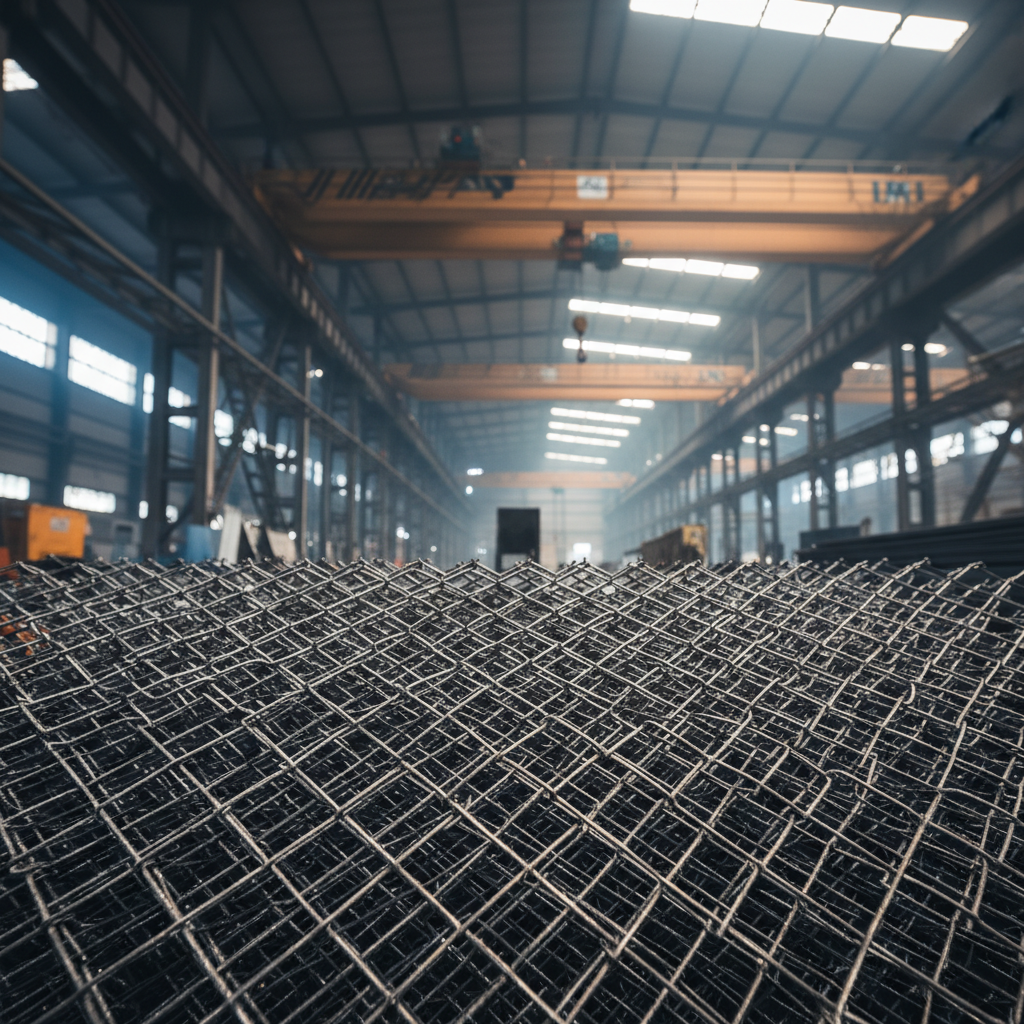
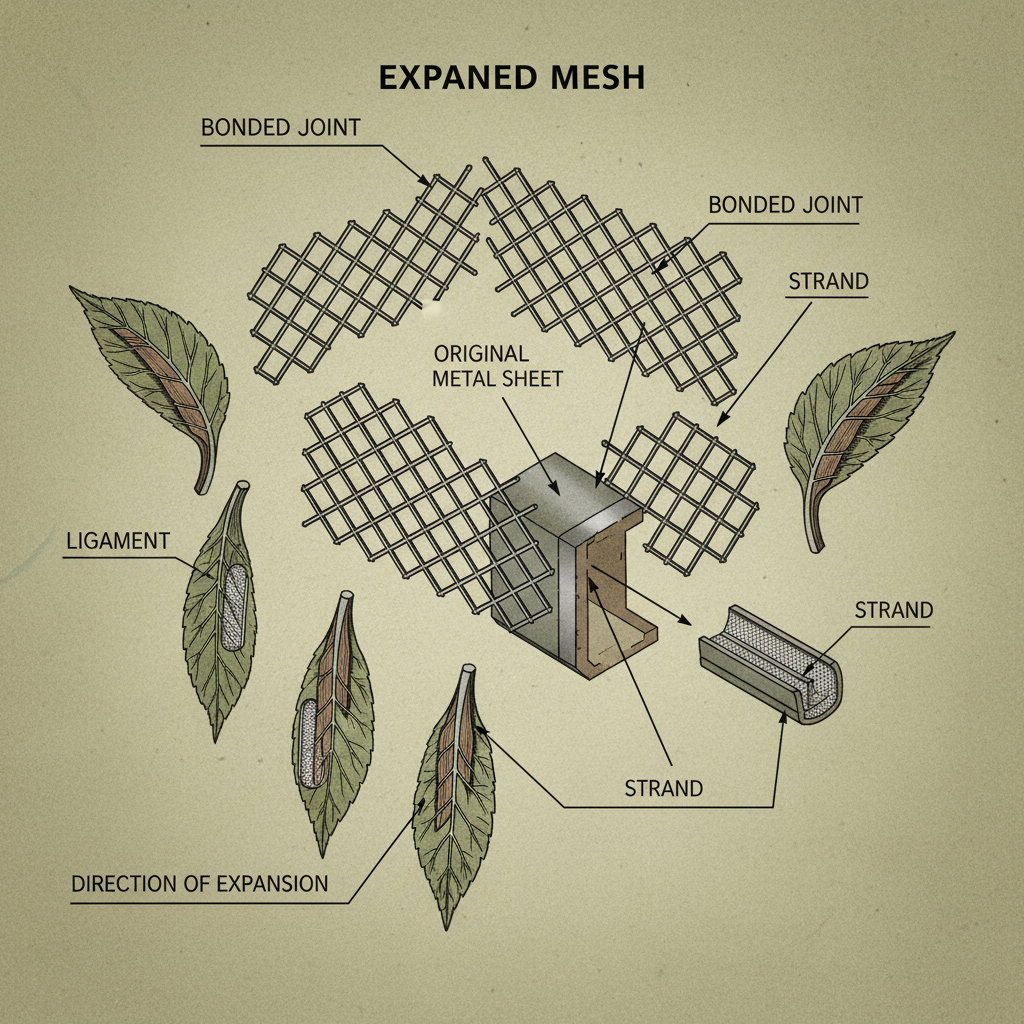
Expanded mild steel mesh is a solid metal sheet that has been slit and stretched to create an open, mesh-like structure. Unlike woven wire mesh, expanded metal is manufactured from a single piece of metal, resulting in a more robust and rigid product. This manufacturing process allows for a variety of aperture sizes and thicknesses, making it adaptable to diverse applications.
The inherent strength and durability of expanded mild steel mesh make it a popular choice for applications requiring structural support, filtration, and security. Its open grid design promotes airflow and visibility, broadening its application range to include architectural features and industrial safety guards. The material is easily fabricated, welded, and formed, offering flexibility in design and installation.
Global Relevance and Industry Context
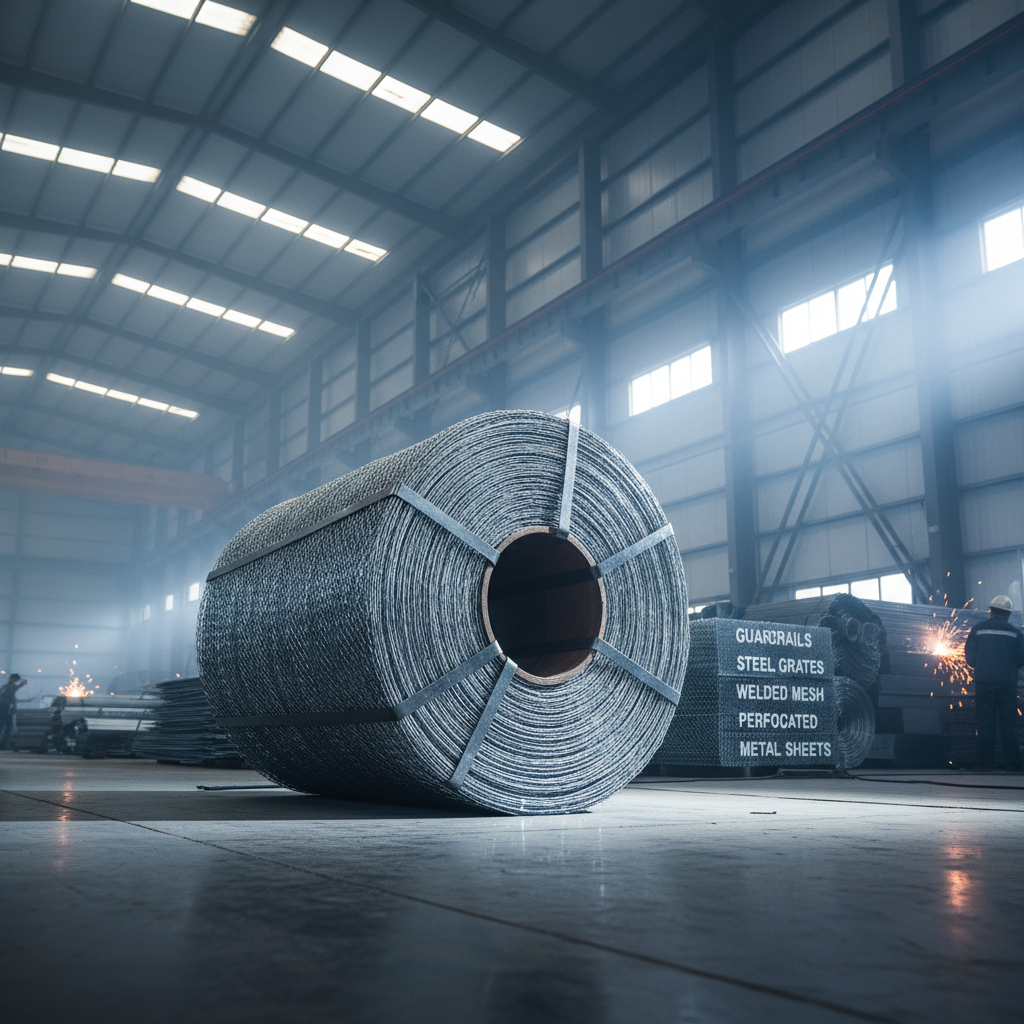
Expanded mild steel mesh is a globally traded commodity, playing a significant role in supporting construction, infrastructure, and manufacturing sectors worldwide. The United Nations estimates that global construction spending will reach \$8 trillion by 2030, driving demand for materials like expanded metal used in reinforcing concrete, creating protective barriers, and forming durable building components. This demand is particularly strong in rapidly developing nations in Asia and Africa.
The World Bank recognizes the importance of robust infrastructure for economic development, and expanded mild steel mesh contributes to this goal by providing reliable and cost-effective building materials. Furthermore, the ISO standards for steel production and quality control ensure that expanded metal meets rigorous safety and performance criteria, facilitating international trade and ensuring consistency across different regions.
A significant challenge addressed by expanded mild steel mesh is the need for effective security solutions. The material's strength and resistance to cutting make it an ideal choice for perimeter fencing, security screens, and protective enclosures, helping to mitigate risks associated with theft, vandalism, and unauthorized access.
Defining expanded mild steel mesh
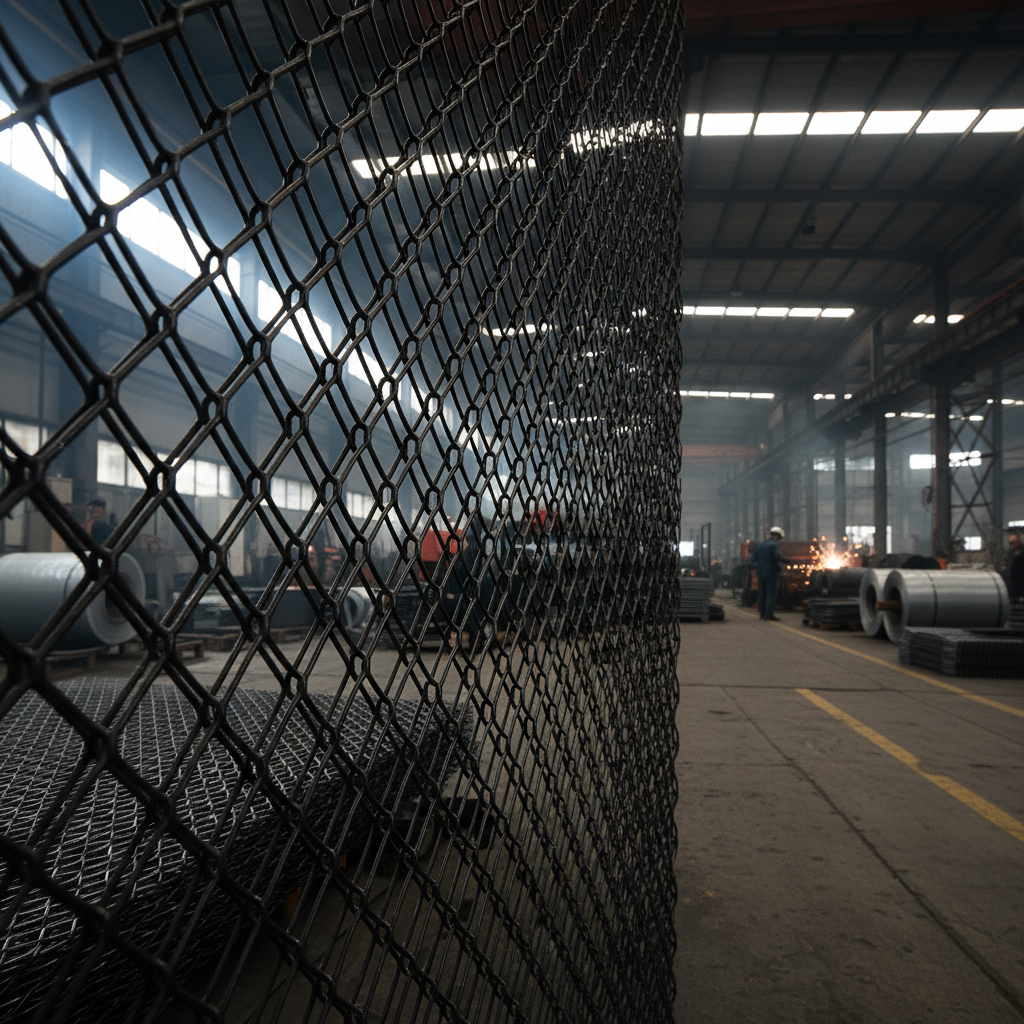
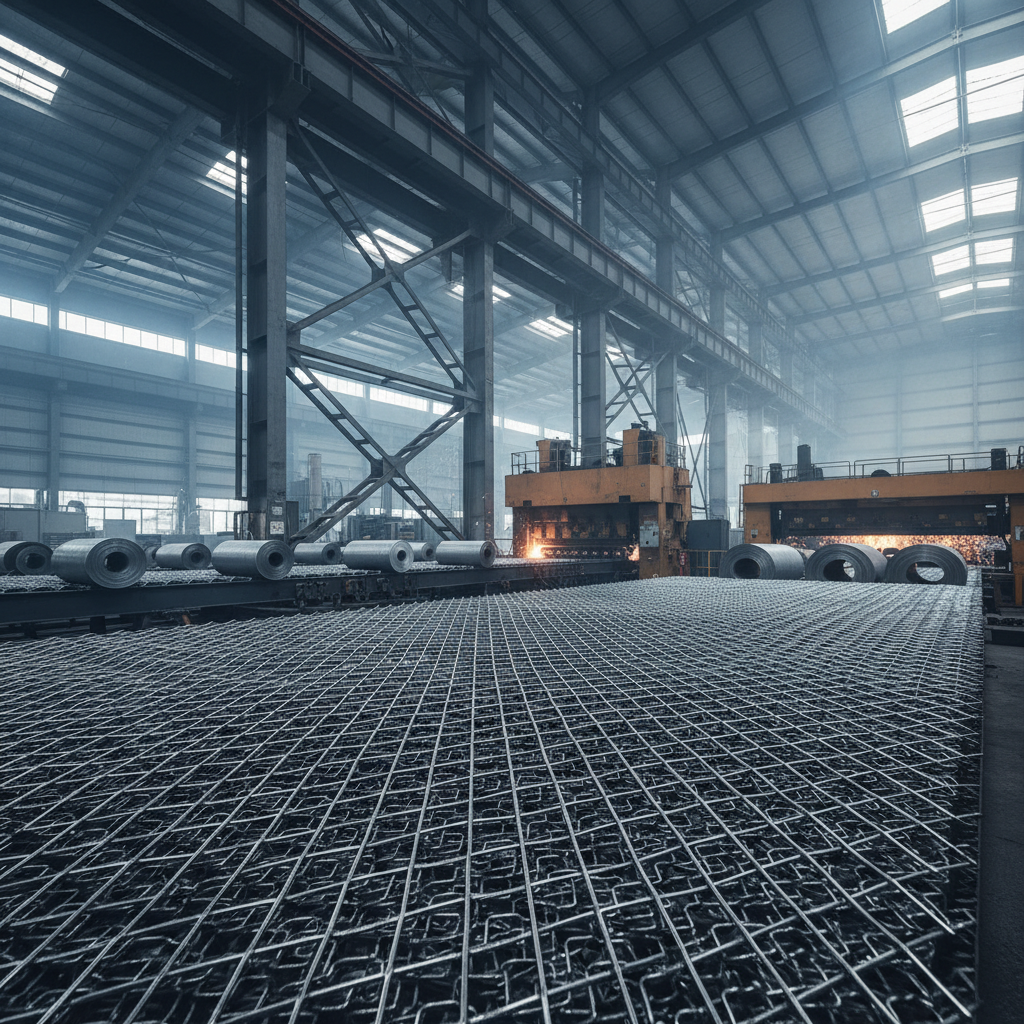
Expanded mild steel mesh is created through a unique manufacturing process where a solid metal sheet is simultaneously slit and stretched. This process maintains the metal's overall strength while creating an open, consistent pattern of diamond-shaped openings. The resulting mesh possesses a distinctive appearance and a range of beneficial properties, differentiating it from other wire mesh products.
The connection to modern industry stems from its versatility and cost-effectiveness. Expanded metal requires less raw material than solid sheets, reducing manufacturing costs. Its open structure allows for light transmission and airflow, making it suitable for applications where these characteristics are essential. It is a cornerstone material for many modern construction projects.
Expanded mild steel mesh is also vital to humanitarian needs. Its rapid deployability and structural integrity make it an excellent component in temporary shelters, disaster relief housing, and field hospitals. Its robust nature ensures safety and security in challenging environments, providing a critical resource in emergency situations. Companies like expanded mild steel mesh suppliers contribute to these efforts.
Key Characteristics of expanded mild steel mesh
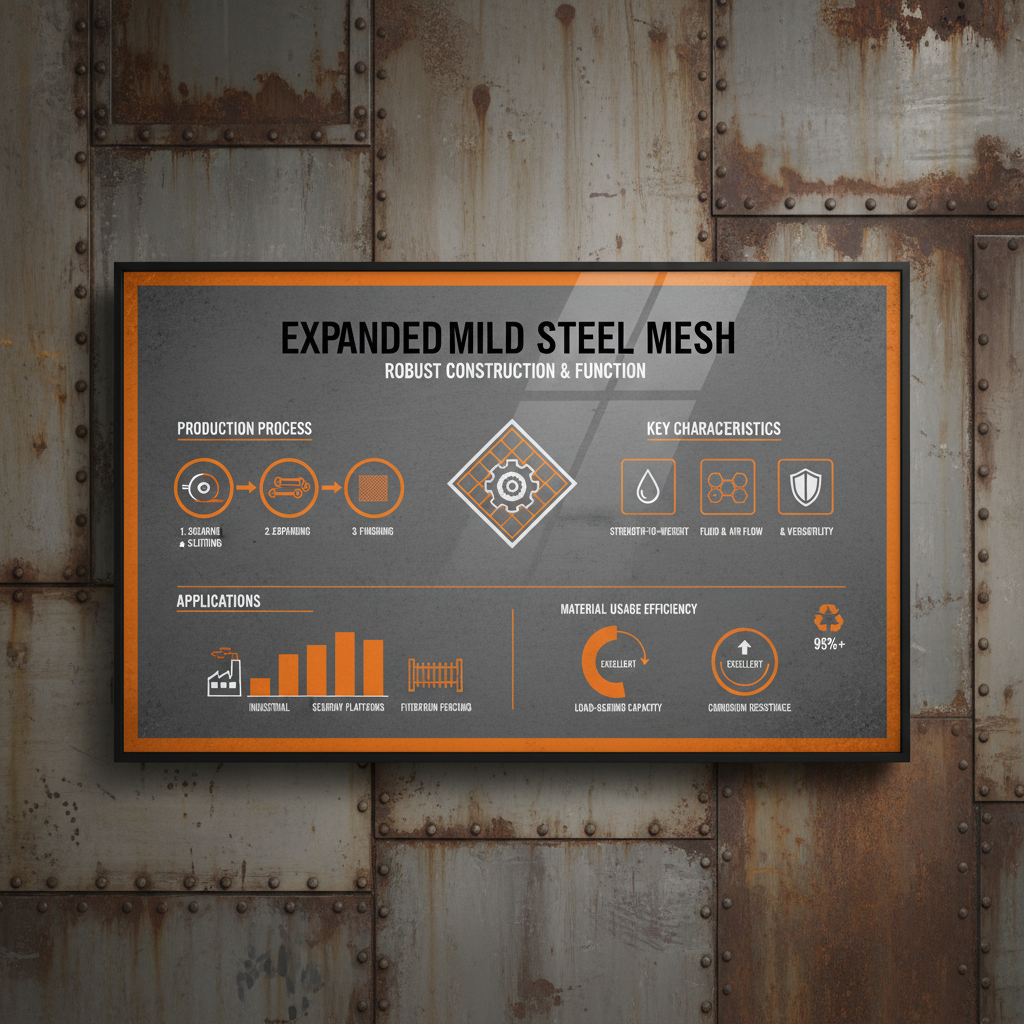
One key aspect of expanded mild steel mesh is its exceptional Durability. The material's solid construction and resistance to deformation ensure long-lasting performance even in harsh environments. It withstands heavy loads, impacts, and corrosion, reducing the need for frequent replacements.
Cost Efficiency is another significant benefit. The manufacturing process minimizes material waste, resulting in a more affordable product compared to alternatives like solid metal plates or woven wire mesh. This cost-effectiveness makes it an attractive option for large-scale projects and budget-conscious applications.
expanded mild steel mesh Performance Metrics
Applications Across Global Industries
In the construction industry, expanded mild steel mesh is extensively used for reinforcing concrete, creating non-slip surfaces, and providing safety railings. From bridges and highways to building foundations and flooring systems, its structural properties contribute to the longevity and safety of infrastructure projects.
The security sector relies heavily on expanded metal for fencing, security gates, and protective screens. Its resistance to cutting and climbing makes it an effective deterrent against unauthorized access, protecting industrial facilities, commercial properties, and residential areas. In post-disaster relief operations, rapidly deployable shelters incorporating expanded metal frameworks provide safe and secure housing for displaced populations.
Long-Term Value and Benefits
The tangible benefits of using expanded mild steel mesh are numerous. Reduced material costs, coupled with lower maintenance requirements due to its durability, translate into significant long-term savings. Its inherent strength and resistance to corrosion contribute to the overall sustainability of projects, reducing the need for frequent replacements and minimizing environmental impact.
Beyond the economic advantages, expanded mild steel mesh enhances safety and security. Its robust construction provides a reliable barrier against intrusion and hazards, creating a safer environment for workers, residents, and the public. The trust and reliability it provides make it an invaluable asset in critical applications.
Future Trends and Innovations
The future of expanded mild steel mesh lies in the integration of advanced materials and manufacturing techniques. Research and development efforts are focused on creating lighter, stronger, and more corrosion-resistant expanded metal alloys. The use of digital transformation in the manufacturing process allows for increased precision and customization, enabling the creation of specialized expanded metal products tailored to specific applications.
Sustainable manufacturing practices are also gaining prominence, with a focus on reducing waste and minimizing the environmental footprint of expanded metal production. The adoption of green energy sources and the implementation of closed-loop recycling systems will further enhance the sustainability of the industry.
Automation plays an increasingly important role in the production process, boosting efficiency and reducing labor costs. As industries embrace Industry 4.0 principles, the integration of sensors and data analytics will enable real-time monitoring and optimization of expanded metal manufacturing, leading to improved quality and performance.
FAQS
Lead times for custom orders of expanded mild steel mesh vary depending on the complexity of the specifications, the quantity required, and current production schedules. Generally, smaller orders with standard aperture sizes can be fulfilled within 2-3 weeks, while larger or highly customized projects may require 4-8 weeks. We strive to provide accurate lead time estimates during the quotation process. Contacting expanded mild steel mesh can give you more accurate information.
Expanded mild steel mesh is generally more cost-effective than woven wire mesh for similar applications, particularly when considering larger quantities. This is because the expanding process utilizes less raw material and requires less labor than weaving. However, the cost comparison can depend on the specific gauge, aperture size, and finish required. It’s best to obtain quotes for both options to determine the most economical solution.
Yes, expanded mild steel mesh can be effectively treated with galvanization or powder coating to significantly enhance its corrosion resistance. Galvanization involves applying a protective zinc coating, while powder coating provides a durable and aesthetically pleasing finish. The choice of coating depends on the environmental conditions and the desired level of protection. We offer both options to meet diverse client needs.
Expanded mild steel mesh is available in a wide range of aperture sizes, typically ranging from 1/4 inch to 2 inches. The most common sizes include 1/2 inch, 3/4 inch, 1 inch, and 1 1/2 inch. The optimal aperture size depends on the intended application and the size of objects that need to pass through or be retained by the mesh.
Yes, expanded mild steel mesh is well-suited for outdoor applications, particularly when treated with appropriate corrosion protection measures such as galvanization or powder coating. The material is robust enough to withstand exposure to rain, snow, and sunlight. However, regular inspection and maintenance are recommended to ensure long-term performance.
Handling expanded mild steel mesh requires wearing appropriate personal protective equipment (PPE), including gloves, safety glasses, and sturdy footwear, to prevent cuts and abrasions. When cutting or fabricating the mesh, use appropriate tools and techniques to avoid sharp edges. Ensure proper ventilation during welding or grinding operations. Adhere to all relevant safety regulations and guidelines during installation.
Conclusion
Expanded mild steel mesh represents a cornerstone material in modern construction, security, and industrial applications. Its unique combination of durability, cost-effectiveness, and versatility makes it an indispensable component in diverse projects worldwide. From reinforcing infrastructure to providing secure enclosures, its benefits extend far beyond its initial cost, offering long-term value and reliability.
Looking ahead, continued innovation in materials science and manufacturing processes will further enhance the performance and sustainability of expanded mild steel mesh. The adoption of green manufacturing practices and the integration of digital technologies will solidify its position as a key material for a rapidly changing world. For reliable and high-quality expanded mild steel mesh solutions, visit our website at www.ztwiremesh.com.