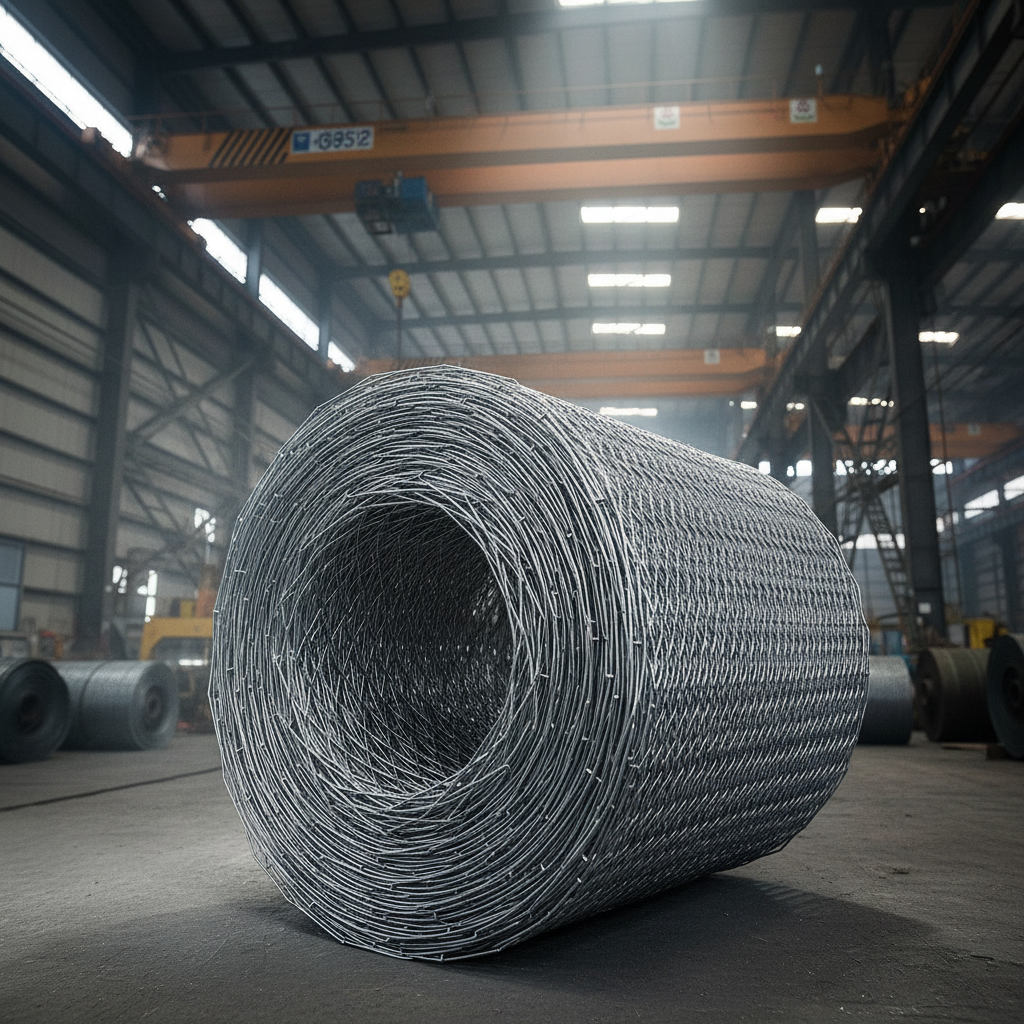
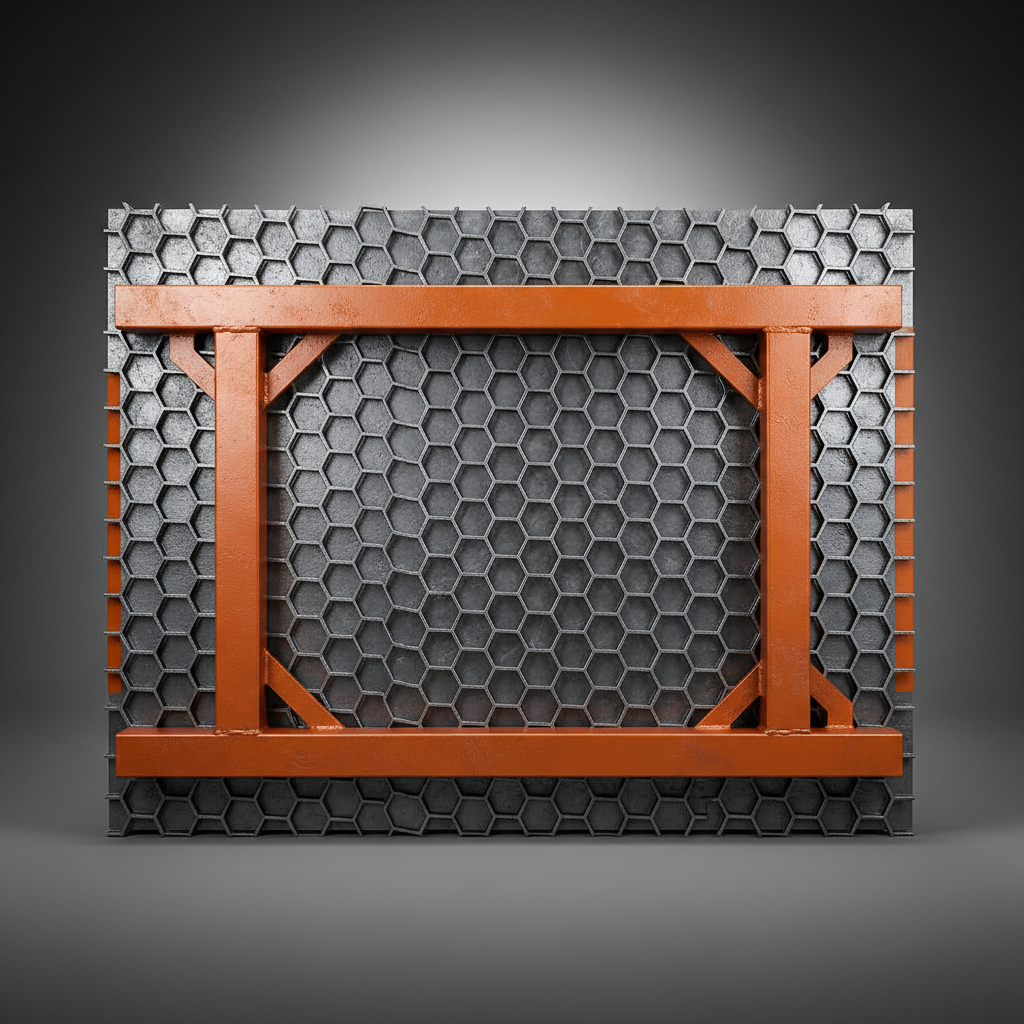
Expanded metal wire mesh is a versatile material finding increasing application across a diverse range of industries globally. From construction and security to industrial flooring and even artistic applications, its unique properties – strength, open area, and durability – make it a valuable component in countless projects. Understanding its manufacturing processes, material options, and application potential is crucial for engineers, architects, and procurement professionals seeking cost-effective and reliable solutions.
The demand for expanded metal wire mesh is driven by factors such as growing infrastructure development in emerging economies, increased safety and security concerns, and the rising need for lightweight, high-strength materials. Global markets are witnessing a shift towards sustainable and eco-friendly materials, further boosting the adoption of expanded metal, especially when manufactured from recycled materials. This demand is influencing innovation in manufacturing techniques and alloy compositions.
Effectively utilizing expanded metal wire mesh requires understanding its specific characteristics and limitations. Selecting the appropriate mesh size, material, and thickness for a given application is paramount to ensuring optimal performance and longevity. This guide provides a comprehensive overview of expanded metal, its features, applications, and future trends, offering valuable insights for professionals in related fields.
Introduction to Expanded Metal Wire Mesh
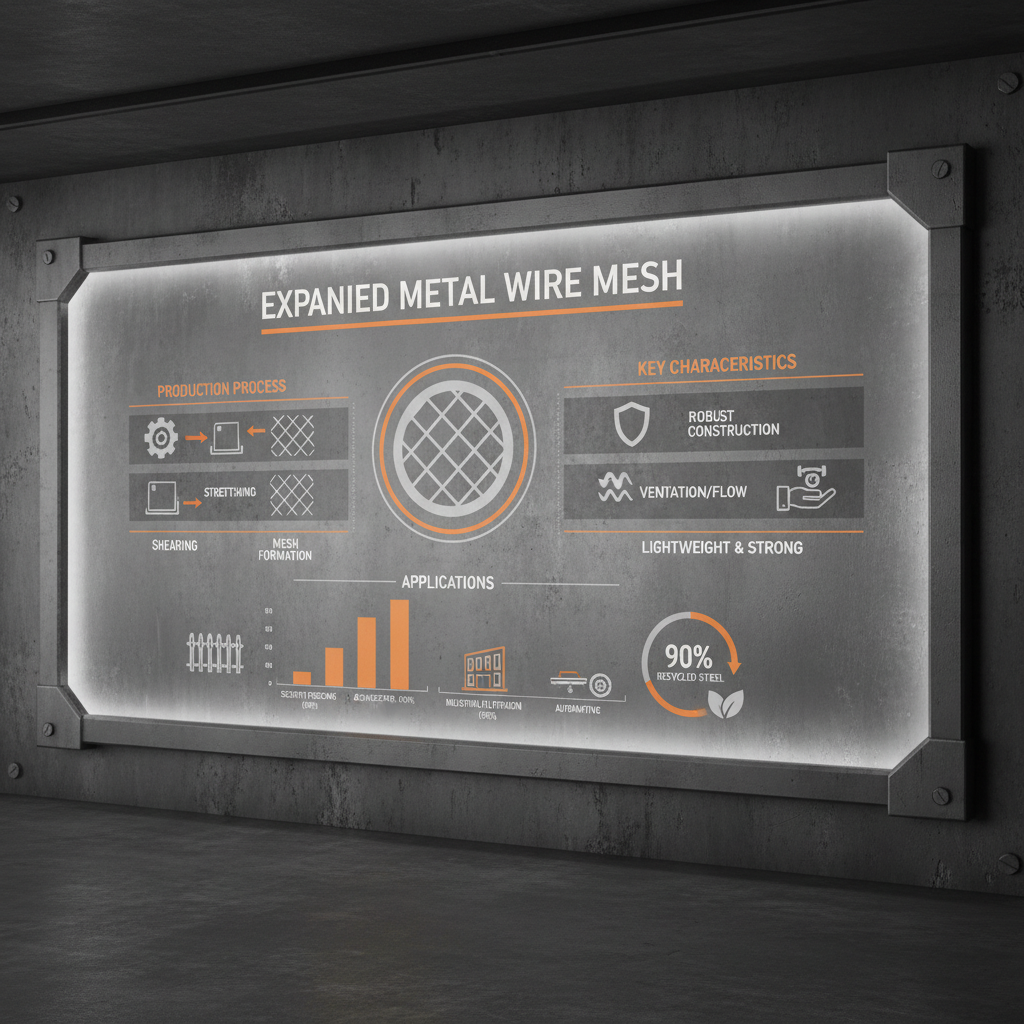
Expanded metal wire mesh distinguishes itself from woven wire mesh through its unique single-piece construction. This process, involving slitting and stretching metal sheets, creates a rigid, interconnected network of diamonds, squares, or other patterns. This design provides superior strength-to-weight ratio, making it ideal for applications where structural integrity is crucial. The absence of welding or joining points minimizes potential failure points.
The inherent properties of expanded metal contribute to its versatility. Its open area allows for excellent air and light transmission, making it suitable for ventilation, filtering, and architectural facades. Furthermore, the raised pattern provides excellent traction, which is particularly beneficial in safety grating and walkways. Choosing the correct expanded metal wire mesh for a specific job depends on understanding these foundational characteristics.
Global Relevance and Industry Context
The global expanded metal wire mesh market is estimated to be worth billions of dollars, driven by a growing demand across diverse sectors. According to a recent report by Market Research Future, the construction industry remains the largest end-user, accounting for over 40% of the total market share. This is primarily due to its use in reinforcing concrete, creating safety barriers, and as a facade material. Asia-Pacific region currently dominates the market, fueled by rapid urbanization and infrastructure development in countries like China and India.
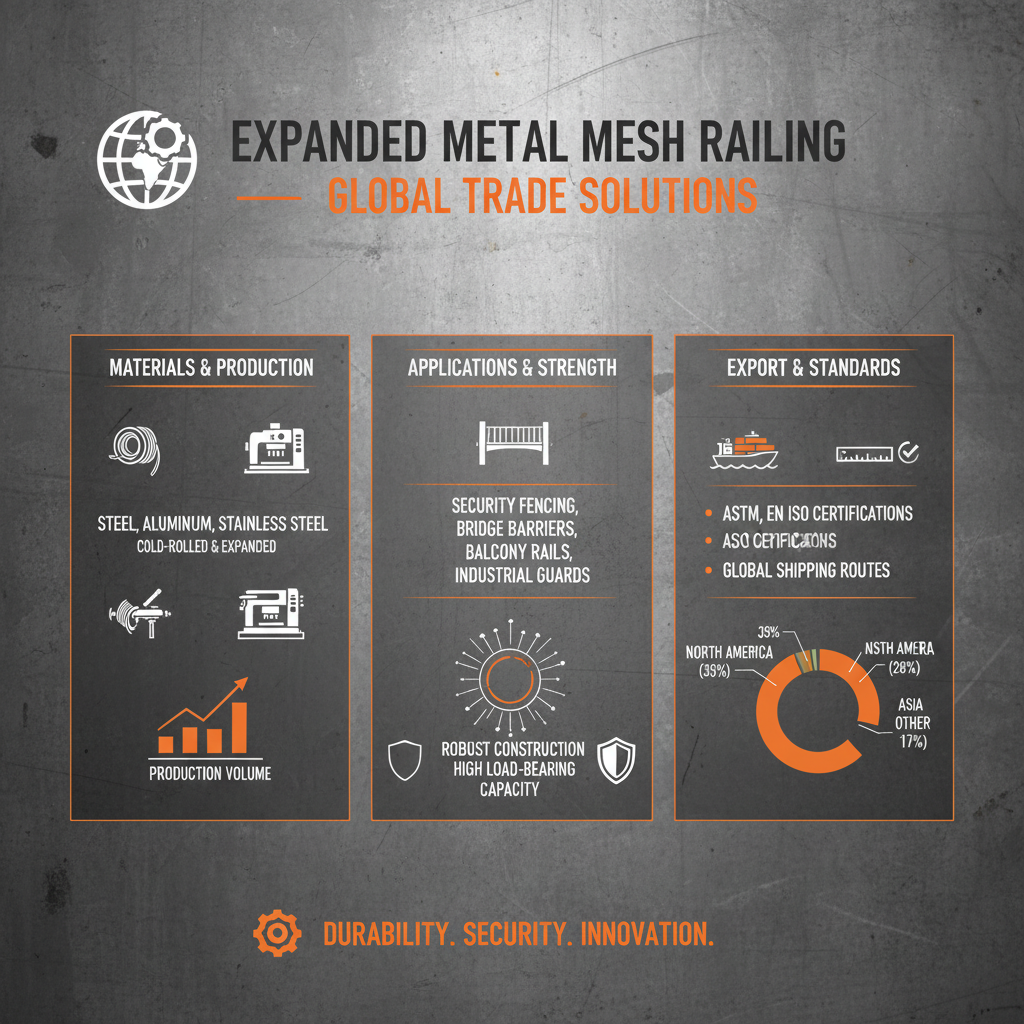
A significant challenge within the industry is the increasing cost of raw materials, particularly steel. Fluctuations in global steel prices directly impact the price of expanded metal, requiring manufacturers to explore alternative materials and optimize production processes. This includes adopting more efficient slitting and stretching techniques and exploring the use of aluminum, stainless steel, and other alloys. Furthermore, supply chain disruptions and geopolitical instability create challenges in ensuring a stable supply of raw materials.
The International Organization for Standardization (ISO) plays a vital role in setting standards for expanded metal, ensuring consistent quality and performance. Adherence to these standards, such as ISO 9001, is crucial for manufacturers seeking to compete in the global market. Furthermore, increasing emphasis on sustainability and responsible sourcing drives the demand for manufacturers who prioritize environmentally friendly practices and utilize recycled materials in their production processes.
Defining Expanded Metal Wire Mesh
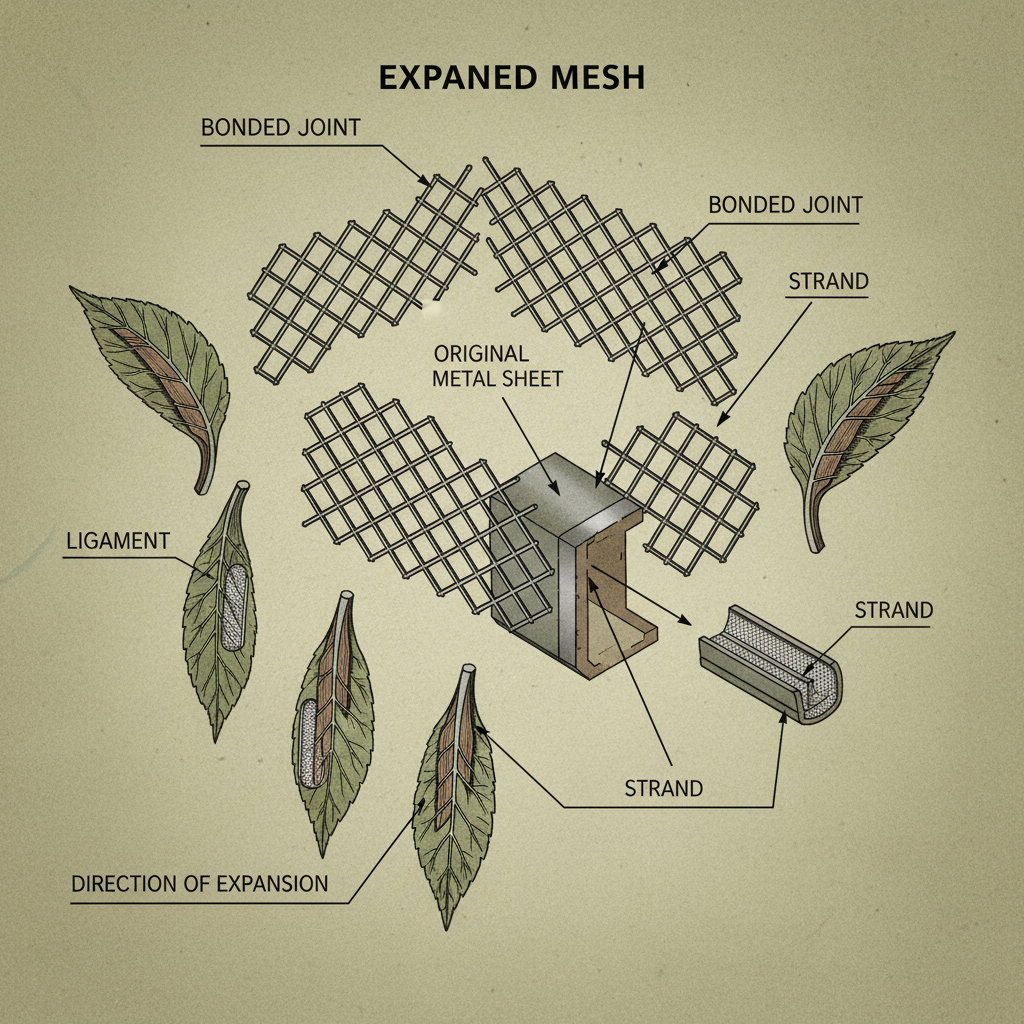
Expanded metal wire mesh is fundamentally a solid metal sheet that has been slit and stretched to create a regular pattern of openings. Unlike woven wire mesh, which is assembled from individual wires, expanded metal is created from a single piece of material, preserving the metal’s inherent strength and rigidity. The stretching process transforms the solid sheet into a mesh-like structure without removing any metal, resulting in minimal material waste.
This manufacturing process is crucial to understanding the benefits of expanded metal. The interlocked pattern provides a durable and structurally sound surface. It is directly linked to modern industry needs for robust, long-lasting components and offers solutions in various humanitarian applications. The design also lends itself to customization with various patterns, mesh sizes, and metal thicknesses.
The connection to modern industry and humanitarian needs is strong. In construction, it offers lightweight reinforcement and safety features. In disaster relief, it can be rapidly deployed for temporary shelters and secure perimeters. Its versatility makes it a valuable asset in diverse contexts, providing a cost-effective and reliable solution for a range of challenges.
Key Factors and Core Components
One of the defining characteristics of expanded metal wire mesh is its Durability. The single-piece construction and interlocking pattern create a robust structure that resists deformation and damage, ensuring a long service life even in harsh environments. This makes it a preferred choice for applications requiring high structural integrity.
Scalability is another critical factor. Expanded metal can be manufactured in a wide range of sheet sizes and thicknesses, allowing it to be customized to meet the specific requirements of diverse projects. This adaptability makes it suitable for both small-scale and large-scale applications, from architectural features to industrial flooring.
Expanded Metal Wire Mesh Performance Metrics
Global Applications & Use Cases
The applications of expanded metal wire mesh are remarkably diverse. In the construction industry, it’s used extensively for stair treads, walkways, safety grating, and facade cladding. Its non-slip surface and structural integrity make it ideal for pedestrian walkways and platforms. In post-disaster relief operations, expanded metal can be rapidly deployed as temporary flooring, shelters, and fencing, providing immediate support to affected communities.
In remote industrial zones, expanded metal serves as crucial components in machinery guarding, filtration systems, and ventilation screens. Its ability to withstand harsh conditions and provide protection against debris makes it invaluable in demanding industrial environments. The automotive industry utilizes expanded metal in radiator cores and speaker grilles, taking advantage of its lightweight and efficient airflow properties.
Advantages & Long-Term Value
The economic benefits of expanded metal wire mesh are substantial. Its cost-effectiveness stems from the minimal material waste generated during the manufacturing process and its long service life, reducing the need for frequent replacements. The inherent strength and durability of expanded metal contribute to lower maintenance costs over the long term. Furthermore, the material’s recyclability aligns with sustainability goals, reducing environmental impact.
Beyond the tangible benefits, expanded metal provides crucial safety advantages. Its non-slip surface reduces the risk of accidents in pedestrian areas, while its robust construction offers reliable protection in industrial applications. This instills trust and confidence in users and contributes to a safer working environment. Innovation in expanded metal design continues to enhance its performance and expand its applications, making it a valuable asset for diverse industries.
Future Trends & Innovations
The future of expanded metal wire mesh is linked to advancements in materials science and manufacturing technologies. Research and development efforts are focused on creating lighter, stronger, and more corrosion-resistant alloys. This includes exploring the use of high-strength low-alloy (HSLA) steels and aluminum alloys. The integration of digital technologies, such as laser cutting and automated stretching, is enhancing precision and efficiency in the manufacturing process.
Sustainability is a key driver of innovation. The increasing demand for eco-friendly materials is pushing manufacturers to prioritize the use of recycled content and develop more environmentally responsible production methods. Furthermore, the potential of expanded metal in green energy applications, such as solar panel supports and wind turbine components, is gaining increasing attention, contributing to the development of a more sustainable future.
FAQS
Expanded metal is created from a single sheet of metal that is slit and stretched, resulting in a solid, interconnected pattern. Woven wire mesh, conversely, is formed by weaving individual wires together. This key difference leads to varying properties: expanded metal is generally stronger and more rigid, while woven wire mesh offers more flexibility and drape. Expanded metal also has less material waste during production.
Carbon steel is the most commonly used material due to its cost-effectiveness and strength. However, expanded metal is also produced from stainless steel (for corrosion resistance), aluminum (for lightweight applications), and other alloys like copper and titanium for specialized uses. The choice of material depends on the specific application and environmental conditions.
The mesh size, or the size of the openings, is determined by the spacing of the slits made in the metal sheet before stretching. Smaller slit spacing results in smaller openings, and vice-versa. The choice of mesh size depends on the intended application, considering factors such as load-bearing requirements, filtration needs, and visibility.
Expanded metal can undergo various surface treatments to enhance its properties. Common treatments include galvanizing (for corrosion protection), powder coating (for aesthetics and durability), and painting. These treatments can significantly extend the lifespan of the material and improve its resistance to environmental factors.
The edges of expanded metal can be sharp, so wearing gloves and appropriate protective gear is crucial during handling and installation. When cutting expanded metal, use appropriate tools and techniques to prevent deformation or damage to the mesh pattern. Ensure proper support during installation to prevent sagging or instability.
Yes, expanded metal is highly recyclable. The metal components can be recovered and reused in new products, minimizing environmental impact. This aligns with sustainable practices and contributes to a circular economy. Recycling expanded metal also reduces the demand for virgin materials.
Conclusion
Expanded metal wire mesh stands as a testament to efficient material utilization and versatile design. Its combination of strength, durability, scalability, and cost-effectiveness makes it a valuable component in a wide range of industries, from construction and manufacturing to security and disaster relief. Understanding its properties and applications is crucial for professionals seeking innovative and reliable solutions.
Looking ahead, the future of expanded metal is bright, driven by advancements in materials science, sustainable manufacturing practices, and the increasing demand for lightweight, high-performance materials. By embracing innovation and prioritizing environmentally responsible solutions, expanded metal wire mesh will continue to play a vital role in shaping a more sustainable and resilient future. For more information and to explore our range of expanded metal products, visit our website: www.ztwiremesh.com