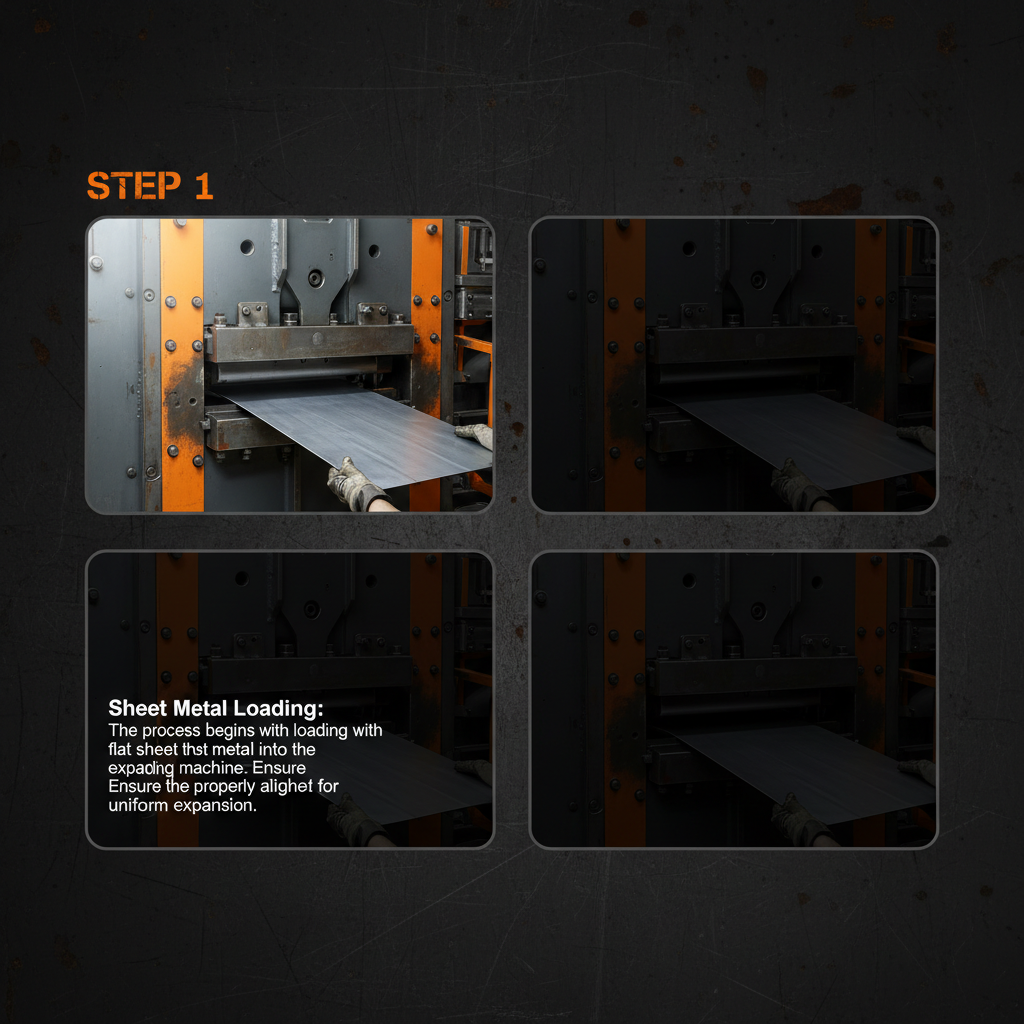
To be honest, things are moving fast these days. Everyone's talking about prefabrication, modular builds… it's all the rage. But have you noticed, a lot of these "innovations" end up being more trouble than they're worth if the details aren't right? I’ve spent the last twenty years on sites, and I've seen enough shortcuts to last a lifetime.
And it’s not just about fancy designs. It's about getting the basics solid. Like, everyone wants lightweight, strong… easy to install. Sounds simple, right? Wrong.
It always comes down to the materials. We mostly work with galvanized steel, obviously. You can tell a good batch just by the smell – a little metallic, not too oily. The cheaper stuff? It just feels…wrong. It bends too easily, the coating flakes. I once encountered a shipment at a factory in Jiangsu province, and the zinc coating was so thin, you could practically rub it off with your thumb. Had to send it all back.
The Latest Trends in Expanded Metal Mesh Suppliers
Right now, it's all about minimizing weight without sacrificing strength. People want pre-cut panels, customized shapes… which sounds great on paper, but then you get to the site and everything has to be perfectly aligned. It's a pain, honestly. Strangely, there’s been a resurgence in demand for heavier gauges too, for security applications. Seems like everyone’s worried about something these days.
And let's not forget the demand for different finishes. Powder coating is huge, but it has to be good powder coating. The stuff that chips after a month? Forget about it.
Design Pitfalls and Common Mistakes
I've seen so many designs that look amazing on the computer, but are completely unworkable in the real world. One of the biggest mistakes? Not accounting for thermal expansion. Metal moves, you know? If you don’t leave enough room, it'll buckle and warp. Another one is underestimating the load-bearing capacity. Folks want to push the limits, make things thinner and lighter, and then wonder why it sags.
And the fastening system! That’s a huge one. Too few fasteners, and it’s flimsy. Too many, and you’re spending a fortune on bolts and time. Finding that sweet spot is an art form.
And don’t even get me started on edge protection. Sharp edges will ruin a worker’s gloves in minutes. It’s a safety hazard and a productivity killer.
Material Choices: Beyond Just Steel
We stick with steel mostly, galvanized for outdoor use, stainless for corrosive environments. But aluminum is starting to show up more often, especially where weight is critical. It’s softer, obviously, but it can be a good option. You just have to use a thicker gauge.
Then you’ve got composite materials – steel expanded into aluminum, or steel with a polymer coating. They're promising, but I'm always skeptical. I need to see it hold up for a few years before I trust it. They often look great in the lab, but the real world is a messy place.
Honestly, the feel of the material is important. A good steel mesh should be solid, substantial. You should be able to pick it up and feel confident in it. If it feels flimsy, it probably is.
Real-World Testing and Performance
Forget the lab tests. I want to see it survive a construction site. We’ll drop it, step on it, bang it with a hammer. Okay, not intentionally, but things happen. If it can withstand that kind of abuse, then it's good to go.
We also test the coating. A simple scratch test with a utility knife is usually enough. If the coating scratches off easily, it’s not going to last.
Expanded Metal Mesh Suppliers Performance Metrics
How Expanded Metal Mesh is Actually Used on Site
It’s rarely used exactly as the engineers specify, to be honest. Guys will find ways to adapt it, repurpose it. I’ve seen it used as temporary walkways, to reinforce concrete forms, even as makeshift guards for machinery. They’re resourceful, these guys.
It's also used a lot for ventilation, for shading. And for security, of course. But the way it's installed often differs from the drawings. They'll improvise, add extra supports, change the fastening pattern. It's all about making it work in the field.
Advantages, Disadvantages, and Customization Options
The advantages are pretty clear: strength, durability, good ventilation, relatively lightweight. But it can be expensive, especially if you need custom shapes. And the sharp edges are always a concern.
We’ve done a lot of customization over the years. Last month, that small boss in Shenzhen who makes smart home devices insisted on changing the interface to . Sounded crazy at first, but he wanted a flush mount with a specific aesthetic. It was a nightmare to fabricate, took a lot of trial and error, but we got it done. He ended up being really happy with it, which is all that matters.
Anyway, I think the biggest disadvantage is the lack of flexibility. Once it’s fabricated, it’s hard to change.
A Customer Story and Lessons Learned
We were working on a big stadium project a few years back, and the architect wanted a very specific pattern of expanded metal for the facade. It looked great on the renderings, but it was incredibly complex to manufacture.
The supplier initially quoted a ridiculous price and a six-month lead time. We pushed back, negotiated, and eventually found a different supplier who could deliver it at a reasonable price. But even then, there were issues with the quality control. We had to reject several shipments because the dimensions were off.
The lesson? Don't trust anything until you see it on site. And always have a backup plan.
Key Characteristics of Expanded Metal Mesh Supplier Selection
| Supplier Reputation |
Material Quality |
Lead Time & Delivery |
Customization Capabilities |
| Years in Business |
Galvanization Thickness (microns) |
Typical Production Cycle |
Ability to Produce Complex Patterns |
| Client Testimonials |
Tensile Strength (MPa) |
On-Time Delivery Rate (%) |
Minimum Order Quantity |
| Industry Certifications (ISO 9001) |
Corrosion Resistance (Salt Spray Test Hours) |
Response Time to Inquiries |
CAD File Compatibility |
| Financial Stability |
Weight Tolerance (+/- %) |
Shipping Options Available |
Material Thickness Range (mm) |
| Geographic Coverage |
Surface Finish Options |
Payment Terms |
Tolerance for hole size |
| Customer Service Responsiveness |
Elongation at Break (%) |
Warranty Period |
Sample availability |
FAQS
Regular cleaning is key, especially in coastal areas. You can apply a clear sealant, but it needs to be reapplied periodically. Proper storage is also important – keep it dry and out of direct sunlight. Honestly, a good quality galvanization is the first line of defense, but even that will eventually degrade.
It depends on what you're trying to achieve. If you need to support a heavy load, you'll need a smaller mesh size with thicker material. If you're looking for ventilation, a larger mesh size is better. It's a balancing act. I always recommend over-engineering it slightly, just to be safe.
It varies wildly. Galvanized steel will last 10-20 years, depending on the environment. Stainless steel will last much longer, but it's also much more expensive. The biggest factors are exposure to salt, humidity, and pollution.
Yes, absolutely. Steel is one of the most recycled materials in the world. It's a good, sustainable choice. Just make sure you remove any coatings or fasteners before recycling it.
Wear gloves, safety glasses, and a dust mask. The edges are sharp, and you don't want to get cut. Also, be careful when handling large sheets, as they can be heavy and awkward to maneuver.
Ask for certifications, visit their factory if possible, and request samples for testing. Don't be afraid to ask tough questions. A reputable supplier will be happy to provide you with all the information you need. And trust your gut - if something feels off, it probably is.
Conclusion
Ultimately, expanded metal mesh is a surprisingly versatile material. It's strong, durable, and relatively affordable. But it’s not a magic bullet. Success depends on choosing the right material, designing it properly, and paying attention to the details.
And in the end, whether this thing works or not, the worker will know the moment he tightens the screw. You can have all the fancy calculations and simulations in the world, but if it doesn’t feel right in the field, it's not going to last. That’s just how it is. Visit our website at ztwiremesh.com to learn more.