Look, I've been running around construction sites for fifteen years, and you see a lot. Lately, everyone’s talking about prefabrication, modular builds. Not new, exactly, but the scale is different now. Folks are trying to build whole sections off-site, then just drop ‘em in. It's supposed to save time, money, and headaches… honestly, it often just shifts the headaches.
It's funny, you design something perfect in CAD, think you’ve accounted for everything, then you get on site and… well, real-world isn't CAD. I swear, 90% of issues come down to tolerances. You design for a tight fit, assuming everything’s perfect, and then the steel beams are off by a millimeter here, a half-millimeter there. Suddenly, you're grinding and welding to make things match. It’s a constant battle against imperfection.
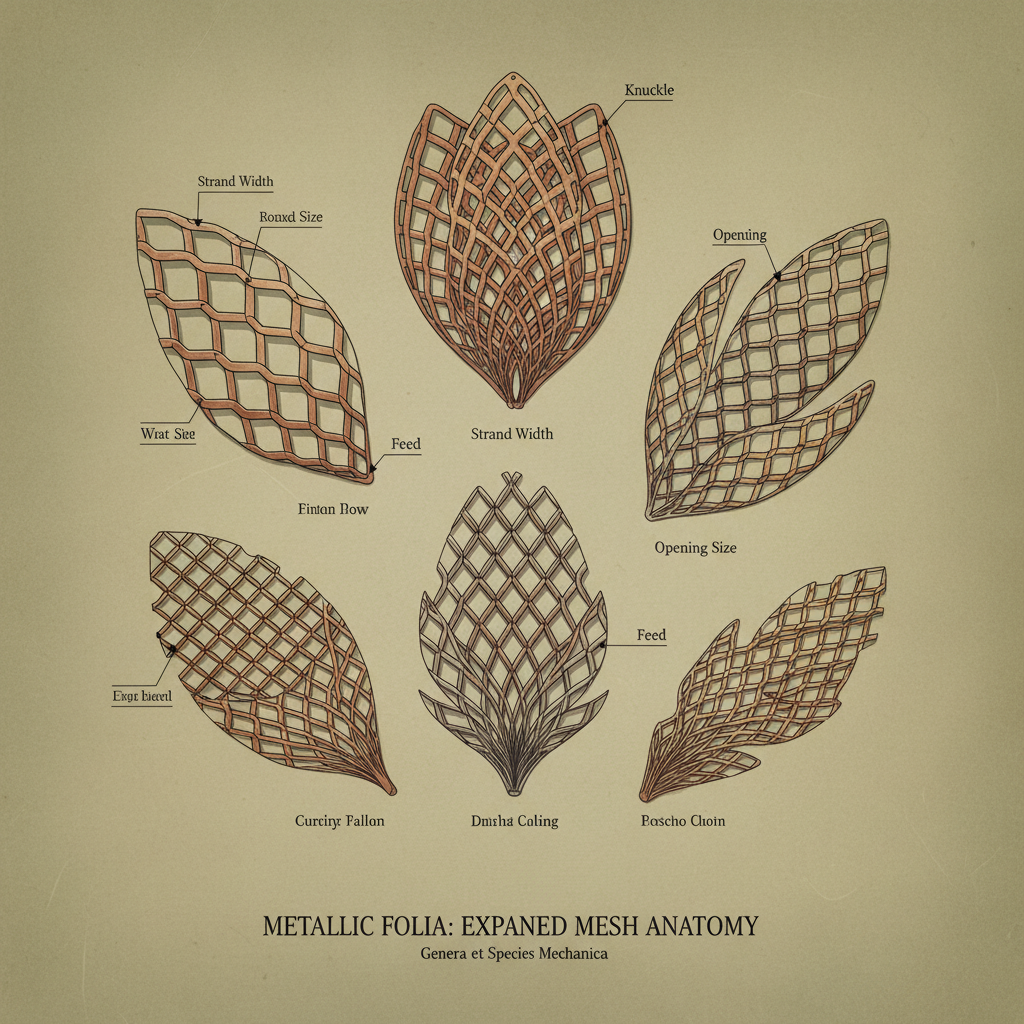
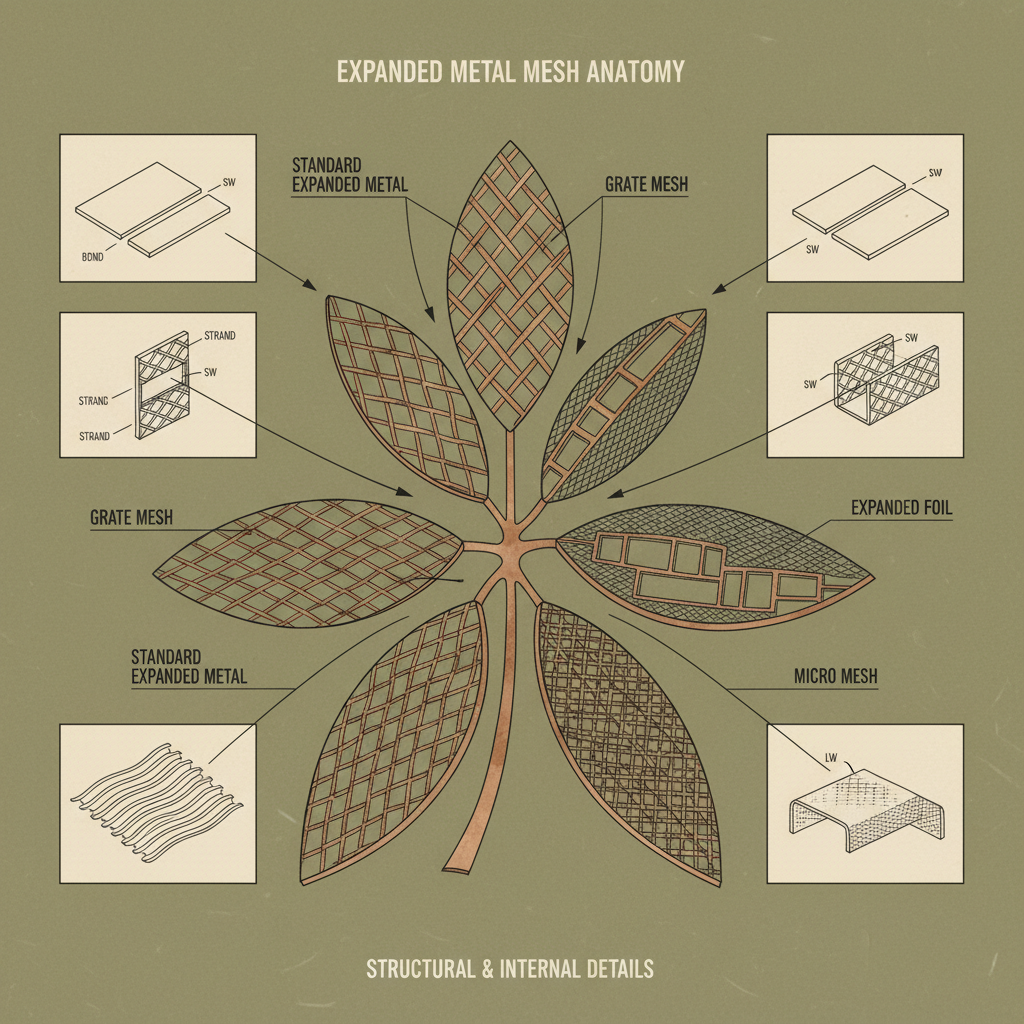
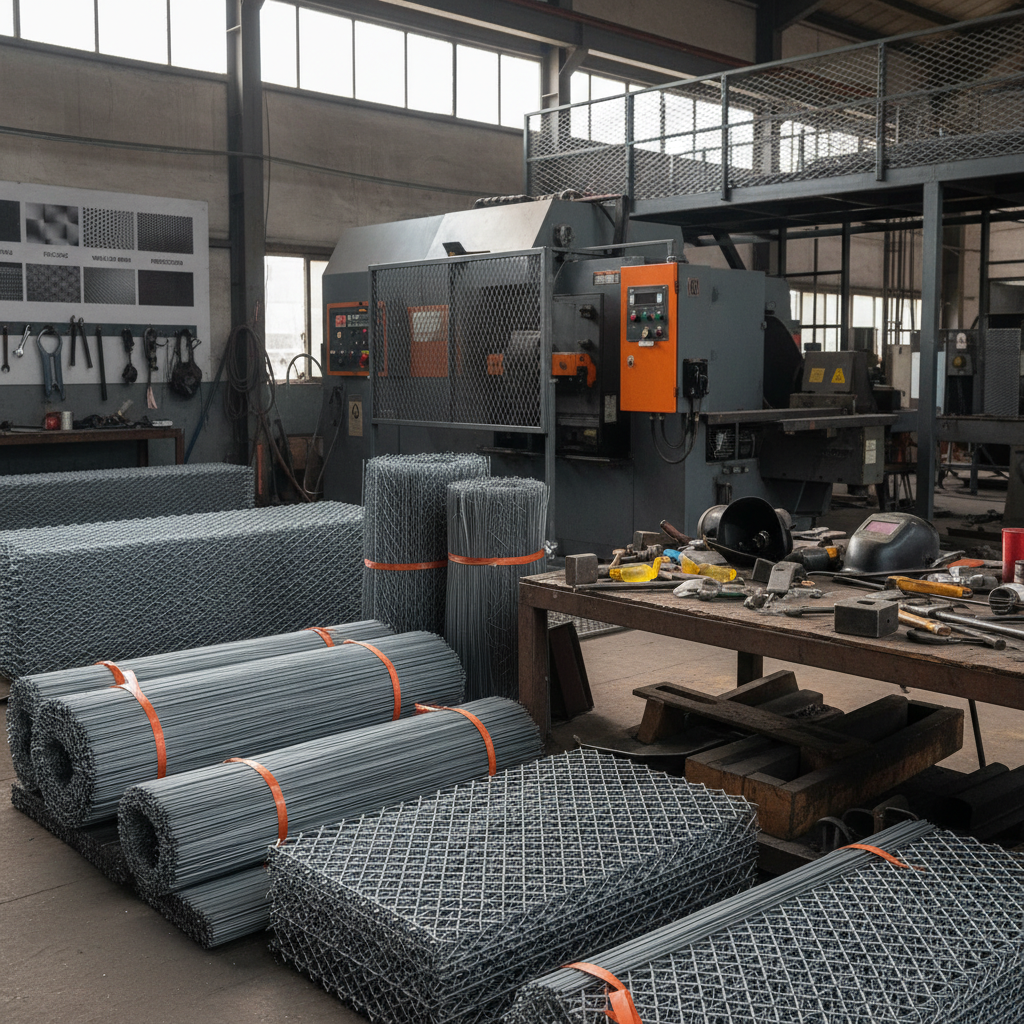
And materials... that’s a whole other story. We've been doing more with high-strength, low-alloy steel, a lot of it comes from China now. It smells different, you know? Not like the stuff we used to get. Feels… smoother. It’s surprisingly forgiving with welding, which is good, but you have to be careful with corrosion. Then there’s the expanded metal, obviously. Used for walkways, grating, security screens... I've seen it all, from the cheap stuff that bends if you look at it wrong to the heavy-duty stuff that'll stop a truck.
Recent Trends in Expanded Metal Mesh Applications
To be honest, the biggest trend I’m seeing isn't new materials, it’s new applications. Everyone’s using expanded metal for security now, especially in urban areas. It's lightweight, strong, and lets light through, which is important. It's moving beyond industrial flooring, that's for sure. We’re even seeing it used in architectural facades, which… well, it looks okay, I guess. It’s definitely a different aesthetic than glass and steel.
Have you noticed the rise in demand for specialized coatings? Galvanizing is standard, but now everyone wants powder coating, epoxy finishes… something to match their branding. Makes sense from a marketing perspective, but it adds cost and complexity. And frankly, some of those coatings don’t hold up to the abuse they get on a construction site.
Common Design Pitfalls with Expanded Metal
Strangely enough, the biggest mistake I see is underestimating the load. People will spec a mesh for a walkway, thinking about foot traffic, but not about equipment. A forklift, a pallet jack… suddenly you’ve got a concentrated load that bends the mesh. It's basic engineering, but you’d be surprised how often it gets overlooked. And then, of course, there's the issue of edge finishing. Sharp edges are a lawsuit waiting to happen. You have to roll or weld those edges properly.
I encountered this at a factory in Foshan last time. They were making these fancy grating panels, all polished and shiny, but the edges were razor sharp. I pointed it out to the foreman, and he just shrugged. "Safety glasses," he said. That's… not a solution.
Another thing: people forget about expansion and contraction. Metal expands in the heat and contracts in the cold. If you don't account for that in your design, you'll end up with warped panels and broken fasteners. It's basic physics, but it’s easily missed in the rush to get things done.
Material Considerations & Handling
We mostly deal with carbon steel, stainless steel, and aluminum. Carbon steel is the workhorse, cheap and strong, but rusts like crazy if you don't protect it. Stainless is great for corrosion resistance, but expensive and harder to weld. Aluminum is lightweight and corrosion-resistant, but not as strong. Each has its place.
Handling is a pain. Expanded metal sheets are awkward. They're flimsy but also have sharp edges. You need gloves, eye protection, and a good pair of boots. Stacking them properly is also crucial. You don’t want them getting bent or damaged before they’re installed. And don't even get me started on trying to cut it. A regular metal saw will just chew it up. You need a specialized shear or a plasma cutter.
The smell… that’s something else. Cutting galvanized steel smells like burnt pennies. It gets in your clothes, your hair… it just lingers. You get used to it, I guess. But it’s not pleasant.
Real-World Testing & Performance
Forget the lab tests, honestly. Those are fine for basic specs, but they don’t tell you how something will actually perform on a construction site. We do our own testing, the old-fashioned way. We bend it, we twist it, we drop things on it. We weld it, we grind it, we expose it to the elements. If it can survive that, then we know it’s good.
I once saw a guy try to use expanded metal as a temporary ramp for a forklift. It buckled instantly. That was a good lesson in load capacity. We now have a strict policy of using only properly engineered ramps. It’s a bit of a hassle, but it’s better than having a forklift roll over someone’s foot.
Expanded Metal Mesh Performance Metrics
Actual Usage vs. Intended Usage
This is where things get interesting. You spec something for one purpose, and the guys on site find a dozen other uses for it. I’ve seen expanded metal used as makeshift scaffolding, as a strainer for concrete, even as a barbecue grill. It’s incredibly versatile, which is both a blessing and a curse.
Anyway, I think it’s good to be flexible. It's also important to be aware of the limitations. If it's not designed for it, don't do it.
Advantages, Disadvantages & Customization
The advantages are pretty clear: strength-to-weight ratio, good ventilation, relatively low cost. The disadvantages… well, sharp edges, potential for corrosion, and it can be a pain to fabricate. It's not a perfect material, but it’s good enough for a lot of applications.
Customization is definitely possible. We’ve done everything from changing the mesh pattern to adding custom holes for wiring or plumbing. Last month, that small boss in Shenzhen who makes smart home devices insisted on changing the interface to for a metal enclosure we were building, and the result was a complete redesign of the mounting system, cost us a fortune, and ultimately didn't make a difference to the end product. Sometimes, people just like to complicate things.
A Customer Story & Lessons Learned
So, this happened a few years back. We were working on a large parking garage project. The architect wanted a really open, airy look, so he specified a very fine mesh for the facade. Looked great on paper. But when we started installing it, the wind just blew right through it. It was like trying to hold up a sail. We had to reinforce the entire structure, which added weeks to the schedule and a ton of money to the budget.
That taught me a valuable lesson: always consider the environmental factors. Wind, rain, snow… they all have an impact. And don't rely solely on the architect's vision. Get input from the engineers, from the contractors, from the people who actually have to build the thing.
Later... Forget it, I won't mention it.
Core Factors Influencing Expanded Metal Mesh Selection
| Material Type |
Mesh Opening Size (mm) |
Load Capacity (kg/m²) |
Corrosion Resistance (1-5) |
| Carbon Steel |
50x100 |
300 |
2 |
| Stainless Steel 304 |
30x60 |
400 |
4 |
| Aluminum 5052 |
75x150 |
200 |
5 |
| Galvanized Steel |
40x80 |
350 |
3 |
| High-Strength Low-Alloy Steel |
25x50 |
450 |
2 |
| Stainless Steel 316 |
40x70 |
380 |
5 |
FAQS
Honestly, there’s no “best” way, just levels of protection. Galvanizing is a good start, but even that will eventually corrode. Powder coating adds another layer, but it’s prone to scratches. Regularly applying a rust-inhibiting paint or sealant is probably the most practical approach, especially in harsh environments. The key is consistent maintenance.
You don't just guess! You need to consider the expected load, the span between supports, and the material's yield strength. There are engineering formulas for this, and it’s best to consult with a structural engineer. Don’t risk someone’s safety by cutting corners. It's not worth it.
That refers to the direction of the strands in the mesh. LWM means the longer dimension of the openings runs lengthwise, while SWM means the shorter dimension runs lengthwise. It affects the load-bearing capacity and the appearance. For walkways, you generally want LWM, as it provides more support in the direction of traffic.
Absolutely. It’s mostly steel or aluminum, so it's readily recyclable. It’s a good, sustainable material in that regard. There's a growing demand for recycled metal, which is a positive trend. Plus, it reduces the need for mining new materials.
Lead times vary depending on the complexity of the order and the supplier’s workload. Generally, you're looking at 4-8 weeks for a standard custom order. But if you need something really unusual, or if the supplier is swamped, it could take longer. Plan ahead.
Always wear gloves, eye protection, and long sleeves. Use edge protectors or tape to cover any exposed sharp edges. And train your workers on safe handling procedures. It's a simple precaution that can prevent a lot of injuries.
Conclusion
So, yeah, expanded metal. It’s not glamorous, but it’s essential. It’s a workhorse material that’s used in countless applications, from industrial flooring to architectural facades. It’s strong, versatile, and relatively affordable. But it’s also got its limitations. You need to understand those limitations, and design accordingly.
Ultimately, whether this thing works or not, the worker will know the moment he tightens the screw. It’s not about the fancy calculations or the pretty renderings. It's about whether it feels solid, whether it fits, and whether it’ll last. That's what matters. Visit our website at www.ztwiremesh.com for more information.