0%

Table of Contents

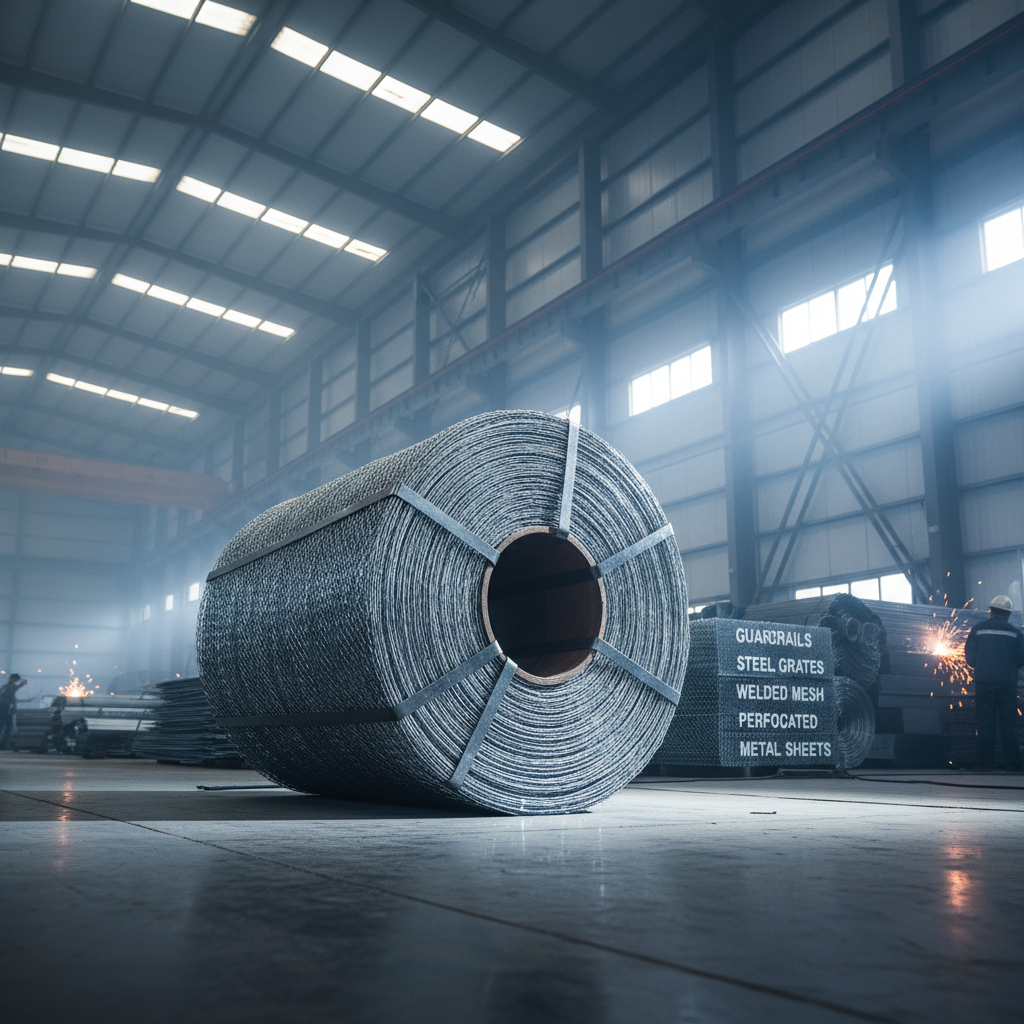
Expanded metal mesh screen is a versatile material finding increasing applications globally, driven by its unique combination of strength, lightweight nature, and cost-effectiveness. Its production involves slitting and stretching metal sheet, creating a rigid, one-piece structure with diamond-shaped openings. This process avoids welding, minimizing weak points and maximizing durability, making it a crucial component across numerous industries and increasingly, in rapid deployment solutions for humanitarian aid.

The global demand for expanded metal mesh screen is fueled by growing infrastructure projects, construction activities, and the need for security solutions. According to market research reports, the expanded metal market is projected to reach significant growth in the coming years, driven by its adaptability in various applications like flooring, fencing, and architectural facades. This growth is particularly noticeable in developing economies undergoing rapid urbanization.

Understanding the properties and applications of expanded metal mesh screen is paramount for engineers, architects, and disaster relief organizations alike. Its ability to provide robust yet breathable structures makes it ideal for temporary housing, filtration systems, and protective barriers, addressing critical needs in both developed and developing regions. The material offers a unique solution to challenges relating to safety, functionality and economic viability.
Exploring the Versatility and Growth of Expanded Metal Mesh Screen Applications

Introduction to expanded metal mesh screen

Exploring the Versatility and Growth of Expanded Metal Mesh Screen Applications

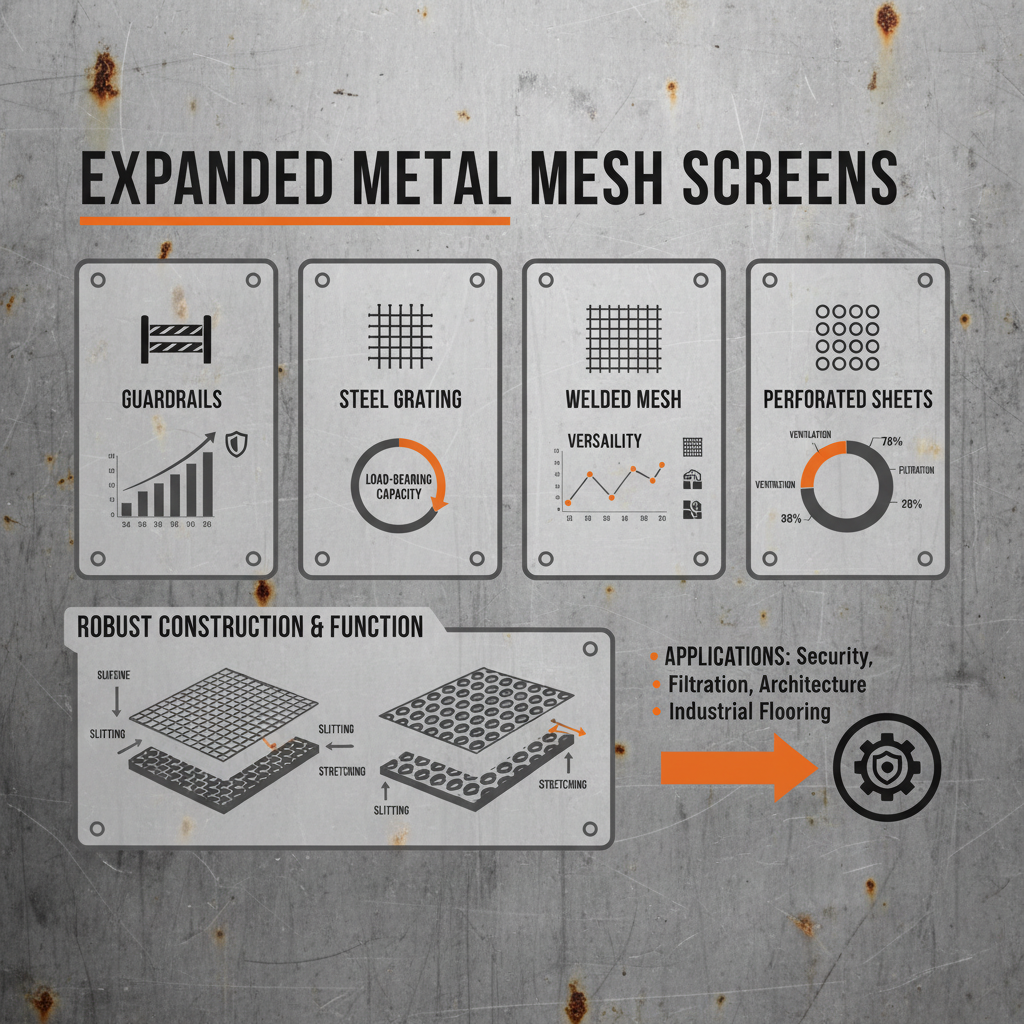
The core principle behind expanded metal mesh screen lies in its manufacturing process, transforming a solid metal sheet into a mesh-like structure without creating any material wastage. This is achieved by simultaneously slitting and stretching the metal, resulting in a consistent pattern of diamond-shaped openings. This method preserves a significant amount of the original metal’s strength, making expanded metal an extremely robust and durable material. expanded metal mesh screen are frequently used in construction and industrial projects.

The applications of this material span a broad spectrum, from architectural designs and security fencing to industrial flooring and filtration systems. Its unique properties – including its non-slip surface, permeability to light and air, and ease of fabrication – make it a valuable asset in a wide range of engineering and construction projects globally. The versatility and cost-effectiveness of expanded metal mesh screen continues to expand its usage.

Defining expanded metal mesh screen

Expanded metal mesh screen is fundamentally a one-piece metal sheet that has been slit and stretched to form a mesh pattern. Unlike woven wire mesh, which is assembled from individual wires, expanded metal retains the original metal’s integrity, creating a robust and interconnected structure. This difference is crucial in applications demanding high strength and structural stability.

Its connection to modern industry lies in its ability to provide lightweight yet strong materials for various applications, reducing material costs and simplifying construction processes. This inherent efficiency has positioned expanded metal as a go-to solution in sectors like construction, transportation, and even renewable energy. It’s also gaining recognition in humanitarian contexts.

Moreover, the production of expanded metal mesh screen is remarkably versatile, accommodating a wide range of metal types—including steel, aluminum, stainless steel, and more—and thicknesses, allowing for customization to meet specific project requirements. This adaptability is a key factor in its wide adoption across diverse industries and its ongoing relevance in addressing contemporary challenges.

Core Characteristics of expanded metal mesh screen

The most defining characteristic of expanded metal mesh screen is its strength-to-weight ratio. The stretching process work-hardens the metal, increasing its tensile strength without significantly adding weight. This makes it ideal for applications where structural integrity and lightweight construction are both crucial, like in aircraft flooring or vehicle radiator grilles.

Another key feature is its open area. The diamond-shaped openings allow for excellent airflow, light transmission, and drainage. This property makes it particularly useful in ventilation systems, sunshades, and filters. The open area percentage can be adjusted during the manufacturing process to suit specific application needs, increasing its versatility.

Furthermore, expanded metal mesh screen offers a non-slip surface, making it an excellent choice for walkways, stair treads, and platforms. This inherent safety feature reduces the risk of accidents in industrial and public spaces. The consistent, flat surface also allows for easy cleaning and maintenance, reducing long-term operational costs.

Key Factors Influencing expanded metal mesh screen Performance

The metal type significantly impacts the performance of expanded metal mesh screen. For example, stainless steel offers superior corrosion resistance, making it ideal for marine environments and chemical processing plants. Conversely, carbon steel is a more cost-effective option for general-purpose applications where corrosion isn't a primary concern.

The sheet thickness and expansion ratio (the ratio of the opening size to the original sheet thickness) are also critical factors. A thicker sheet provides greater strength, while a larger expansion ratio increases the open area, influencing both the structural integrity and the permeability of the mesh.

Performance Comparison of expanded metal mesh screen Manufacturing Methods


Global Applications of expanded metal mesh screen

The construction industry is a major consumer of expanded metal mesh screen, utilizing it for flooring, stair treads, walkways, and decorative facades. In regions experiencing rapid urbanization, like Southeast Asia and Latin America, its lightweight and durable properties make it an ideal material for infrastructure development.

In post-disaster relief operations, expanded metal mesh screen plays a crucial role in creating temporary shelters and filtration systems for providing clean water. Its ease of transport and rapid deployment capabilities are invaluable in emergency situations. Organizations often turn to expanded metal mesh screen for these critical applications.

Advantages and Long-Term Value of expanded metal mesh screen

The cost-effectiveness of expanded metal mesh screen is a significant advantage. As it’s manufactured from a single sheet of metal without welding or assembly, material wastage is minimized, leading to lower production costs. This makes it a competitive solution compared to other materials requiring more complex manufacturing processes.

From a sustainability perspective, expanded metal is a highly recyclable material, contributing to a circular economy and reducing environmental impact. Its long lifespan and low maintenance requirements further enhance its sustainable profile, minimizing the need for frequent replacements and associated resource consumption. This material embodies both durability and responsibility.

Future Trends in expanded metal mesh screen Technology

Ongoing research focuses on developing expanded metal mesh screen with enhanced corrosion resistance and improved strength-to-weight ratios through the use of advanced alloys and innovative manufacturing techniques. These advancements will expand its applicability in demanding environments, such as offshore structures and aerospace components.

The integration of expanded metal into smart structures is another emerging trend. Embedding sensors and actuators within the mesh structure can enable real-time monitoring of stress, strain, and environmental conditions, enhancing structural integrity and predictive maintenance capabilities. This potential is being explored in areas like bridge infrastructure and building monitoring systems.

Furthermore, the adoption of automated manufacturing processes and digital design tools is streamlining production, reducing lead times, and enabling greater customization. These advancements will position expanded metal mesh screen as an even more versatile and efficient material for a wider range of applications in the future.

FAQS

What are the primary advantages of using expanded metal mesh screen over traditional woven wire mesh?

Expanded metal mesh screen offers several advantages over woven wire mesh. Primarily, it boasts a greater strength-to-weight ratio due to its one-piece construction. This eliminates weak points inherent in welded or woven connections. It also provides a more rigid and stable structure, is less prone to unraveling, and generally has a longer lifespan. The open area can also be more precisely controlled during manufacturing, optimizing airflow or filtration efficiency.

How does the metal type affect the performance and cost of expanded metal mesh screen?

The metal type significantly impacts both performance and cost. Carbon steel is the most cost-effective option for general purposes but offers limited corrosion resistance. Stainless steel provides excellent corrosion resistance but comes at a higher price point. Aluminum is lightweight and corrosion-resistant, suitable for applications where weight is a critical factor. Other alloys, such as titanium, offer exceptional strength and corrosion resistance but are considerably more expensive. The choice depends on the specific application requirements and budget constraints.

What are the typical applications of expanded metal mesh screen in the construction industry?

Expanded metal mesh screen is widely used in construction for a variety of applications. These include flooring and stair treads for improved safety and non-slip surfaces, walkways and platforms, facade cladding for architectural aesthetics and sun shading, security fencing and gates, and reinforcing mesh for concrete structures. Its durability and low maintenance make it a long-lasting and cost-effective solution for building projects.

Is expanded metal mesh screen suitable for outdoor use in corrosive environments?

Yes, expanded metal mesh screen can be suitable for outdoor use in corrosive environments, provided the appropriate metal type is selected. Stainless steel alloys, particularly grades 304 and 316, offer excellent resistance to corrosion from saltwater, chemicals, and atmospheric exposure. Galvanized steel can also provide some corrosion protection, but its lifespan is limited compared to stainless steel. Proper surface treatment and maintenance are also crucial for maximizing longevity.

What factors determine the cost of custom-made expanded metal mesh screen?

Several factors influence the cost of custom expanded metal mesh screen. These include the metal type, sheet thickness, expansion ratio (opening size), sheet size, quantity ordered, and any required finishing treatments (e.g., galvanizing, powder coating). Custom shapes, patterns, or edge treatments will also add to the overall cost. Obtaining quotes from multiple suppliers is recommended to compare pricing and lead times.

How does the manufacturing process of expanded metal mesh screen contribute to its sustainability?

The manufacturing process of expanded metal mesh screen is relatively sustainable because it generates minimal material waste. Unlike cutting or stamping processes, it utilizes the entire metal sheet, eliminating scrap. Furthermore, the metal itself is typically highly recyclable, contributing to a circular economy. Its durability and long lifespan also reduce the need for frequent replacements, conserving resources over the long term.

Conclusion

Expanded metal mesh screen represents a remarkably versatile and cost-effective material solution with a wide range of applications across numerous industries. Its inherent strength, durability, open area characteristics, and sustainability advantages position it as a vital component in construction, infrastructure, disaster relief, and beyond. Understanding its properties and potential allows for innovative and efficient designs that address contemporary challenges.

Looking ahead, continued advancements in materials science and manufacturing techniques will further enhance the performance and applicability of expanded metal mesh screen. Its integration into smart structures and sustainable building practices promises to unlock even greater value and contribute to a more resilient and environmentally responsible future. For reliable and high-quality expanded metal mesh screen solutions, visit our website: www.ztwiremesh.com.
Robert Miller

Robert Miller

Robert Miller serves as the North American Sales Manager for Zhongtai Expanded Metal Mesh Co. With over 15 years of experience in the metal fabrication industry, Robert specializes in understanding and fulfilling the unique needs of clients in the fuel, chemical, and construction sectors. He’s passionate about expanding Zhongtai’s presence
Previous Premium Expanded Metal Mesh
Next Understanding Expanded Metal Mesh Thickness for Optimal Performance and Applications

Subscribe now!

Stay up to date with the latest on Fry Steeland industry news.

SIGN UP