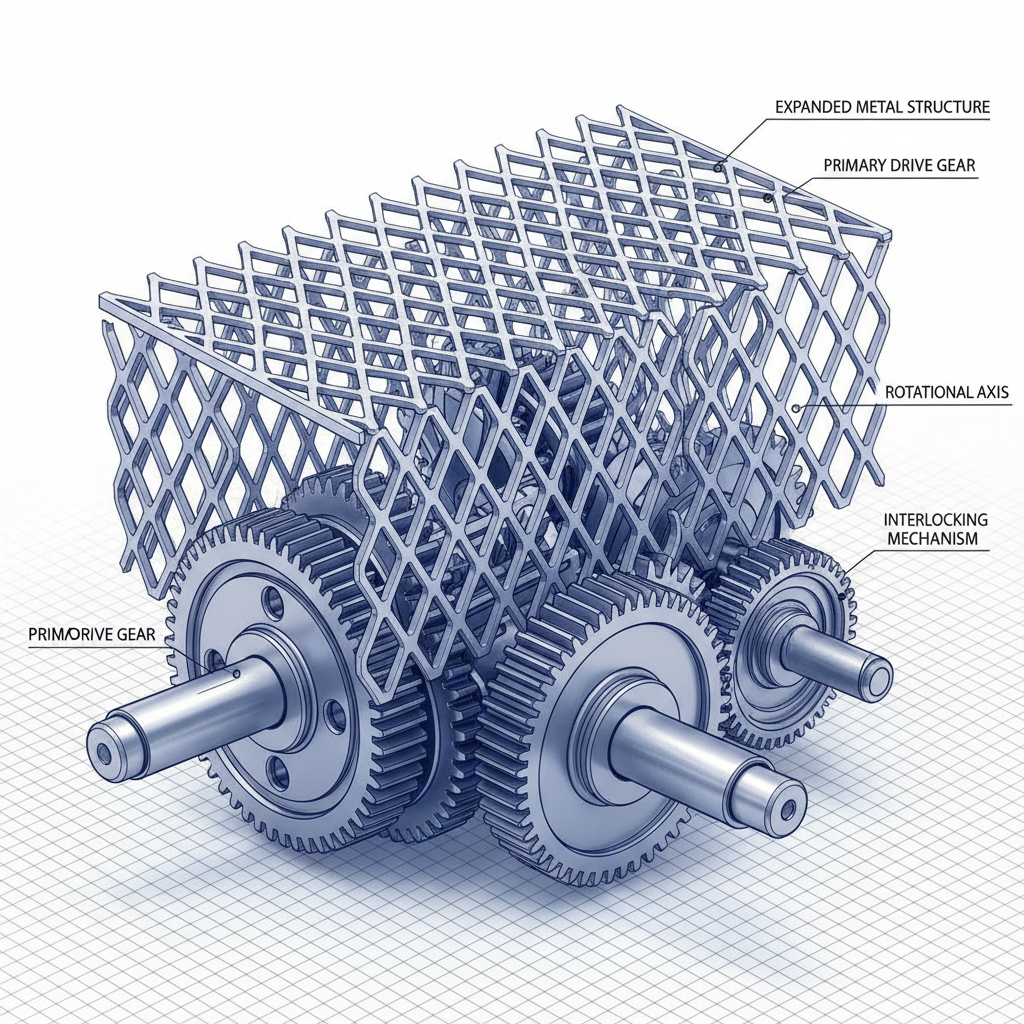
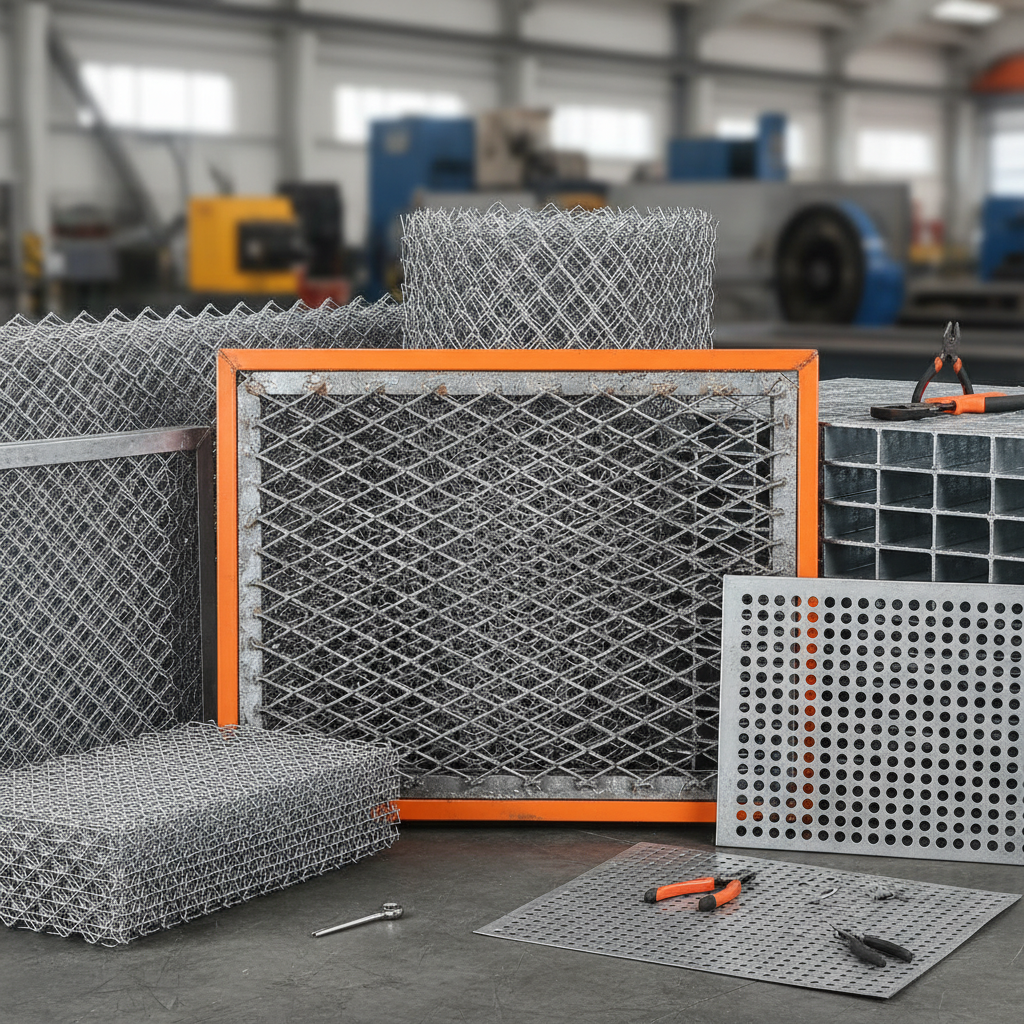
Metal mesh expanded, a versatile and robust material, is increasingly vital in modern infrastructure, construction, and a surprising array of other applications. From creating secure enclosures to providing structural support and filtration systems, its unique properties address a growing need for durable, adaptable, and cost-effective solutions globally. Understanding its characteristics and potential is crucial for engineers, architects, and anyone involved in building a more resilient future.
The global demand for metal mesh expanded is driven by factors like rapid urbanization, increasing infrastructure investment, and the need for sustainable materials. Reports from the World Bank indicate significant investment in infrastructure projects in developing nations, where expanded metal mesh offers a practical solution for fencing, security, and building components. Furthermore, the ISO standards for material quality and safety are increasingly stringent, fueling the demand for reliable and certified products like expanded metal mesh.
This demand isn't limited to construction. Applications in agriculture, transportation, and even artistic installations highlight the versatility of this material. Addressing challenges like resource scarcity and the need for long-lasting, low-maintenance solutions, metal mesh expanded provides a compelling answer for a wide range of industries.
Introduction to metal mesh expanded
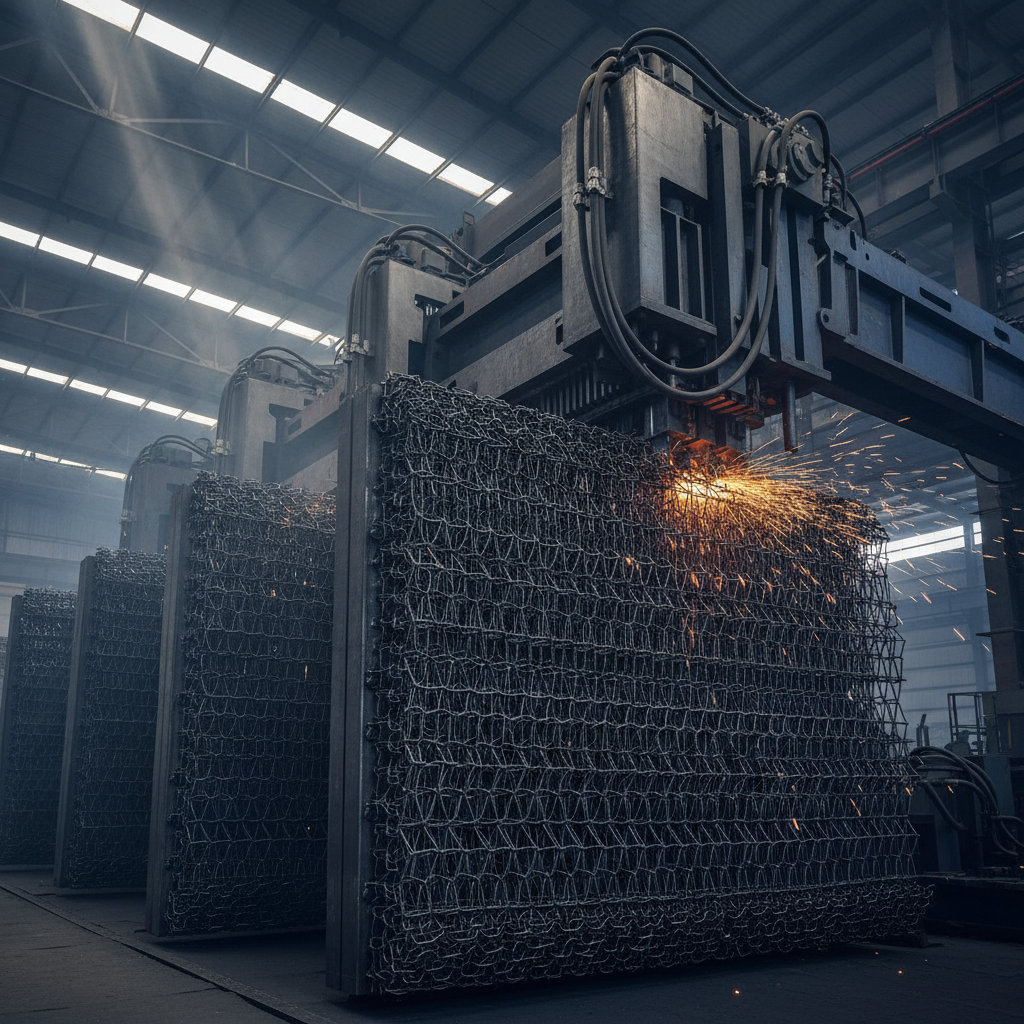
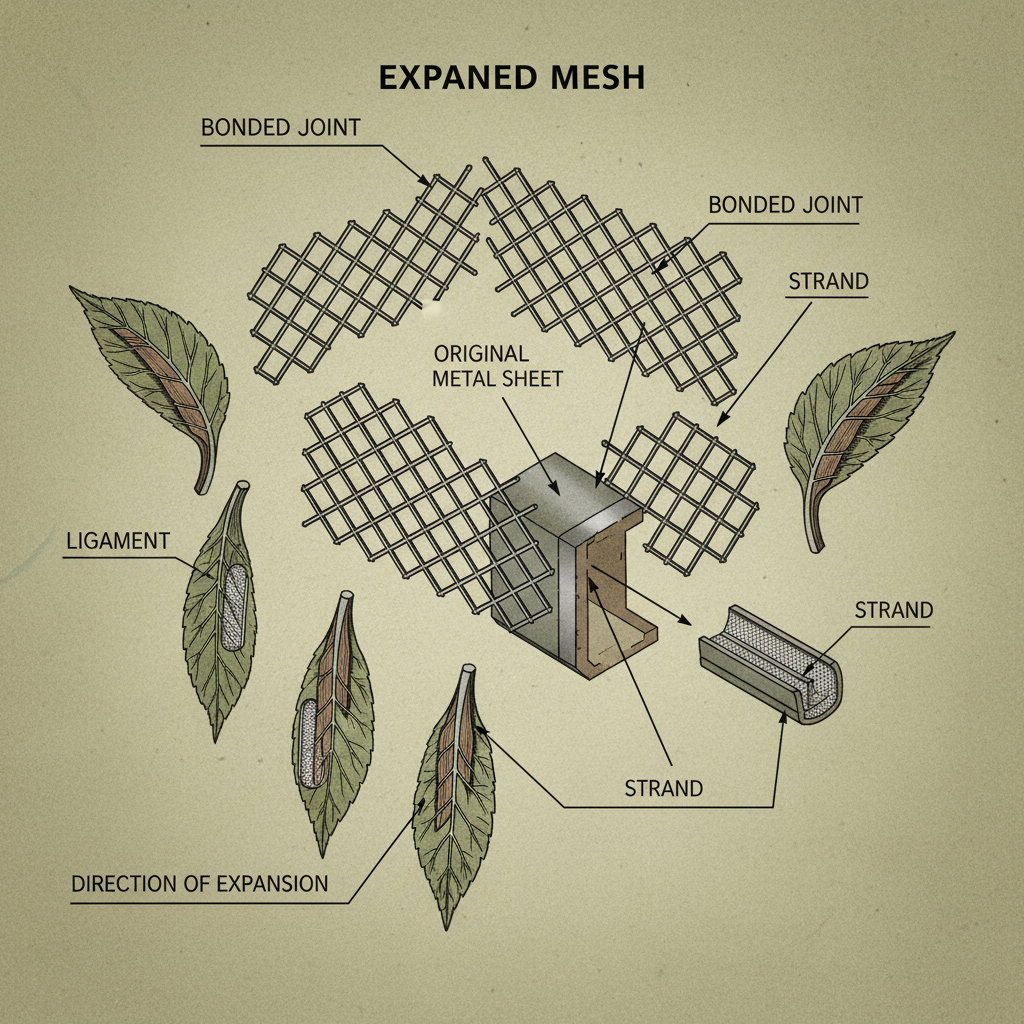
Metal mesh expanded is created by slitting and stretching sheet metal, resulting in a rigid mesh with diamond-shaped openings. This process maintains the metal’s original strength while providing a lightweight, durable material with excellent ventilation and visibility. Its inherent strength-to-weight ratio is a key factor in its growing popularity across diverse sectors.
This manufacturing method ensures that no welds are required, eliminating potential weak points and enhancing the overall structural integrity. This makes it particularly suitable for applications requiring high security, safety, or resilience, addressing critical needs in both modern industry and humanitarian endeavors. metal mesh expanded is truly a foundational material for many modern applications.
Defining Metal Mesh Expanded
Metal mesh expanded, also known as expanded metal, isn’t simply a woven wire product. It’s created through a unique forming process. Sheet metal is slit and then mechanically stretched, creating an interconnected mesh of diamond, hexagonal, or other patterned openings. The metal itself isn’t lost during this process, meaning the full structural integrity of the original sheet is largely preserved.
This distinguishes it from woven wire mesh, where individual wires are interlaced. The single-piece construction of expanded metal contributes to its exceptional strength and rigidity. This characteristic is especially crucial in applications demanding high load-bearing capacity or resistance to deformation.
Its connection to modern industry stems from its ability to provide a robust, yet lightweight, material solution. In humanitarian contexts, it's used in rapid deployment shelters and water filtration systems, providing immediate relief and long-term sustainability where traditional materials might be impractical or unavailable.
Core Characteristics of metal mesh expanded
Durability is arguably the most significant characteristic of metal mesh expanded. The single-piece construction eliminates weak points, offering superior resistance to impact, wear, and tear compared to welded or woven alternatives. This is particularly important in demanding environments where longevity and reliability are paramount.
Versatility defines its ability to be fabricated into various shapes and sizes, adapting to diverse application requirements. It can be cut, bent, welded, or powder-coated without significantly compromising its structural integrity. This adaptability makes it suitable for everything from architectural cladding to industrial safety grating.
Cost-effectiveness is another key attribute. While the initial material cost might be comparable to other metals, the efficiency of the expanding process and the reduction in material waste contribute to overall cost savings. Furthermore, its durability reduces the need for frequent replacements, resulting in long-term economic benefits.
Practical Applications and Benefits
Metal mesh expanded offers exceptional traction and slip resistance, making it ideal for stair treads, walkways, and platforms in industrial settings. This dramatically enhances workplace safety and minimizes the risk of accidents. Its open grid design also allows for the passage of liquids and debris, reducing maintenance requirements.
In security applications, it provides robust barriers while maintaining visibility, enabling surveillance and deterring unauthorized access. The inherent strength of the metal makes it difficult to cut or penetrate, offering a high level of protection for perimeter fencing, gates, and enclosures.
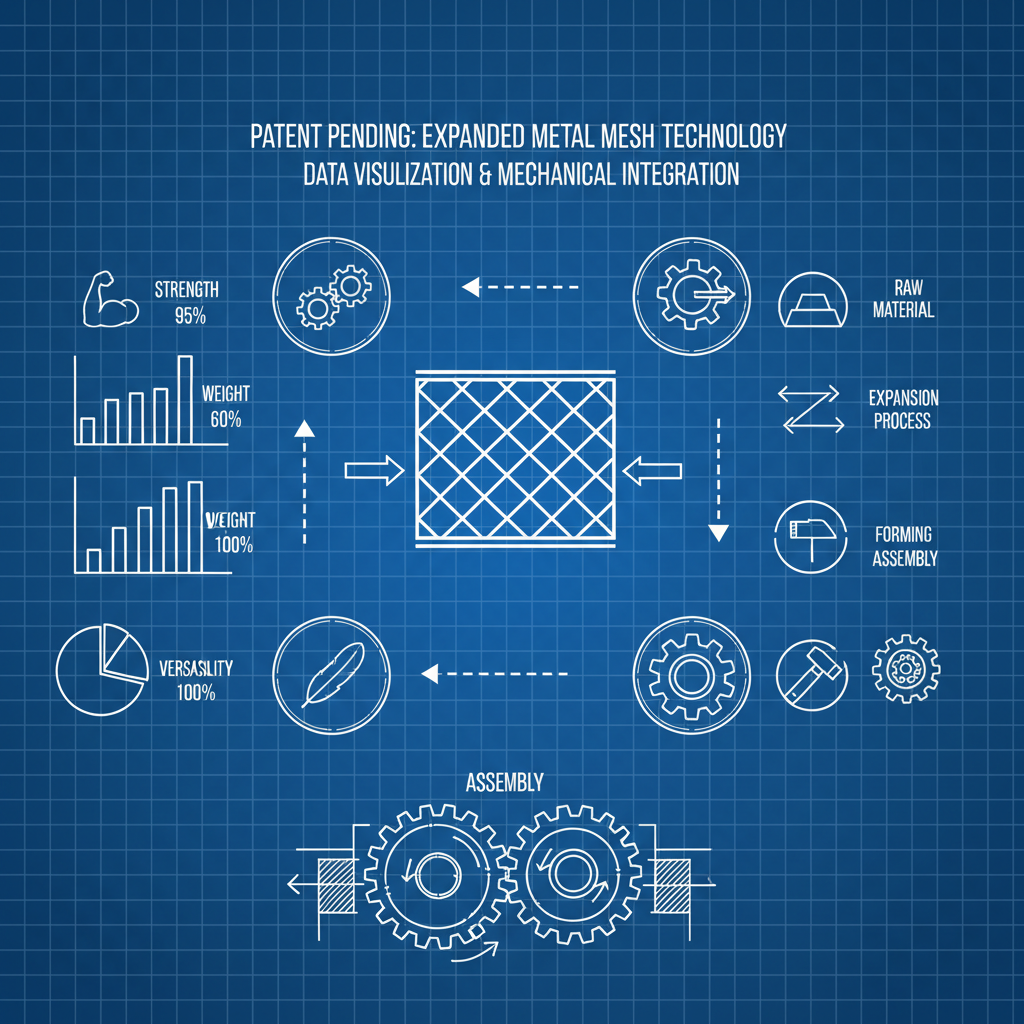
Metal Mesh Expanded Performance Metrics
Global Use Cases of metal mesh expanded
In post-disaster relief operations, metal mesh expanded is rapidly deployed as temporary shelters, fencing for refugee camps, and components for water purification systems, providing crucial support to affected communities. Its lightweight nature and ease of transport are vital in emergency scenarios.
Across the agricultural sector, it's employed in poultry cages, livestock enclosures, and fruit tree protection, ensuring animal welfare and safeguarding crops from damage. Its durability and resistance to corrosion make it a sustainable choice for long-term agricultural infrastructure.
Long-Term Value and Sustainability
The longevity of metal mesh expanded translates directly into cost savings. Reduced maintenance and replacement requirements minimize lifecycle costs, making it a financially sound investment for various applications. This is particularly important for large-scale infrastructure projects where long-term performance is critical.
From a sustainability standpoint, the manufacturing process generates minimal waste, and the material itself is often recyclable at the end of its lifespan. Choosing expanded metal contributes to a circular economy and reduces environmental impact.
Beyond economic and environmental benefits, the safety and security provided by metal mesh expanded contribute to social well-being and peace of mind. Robust fencing, secure platforms, and reliable barriers enhance community safety and protect valuable assets.
Future Trends in metal mesh expanded
Innovations in surface treatments, such as anti-corrosion coatings and powder coatings, are extending the lifespan and expanding the applications of metal mesh expanded. These advancements are particularly relevant in harsh environments, such as marine or industrial settings.
The integration of metal mesh expanded with smart technologies, like sensors and monitoring systems, is opening up new possibilities for real-time performance analysis and predictive maintenance. This enhances safety and efficiency, enabling proactive management of infrastructure.
Growing demand for sustainable materials is driving research into using recycled metals in the manufacturing process, further reducing the environmental footprint of metal mesh expanded and aligning with global sustainability goals. metal mesh expanded is positioned to play a vital role in a greener future.
Summary of Challenges and Solutions in Metal Mesh Expanded Applications
| Challenge |
Material Costs |
Installation Complexity |
Long-Term Maintenance |
| Corrosion in Harsh Environments |
High Initial Investment |
Requires Specialized Tools |
Periodic Coating Renewal |
| Limited Aesthetic Appeal |
Fluctuating Metal Prices |
Need for Skilled Labor |
Potential for Damage from Impact |
| Difficulty in Cutting Precise Shapes |
Transportation Costs |
Securing to Existing Structures |
Repairing Damaged Sections |
| Vulnerability to Deformation |
Raw Material Sourcing |
Ensuring Proper Alignment |
Checking for Structural Integrity |
| Limited Color Options |
Import Duties and Taxes |
Adapting to Irregular Surfaces |
Preventing Rust and Corrosion |
| Potential for Sharp Edges |
Competition from Alternatives |
Meeting Safety Regulations |
Addressing Wear and Tear |
FAQS
Expanded metal mesh offers superior strength-to-weight ratio and eliminates the potential weak points found in welded or woven wire. Because it's created from a single piece of metal, there are no joints to fail, making it more durable and resilient. It also provides better traction and visibility than many woven alternatives, making it ideal for safety applications.
The expanding process is incredibly efficient, generating minimal material waste. Unlike some manufacturing methods, nearly all of the original metal sheet is utilized, reducing resource consumption. Furthermore, expanded metal is often recyclable at the end of its lifespan, aligning with circular economy principles and promoting sustainable material management.
Common coatings include galvanization, which provides corrosion resistance, and powder coating, offering both protection and aesthetic customization. Epoxy coatings are also used for chemical resistance, while specialized coatings can be applied to improve UV protection or provide specific functional properties. The choice of coating depends on the application environment.
Yes, expanded metal mesh is frequently used outdoors. However, it’s crucial to select appropriate materials and coatings based on the environmental conditions. Factors to consider include exposure to salt spray, UV radiation, extreme temperatures, and potential for abrasion. Galvanization and powder coating significantly enhance its resistance to weathering.
Expanded metal mesh can be cut using various tools, including shears, plasma cutters, and saws. However, it’s important to use appropriate safety precautions and cutting techniques to avoid distorting the mesh pattern or creating sharp edges. Precise modifications may require specialized tools and skilled labor.
Expanded metal mesh is used extensively in construction for safety grating, stair treads, walkway surfaces, facade cladding, and security fencing. It also serves as reinforcement in concrete structures and as a filter for ventilation systems. Its strength, durability, and open grid design make it a versatile material for numerous building applications.
Conclusion
Metal mesh expanded stands out as a remarkably versatile and resilient material, offering a compelling solution to a wide range of challenges across diverse industries. Its unique manufacturing process, coupled with inherent strength, durability, and cost-effectiveness, positions it as a valuable asset in modern construction, infrastructure development, and humanitarian applications. Understanding its core characteristics and potential applications is crucial for professionals seeking innovative and sustainable material solutions.
Looking ahead, advancements in surface treatments, smart technologies, and sustainable manufacturing practices will further expand the possibilities for metal mesh expanded. Embracing these innovations will unlock new opportunities to leverage its benefits and contribute to a more resilient, efficient, and sustainable future. To explore the full potential of metal mesh expanded for your next project, visit our website: www.ztwiremesh.com.