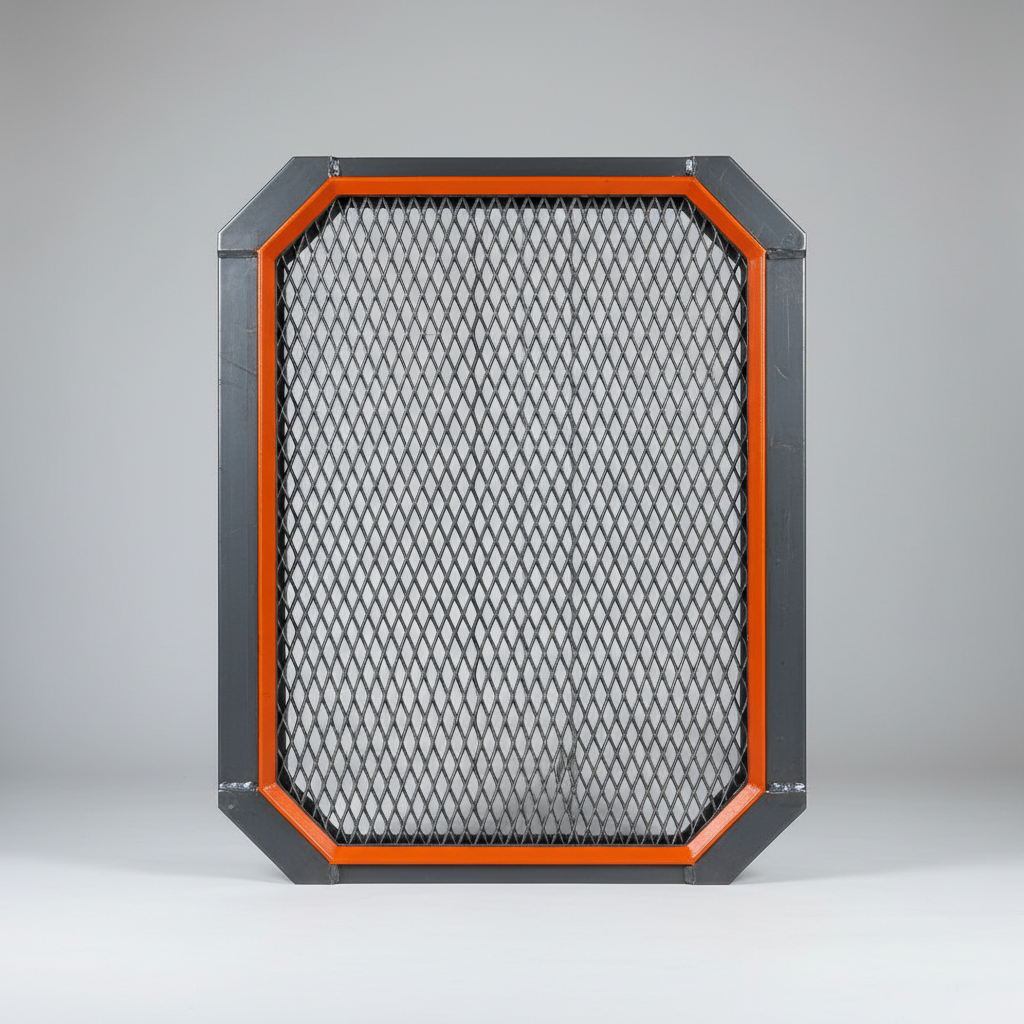
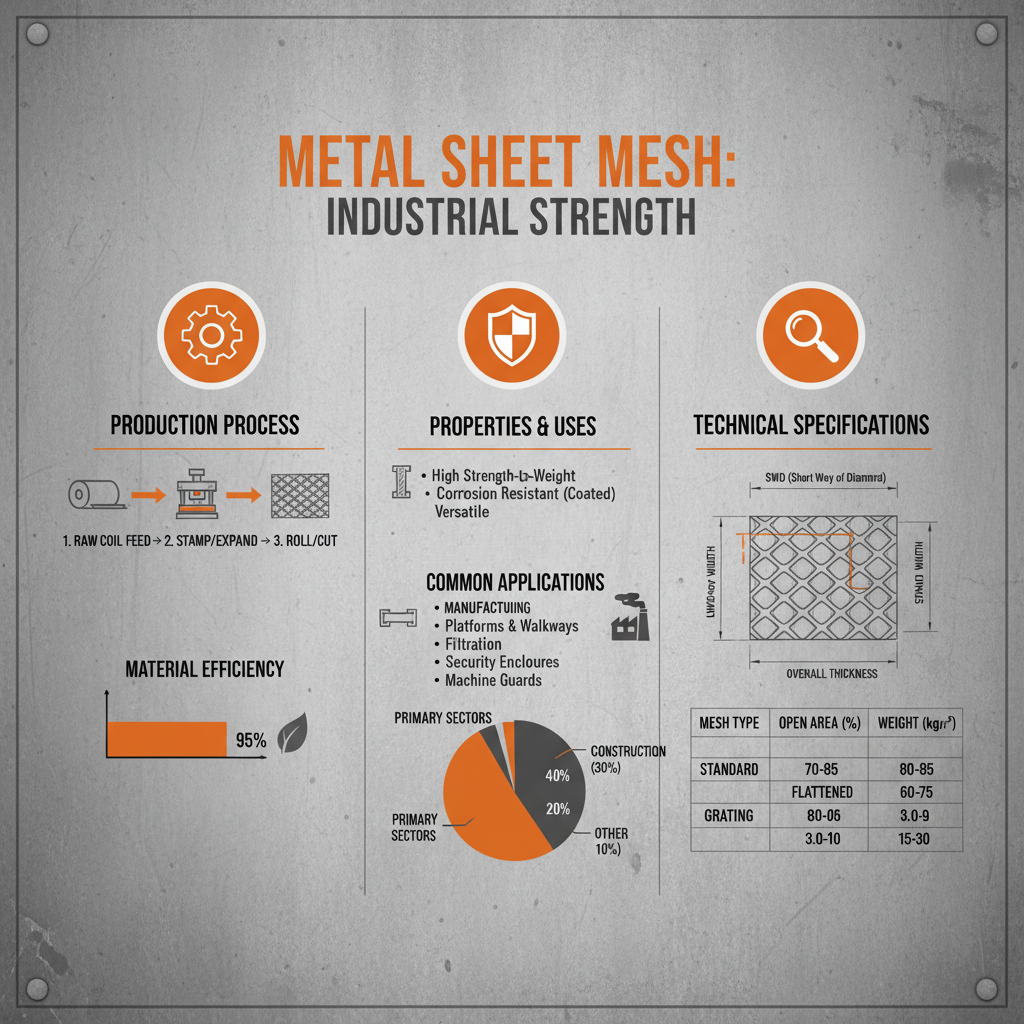
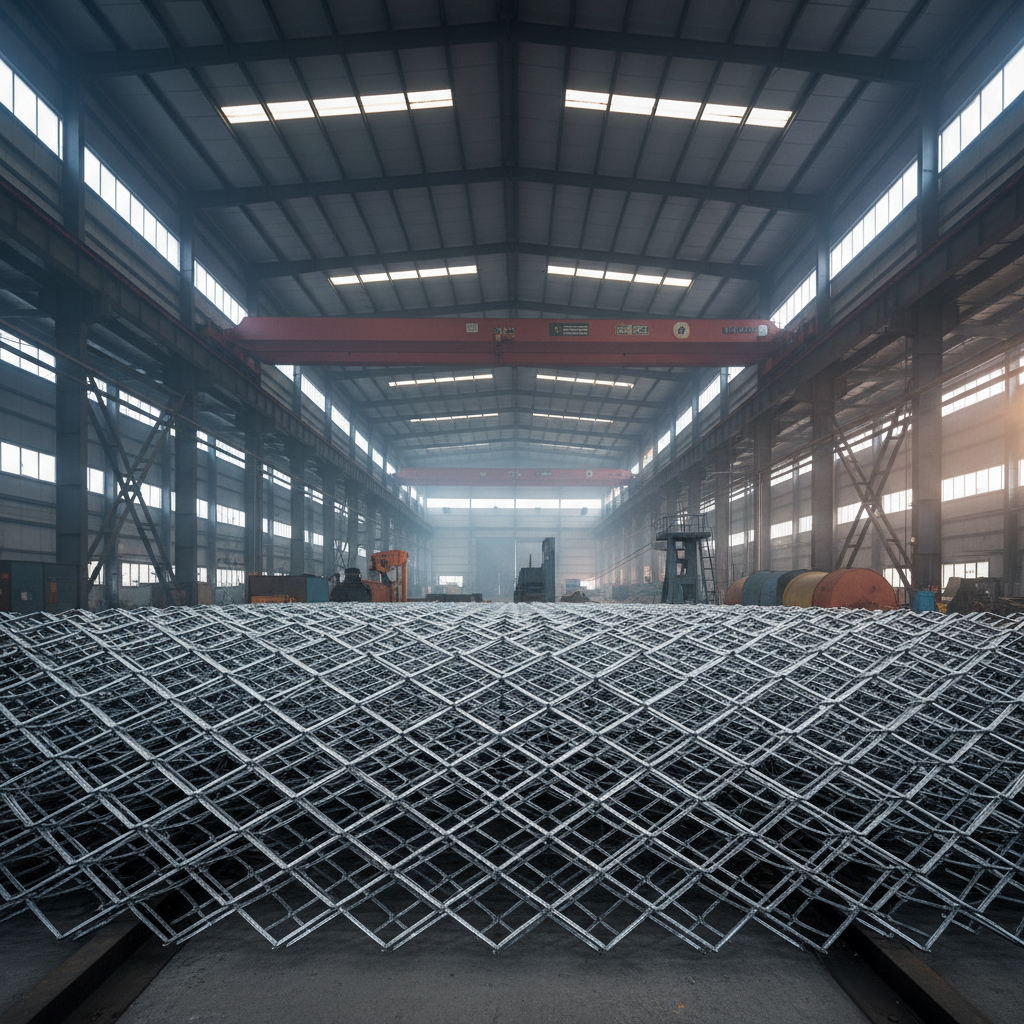
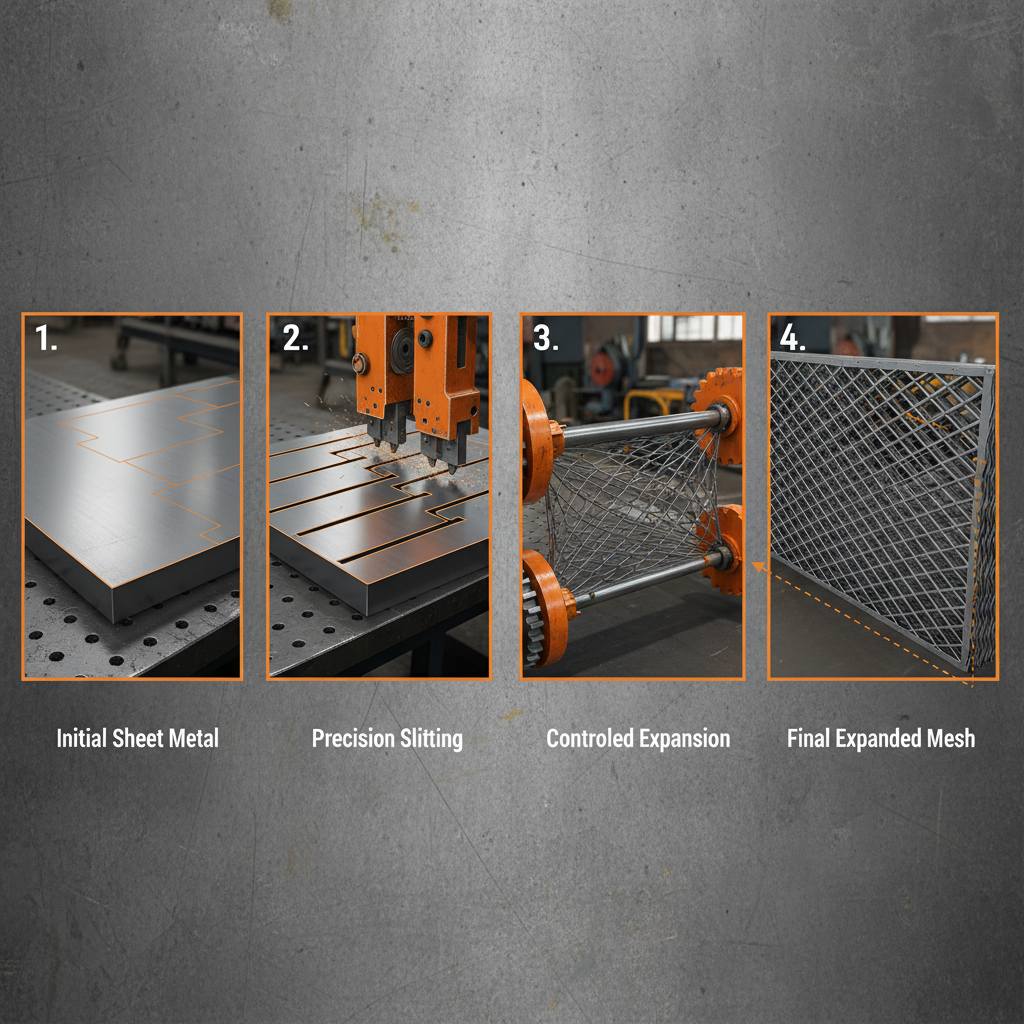
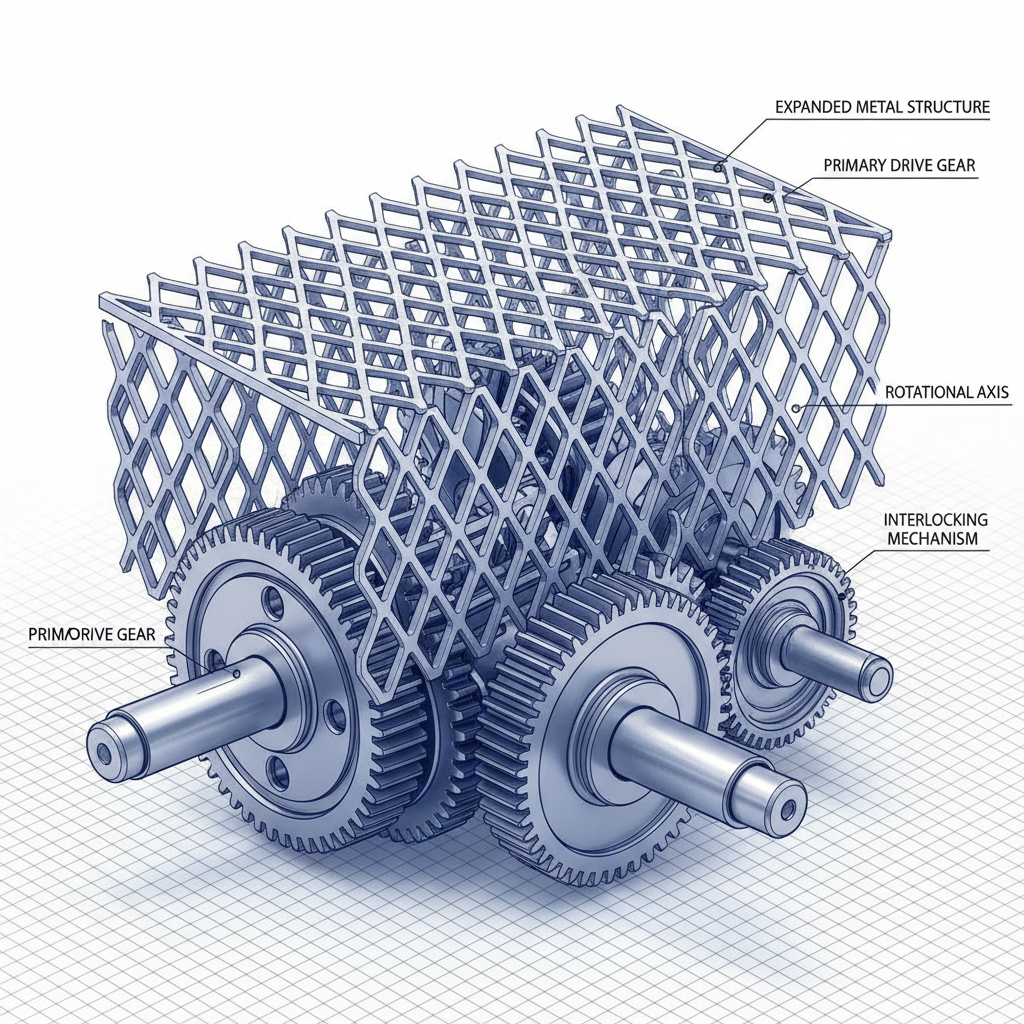
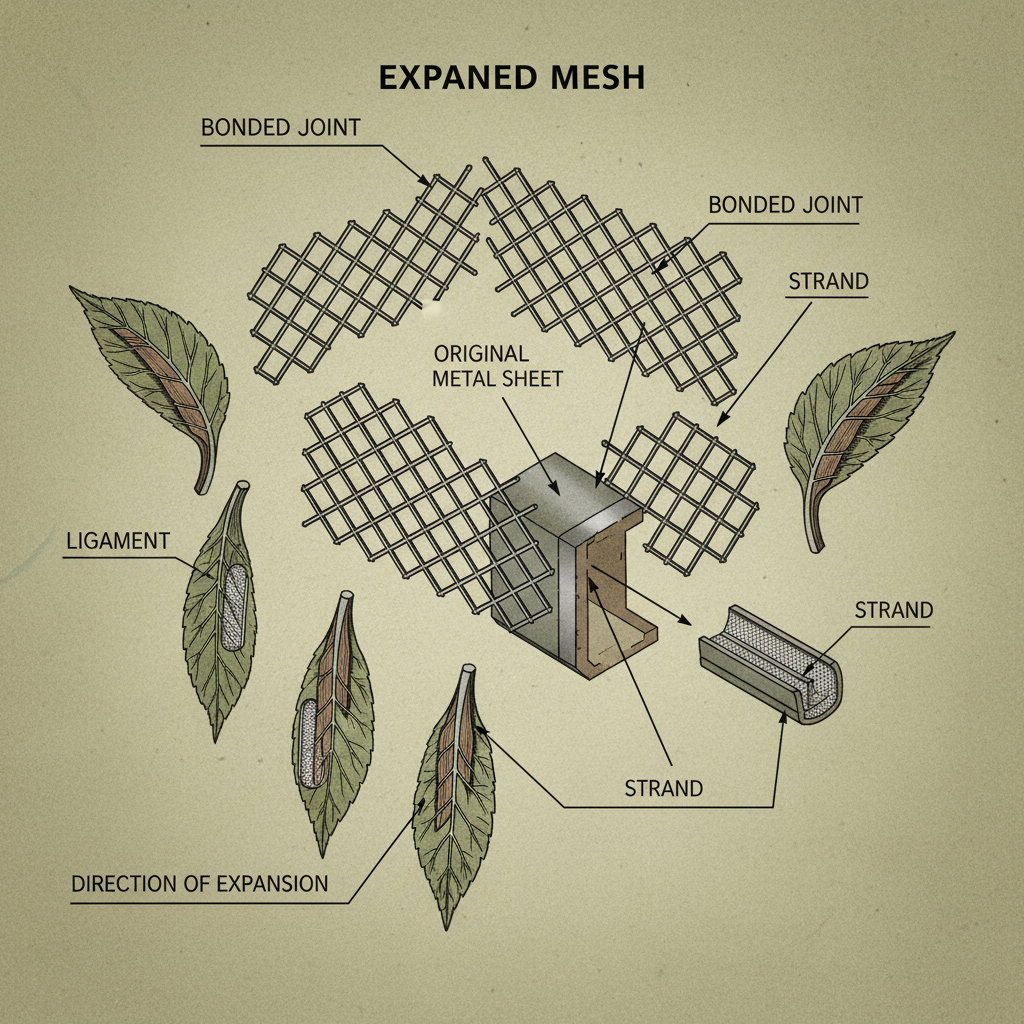
Metal sheet mesh represents a versatile and increasingly crucial material across a multitude of industries, from construction and agriculture to security and filtration. Its inherent properties – strength, durability, and adaptability – make it a cornerstone of modern infrastructure and innovative solutions globally. Understanding its nuances, applications, and future trends is paramount for engineers, architects, manufacturers, and anyone involved in building a more resilient and sustainable world.
The global demand for metal sheet mesh is significantly driven by rapid urbanization, industrial growth in emerging economies, and escalating safety and security concerns. According to recent reports from the World Bank, infrastructural investments in developing nations are projected to increase by over 60% in the next decade, directly fueling the demand for robust materials like metal sheet mesh. This surge highlights the vital role this material plays in supporting economic development and enhancing quality of life.
Metal sheet mesh isn't simply a material; it’s an enabler. It facilitates solutions to critical challenges, including food security through agricultural applications, disaster relief through rapid deployment shelters, and environmental protection through efficient filtration systems. Its importance extends far beyond its physical form, contributing to broader societal advancements and global well-being.
Introduction to metal sheet mesh
Metal sheet mesh, in its broadest definition, refers to interconnected strands of metal – typically steel, stainless steel, aluminum, or copper – woven or welded together to form a porous sheet. This construction imparts a unique combination of strength, flexibility, and permeability, making it suitable for a vast array of applications. The manufacturing process and the choice of metal profoundly influence the mesh's final characteristics, determining its resistance to corrosion, tensile strength, and overall performance.
The rise of metal sheet mesh as a prominent material is deeply intertwined with advancements in manufacturing technologies and the increasing demand for lightweight, durable, and cost-effective solutions across industries. It’s no longer just a basic building block but a versatile component in everything from high-security fencing to sophisticated filtration systems. The adaptability of metal sheet mesh makes it indispensable for addressing modern challenges.
Global Relevance and Applications
The demand for metal sheet mesh is exceptionally high across the globe, driven by a complex interplay of economic factors, infrastructural development, and evolving safety regulations. Emerging economies in Asia-Pacific, Latin America, and Africa are experiencing particularly rapid growth, resulting in increased construction activity, agricultural expansion, and a growing need for security solutions. These factors translate into significant demand for metal sheet mesh in applications like building reinforcement, crop protection, and perimeter security.
North America and Europe represent mature markets where metal sheet mesh is extensively used in established industries, including automotive manufacturing, aerospace engineering, and medical device production. These regions are increasingly focused on high-performance materials and customized mesh solutions for specialized applications. Furthermore, environmental concerns are driving demand for metal sheet mesh in filtration and wastewater treatment systems.
The United Nations Sustainable Development Goals (SDGs) directly correlate with many applications of metal sheet mesh. For example, SDG 2 (Zero Hunger) benefits from mesh used in agricultural applications, SDG 9 (Industry, Innovation, and Infrastructure) relies on it for structural integrity, and SDG 11 (Sustainable Cities and Communities) uses it for building and public safety.
Defining metal sheet mesh
At its core, metal sheet mesh is a lattice-like structure created by interlacing or welding metal wires. This creates open spaces or apertures, defining its permeability. The characteristics of the mesh – aperture size, wire diameter, material composition, and weave pattern – are meticulously controlled during manufacturing to meet specific application requirements. The process fundamentally transforms raw metal into a versatile component with unique properties.
Metal sheet mesh isn’t simply a product of industrial processes; it's deeply connected to the evolution of modern industry and humanitarian needs. It enables solutions ranging from reinforcing concrete structures to providing safe drinking water through filtration. Its ability to adapt to diverse requirements positions it as a key material in addressing global challenges, providing reliable solutions where traditional materials fall short.
The significance extends to disaster relief, where rapidly deployable shelters utilizing metal sheet mesh offer immediate protection and safety. In infrastructure projects, it ensures longevity and structural stability. The sheer breadth of its applications underlines its importance in the modern world.
Key Properties of metal sheet mesh
The widespread adoption of metal sheet mesh is directly attributable to its unique combination of properties. One of the most crucial is its high strength-to-weight ratio. This characteristic allows for the creation of robust structures with minimal material, reducing overall costs and simplifying installation. Another key property is durability, stemming from the inherent resistance of metals to corrosion, wear, and tear.
Permeability is equally essential, enabling air flow, water filtration, and visibility, depending on the application. The flexibility of metal sheet mesh also allows it to conform to complex shapes and adapt to dynamic loads. Finally, scalability – the ability to manufacture in a wide range of sizes and configurations – provides unmatched versatility.
Metal Sheet Mesh Property Ratings
Worldwide Applications and Use Cases
In agriculture, metal sheet mesh serves as protective netting for crops, safeguarding against birds, pests, and harsh weather conditions, ultimately increasing yields and minimizing losses. Within the construction sector, it reinforces concrete structures, providing enhanced structural integrity and extending the lifespan of buildings and bridges. It also plays a vital role in facade cladding, offering aesthetic appeal and weather resistance.
The security industry heavily relies on metal sheet mesh for the production of high-security fencing, cages, and barriers, providing robust protection against intrusion and vandalism. Furthermore, industrial filtration systems utilize metal sheet mesh for separating solids from liquids and gases, ensuring efficient processing and environmental compliance.
Advantages and Long-Term Value
The advantages of utilizing metal sheet mesh extend far beyond immediate functionality. Cost-effectiveness is a major draw; while initial material costs may vary, the longevity and reduced maintenance requirements translate to significant long-term savings. Sustainability is another crucial benefit, particularly with the increasing use of recycled metals in its production. Metal sheet mesh is inherently recyclable, reducing environmental impact.
From a social impact perspective, the use of metal sheet mesh in applications like disaster relief shelters offers a sense of security and dignity to those affected by crises. Its reliability provides peace of mind, knowing that structures are robust and safe. The innovation surrounding new mesh designs and applications fosters technological advancement and strengthens trust in the material’s capabilities.
Future Trends and Innovations
The future of metal sheet mesh is bright, with numerous innovations on the horizon. Developments in nanomaterials and coating technologies promise to enhance corrosion resistance, strength, and functionality. Smart mesh incorporating sensors and embedded electronics is emerging, enabling real-time monitoring of structural integrity and environmental conditions. This opens up possibilities for predictive maintenance and optimized performance.
Furthermore, the integration of metal sheet mesh with green energy technologies, such as solar panel support structures and wind turbine components, is gaining momentum. The demand for sustainable and eco-friendly materials will continue to drive innovation, leading to the development of new alloys and manufacturing processes that minimize environmental impact. Digital transformation and automation in mesh production will enhance efficiency and precision.
Challenges and Solutions
Despite its numerous advantages, metal sheet mesh faces some challenges. One primary concern is the potential for corrosion, especially in harsh environments. This can be mitigated through the use of corrosion-resistant alloys like stainless steel and the application of protective coatings. Another issue is the potential for fatigue failure under repeated stress, addressed through improved design and material selection.
Furthermore, efficient and sustainable manufacturing processes are crucial for minimizing environmental impact. Investing in recycling technologies and reducing energy consumption are key to addressing this challenge. Implementing robust quality control measures throughout the production process ensures consistent performance and minimizes the risk of defects.
Finally, the customization of metal sheet mesh to meet specific application requirements can be complex and time-consuming. Utilizing advanced modeling and simulation tools, coupled with automated manufacturing processes, can streamline this process and reduce lead times.
Analysis of Metal Sheet Mesh Manufacturing Processes
| Manufacturing Method |
Cost Efficiency (1-10) |
Production Speed (1-10) |
Mesh Quality (1-10) |
| Welded Wire Mesh |
8 |
7 |
6 |
| Woven Wire Mesh |
6 |
5 |
9 |
| Expanded Metal Mesh |
9 |
8 |
7 |
| Crimped Wire Mesh |
7 |
6 |
8 |
| Perforated Metal Sheet |
5 |
4 |
7 |
| Knitted Wire Mesh |
4 |
3 |
5 |
FAQS
The most prevalent metals utilized in the manufacture of metal sheet mesh are steel (including carbon steel and galvanized steel), stainless steel, aluminum, and copper. The choice of metal depends heavily on the intended application, considering factors like corrosion resistance, strength requirements, and cost. Stainless steel is favored for high-corrosion environments, while aluminum offers a lightweight and cost-effective alternative. The specific alloy used further refines the mesh's properties, ensuring optimal performance.
The weave pattern fundamentally influences the properties of metal sheet mesh. Different patterns, such as plain weave, twill weave, and Dutch weave, offer varying degrees of strength, flexibility, and permeability. A plain weave provides balanced strength in both directions, while a twill weave offers increased flexibility and a more textured surface. Dutch weave creates a mesh with narrow apertures in one direction and wider apertures in the other, ideal for filtration applications.
Metal sheet mesh has diverse applications within construction, ranging from reinforcing concrete to providing facade cladding. It's commonly used as rebar replacement or supplement, enhancing the tensile strength of concrete structures. In facade applications, it offers weather resistance and aesthetic appeal. Furthermore, it serves as a substrate for plastering, providing a stable base for wall finishes. The mesh also sees use in roofing systems and protective barriers.
Yes, metal sheet mesh is highly recyclable, offering significant environmental benefits. Recycling metal reduces the demand for virgin resources, conserves energy, and minimizes landfill waste. The recycling process involves melting down the mesh and reforming it into new products, effectively closing the loop. This contributes to a more sustainable and circular economy, reducing the overall environmental footprint of metal production.
Several factors influence the cost of metal sheet mesh. The type of metal used is a primary determinant, with stainless steel generally being more expensive than carbon steel or aluminum. Mesh aperture size, wire diameter, weave pattern, and the overall quantity ordered also impact the price. Customizations and specialized finishes add to the cost. Finally, transportation costs and market fluctuations play a role in the final price.
Protecting metal sheet mesh against corrosion is vital for its longevity. Common methods include galvanization (coating with zinc), applying epoxy coatings, using stainless steel alloys, and powder coating. Galvanization provides a sacrificial layer of zinc that protects the underlying metal from corrosion. Epoxy coatings create a barrier against moisture and corrosive agents. Proper maintenance, such as regular cleaning and inspection, also helps prevent corrosion.
Conclusion
In conclusion, metal sheet mesh represents a cornerstone material in a multitude of industries, offering a unique combination of strength, durability, versatility, and cost-effectiveness. From infrastructure development and agricultural advancements to security solutions and environmental protection, its applications are diverse and continually expanding. Understanding its properties, manufacturing processes, and future trends is essential for optimizing its use and unlocking its full potential.
Looking ahead, continued innovation in materials science and manufacturing technologies will undoubtedly propel the development of even more advanced metal sheet mesh solutions. Embracing sustainable practices, investing in recycling technologies, and exploring new applications will ensure that metal sheet mesh remains a vital component of a resilient and sustainable future. Visit our website at ztwiremesh.com to learn more and explore our extensive range of metal sheet mesh products.