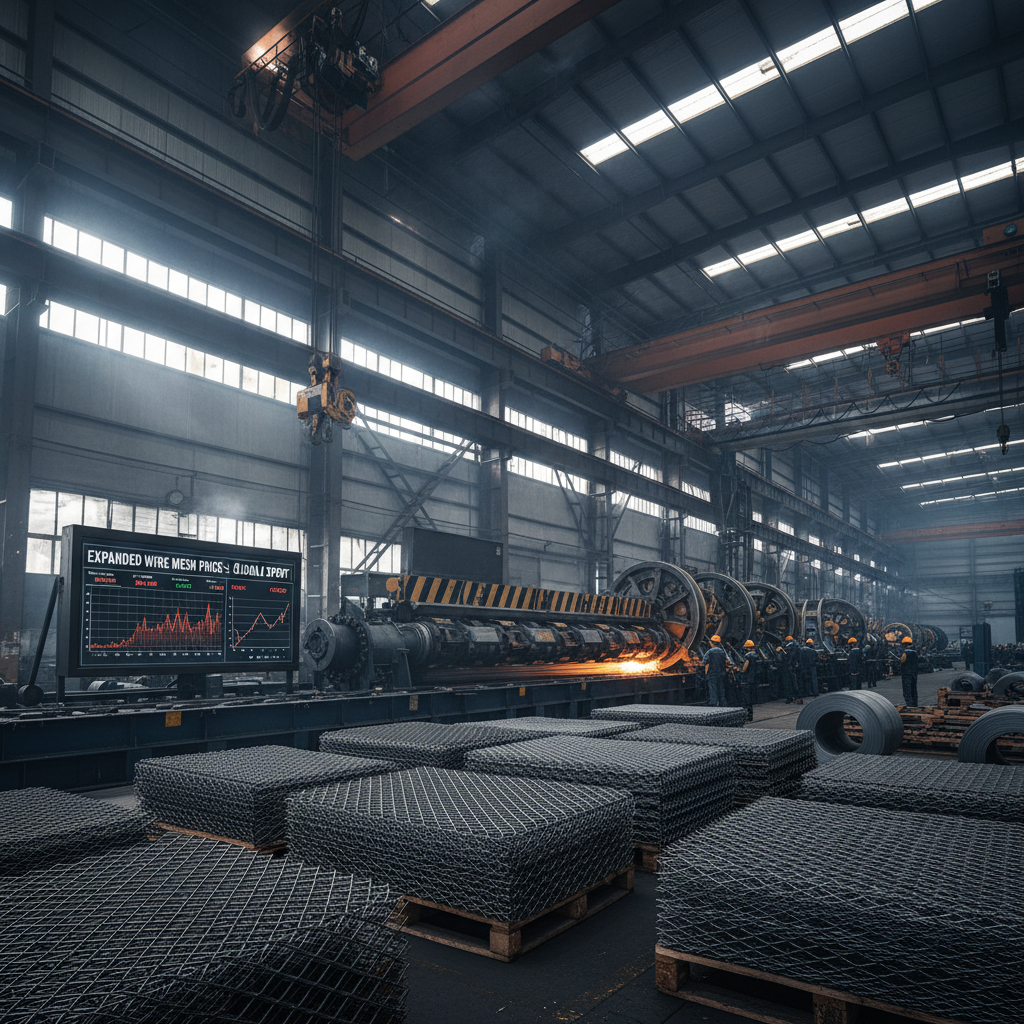
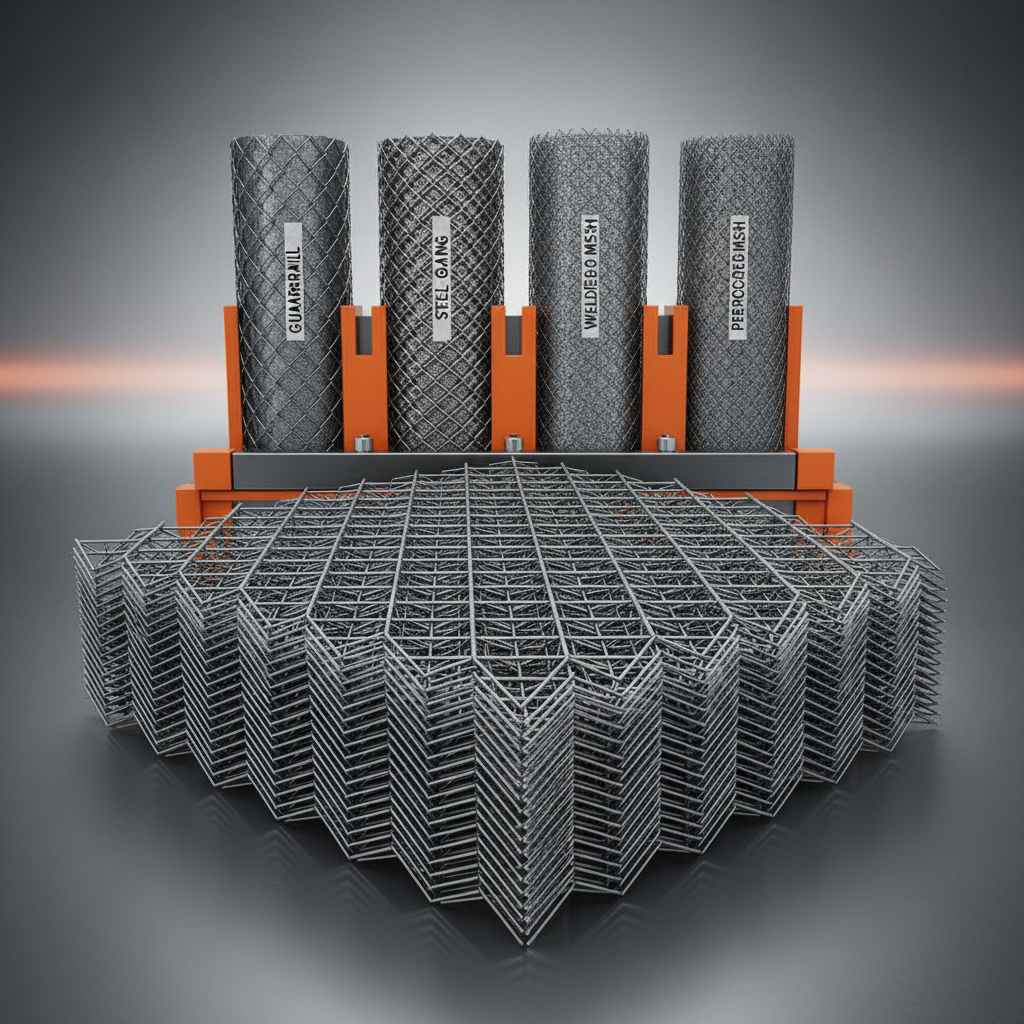
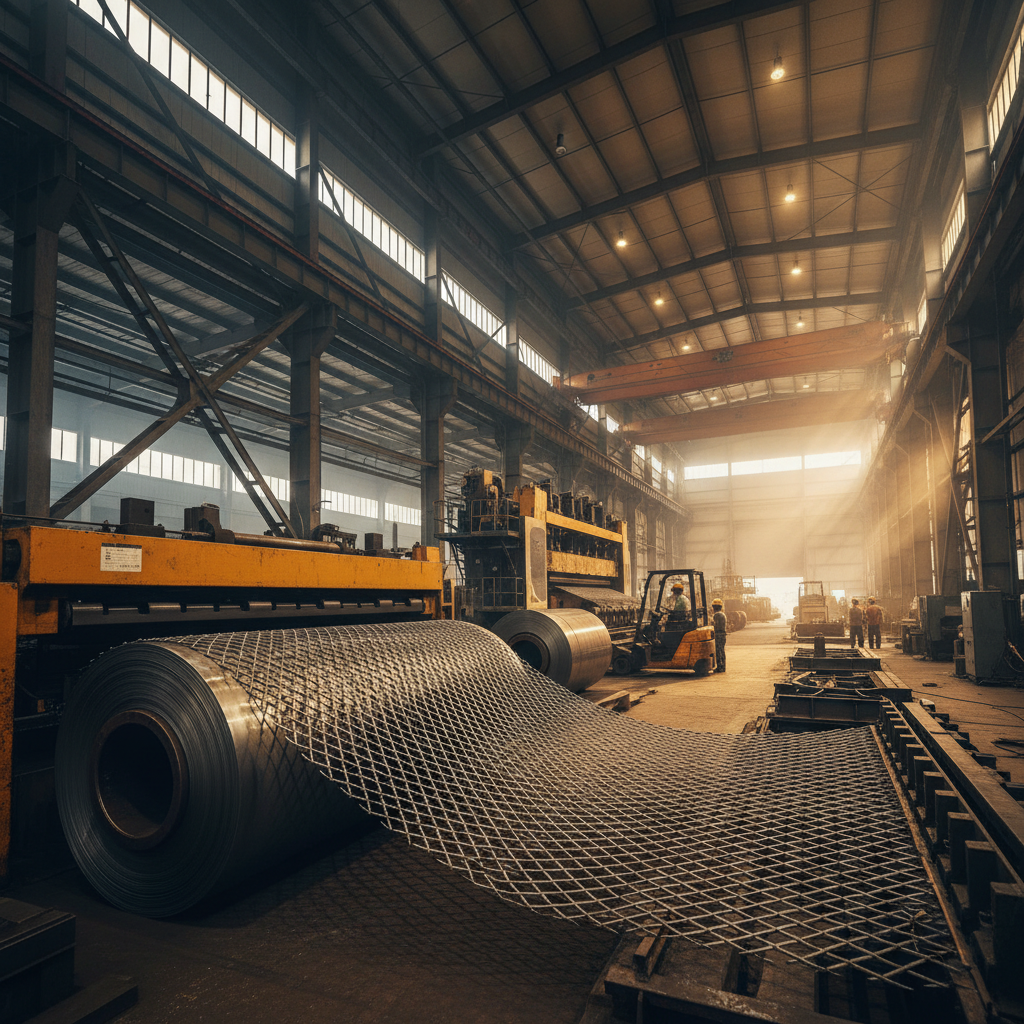
Raised expanded metal mesh is a versatile material playing an increasingly critical role in modern infrastructure, safety, and industrial applications globally. Its unique properties – strength, open area, and customizable designs – address growing demands for robust, lightweight, and cost-effective solutions in diverse sectors, from construction and transportation to renewable energy and security. Understanding its applications and benefits is key to navigating challenges in a rapidly evolving world.
The demand for raised expanded metal mesh is surging due to increasing global construction, infrastructure development, and a growing need for enhanced safety measures. Reports from the World Bank and UN Habitat highlight the urgent need for affordable and resilient housing and infrastructure, particularly in developing nations. This presents a significant opportunity for expanded metal mesh, offering a sustainable and rapidly deployable alternative to traditional building materials.
Furthermore, industries like renewable energy, particularly solar power, are actively utilizing expanded metal mesh for panel support structures. The need for lightweight, durable, and corrosion-resistant materials in these applications drives continued innovation and demand for high-quality raised expanded metal mesh products. raised expanded metal mesh is proving to be a key component in building a more sustainable future.
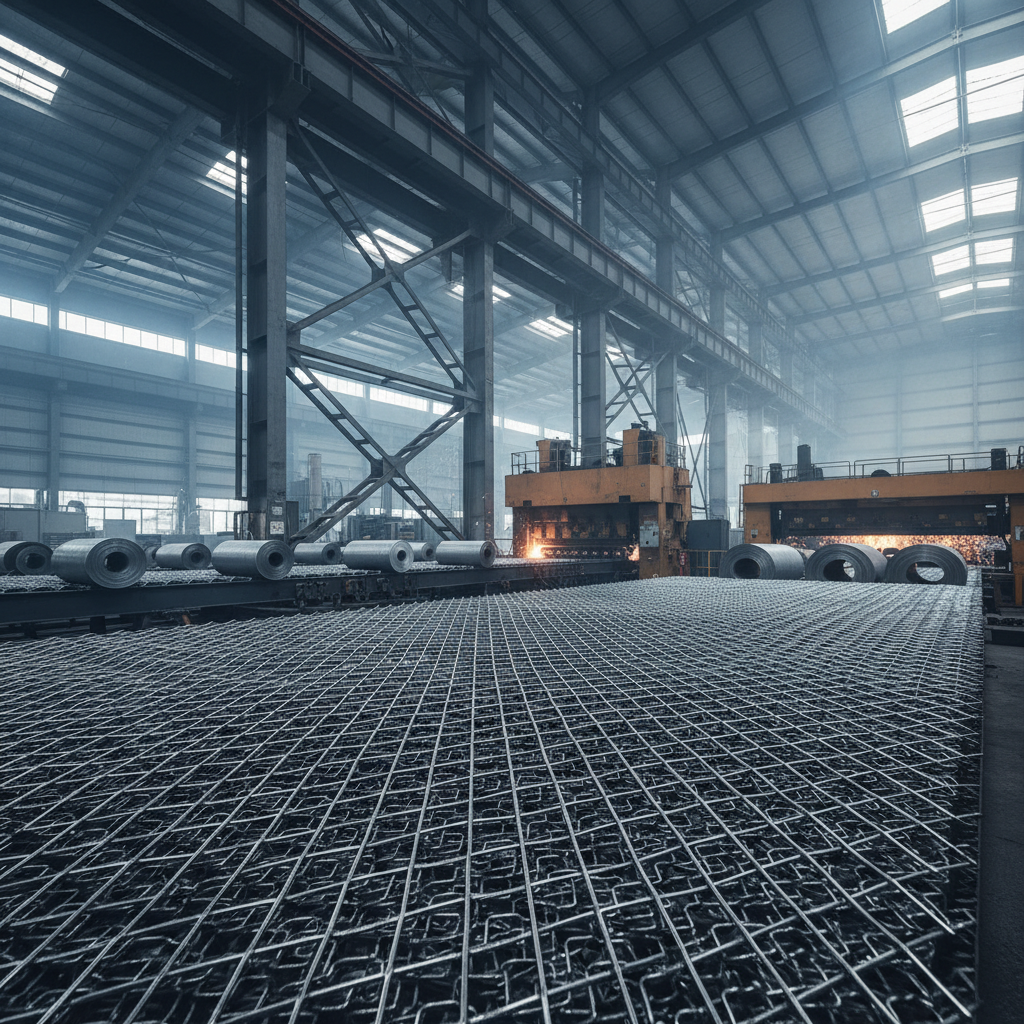
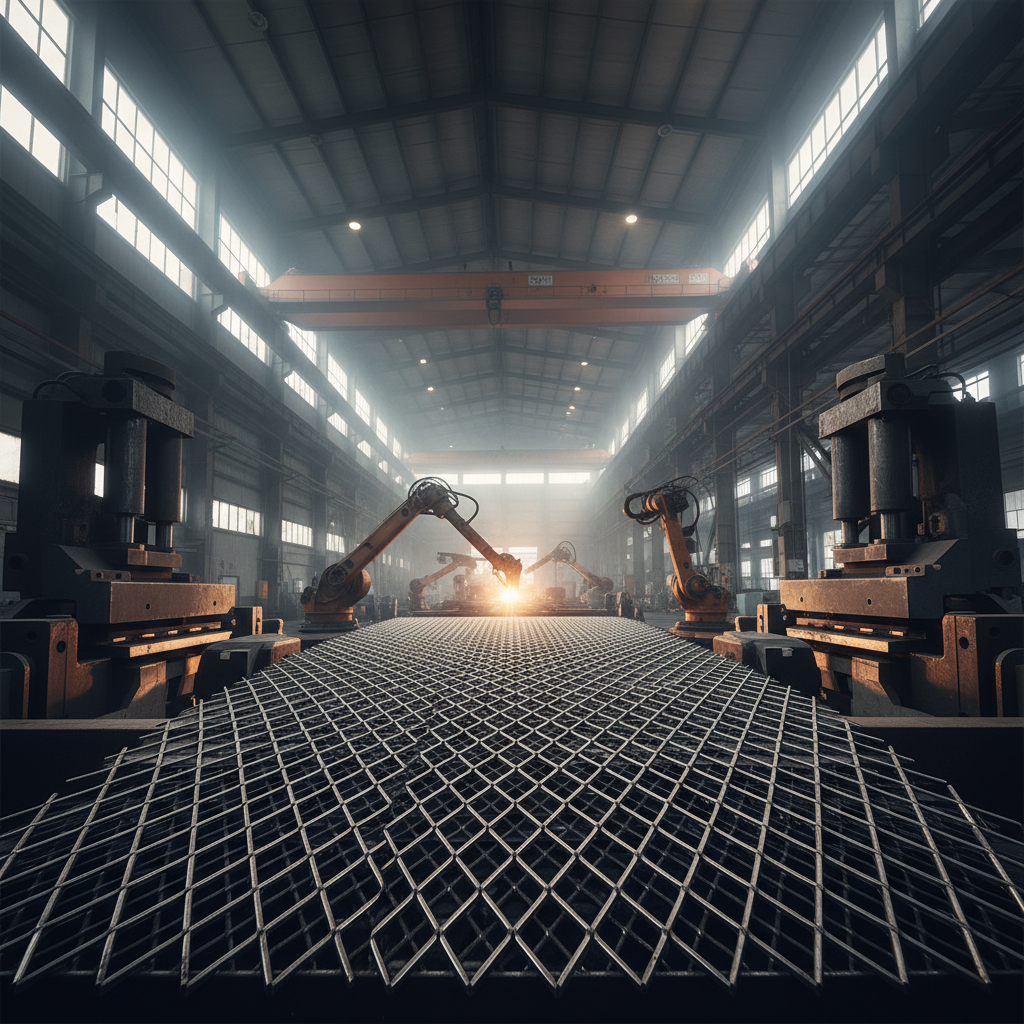
Raised expanded metal mesh stands out as a vital construction and industrial material due to its exceptional strength-to-weight ratio and open surface area. Its ability to be manufactured in various patterns, gauges, and materials makes it highly adaptable to diverse applications. The material’s inherent durability reduces maintenance costs and extends service life, contributing to long-term economic benefits.
Beyond its physical characteristics, the expanded metal mesh offers a versatile platform for customization. Surface treatments like galvanization, powder coating, and stainless steel construction enhance corrosion resistance and aesthetic appeal, further expanding its range of potential uses in both functional and decorative roles.
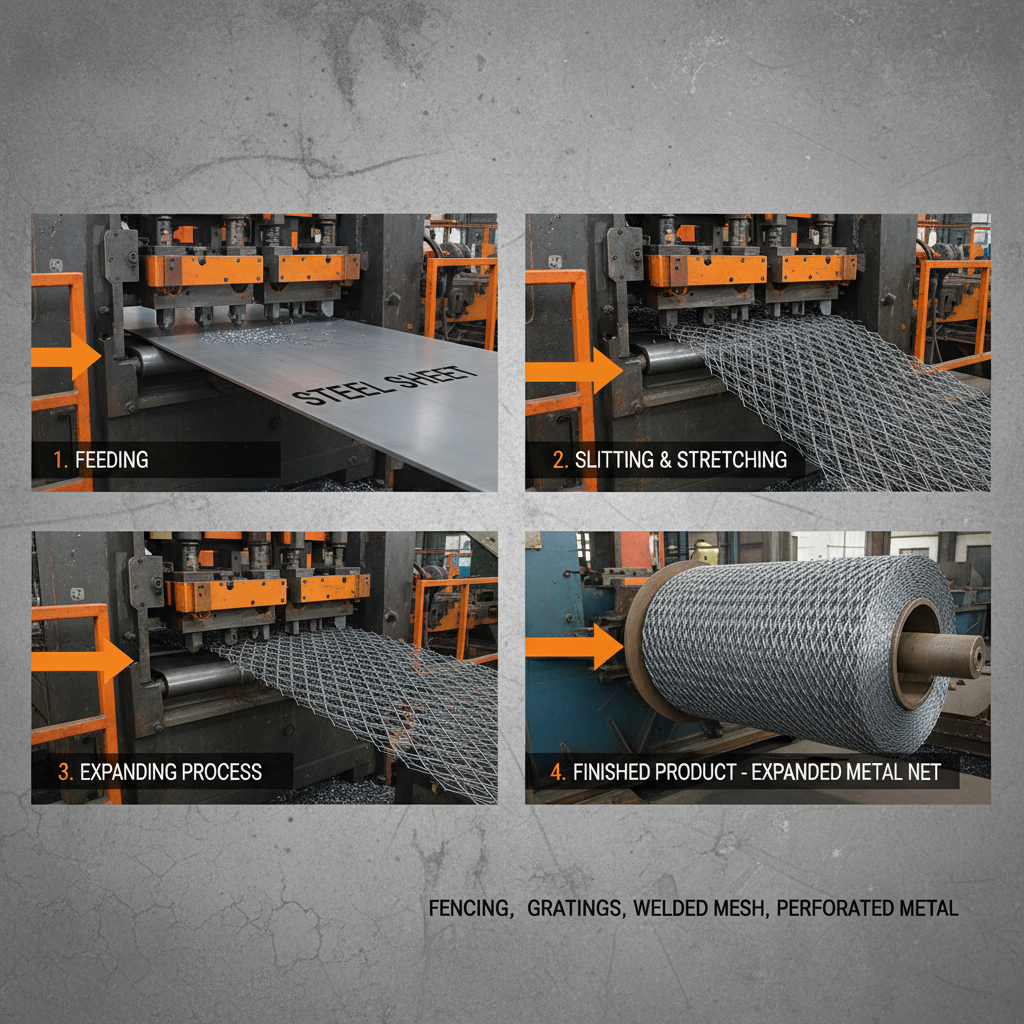
Raised expanded metal mesh is created from a single sheet of metal that is slit and stretched, maintaining a high load-bearing capacity and eliminating unraveling. Woven wire mesh, conversely, is formed by interweaving individual wires. This means expanded metal generally offers greater structural integrity and is less prone to deformation, while woven wire is more flexible and suitable for filtration purposes. raised expanded metal mesh is often preferred in applications requiring strength and safety.
The expansion ratio, which represents the ratio of the length and width after expansion to the original sheet dimensions, significantly influences the mesh's properties. A higher ratio results in a larger opening and reduced metal thickness, impacting its load-bearing capacity. Conversely, a lower ratio provides greater strength but smaller openings. Choosing the appropriate ratio is critical to balance strength, weight, and desired functionality for specific applications.
Common materials include carbon steel, stainless steel (304, 316), aluminum, and galvanized steel. Carbon steel offers high strength at a lower cost, while stainless steel provides superior corrosion resistance. Aluminum is lightweight and ideal for applications where weight is a concern. Galvanized steel offers a good balance of strength and corrosion resistance for outdoor applications. The best choice depends on the environment and performance requirements.
Surface treatments enhance the mesh's durability and aesthetics. Galvanizing provides corrosion resistance. Powder coating offers a wide range of colors and improves scratch resistance. Painting is a cost-effective option for aesthetic purposes. Specialized coatings, like epoxy, provide exceptional chemical resistance for harsh environments. These treatments extend the lifespan and suitability of the mesh for various applications.
Methods include welding, bolting, riveting, and clamping. Welding provides a strong and permanent connection. Bolting allows for easy disassembly and maintenance. Riveting is suitable for lighter applications. Clamping is a non-destructive option for temporary installations. The best method depends on the application’s structural requirements and accessibility.
Expanded metal mesh can have sharp edges, so wearing gloves and safety glasses is crucial during handling. Proper lifting techniques should be used to avoid strain injuries. When cutting or fabricating the mesh, appropriate personal protective equipment (PPE), including a face shield and hearing protection, is necessary. Always follow manufacturer’s safety guidelines and local regulations.
Raised expanded metal mesh is a remarkably versatile and durable material with a growing presence across diverse industries. Its unique properties – strength, scalability, and cost-effectiveness – address critical needs in construction, infrastructure, security, and beyond. Its adaptable nature and the continued innovation in its manufacturing and applications position it as a key component in building a safer, more sustainable, and efficient future.
Looking ahead, the continued development of advanced materials, automated manufacturing processes, and sustainable practices will further enhance the performance and environmental profile of raised expanded metal mesh. By embracing these advancements and fostering collaboration between manufacturers, engineers, and researchers, we can unlock the full potential of this remarkable material and create innovative solutions for the challenges of tomorrow.

Subscribe now!
Stay up to date with the latest on Fry Steeland industry news.