Expanded metal net is a versatile material gaining prominence across a multitude of industries worldwide. From construction and security to industrial flooring and artistic applications, its unique properties offer cost-effective and durable solutions. Understanding its manufacturing processes, material variations, and diverse applications is crucial for engineers, architects, and designers seeking reliable and innovative materials for their projects. This comprehensive guide explores the world of expanded metal net, its benefits, and its potential to address various challenges.
The global demand for expanded metal net is experiencing steady growth, driven by infrastructural development, increased security concerns, and the rising adoption of lightweight materials in automotive and aerospace industries. According to market research reports, the expanded metal market is projected to reach significant values in the coming years, highlighting its importance in the global material landscape. Its adaptability to different manufacturing processes and material compositions ensures its sustained relevance in a rapidly evolving world.
The inherent advantages of expanded metal net – strength, open area, and aesthetic appeal – make it a preferred choice in numerous applications. It’s not just a material; it's a practical solution enhancing safety, functionality, and design across a diverse range of sectors. It offers significant benefits over traditional materials, especially in environments requiring robust and long-lasting structures.
Introduction to expanded metal net
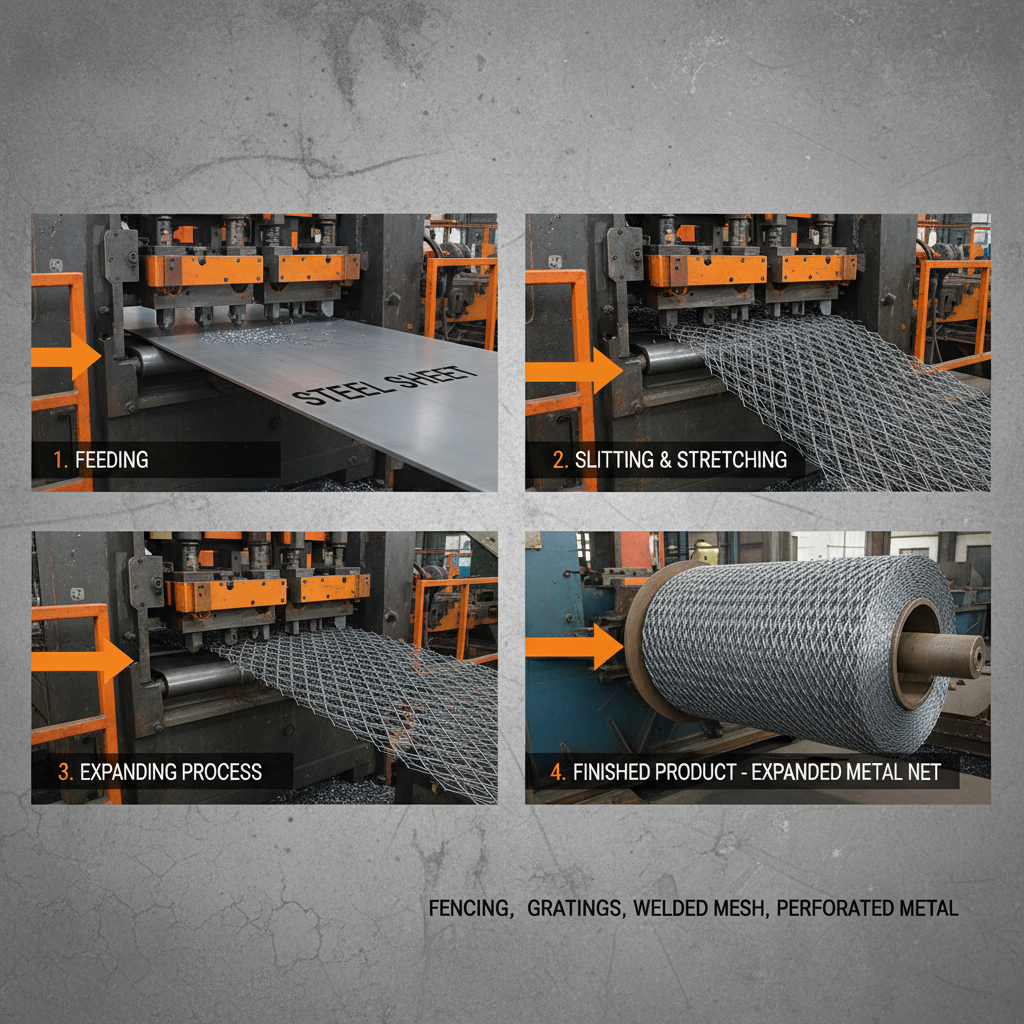
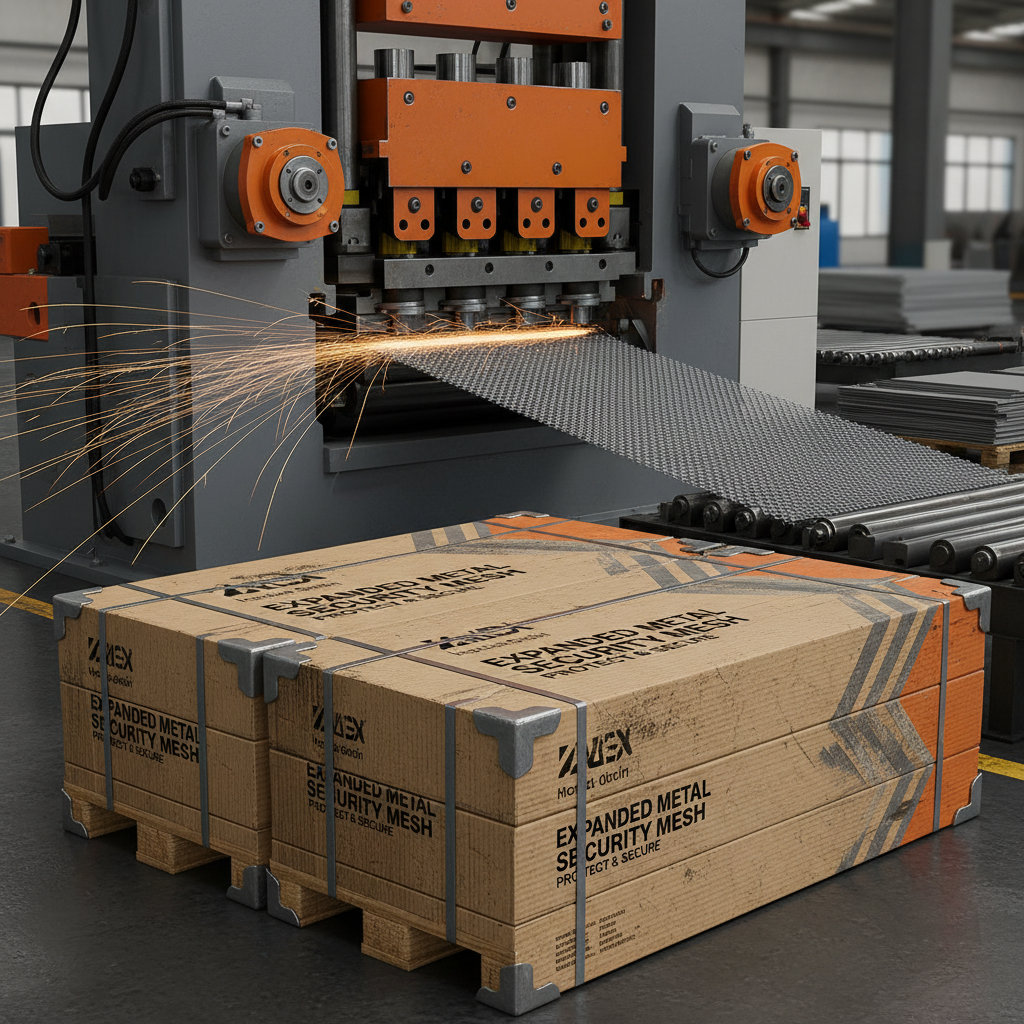
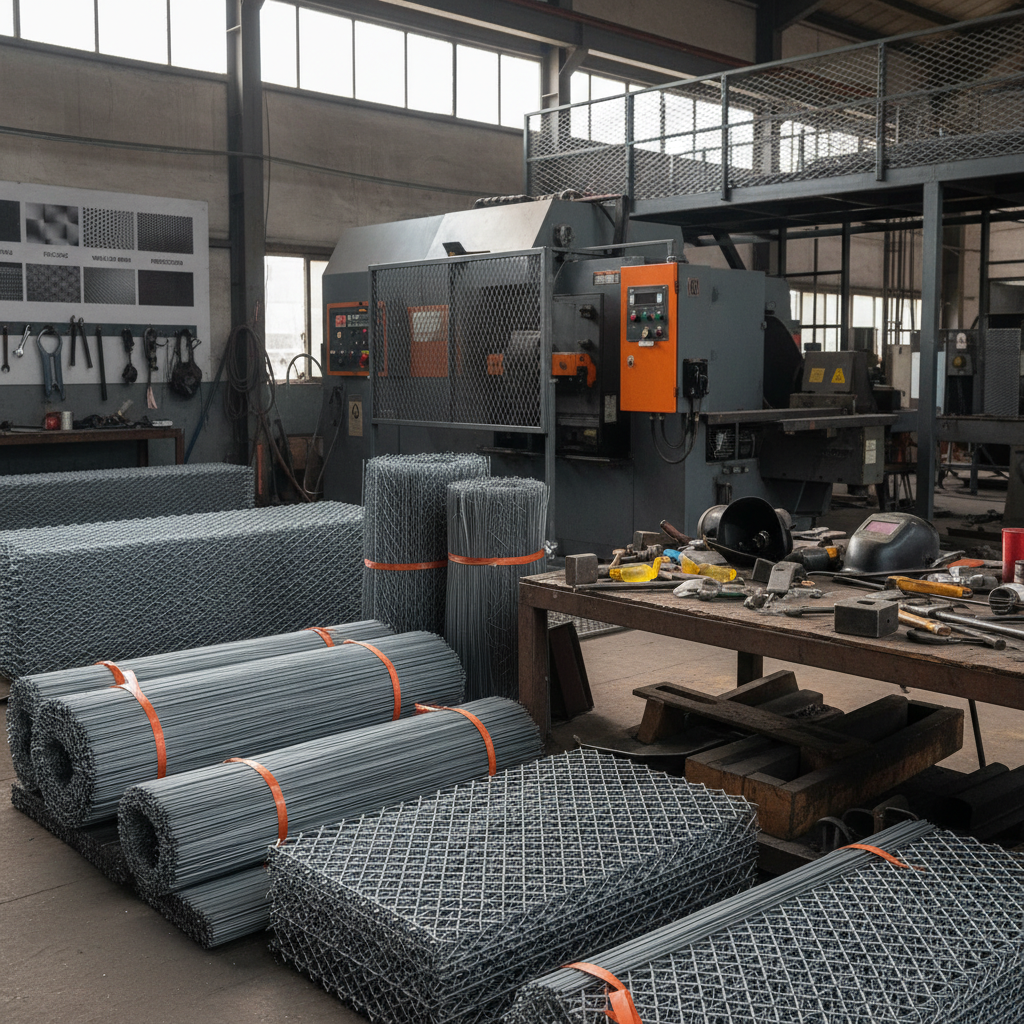
Expanded metal net is a unique metal product created by slitting and stretching a sheet of metal, resulting in a rigid, open mesh with diamond-shaped openings. Unlike woven wire mesh, expanded metal is a single piece of metal, eliminating the risk of unraveling or losing its structural integrity. This process imparts high strength and durability, making it ideal for a wide range of applications.
The production of expanded metal net contributes significantly to material efficiency by minimizing waste. The stretching process maintains a high percentage of the original metal's weight, making it a sustainable option. It offers a compelling alternative to perforated metal sheets, often providing superior strength-to-weight ratios and reducing material costs, with options available through suppliers like expanded metal net.
Defining Expanded Metal Net
Simply put, expanded metal net is a solid metal sheet that’s been slit and stretched to form a diamond, hexagonal, or other patterned mesh. This creates an interlocking, rigid material that retains its shape and strength. The key distinction lies in the fact that it’s made from a single sheet, not assembled from individual wires.
In modern industry, expanded metal net serves a pivotal role in sectors demanding both robustness and lightweight solutions. From providing secure enclosures to offering effective filtration systems, its characteristics align with the increasing need for efficient material utilization. It’s a testament to engineering ingenuity, offering a cost-effective alternative to traditional materials.
Expanded metal net plays a vital part in addressing humanitarian needs, particularly in rapid deployment scenarios. Its modularity and ease of installation make it an excellent material for constructing temporary shelters, providing secure fencing in refugee camps, and creating durable flooring in disaster relief operations. Its strength and longevity ensure its functionality even in challenging environments.
Core Components of Expanded Metal Net
The fundamental properties of expanded metal net stem from several core components. First, the material selection – commonly steel, aluminum, or stainless steel – dictates the strength, corrosion resistance, and overall durability of the finished product. Secondly, the expansion ratio, which defines the relationship between the slit width and the unslit width, impacts the opening size and the load-bearing capacity.
The metal thickness is another crucial factor. Thicker metal sheets result in a more robust and rigid mesh, capable of withstanding heavier loads. Finally, the pattern and aperture size – diamond, hexagonal, or custom-designed – influence the material’s aesthetic appeal and functional performance, impacting its suitability for specific applications.
These components work in synergy to determine the specific characteristics of the expanded metal net. Precise control over these factors allows manufacturers to tailor the material to meet specific project requirements, ensuring optimal performance and cost-effectiveness. The ability to customize these components makes expanded metal net a highly adaptable solution for diverse engineering challenges.
Diverse Applications of expanded metal net
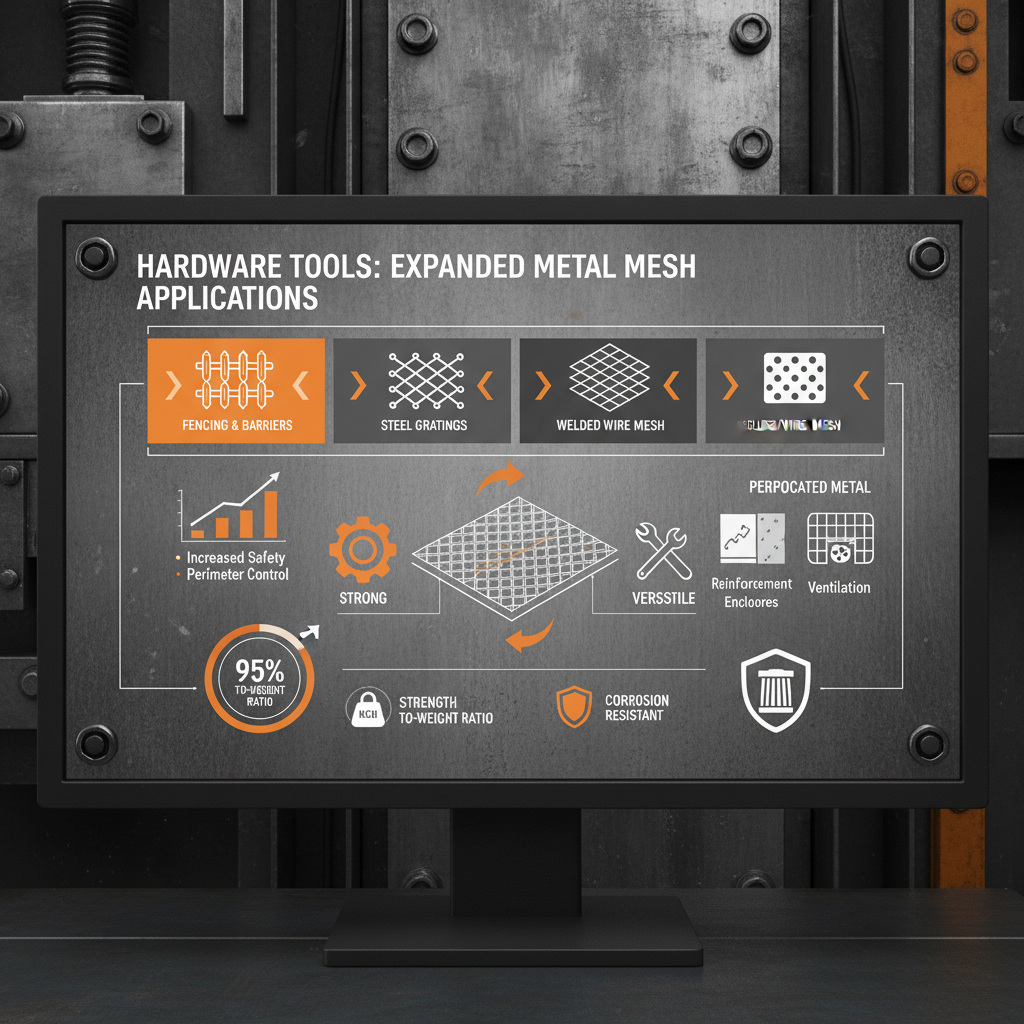
Expanded metal net’s versatility leads to its widespread adoption across numerous industries. In the construction sector, it's utilized for flooring gratings, stair treads, walkways, and facade cladding, providing a safe and durable surface. The automotive industry uses it for speaker grilles, radiator cores, and safety guards, leveraging its lightweight nature and protective properties.
The security sector relies heavily on expanded metal net for fencing, security cages, and protective barriers, offering robust defense against intrusion. In industrial settings, it serves as filter screens, conveyor belts, and machine guards, enhancing efficiency and ensuring workplace safety. Across regions like Europe and North America, where stringent safety regulations are prevalent, expanded metal net is frequently chosen for its compliance and reliability.
Application of expanded metal net by Sector
Advantages and Long-Term Value
The advantages of utilizing expanded metal net extend beyond its initial cost-effectiveness. Its inherent durability translates to reduced maintenance and replacement costs over the lifespan of the product, making it a financially sound long-term investment. This characteristic is particularly valuable in high-traffic or harsh environments.
From a sustainability perspective, expanded metal net offers a responsible material choice. Its manufacturing process generates minimal waste, and its longevity minimizes the need for frequent replacements. This reduces the environmental impact associated with material production and disposal, and its durability enhances reliability.
Future Trends in expanded metal net Technology
Innovation in expanded metal net technology is focused on enhancing performance and expanding applications. Developments in material science are exploring the use of new alloys and coatings to improve corrosion resistance, strength, and aesthetic appeal. Automation in the expansion process is increasing production efficiency and precision, driving down costs and improving quality.
The integration of expanded metal net with smart technologies is also emerging as a trend. Incorporating sensors and connectivity into the mesh allows for real-time monitoring of structural integrity, environmental conditions, and security breaches. This smart functionality opens up new possibilities for applications in infrastructure management and security systems.
Challenges and Innovative Solutions
Despite its numerous advantages, expanded metal net faces challenges related to corrosion, particularly in harsh environments. Traditional protective coatings can be costly and may require periodic reapplication. One innovative solution is the development of self-healing coatings that automatically repair minor damage, extending the lifespan of the material.
Another challenge lies in the difficulty of customizing complex patterns. Traditional expansion techniques have limitations in creating intricate designs. Advanced laser cutting and waterjet cutting technologies offer greater design flexibility, enabling the creation of highly customized expanded metal net solutions.
Furthermore, optimizing the expansion process to minimize material waste remains a key area of focus. Implementing advanced process control systems and utilizing finite element analysis can help engineers identify and eliminate inefficiencies, reducing material consumption and lowering production costs.
Summary of Expanded Metal Net Solutions and Challenges
| Challenge |
Solution |
Implementation Cost |
Long-Term Impact |
| Corrosion in Harsh Environments |
Self-Healing Coatings |
Medium |
Significantly Extended Lifespan |
| Limited Pattern Customization |
Laser/Waterjet Cutting |
High |
Greater Design Flexibility |
| Material Waste During Expansion |
Advanced Process Control Systems |
Medium |
Reduced Production Costs |
| Structural Weakness at Slit Points |
Optimized Expansion Ratio |
Low |
Enhanced Load-Bearing Capacity |
| Difficulty in Joining Sections |
Welding/Mechanical Fasteners |
Low |
Seamless Integration |
| Limited Color Options |
Powder Coating/Anodizing |
Medium |
Aesthetically Pleasing Finishes |
FAQS
Expanded metal net is commonly produced from carbon steel, stainless steel, and aluminum. The choice depends on the application’s requirements. Carbon steel offers high strength at a lower cost, while stainless steel provides superior corrosion resistance. Aluminum is favored for its lightweight properties and non-magnetic characteristics. Different grades within these metals allow for further customization to meet specific demands.
The expansion ratio, calculated as the unslit width divided by the slit width, significantly influences the mesh's characteristics. A higher ratio results in smaller openings and greater material density, leading to increased strength and rigidity. Conversely, a lower ratio yields larger openings and reduced material density, offering better airflow and lighter weight. Selecting the appropriate ratio is critical for optimal performance.
Expanded metal is increasingly popular in architectural design for facade cladding, sunshades, railings, and decorative screens. Its open structure allows for natural ventilation and daylight penetration, while its aesthetic appeal enhances building facades. It’s also used for flooring, providing a durable and slip-resistant surface. Its customizability makes it ideal for creating unique and visually striking designs.
Yes, expanded metal net is highly recyclable, contributing to sustainable building practices. The base metals – steel, aluminum, and stainless steel – can be readily recovered and reused in various applications. Recycling expanded metal reduces the demand for virgin materials, conserves energy, and minimizes environmental impact. Responsible disposal and recycling programs are readily available.
Expanded metal generally offers a higher strength-to-weight ratio compared to perforated metal, as the material is stretched rather than removed. This results in a more robust and durable product. Additionally, expanded metal is often more cost-effective due to lower material waste during the manufacturing process. Its continuous, interwoven structure also eliminates the risk of individual pieces becoming detached.
Several methods can protect expanded metal net from corrosion. Galvanizing, painting, powder coating, and applying protective oils are common techniques. For harsh environments, stainless steel or specialized alloys are preferred. Regular maintenance and inspection are also crucial for identifying and addressing corrosion early on, extending the material's lifespan and minimizing repair costs.
Conclusion
Expanded metal net represents a versatile and sustainable material solution with a wide array of applications across numerous industries. From its inherent strength and durability to its cost-effectiveness and design flexibility, it offers significant advantages over traditional materials. Understanding its core components and future trends allows for informed decision-making, maximizing its potential in innovative projects.
As technology advances and environmental consciousness grows, expanded metal net will continue to evolve, driven by the demand for lightweight, robust, and sustainable materials. Further research into advanced coatings, optimized expansion processes, and smart integration will unlock new possibilities, solidifying its position as a vital material in shaping a more efficient and resilient future. For further exploration and high-quality expanded metal net products, visit our website: www.ztwiremesh.com.