Wire mesh expanded metal is a versatile material finding increasingly crucial applications globally, from construction and infrastructure to security and industrial filtration. Its unique properties – strength, durability, and open surface area – make it a preferred choice for diverse projects. Understanding its characteristics and potential is vital for engineers, architects, and project managers aiming for efficient and cost-effective solutions. This comprehensive guide will explore the nuances of wire mesh expanded metal, its benefits, applications, and future trends.
The demand for wire mesh expanded metal is fueled by global infrastructure development, particularly in rapidly urbanizing nations. Statistics from the UN indicate a projected world population of 9.7 billion by 2050, necessitating significant investment in housing, transportation, and public utilities. This growth drives demand for robust and adaptable construction materials. Furthermore, the material’s role in renewable energy infrastructure, like solar panel mounting systems, is rapidly expanding.
A key challenge facing many industries is balancing cost-effectiveness with material performance and longevity. Wire mesh expanded metal addresses this by providing a high strength-to-weight ratio, reducing material usage while maintaining structural integrity. This makes it a sustainable and economically viable solution for a wide range of applications, offering a compelling alternative to traditional solid materials.
Introduction to wire mesh expanded metal
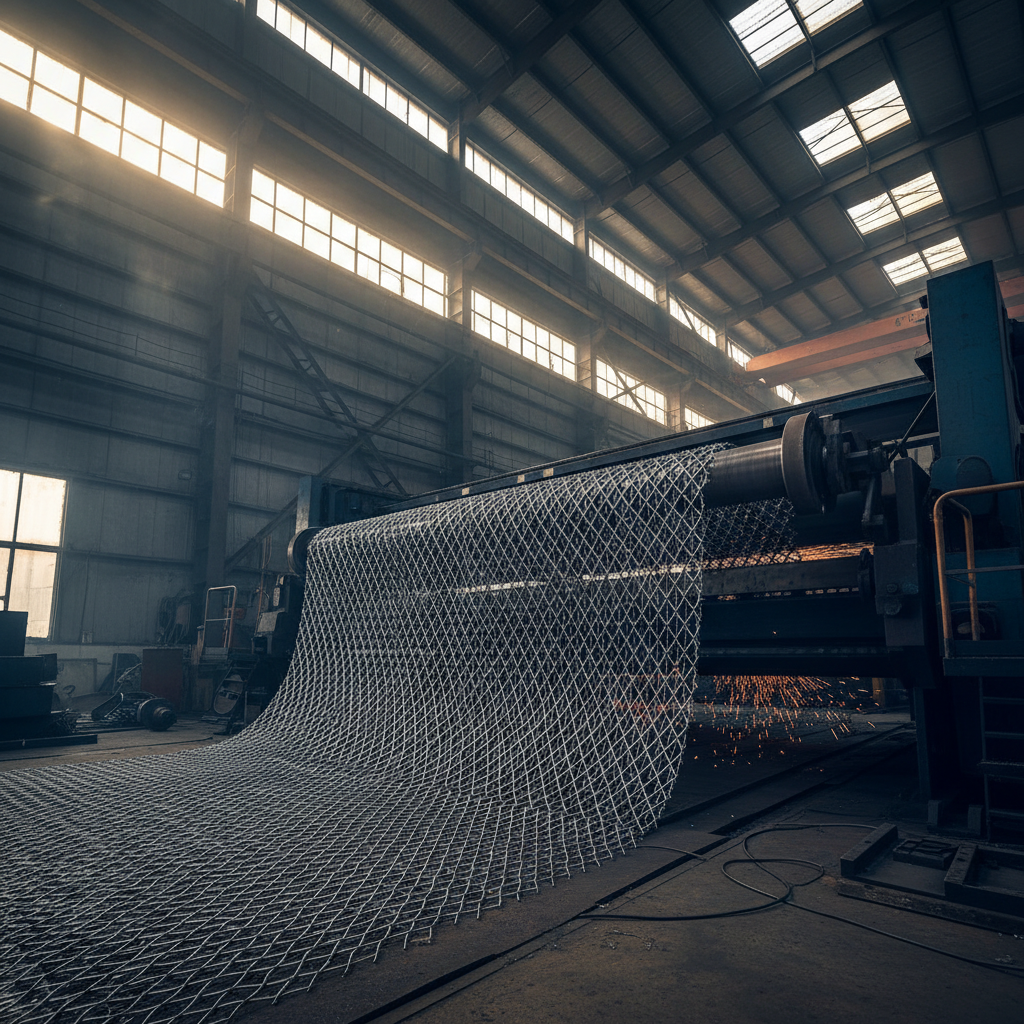
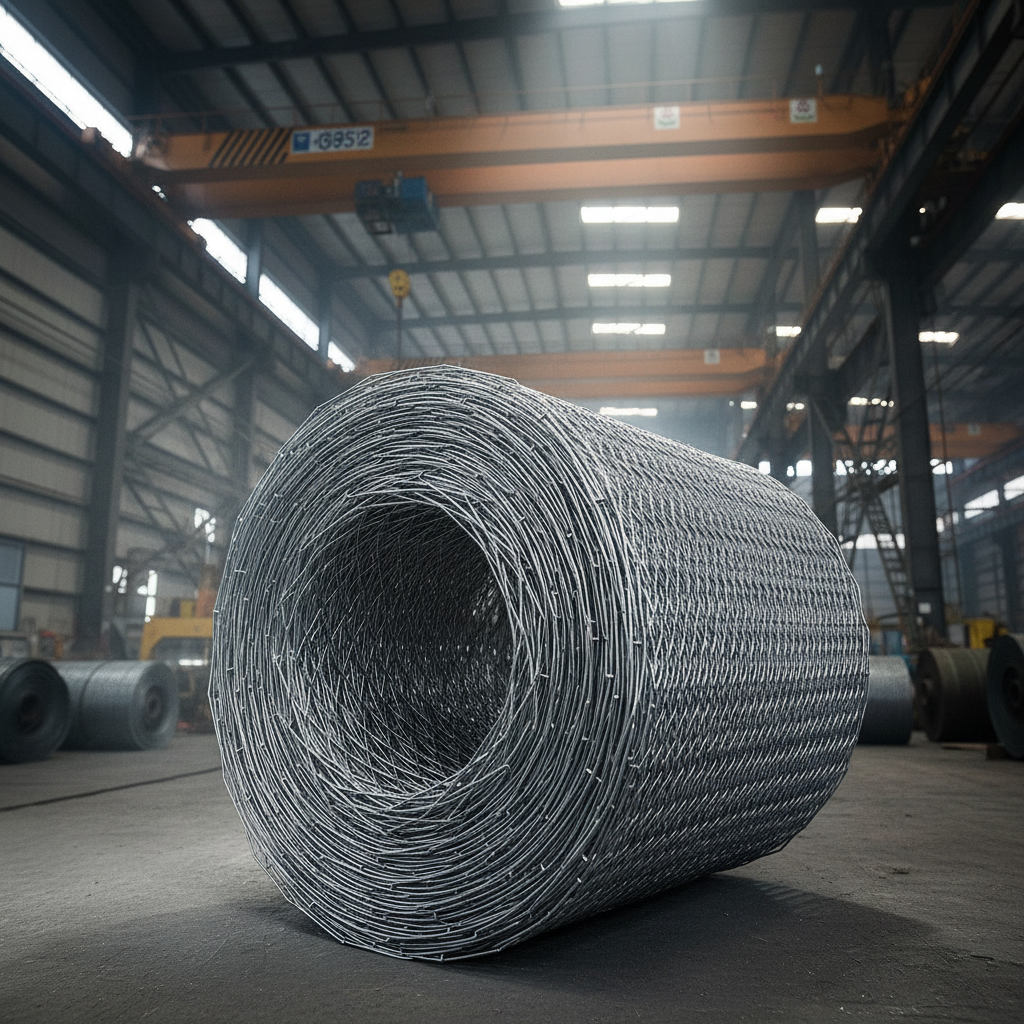
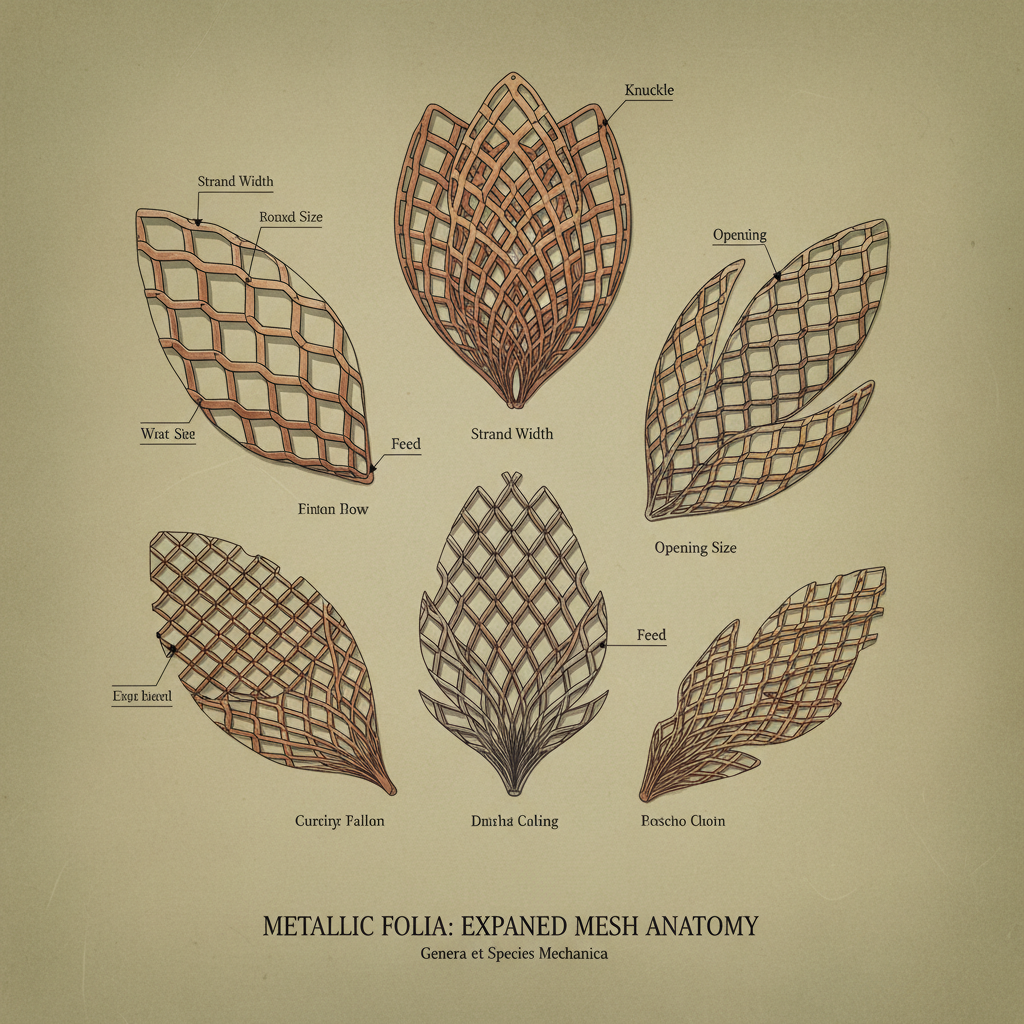
Wire mesh expanded metal is a solid metal sheet that has been slit and stretched, forming an open, diamond-shaped pattern with interconnected strands. This process creates a robust and lightweight material that retains a high percentage of its original strength. The result is a mesh-like structure without any welds, offering superior structural integrity and resistance to deformation.
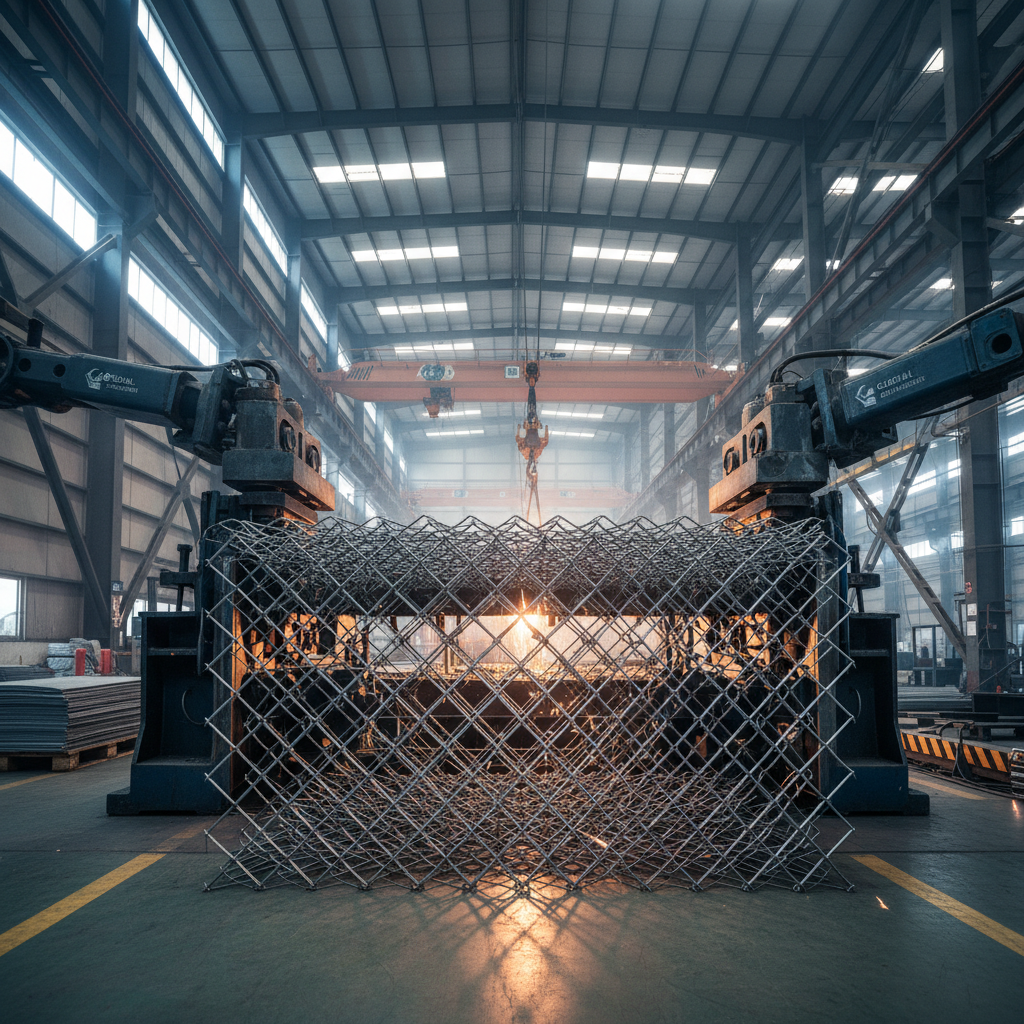
The manufacturing process utilizes specialized machinery to precisely cut and expand the metal sheet, allowing for customization of mesh size, strand width, and sheet thickness. This versatility makes wire mesh expanded metal adaptable to a wide range of specifications and project requirements, making it a valuable resource in numerous industries.
Global Relevance and Industry Context
Globally, wire mesh expanded metal plays a critical role in several key industries. The construction sector relies heavily on it for flooring gratings, facade cladding, and reinforcing mesh in concrete structures. The transportation industry utilizes it in vehicle grills, protective barriers, and noise reduction panels. The World Bank estimates that global infrastructure investment will reach $1 trillion annually by 2030, further solidifying the demand for durable and efficient construction materials like expanded metal.
The security sector also benefits significantly, employing wire mesh expanded metal for fencing, cages, and security screens due to its strength and visibility. Industrial applications abound, including filtration systems, speaker grills, and shelving. The ISO standards for material performance ensure consistent quality and reliability across these diverse applications.
A significant challenge is addressing the need for sustainable materials in a world increasingly focused on environmental responsibility. Expanded metal often utilizes recycled metals and has a long lifespan, reducing the need for frequent replacements. Moreover, its lighter weight compared to solid materials contributes to reduced transportation costs and lower carbon emissions.
Defining Wire Mesh Expanded Metal
At its core, wire mesh expanded metal isn't a woven structure; rather, it's created from a single piece of metal. The process involves making precise cuts into the metal sheet and then stretching it, opening up the cuts to form a diamond-shaped, interconnected mesh. This contrasts with woven wire mesh, which is created by interlacing individual wires.
This distinction is crucial because expanded metal retains the original metal’s strength and integrity, avoiding the weak points inherent in welded or joined structures. This makes it ideal for applications requiring high load-bearing capacity and resilience. It is a material deeply connected to modern industrial needs.
The properties of wire mesh expanded metal align directly with humanitarian and industrial challenges. Its strength and durability make it suitable for temporary shelters in disaster relief efforts, while its open structure allows for ventilation and light penetration. In industrial settings, it offers a cost-effective and reliable solution for filtration, safety guarding, and structural support. wire mesh expanded metal delivers value across diverse applications.
Key Factors and Core Components
Several key factors contribute to the exceptional performance of wire mesh expanded metal. Firstly, Durability is paramount. The solid metal construction and interconnected strands offer superior resistance to wear, tear, and impact, resulting in a long service life. Secondly, Versatility enables customization of mesh size and thickness, tailoring the material to specific application requirements.
Strength-to-weight Ratio is another critical aspect. The expanded metal retains a high percentage of its original strength while being significantly lighter than solid metal sheets. This reduces material costs and simplifies installation. Furthermore, Cost Efficiency is notable, as the manufacturing process minimizes material waste and requires less labor compared to fabrication from solid materials.
Comparison of Wire Mesh Expanded Metal Methods
Global Applications and Use Cases
The applications of wire mesh expanded metal are remarkably diverse. In construction, it’s used for walkways, stair treads, safety grating, and facade cladding. Across Europe, particularly in historic city centers, expanded metal is favored for restoration projects due to its aesthetic appeal and structural integrity.
In post-disaster relief operations, its lightweight and durable nature makes it ideal for temporary shelters and protective barriers. NGOs often utilize it for creating secure enclosures for aid distribution points. In remote industrial zones, such as mining operations in Australia and South America, expanded metal is crucial for safety walkways, platform grating, and equipment guarding.
The renewable energy sector increasingly relies on expanded metal for solar panel mounting structures, providing a stable and ventilated platform. The automotive industry utilizes it for grills, radiator protection, and speaker covers. wire mesh expanded metal’s global reach extends to nearly every industry needing durable, versatile, and cost-effective materials.
Advantages and Long-Term Value
The tangible benefits of utilizing wire mesh expanded metal are substantial. Reduced material costs, lower installation expenses due to its lighter weight, and minimal maintenance requirements translate into significant long-term savings. From a sustainability perspective, its potential for incorporating recycled materials and its extended lifespan contribute to a smaller environmental footprint.
Beyond the practical advantages, expanded metal fosters safety and security. Its open structure provides excellent visibility, enhancing safety in industrial environments and improving surveillance capabilities in security applications. Its inherent strength and durability inspire confidence and trust, ensuring long-term reliability and peace of mind.
Future Trends and Innovations
The future of wire mesh expanded metal is closely tied to advancements in materials science and manufacturing techniques. Research is ongoing to develop lighter-weight alloys and coatings that enhance corrosion resistance and extend the material's lifespan. Automation in the expansion process is increasing efficiency and precision, leading to lower production costs and improved quality control.
Integration with digital technologies, such as Building Information Modeling (BIM), is streamlining the design and construction process. The growing emphasis on green building practices and sustainable materials is further driving demand for expanded metal, particularly those made from recycled content. Innovations in surface treatments and finishes are expanding the material's aesthetic appeal and broadening its applications in architectural design.
The confluence of these factors positions wire mesh expanded metal as a critical component in the development of sustainable and resilient infrastructure for the future.
Challenges and Solutions
Despite its numerous advantages, wire mesh expanded metal faces certain challenges. Corrosion can be a concern in harsh environments, requiring protective coatings or the selection of corrosion-resistant alloys. Achieving consistent mesh size and strand uniformity across large production runs can be complex, demanding precise control of the expansion process.
To mitigate corrosion, manufacturers are employing advanced coating technologies, such as galvanizing, powder coating, and epoxy treatments. Implementing rigorous quality control measures and utilizing automated expansion equipment ensures consistent mesh quality and dimensional accuracy. Further research into novel alloys and manufacturing processes promises to overcome these challenges.
Innovative solutions such as utilizing specialized lubricants during the expansion process or implementing real-time monitoring systems to detect and correct deviations can further enhance the production process, ensuring high-quality and reliable wire mesh expanded metal products.
Core Analysis of Challenges and Solutions for wire mesh expanded metal
| Challenge Area |
Severity (1-10) |
Current Solution |
Potential Innovation |
| Corrosion Resistance |
7 |
Galvanizing, Powder Coating |
Self-healing coatings |
| Dimensional Accuracy |
6 |
Automated Expansion Control |
AI-powered precision adjustment |
| Material Cost |
5 |
Recycled Metal Usage |
Novel alloy development |
| Surface Finish Quality |
4 |
Polishing & Deburring |
Electropolishing techniques |
| Manufacturing Speed |
6 |
High-speed expansion machines |
Parallel processing expansion |
| Waste Material Reduction |
7 |
Optimized cutting patterns |
Closed-loop recycling systems |
FAQS
Wire mesh expanded metal finds widespread use in construction for flooring gratings, stair treads, safety walkways, facade cladding, and reinforcement in concrete structures. Its high strength-to-weight ratio, durability, and open grid design make it ideal for these applications. The material provides excellent slip resistance, ventilation, and allows natural light to pass through, enhancing safety and aesthetics.
Wire mesh expanded metal generally exhibits higher strength and durability compared to woven wire mesh. This is because expanded metal is made from a single piece of metal, retaining its original structural integrity, whereas woven mesh relies on interconnected wires. The absence of welds in expanded metal eliminates potential weak points, making it more resistant to deformation and fatigue.
Several corrosion protection methods are available, including galvanizing (zinc coating), powder coating, epoxy coatings, and utilizing corrosion-resistant alloys like stainless steel. The choice of protection depends on the environmental conditions and the required service life. Galvanizing is a cost-effective option, while powder coating offers enhanced aesthetic appeal and color options.
Yes, wire mesh expanded metal can be a sustainable choice. It often utilizes recycled metal content, reducing the demand for virgin materials. Its long lifespan minimizes the need for frequent replacements, reducing waste. Furthermore, its lighter weight compared to solid materials contributes to lower transportation costs and carbon emissions.
Mesh size and thickness are customized during the expansion process. The spacing between the strands and the thickness of the metal sheet are controlled by adjusting the cutting patterns and stretching parameters of the expansion machine. This allows for precise tailoring to specific application requirements. Manufacturers work with clients to determine the optimal specifications for their projects.
Lead times vary depending on the complexity of the order, the material specifications, and the manufacturer’s production schedule. Generally, standard orders may take 2-4 weeks, while custom orders with unique specifications can take 4-8 weeks. It is recommended to contact the supplier directly for accurate lead time estimates.
Conclusion
In conclusion, wire mesh expanded metal stands as a remarkably versatile and valuable material across a broad spectrum of industries. Its unique combination of strength, durability, cost-effectiveness, and sustainability positions it as a crucial component in modern construction, infrastructure development, and industrial applications. Its ability to be customized to diverse requirements ensures its relevance in a constantly evolving landscape.
Looking ahead, continued innovation in materials science and manufacturing processes will undoubtedly unlock even more potential for wire mesh expanded metal. Embracing sustainable practices, like utilizing recycled materials and optimizing production efficiency, will be key to ensuring its long-term viability. Explore the possibilities and discover how wire mesh expanded metal can elevate your projects.