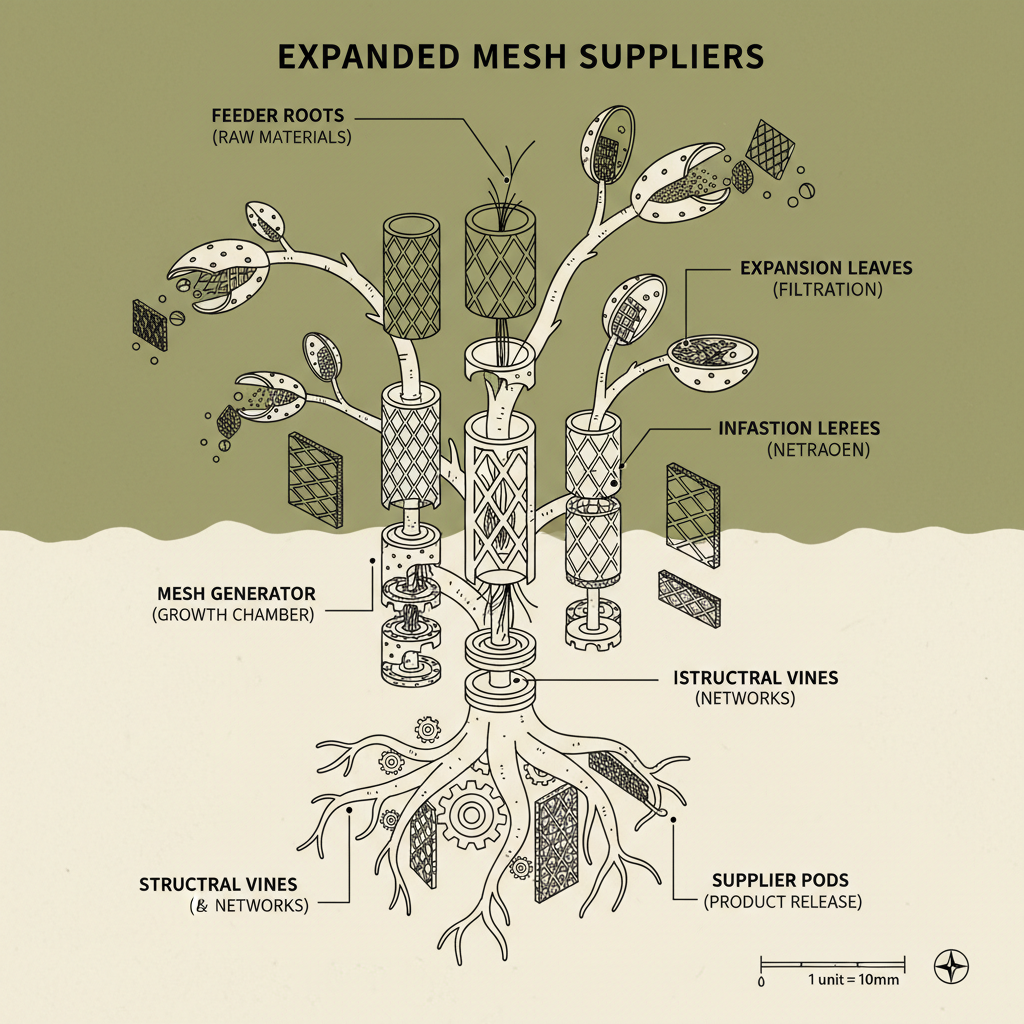
Wire mesh expanded is a versatile material gaining increasing global relevance due to its diverse applications in construction, infrastructure, and security. Its unique manufacturing process – stretching metal sheets to create a diamond or other patterned opening – results in a robust and cost-effective solution for a wide range of needs. The growing demand for efficient building materials, coupled with the need for robust security solutions, particularly in developing nations, drives the expansion of the wire mesh expanded market.
The increased frequency of natural disasters worldwide further amplifies the importance of rapidly deployable, durable solutions, and wire mesh expanded features prominently in many emergency response systems. Beyond immediate disaster relief, its longevity and relatively low maintenance costs provide sustainable benefits to communities rebuilding and reinforcing their infrastructure. This makes understanding its capabilities crucial for engineers, architects, and aid organizations alike.
Finally, the scalability of wire mesh expanded production, coupled with its adaptability to different metals and coatings, allows for customization to meet specific project requirements – driving innovation in a multitude of industries.
Introduction to wire mesh expanded
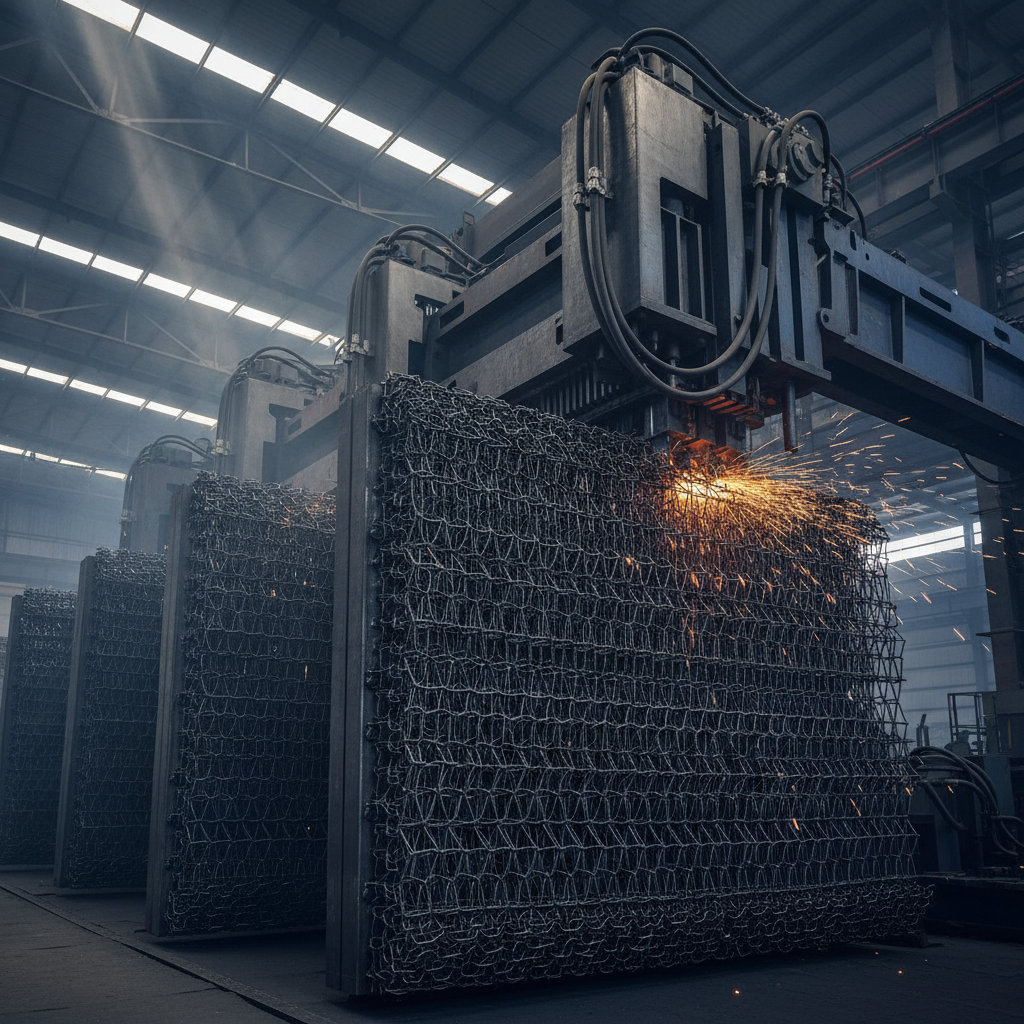
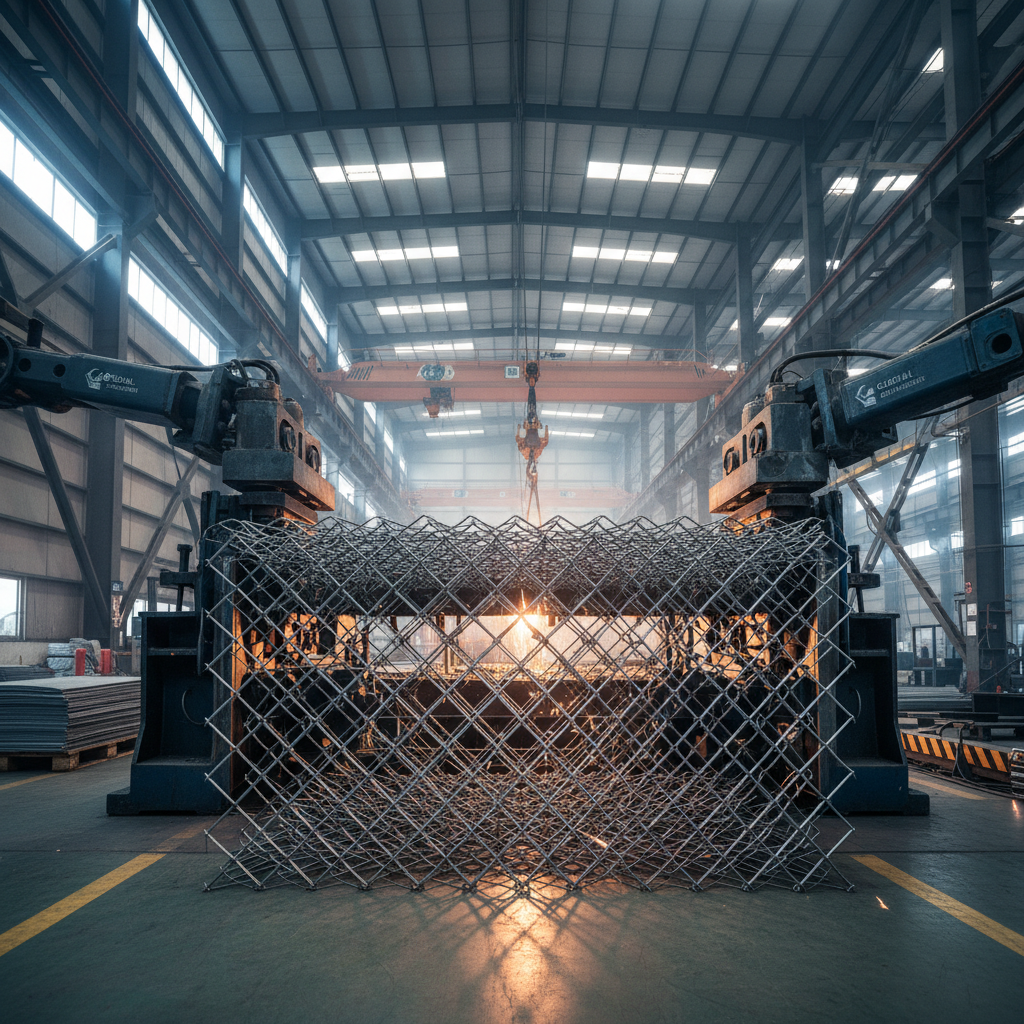
The core of wire mesh expanded lies in its manufacturing process - a single metal sheet is slit and then stretched, forming a diamond-shaped pattern with interconnected strands. This creates a material that retains its strength while offering significant weight reduction and air/light permeability. This technique is employed for materials such as stainless steel, aluminum, and carbon steel, allowing adaptation to diverse environmental and functional requirements.
This unique characteristic makes it ideal for applications needing both structural integrity and a degree of openness. Whether for safety barriers, architectural cladding, or filtration systems, expanded metal mesh provides a solution where traditional solid materials fall short.
Global Relevance and Applications
The global market for wire mesh expanded is experiencing consistent growth, driven by expanding construction industries in emerging economies and a rising focus on infrastructure development worldwide. According to a recent report by the World Bank, investment in infrastructure is critical for sustainable economic growth, with demand for robust and cost-effective materials like expanded metal expected to increase significantly.
Moreover, the demand for increased security in public spaces and industrial facilities contributes to its widespread adoption. The ISO standards governing building materials consistently incorporate guidelines that expanded metal often meets or exceeds, particularly in areas related to fire safety and structural resilience.
A pressing challenge this addresses is the need for efficient, durable, and safe building materials – particularly in regions prone to natural disasters. Its use in reinforcing structures, creating protective barriers, and providing temporary shelters showcases its practical value.
Defining wire mesh expanded
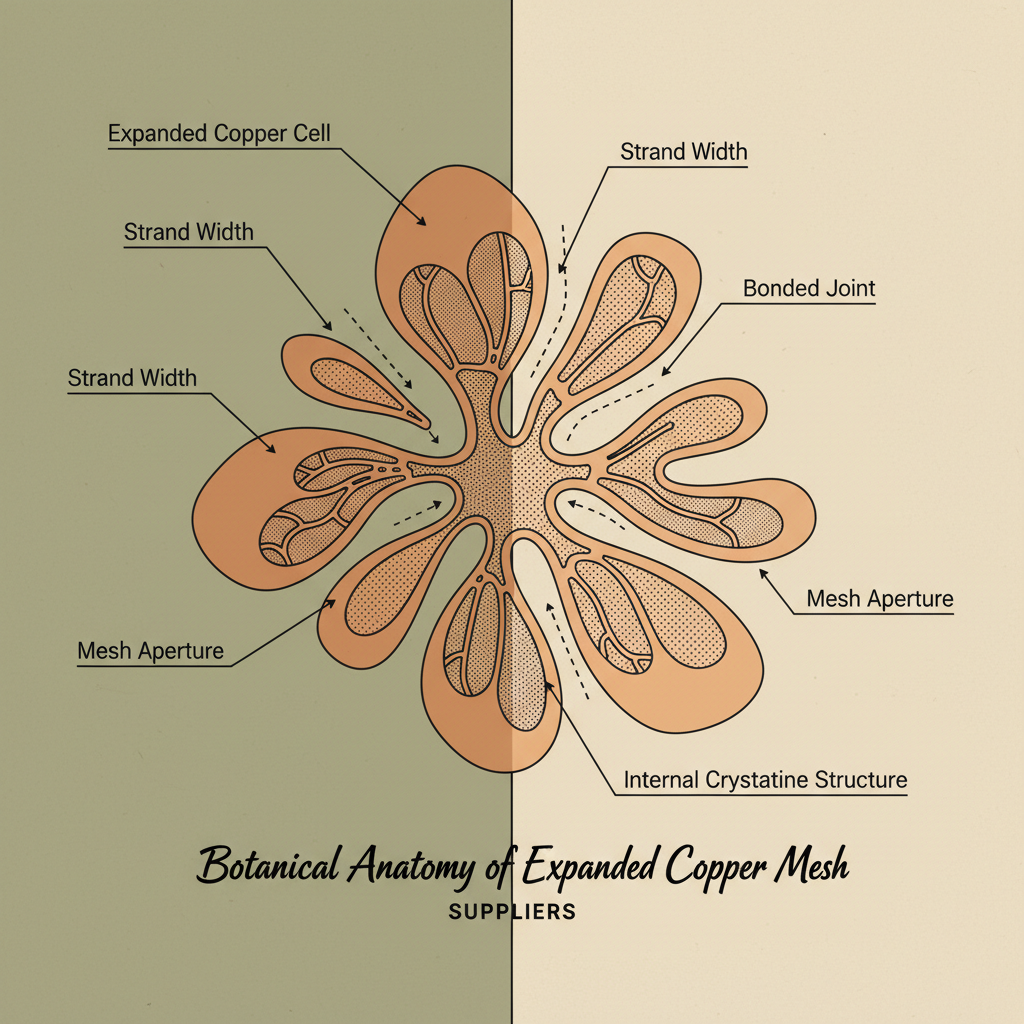
Wire mesh expanded, at its simplest, is a metal sheet that has been slit and stretched to create a mesh-like structure. Unlike woven wire mesh, it's formed from a single piece of metal, retaining considerable strength and rigidity. This results in a material known for its consistent aperture size, making it suitable for applications requiring uniform openings.
Its connection to modern industry stems from its versatility and cost-effectiveness. It's readily adaptable to various metals, thicknesses, and opening sizes, making it a customizable solution for a broad spectrum of industrial and architectural needs. From airport walkways to sound diffusion panels, its adaptability is a key strength.
This readily available material plays a critical role in meeting both industrial and humanitarian needs. Its application ranges from simple safety features to complex structural reinforcements, reflecting its adaptability and inherent value in modern design and engineering.
Key Characteristics of wire mesh expanded
The exceptional properties of wire mesh expanded stem from several core characteristics. First, its durability is noteworthy – the robust, single-piece construction resists deformation and corrosion, making it suitable for harsh environments. Second, its strength-to-weight ratio is remarkably high, offering structural integrity without excessive weight.
Thirdly, the inherent scalability of the manufacturing process allows for production in various sizes and patterns, catering to bespoke project needs.
Comparison of wire mesh expanded Manufacturing Methods
Wide-Ranging Global Applications
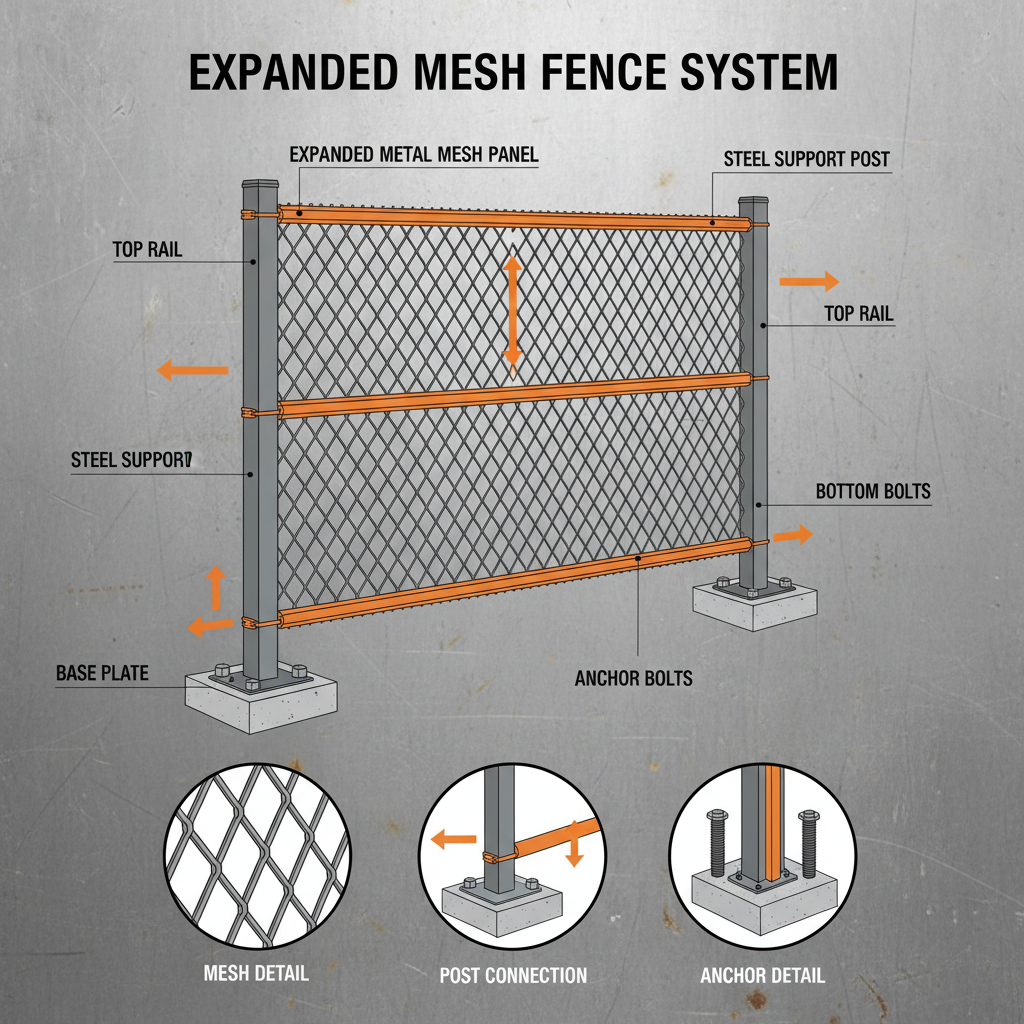
The applications of wire mesh expanded are incredibly diverse. In construction, it serves as flooring gratings, facade cladding, and reinforcing mesh for concrete. The automotive industry utilizes it for speaker grills and radiator protection. Security applications include fencing, animal enclosures, and protective cages.
In post-disaster relief operations, expanded metal is quickly deployed as temporary shelters, reinforcing materials for damaged structures, and effective drainage solutions. In remote industrial zones, it provides robust protection for equipment and personnel, while its durability minimizes maintenance requirements.
Advantages and Long-Term Value
The tangible benefits of using wire mesh expanded include significant cost savings due to its efficient manufacturing and minimal waste. Its longevity reduces lifecycle costs, and its recyclable nature promotes sustainability. From a social impact perspective, its ease of deployment contributes to faster responses in emergency situations.
Logically, its strength and durability translate to enhanced safety and reduced risk of failure. Emotionally, its use in humanitarian applications fosters trust and demonstrates a commitment to resilient infrastructure and community well-being. This trust extends to industrial clients who value its reliable performance.
Future Trends and Innovations
Future trends point toward the integration of smart materials and coatings with wire mesh expanded to enhance its functionality. For instance, self-cleaning coatings and sensors integrated into the mesh structure could provide real-time monitoring of structural integrity. Further research into utilizing recycled metals in the manufacturing process will contribute to greater sustainability.
Digital transformation is also impacting the industry, with the development of automated manufacturing processes improving precision and reducing production costs. The potential for using expanded metal in green energy applications, such as solar panel support structures, is also being explored, showcasing its versatility and adaptability to emerging technologies.
These innovations highlight the continued relevance and potential of wire mesh expanded in addressing future challenges and opportunities.
Challenges and Solutions
Despite its benefits, challenges exist. Corrosion in certain environments remains a concern, requiring appropriate coatings or material selection. The potential for sharp edges necessitates careful fabrication and installation procedures. Maintaining consistent quality across different manufacturers can also be a hurdle.
Expert insights suggest utilizing advanced coating technologies, such as zinc-aluminum alloys, to significantly enhance corrosion resistance. Employing automated edge-rounding machines during fabrication minimizes the risk of injury. Furthermore, adherence to rigorous quality control standards and independent certification programs can ensure consistent product performance.
Summary of Challenges and Solutions for wire mesh expanded
| Challenge |
Severity (1-10) |
Proposed Solution |
Implementation Cost (USD) |
| Corrosion in Marine Environments |
8 |
Zinc-Aluminum Alloy Coating |
500-1500 |
| Sharp Edges |
6 |
Automated Edge Rounding |
2000-5000 |
| Quality Control Variance |
7 |
ISO 9001 Certification |
1000-3000 |
| Limited Design Flexibility |
4 |
Advanced Stretching Techniques |
800-2000 |
| High Shipping Costs |
5 |
Regional Manufacturing Hubs |
10000-50000 |
| Material Sourcing Sustainability |
6 |
Recycled Metal Integration |
500-1000 |
FAQS
Wire mesh expanded offers several advantages, including greater strength due to its single-piece construction, consistent aperture size for uniform filtration or screening, and reduced material waste during manufacturing. Woven wire mesh can sometimes unravel or deform, while expanded metal maintains its structural integrity even under stress. This makes it ideal for applications requiring durability and consistent performance.
The expanded metal process generates minimal scrap material compared to other fabrication methods. This drastically reduces material costs. Additionally, the process is relatively quick and efficient, reducing labor expenses. The single-piece construction reduces welding or joining requirements, further lowering production costs. These factors contribute to its overall cost-effectiveness, especially for large-scale projects.
Common metals include carbon steel, stainless steel, aluminum, and galvanized steel. Carbon steel is often chosen for its strength and affordability, while stainless steel offers excellent corrosion resistance. Aluminum is favored for lightweight applications, and galvanized steel provides a cost-effective corrosion barrier. The choice of metal depends on the specific application and environmental conditions.
Customization options include varying the sheet thickness, the size and shape of the openings (diamond, hexagonal, square, etc.), the metal type, and the application of surface treatments like powder coating or galvanization. Manufacturers can also tailor the sheet dimensions to fit specific project specifications. This flexibility makes it a versatile solution for a wide range of applications.
In construction, it is commonly used for flooring gratings, stair treads, walkway platforms, facade cladding, sunshades, security fencing, and reinforcing mesh for concrete. Its open structure provides excellent drainage and ventilation, while its strength and durability ensure long-lasting performance. It also contributes to aesthetically pleasing designs in modern architecture.
Several coating options enhance corrosion resistance, including galvanization (zinc coating), powder coating, and specialized coatings like zinc-aluminum alloys. Galvanization provides a sacrificial layer of protection, while powder coating offers a durable, colorful finish. Zinc-aluminum coatings offer superior long-term corrosion resistance, especially in harsh environments.
Conclusion
In conclusion, wire mesh expanded is a remarkably versatile and cost-effective material with a wide range of applications spanning construction, infrastructure, security, and emergency response. Its unique manufacturing process results in a robust, durable, and customizable solution that addresses critical needs in a variety of industries. From enhancing building safety to facilitating disaster relief, its benefits are far-reaching.
Looking ahead, continued innovation in materials science and manufacturing techniques will further expand the potential of wire mesh expanded, enabling even more sophisticated applications. Its adaptability to emerging technologies, such as smart coatings and integrated sensors, positions it as a vital material for a sustainable and resilient future. To learn more about how wire mesh expanded can benefit your project, visit our website: www.ztwiremesh.com