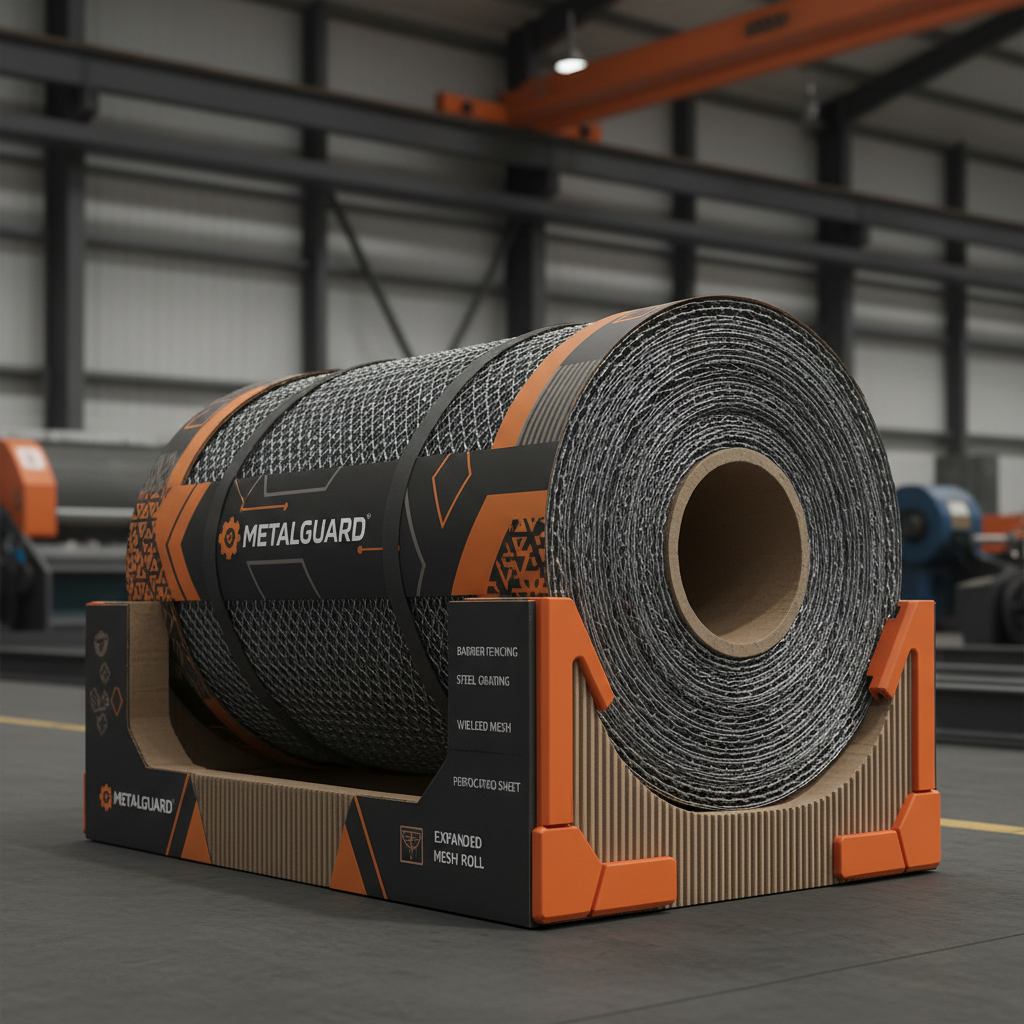
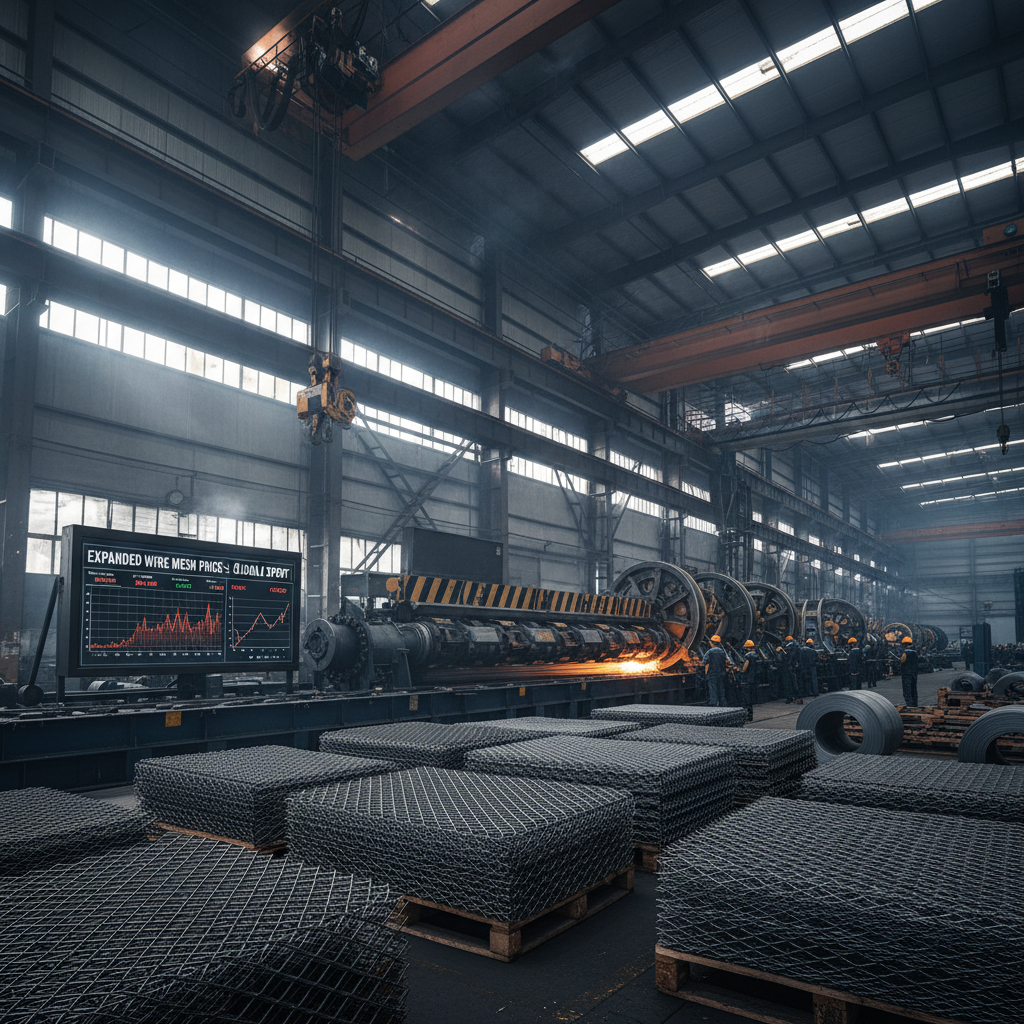
When it comes to balancing high-security requirements with architectural aesthetics, the expanded mesh fence stands out as a premier engineering solution. Unlike traditional woven wire, expanded metal is created by slitting and stretching a single piece of steel or aluminum, resulting in a rigid, diamond-shaped pattern that offers exceptional strength without the risk of unraveling.
Globally, the demand for robust perimeter protection has surged as industrial sites, urban infrastructures, and residential complexes seek materials that are both durable and cost-effective. The versatility of an expanded mesh fence allows it to adapt to various environments, from corrosive coastal regions to high-traffic urban centers, making it a cornerstone of modern security fencing.
Understanding the technical nuances of this material—from its gauge and strand width to its coating options—is essential for any project manager or developer. By leveraging the inherent structural integrity of expanded metal, organizations can achieve a level of security that is not only formidable but also visually cohesive with the surrounding landscape.
Global Relevance and Industry Context of Expanded Mesh Fence
In the current global landscape, the security of critical infrastructure—ranging from power plants to transportation hubs—has become a priority for governments worldwide. According to ISO quality standards for metal products, the shift toward materials that offer a higher strength-to-weight ratio is evident. The expanded mesh fence addresses this need by providing a rigid barrier that is significantly harder to cut or climb than traditional chain-link alternatives.
The challenge many industries face is the trade-off between security and visibility. Heavy walls often create a "prison-like" atmosphere that can be detrimental to community relations or architectural value. Expanded metal provides a semi-transparent yet impenetrable boundary, solving the problem of "blind spots" for security personnel while maintaining a strict physical deterrent against unauthorized entry.
Defining the Engineering Behind Expanded Mesh Fence
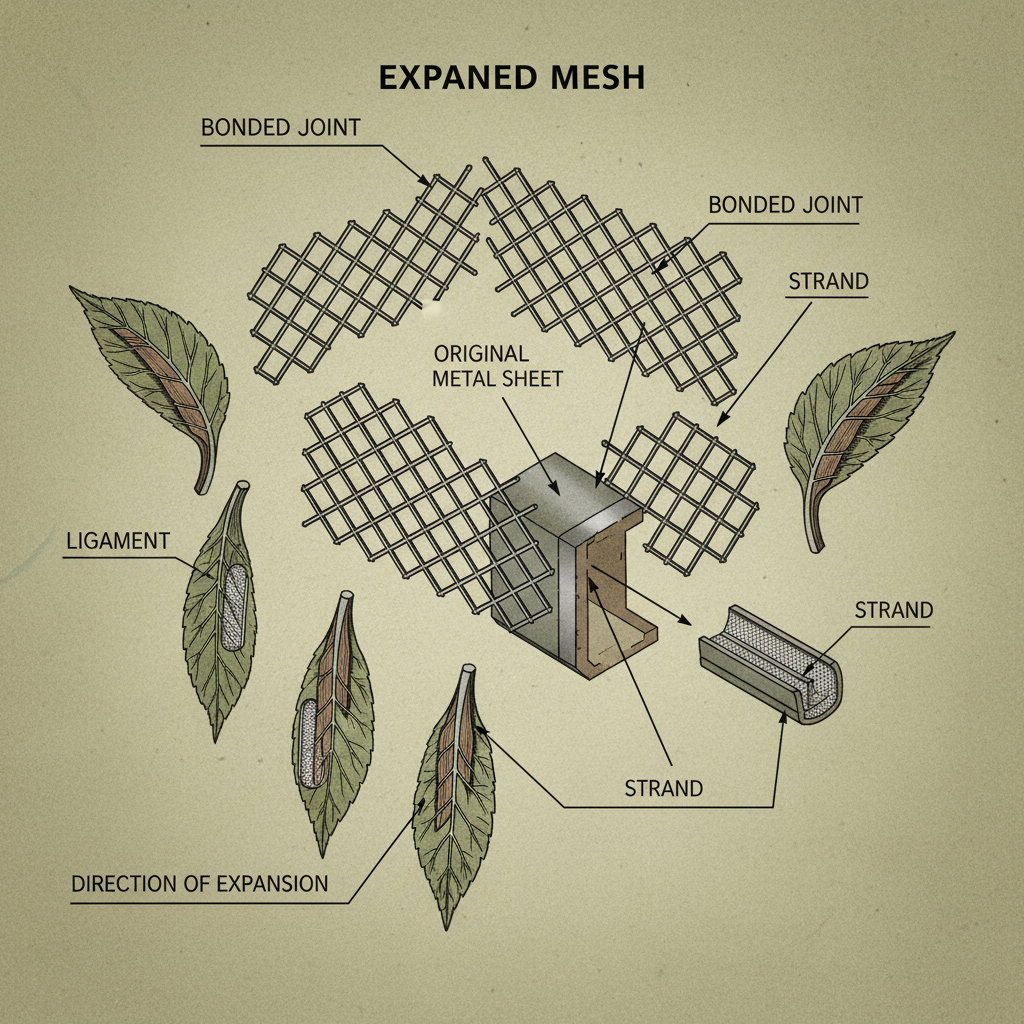
At its most basic level, an expanded mesh fence is produced through a specialized process of simultaneous shearing and stretching. Unlike welding or weaving, which join separate wires together, expansion modifies a solid sheet of metal. This creates a continuous, monolithic structure where every "diamond" is an integral part of the whole, meaning there are no joints or welds to fail over time.
This unique manufacturing method creates a three-dimensional geometry that increases the stiffness of the panel. From a physics perspective, the angled strands of the expanded mesh provide inherent structural support in multiple directions, making the fence highly resistant to impact and deformation. This is why it is frequently specified for high-security zones where physical breaches must be prevented at all costs.
Beyond the mechanical strength, the definition of a modern expanded mesh system includes its surface treatment. Whether it is hot-dip galvanization for rust prevention or PVC coating for environmental blending, the engineering extends beyond the mesh itself to ensure the longevity of the barrier in the most aggressive weather conditions.
Core Components of a High-Performance Expanded Mesh Fence
The first critical factor in an expanded mesh fence is material selection. High-carbon steel is often used for maximum deterrence, while aluminum is selected for projects where corrosion resistance is paramount. The choice of material directly dictates the fence's lifespan and the level of maintenance required over the next two decades.
Another essential component is the "diamond size" and "strand width." These parameters determine the "aperture" of the expanded mesh fence. Smaller apertures prevent the insertion of tools or hands, enhancing security, while larger openings may be used for decorative or perimeter boundaries where visibility is the priority.
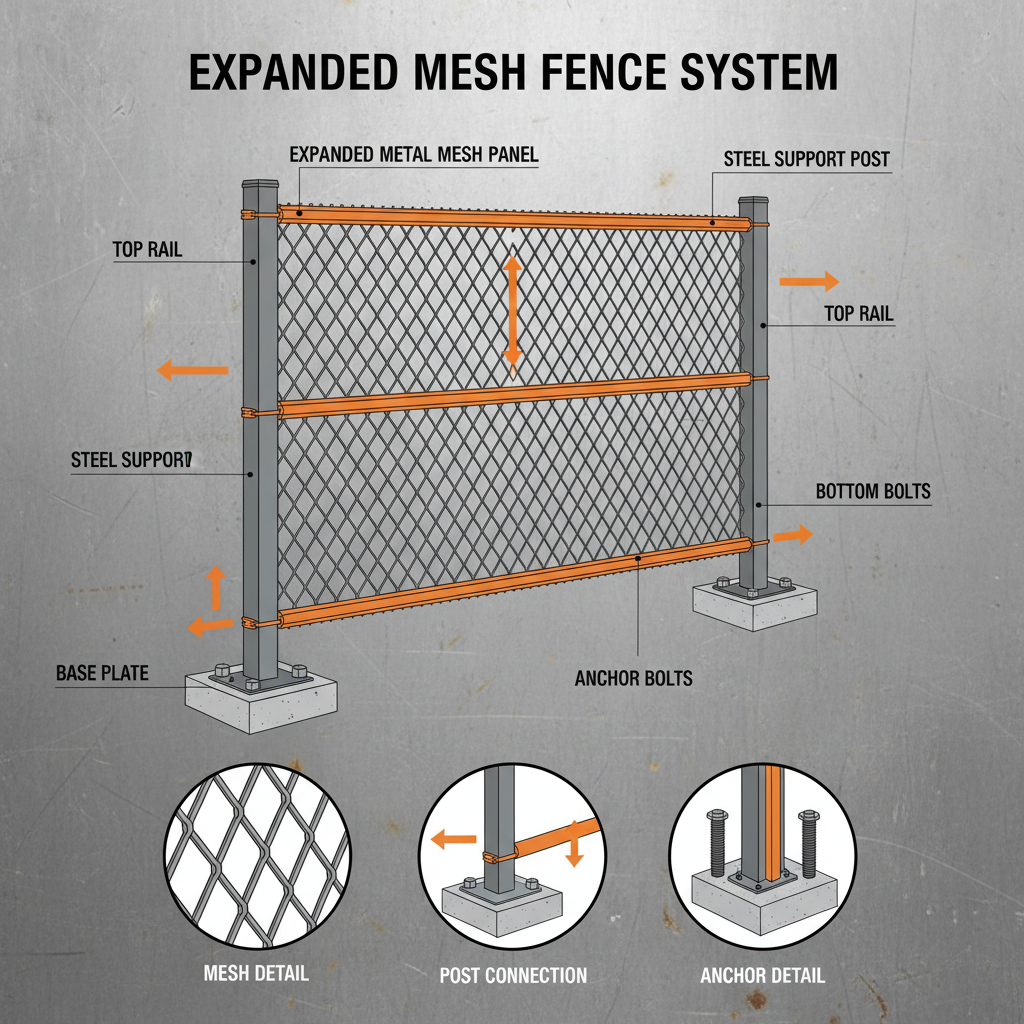
Finally, the integration of the mesh with the supporting framework—such as galvanized steel posts and rails—is what completes the system. A high-performance fence is not just about the mesh, but the synergy between the flexible strength of the expanded metal and the rigid stability of the framing, ensuring the entire structure remains plumb and secure under stress.
Strategic Global Applications of Expanded Mesh Fence
The practical application of the expanded mesh fence spans across diverse sectors. In industrial zones across Europe and North America, these fences are utilized to protect warehouses and chemical plants, where they provide a fire-resistant and durable barrier. In remote mining sites in Australia or Africa, the ease of transport—due to the mesh's lightness relative to its strength—makes it the preferred choice for rapid deployment.
Beyond heavy industry, we see an increasing trend in urban architectural integration. Many modern stadiums and transport hubs use expanded metal for crowd control and safety barriers. Because the material allows for airflow and light penetration, it reduces the "wind-load" on the structure, which is a critical safety consideration for tall perimeter fences in hurricane-prone or high-wind regions.
Comparative Performance of Expanded Mesh Fence Variations
Long-term Value and Sustainability Advantages
Investing in an expanded mesh fence offers significant long-term economic value. Because the manufacturing process involves no waste (the metal is stretched, not cut away), it is inherently more sustainable than perforated metal. Furthermore, the longevity of hot-dip galvanized expanded metal reduces the frequency of replacements, lowering the total cost of ownership over a 20-year lifecycle.
From a psychological and social perspective, the use of expanded mesh provides a sense of "transparent security." It protects assets without isolating the facility from its environment. This balance of trust and safety is essential for corporate campuses and public institutions, where the goal is to discourage intrusion without creating a hostile architectural presence.
Future Trends in Expanded Mesh Fence Technology
The evolution of the expanded mesh fence is currently being driven by the integration of "smart" technologies. We are seeing the rise of hybrid systems where expanded metal panels are embedded with vibration sensors and fiber-optic detection cables. This transforms a passive physical barrier into an active surveillance system that can alert security teams to the exact location of a tampering attempt in real-time.
Material science is also pushing the boundaries. The development of new nano-coatings is providing unprecedented levels of corrosion resistance, allowing expanded mesh to be used in extreme saline environments (like offshore platforms) without the risk of pitting or oxidation. These advancements ensure that the fence remains structurally sound for decades, regardless of the environment.
Additionally, there is a growing movement toward "green" fencing. By utilizing recycled steel and aluminum, manufacturers are reducing the carbon footprint of each panel. The ability to integrate climbing plants into the diamond structure of the expanded mesh also allows for the creation of "living walls," blending high-security requirements with urban reforestation goals.
Overcoming Common Implementation Challenges
One of the most common challenges when installing an expanded mesh fence is ensuring the correct orientation of the mesh. Because expanded metal is directional, installing it with the "diamonds" facing the wrong way can either compromise the climb-resistance or make the fence easier to cut. Expert installation requires precise alignment to maximize the deterrent effect of the strand angles.
Another limitation is the presence of "sharp edges" inherent in the slitting process. While these edges act as a deterrent to climbers, they can pose a safety risk during installation or in public-access areas. The solution lies in the use of reinforced edge trimming and the application of protective capping rails that cover the top and bottom of the mesh, ensuring safety without sacrificing security.
Finally, selecting the wrong gauge for the specific environment can lead to premature sagging or failure. Our expert recommendation is to conduct a site-specific stress analysis—considering wind loads and potential impact forces—to choose the optimal strand thickness. This proactive approach prevents costly retrofits and ensures the fence performs as intended for its entire service life.
Core Analysis of Expanded Mesh Fence Implementation Factors
|
Material Type
|
Security Level
|
Corrosion Resistance
|
Ideal Application
|
| Hot-Dip Galvanized Steel |
High |
Very High |
Industrial Perimeters |
| PVC Coated Steel |
Medium-High |
High |
Parks and Residential |
| Stainless Steel (304/316) |
Very High |
Extreme |
Chemical Plants/Marine |
| Aluminum Alloy |
Medium |
Very High |
Architectural Facades |
| Powder Coated Steel |
High |
Medium |
Commercial Centers |
| Heavy Carbon Steel |
Extreme |
Medium |
Military Installations |
FAQS
Unlike chain link, which is made of woven wires that can be easily cut or peeled back, an expanded mesh fence is a single, continuous sheet of metal. This monolithic structure means there are no individual wires to cut through, and the rigid diamond geometry makes it significantly harder to climb or bend, providing a superior physical deterrent for high-security needs.
For coastal or high-salinity environments, we recommend using either stainless steel (Grade 316) or hot-dip galvanized steel with an additional PVC or powder coating. The hot-dip process ensures that the zinc coating penetrates every crevice of the expanded mesh, while the outer polymer layer provides an airtight seal against saltwater corrosion.
Actually, it is quite adaptable. Because the mesh is supplied in panels or rolls that can be customized, it can be stepped or raked to follow the contour of the land. When paired with a flexible framing system, it maintains its structural integrity and security level even on slopes or irregular ground.
Yes, absolutely. By adjusting the aperture size and applying architectural coatings, expanded mesh can serve as a sophisticated design element. It is frequently used in "modern-industrial" architecture for balcony railings, decorative facades, and semi-private screens, offering a sleek look without sacrificing the safety of the premises.
Depending on the material and coating, a high-quality expanded mesh fence can last between 20 to 50 years. Hot-dip galvanized steel in a moderate climate typically lasts 25+ years, while stainless steel in industrial settings can exceed 50 years with minimal maintenance, making it a highly cost-effective long-term investment.
Maintenance for PVC-coated mesh is minimal. We recommend a periodic rinse with water and a mild detergent to remove salt and dirt buildup. If the coating becomes scratched, a touch-up paint or specialized PVC sealant can be applied to prevent moisture from reaching the steel core, ensuring the lifespan remains intact.
Conclusion
In summary, the expanded mesh fence represents the ideal intersection of strength, sustainability, and versatility. By eliminating the weaknesses of traditional woven and welded systems, it provides a monolithic barrier that is resistant to breach and weather-resistant across diverse global climates. From industrial security to architectural design, its ability to be customized in material and geometry makes it an indispensable tool for modern perimeter protection.
Looking ahead, the integration of smart sensors and eco-friendly materials will only enhance the value of expanded metal systems. For organizations seeking a future-proof security solution that balances rigid deterrence with visual transparency, investing in high-quality expanded mesh is the most strategic choice. We invite you to explore our full range of security solutions to find the perfect fit for your project. Visit our website: www.ztwiremesh.com