Expanded mesh panels are integral components in a diverse range of industries, from construction and security to industrial flooring and architectural design. Their unique open-grid structure provides exceptional strength-to-weight ratios, making them a preferred material for applications demanding durability and ventilation. Understanding the properties and applications of expanded mesh panels is crucial for engineers, architects, and procurement professionals seeking optimized solutions for their projects.
Globally, the demand for expanded mesh panels continues to grow, driven by increasing infrastructure development, heightened security concerns, and a rising emphasis on sustainable construction practices. The material’s versatility and cost-effectiveness position it as a key material in both developed and emerging economies. This increased demand necessitates a thorough understanding of its manufacturing processes, material specifications, and long-term performance characteristics.
The widespread use of expanded mesh panels demonstrates their importance in creating safer, more efficient, and aesthetically pleasing structures and systems. From safeguarding perimeters to enabling airflow in industrial settings, these panels offer solutions that enhance performance and durability, making them an invaluable asset across multiple sectors.
The Significance of Expanded Mesh Panels
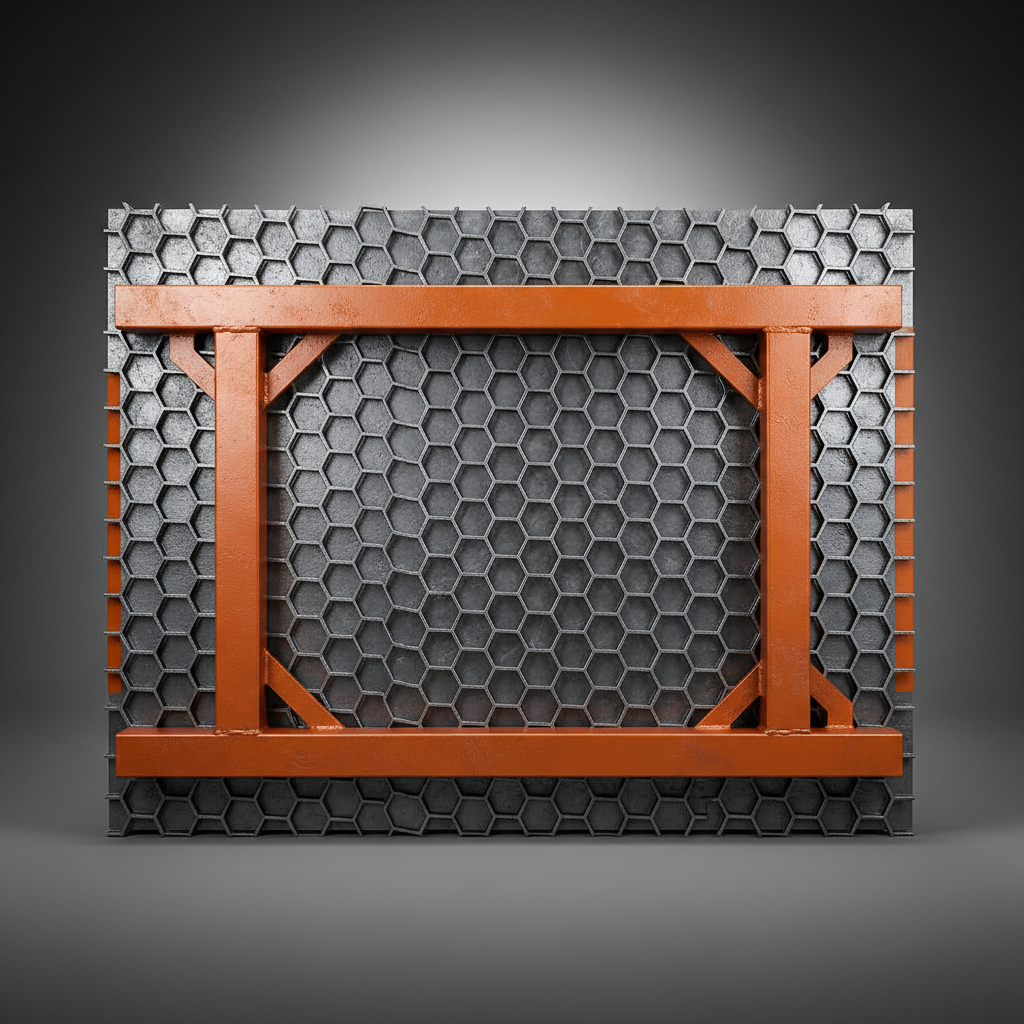
Expanded mesh panels represent a versatile and robust material solution with applications spanning numerous industries. Their inherent strength, coupled with their open-grid design, allows for excellent ventilation, light transmission, and fluid passage. This makes them ideal for security fencing, architectural features, industrial flooring, and more. expanded mesh panels are becoming increasingly important in modern construction and industrial projects.
The significance lies not only in their functional benefits but also in their sustainable qualities. Many expanded mesh panels are manufactured from recycled materials, and their durability minimizes the need for frequent replacements, reducing waste and environmental impact. This positions them as a responsible choice for environmentally conscious businesses and projects.
Understanding Expanded Mesh Panels: A Definition
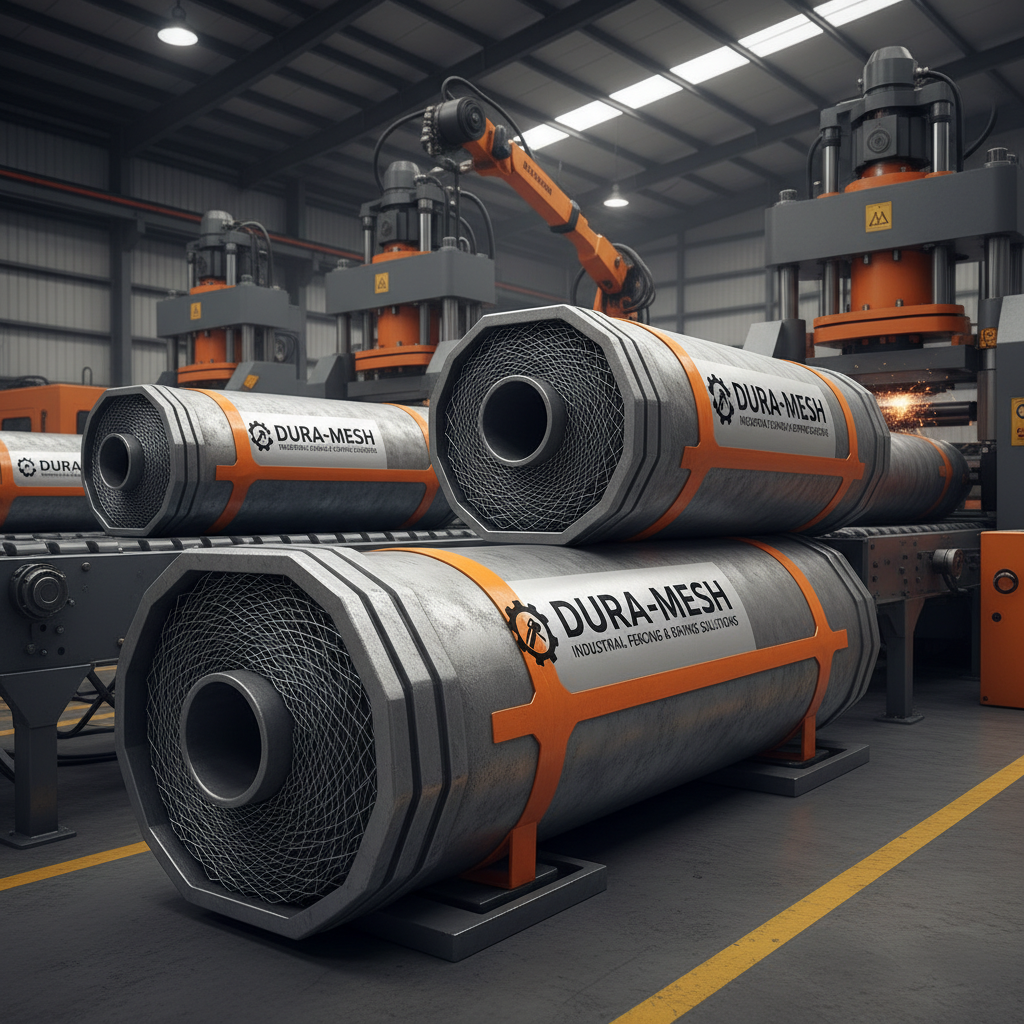
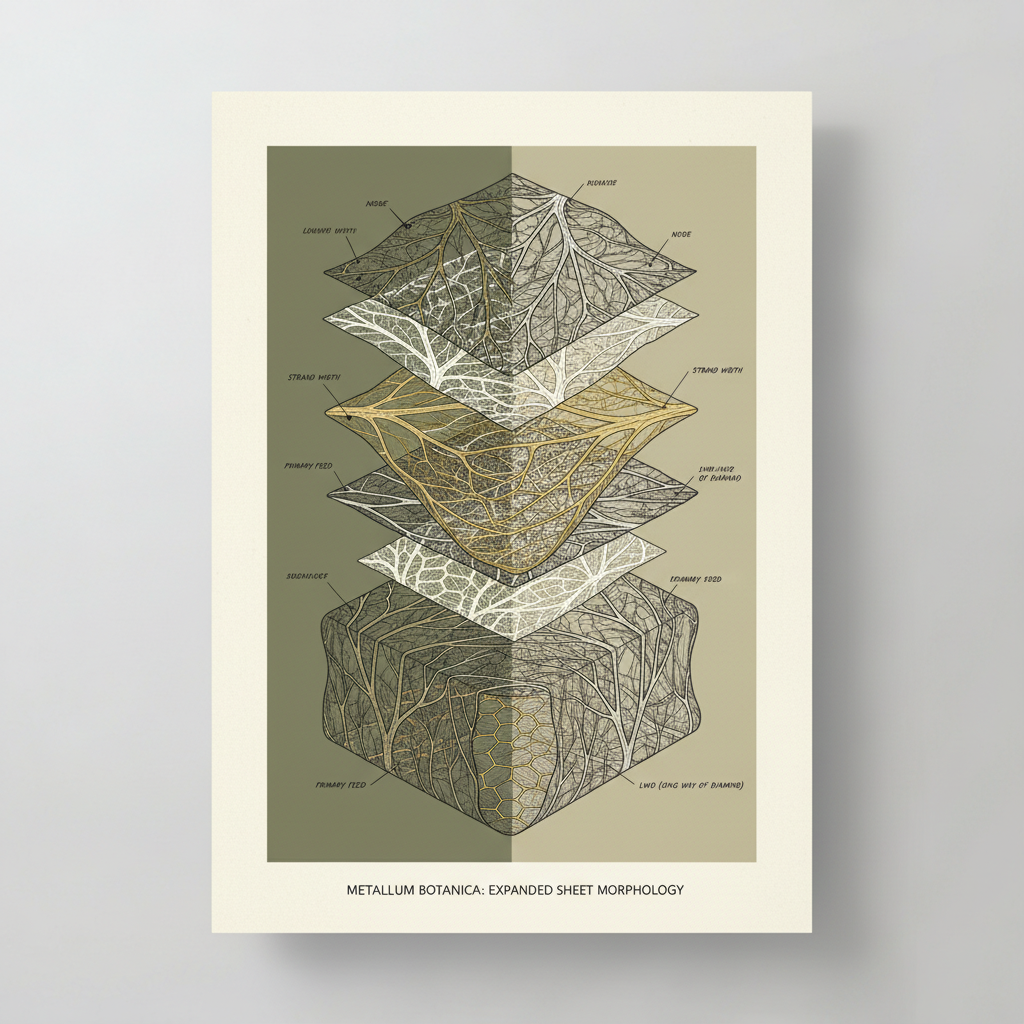
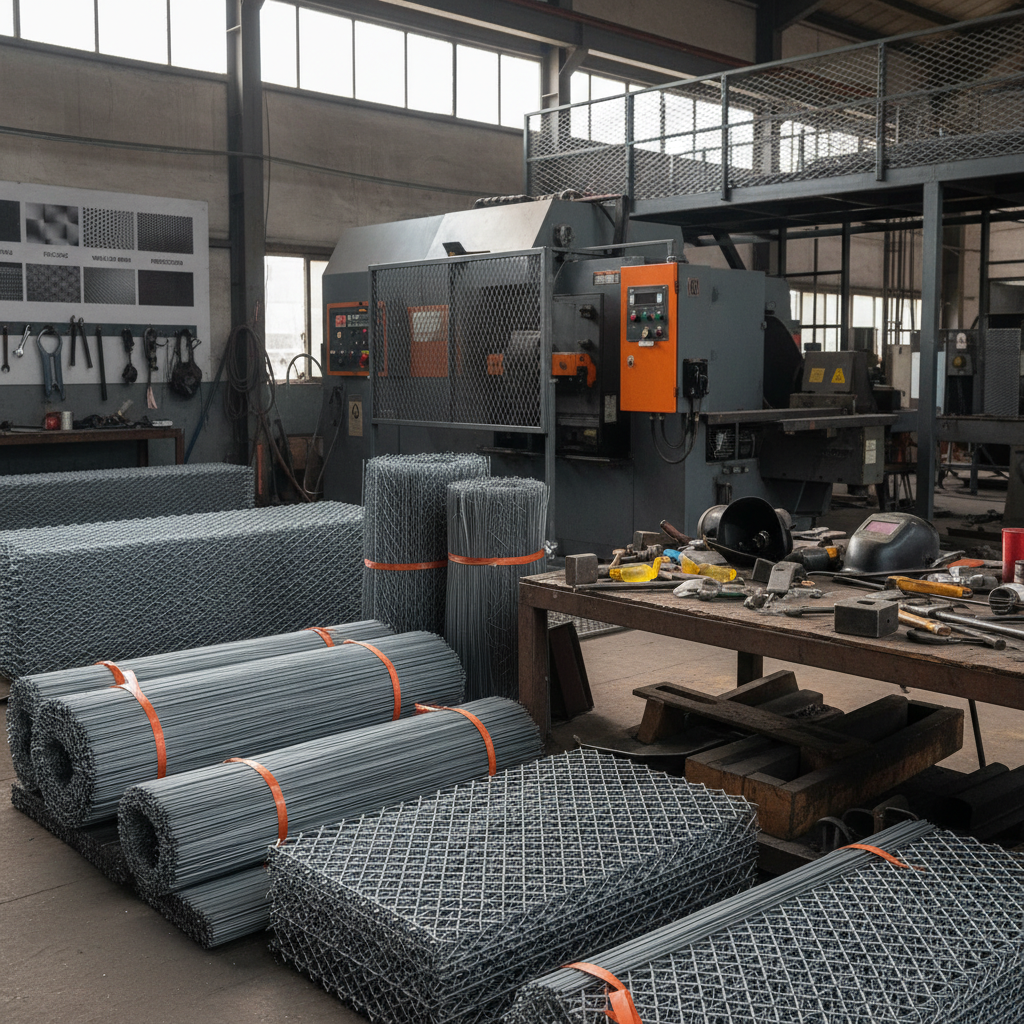
Expanded mesh panels are created by slitting and stretching a metal sheet, resulting in a diamond-shaped opening pattern. Unlike woven wire mesh, expanded metal is a single piece, eliminating the risk of unraveling or losing integrity. The slitting and stretching process maintains a high percentage of the original metal's strength and rigidity, making it a durable and reliable material.
This process results in a product that is fundamentally different from perforated metal sheets, which involve removing material to create holes. Expanded metal retains its material density, contributing to its superior strength and load-bearing capabilities. This makes it an excellent choice for applications where structural integrity is paramount.
The material’s connection to modern industry extends beyond its structural advantages. The inherent properties of expanded mesh panels contribute to safety, security, and architectural design, proving invaluable in diverse applications ranging from security fencing to industrial filtration and decorative screens.
Core Properties of Expanded Mesh Panels
The defining characteristics of expanded mesh panels center around their inherent strength and unique design. These panels boast exceptional tensile strength, meaning they can withstand significant pulling forces without deformation. This is a direct result of the stretching process, which work-hardens the metal. expanded mesh panels exhibit superior durability.
Another key property is their excellent resistance to impact and abrasion. The open grid design allows for some degree of flexibility, absorbing energy from impacts without fracturing. This characteristic makes them suitable for use in applications where protection against physical damage is crucial. Furthermore, the consistent opening size allows for predictable airflow or filtration.
Corrosion resistance is also a significant benefit, particularly when using materials like stainless steel or galvanized steel. This resistance minimizes maintenance requirements and extends the lifespan of the panels, reducing long-term costs. These panels can also be easily coated or painted to enhance their corrosion protection and aesthetic appeal.
Diverse Applications of Expanded Mesh Panels
Expanded mesh panels find extensive application in the construction industry as flooring, walkways, stair treads, and safety grating. Their non-slip surface and structural integrity provide a secure footing in industrial and commercial environments. They are also used as facade cladding, offering a modern and aesthetically pleasing architectural element.
In the security sector, expanded metal is a key component in the manufacture of robust fencing and protective barriers, providing high visibility and deterring unauthorized access. Its resistance to cutting and climbing makes it a preferred choice for perimeter security in high-security environments. Applications range from airport fencing to high-security correctional facilities.
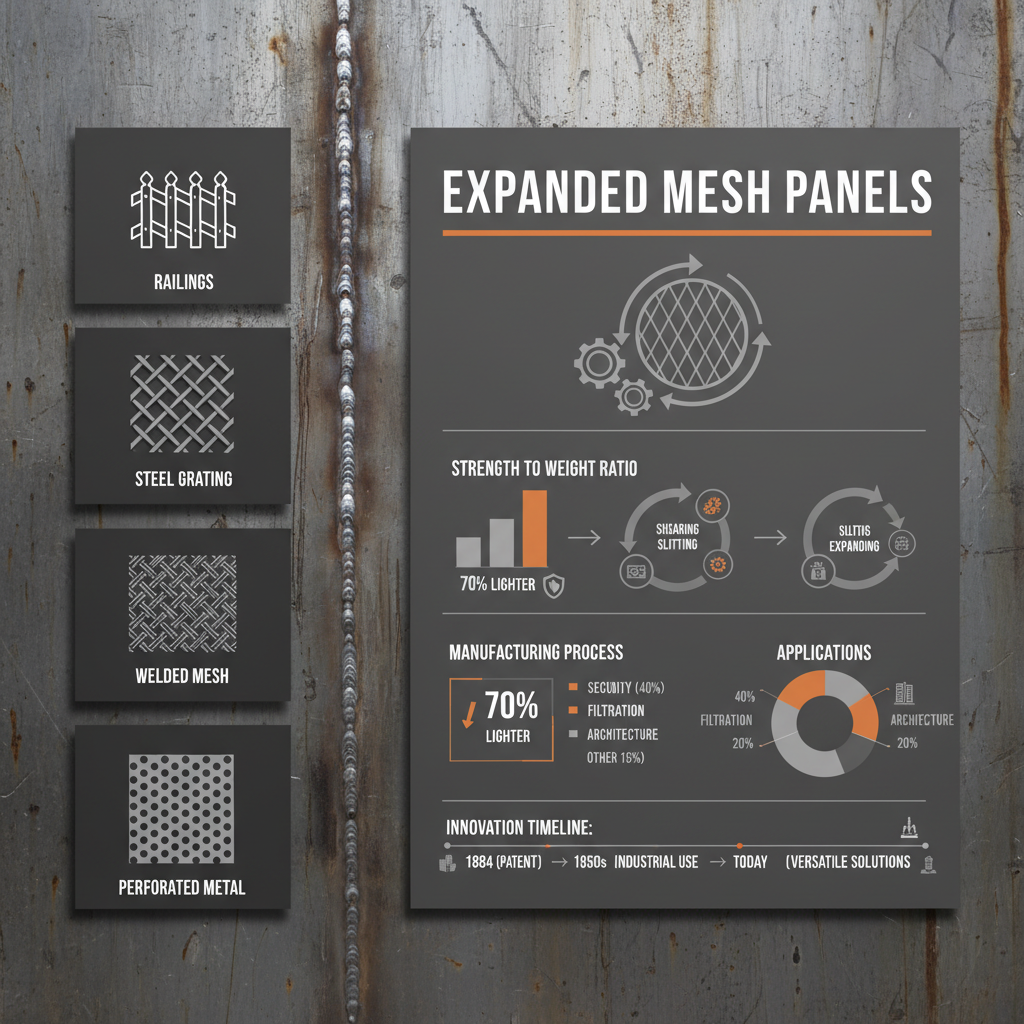
Application Breakdown of Expanded Mesh Panels
The Advantages of Using Expanded Mesh Panels
The primary advantage of using expanded mesh panels lies in their exceptional strength-to-weight ratio. This results in lighter structures without compromising on structural integrity, leading to cost savings in materials and installation. Furthermore, the open-grid design promotes excellent ventilation and visibility, making them ideal for diverse applications. expanded mesh panels offer a long term cost benefit.
Beyond these functional benefits, expanded metal offers design flexibility. The panels can be easily cut, formed, and welded to create custom shapes and sizes, accommodating specific project requirements. The inherent aesthetic appeal of the expanded metal pattern also adds a modern and industrial touch to architectural designs.
Global Impact and Implementation
The use of expanded mesh panels is widespread globally, with significant implementation in infrastructure projects across North America, Europe, and Asia. In Australia, they are commonly used in temporary fencing for construction sites and events. Demand is especially high in developing nations undergoing rapid urbanization and infrastructure development.
In post-disaster relief operations, expanded metal serves as a crucial material for creating temporary shelters and providing secure perimeters. Its rapid deployment capabilities and durability make it a valuable asset in emergency response situations. This impact extends beyond immediate relief, contributing to long-term reconstruction efforts.
Major international standards organizations, such as ISO, have established guidelines for the manufacturing and testing of expanded metal, ensuring quality and consistency across different regions. This standardization facilitates international trade and promotes the adoption of best practices within the industry.
Future Trends and Challenges
The future of expanded mesh panels is intertwined with advancements in materials science and manufacturing technologies. Research and development are focused on creating lighter, stronger, and more corrosion-resistant alloys, leading to improved panel performance and longevity. Digital fabrication techniques, such as laser cutting and CNC forming, are also enhancing design flexibility and precision.
Sustainability is driving the increasing use of recycled materials in expanded metal production. Manufacturers are exploring closed-loop systems to minimize waste and reduce environmental impact. The integration of smart technologies, such as embedded sensors, is also emerging as a potential trend, enabling real-time monitoring of panel integrity and performance.
However, challenges remain. The initial cost of high-quality materials and specialized manufacturing processes can be a barrier to entry for some projects. Maintaining consistent quality control throughout the supply chain is also crucial to ensure product reliability and safety. Addressing these challenges will be essential for unlocking the full potential of expanded mesh panels.
Key Factors Influencing Expanded Mesh Panel Selection
| Material Composition |
Mesh Opening Size |
Panel Thickness |
Corrosion Protection |
| Carbon Steel |
5mm x 10mm |
2.0mm |
Galvanized Coating |
| Stainless Steel 304 |
8mm x 12mm |
3.0mm |
Passivated Finish |
| Aluminum 5052 |
3mm x 6mm |
1.5mm |
Anodized Coating |
| Carbon Steel |
10mm x 20mm |
4.0mm |
Powder Coated |
| Stainless Steel 316 |
6mm x 8mm |
2.5mm |
Electro-polished |
| Galvanized Steel |
4mm x 8mm |
1.2mm |
PVC Coated |
FAQS
Expanded mesh panels are widely used in security applications due to their high visibility, resistance to cutting and climbing, and overall durability. They are frequently employed in the construction of perimeter fencing, protective cages, and security screens for windows and doors. Their open grid structure allows for clear visibility, aiding in surveillance, while the robust metal construction provides a strong physical barrier.
Expanded metal generally exhibits greater strength than perforated metal. This is because the expansion process stretches the metal, work-hardening it and maintaining the overall material density. Perforated metal, on the other hand, involves removing material to create holes, thereby reducing its strength. Expanded metal is therefore preferred in applications requiring high load-bearing capacity.
Common materials include carbon steel, stainless steel (grades 304 and 316), aluminum (5052 alloy), and galvanized steel. The choice of material depends on the specific application requirements, such as corrosion resistance, strength, and cost considerations. Stainless steel is favored for its excellent corrosion resistance, while aluminum offers a lightweight option.
Expanded metal can be customized in several ways, including adjusting the mesh opening size, panel thickness, and material type. It can also be cut to specific shapes and sizes, formed into curves, and welded to create complex structures. Surface treatments, such as galvanizing, powder coating, or anodizing, can further enhance its properties and aesthetics.
Lead times for custom expanded mesh panels can vary depending on the complexity of the order, the material used, and the manufacturer's production schedule. Typically, lead times range from 2 to 6 weeks for standard orders, while more complex projects may require longer lead times. It’s best to confirm with the supplier for an accurate estimate.
Regular cleaning with mild detergent and water can help maintain the appearance and performance of expanded mesh panels. For panels exposed to corrosive environments, periodic inspection and re-application of protective coatings may be necessary. Promptly addressing any damage, such as dents or scratches, can also extend the lifespan of the panels.
Conclusion
Expanded mesh panels offer a compelling blend of strength, durability, versatility, and cost-effectiveness. Their widespread adoption across diverse industries—from construction and security to industrial applications—reflects their inherent value and adaptability. Understanding the core properties and application possibilities of expanded mesh panels empowers professionals to make informed decisions, optimizing projects for performance and longevity.
Looking ahead, continued innovation in materials science and manufacturing processes will further enhance the capabilities of expanded mesh panels. Embracing sustainable practices and exploring new applications, such as integrating smart technologies, will unlock even greater potential for this versatile material. To explore our range of expanded mesh panels and find the perfect solution for your needs, visit our website: www.ztwiremesh.com.