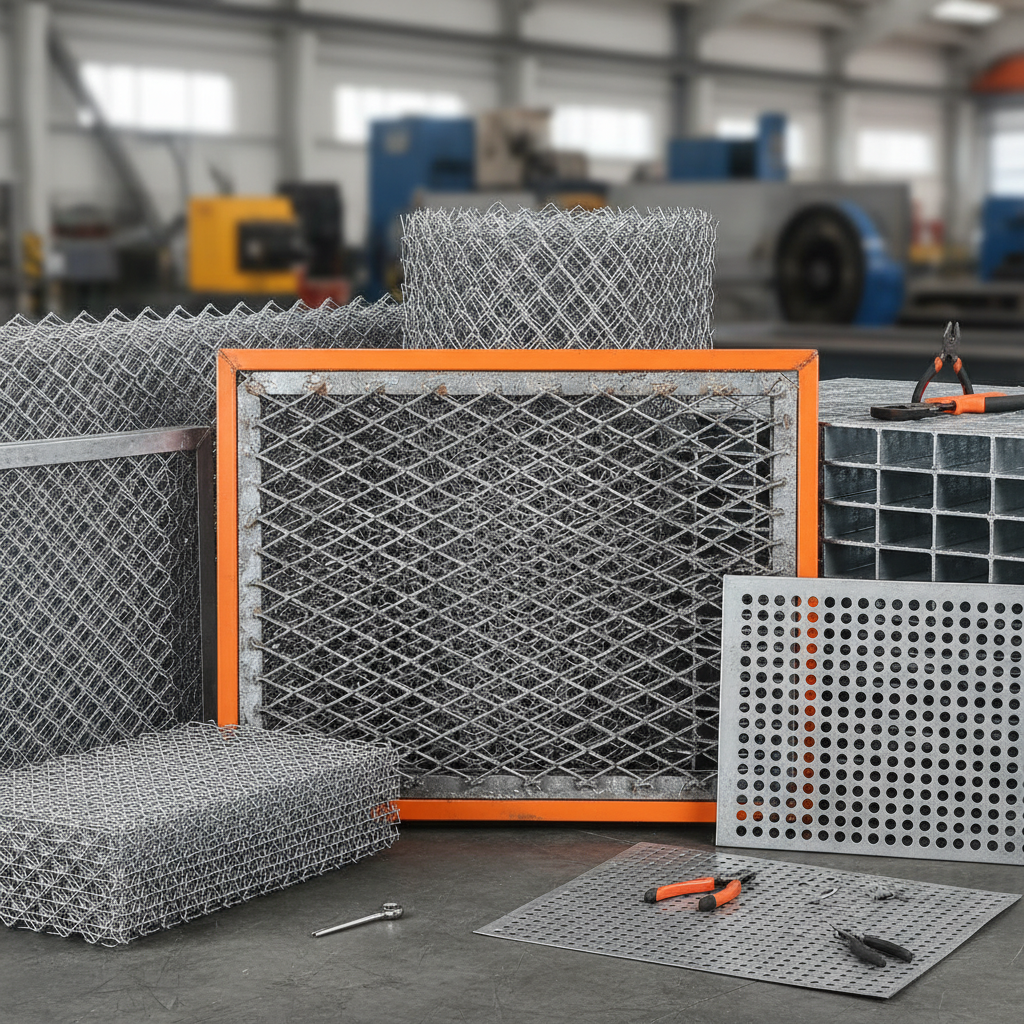
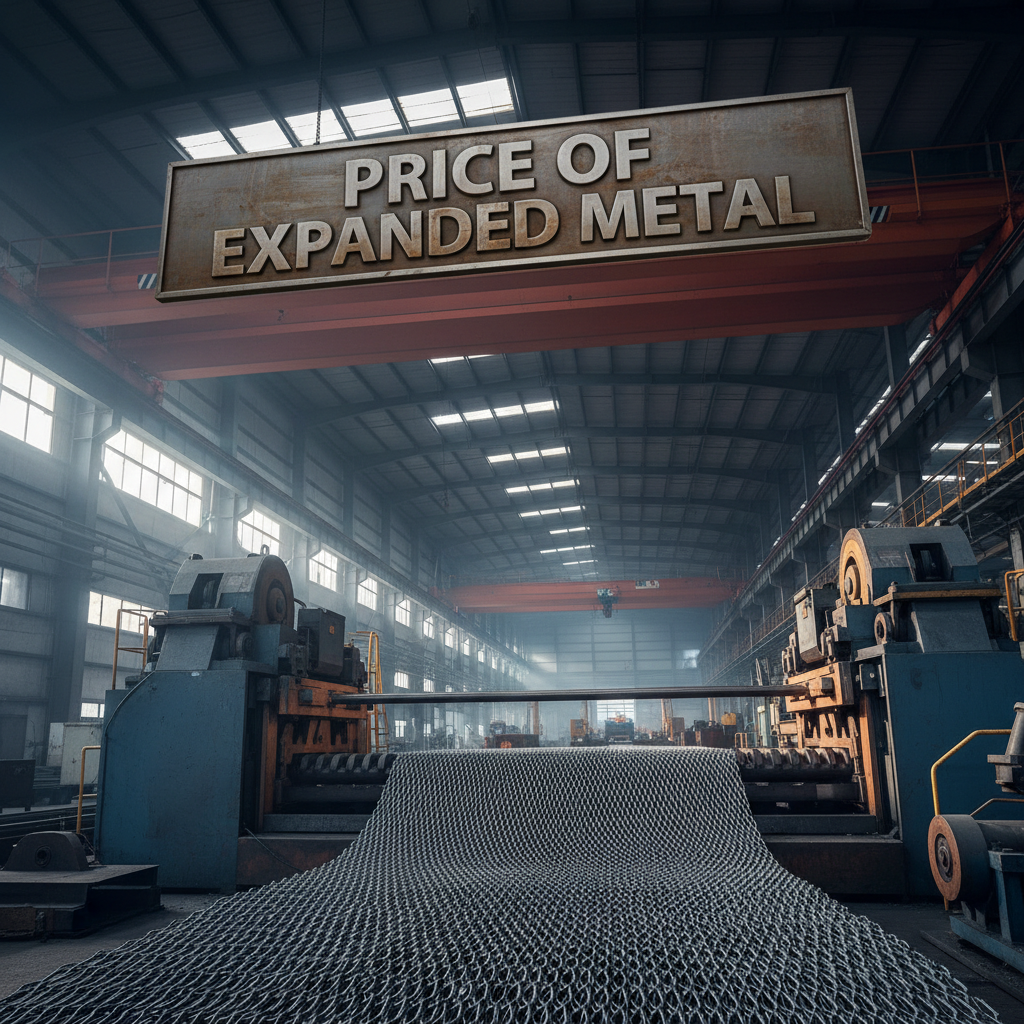
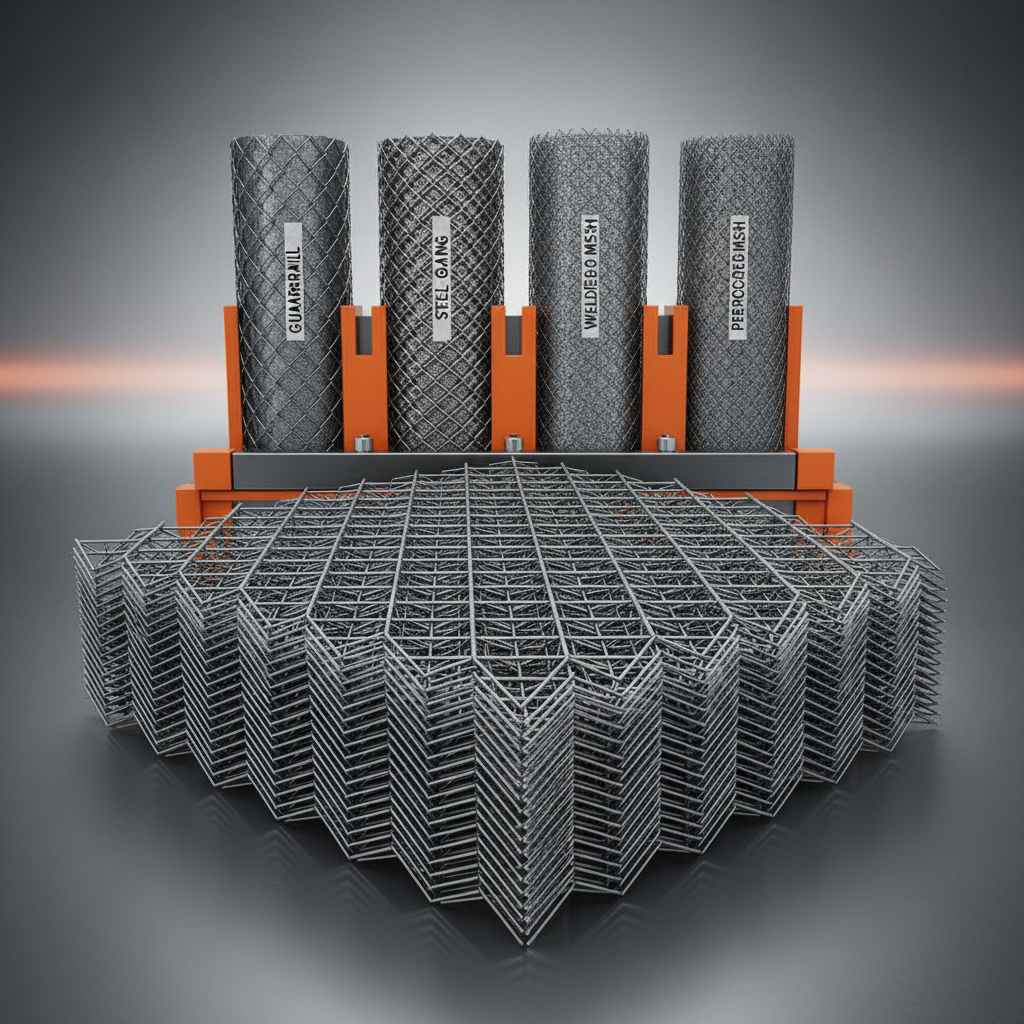
Expanded mesh screen. It's not glamorous, not something folks often think about, but it’s everywhere on construction sites, and it’s a cornerstone of so much of what we build. I’ve been on jobs from the scorching deserts to the freezing north, and I’ve seen firsthand how a good, robust expanded mesh screen can be the difference between a project running smoothly and a complete headache. It's a deceptively simple product - sheet metal cleverly cut and stretched - but the implications for safety, efficiency, and even the lifespan of structures are huge. We’re talking about everything from scaffolding enclosures and machine guards to ventilation systems and even architectural features. It's a workhorse material that gets overlooked, and frankly, that's a shame.
You’d be surprised how often a seemingly small issue with the wrong type of screening throws a whole schedule off. I’ve seen projects delayed because the mesh wasn’t strong enough, or the openings were too large, or it corroded too quickly. Choosing the right expanded mesh screen isn’t just about price, it's about understanding the environment it’s going into, the loads it will bear, and the long-term costs of maintenance or replacement. I’ve spent countless hours with engineers debating the specifics, and it’s always a worthwhile investment of time.
And it's not limited to construction. Think about mining operations, wastewater treatment, even sound baffling in industrial settings – expanded mesh screen plays a critical role. It's a versatile solution that adapts to a huge range of needs. I've seen it used in innovative ways I wouldn't have imagined when I first started in this trade.
The Importance of Expanded Mesh Screen in Modern Industries
Expanded mesh screen is a surprisingly critical component in a massive number of industries, quietly underpinning safety and efficiency. You look at the global construction boom – particularly in developing nations – and the demand for robust, reliable screening is skyrocketing. The UN estimates that over 68% of the world’s population will live in urban areas by 2050, and that translates to a massive need for infrastructure, and that infrastructure relies on materials like expanded mesh. It's not just building skyscrapers either; everything from power plants to water treatment facilities needs effective screening solutions.
I’ve seen projects stalled because the wrong mesh was specified – either it couldn’t handle the load, the openings were too wide for safety regulations, or it corroded prematurely. These aren’t just inconveniences; they can lead to serious accidents, costly repairs, and significant delays. That's why understanding the nuances of expanded mesh is crucial. It's not a one-size-fits-all solution, and selecting the right product can save you a lot of headaches down the line.
Defining Expanded Mesh Screen: A Practical Overview
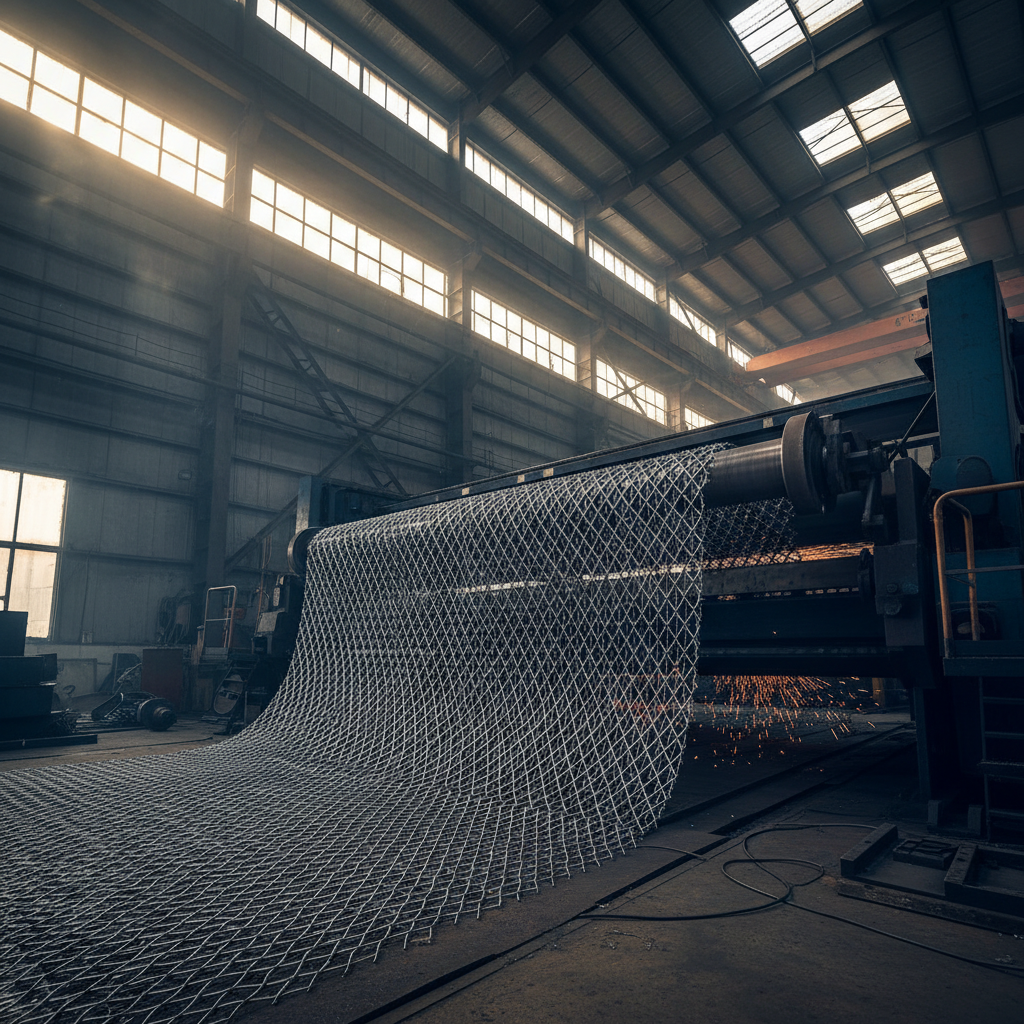
Okay, let’s get down to basics. Expanded mesh screen isn’t woven or welded. It’s made from a solid metal sheet – typically steel, stainless steel, or aluminum – that’s been slit and then stretched. This process creates a diamond or rectangular pattern of openings, leaving the metal interconnected. It’s a crucial distinction from woven wire mesh because there are no welded or mechanically fastened joints to fail. That inherent strength and integrity are what make it so reliable.
What’s really clever about it is the way it maintains a high percentage of the original metal’s strength. You’re not removing material, just rearranging it. That’s why you see it used in applications where structural integrity is paramount, like flooring, walkways, and stair treads. It also provides excellent slip resistance, which is a huge safety factor on construction sites and in industrial settings.
This inherent strength and the manufacturing process make expanded mesh screen incredibly versatile. It's more than just a barrier; it’s a structural element, a safety feature, and a functional component rolled into one. Its adaptability to modern industry and humanitarian needs, from disaster relief to infrastructure projects, is a testament to its enduring value.
Key Properties of High-Quality Expanded Mesh Screen
Durability is the name of the game. The interconnected design means no seams to break or welds to fail. I’ve seen mesh that’s been in service for decades, still holding strong. Of course, material choice is key – stainless steel is obviously going to outlast carbon steel in corrosive environments. But even with carbon steel, a good galvanization or powder coating can extend its lifespan considerably.
Load-bearing capacity is another huge factor. The expanded design distributes weight evenly, making it ideal for flooring, platforms, and even security fencing. Engineers spend a lot of time calculating these loads, and the mesh has to meet stringent specifications. A poorly designed or undersized mesh can lead to catastrophic failure, so it's not something to cut corners on.
Versatility is also a standout. You can easily cut, bend, and form expanded mesh without losing its integrity. This makes it incredibly adaptable to different applications and design requirements. Plus, it’s relatively lightweight compared to solid metal plates, which simplifies installation and reduces overall project costs.
Applications of Expanded Mesh Screen Across Various Sectors
Let’s talk real-world applications. Construction is obvious – scaffolding enclosures, walkway grating, machine guarding, ventilation. But it doesn’t stop there. In the mining industry, it’s used for screening materials, protecting equipment, and providing walkways in hazardous environments. Wastewater treatment plants rely on it for filtration and support structures.
Architecturally, you see it used for facade cladding, sunshades, and even artistic installations. It's a surprisingly aesthetically pleasing material when used creatively. And in security applications, it's used for fencing, cages, and barriers. I've even seen it repurposed in DIY projects and home renovations, demonstrating its widespread appeal.
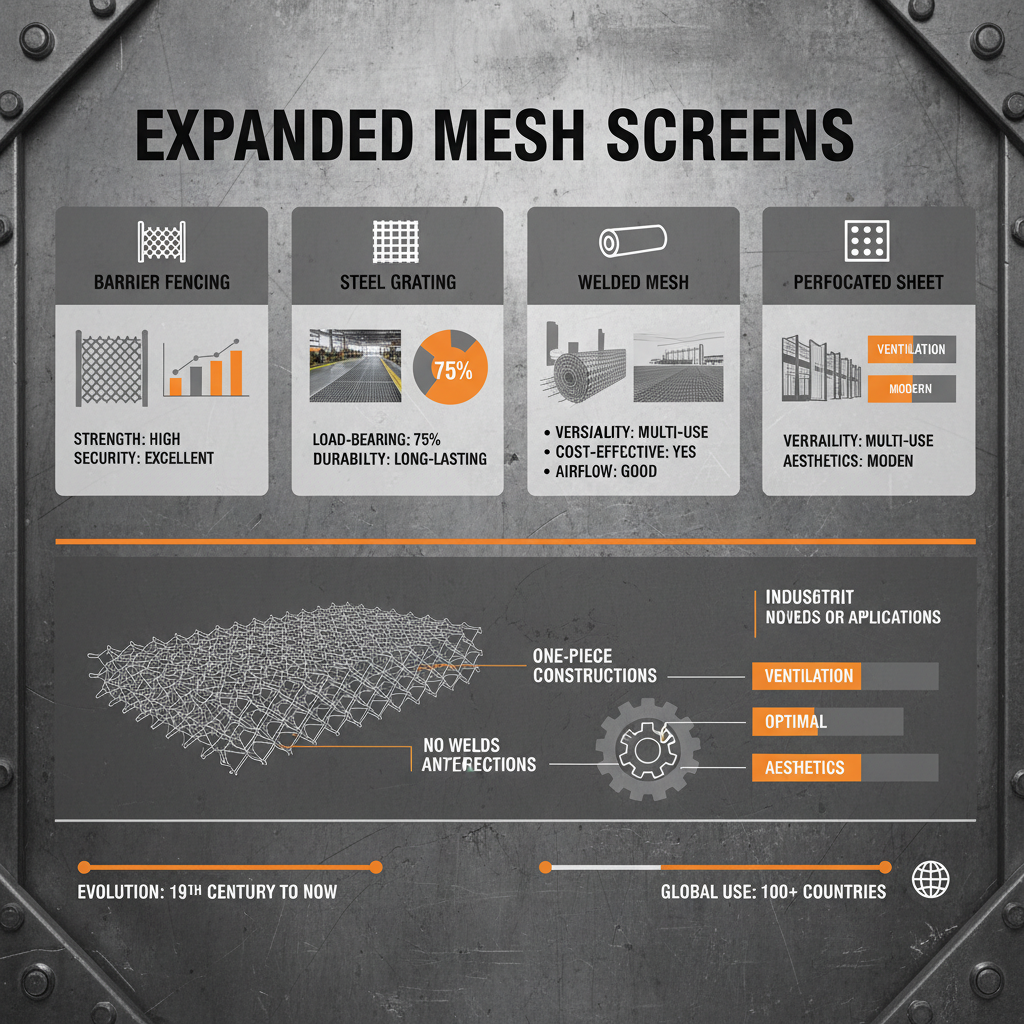
Expanded Mesh Screen Application Ratings
Advantages and Long-Term Value Proposition
The cost-effectiveness of expanded mesh screen is often underestimated. While the initial investment might be slightly higher than some alternatives, the long-term savings are significant. It requires minimal maintenance, has a long lifespan, and reduces the risk of costly repairs or replacements. That’s a big win for project budgets.
From a sustainability standpoint, it’s also a good choice. It’s often made from recycled materials, and it’s fully recyclable at the end of its life. This reduces waste and minimizes environmental impact. And let's be honest, using durable, long-lasting materials is simply a responsible approach to construction.
Global Trends Shaping the Future of Expanded Mesh Screen
We're seeing a growing demand for lighter-weight, high-strength materials, and expanded mesh screen fits the bill perfectly. The development of new alloys and coatings is also expanding its applications, particularly in corrosive environments. I'm also seeing a push towards more sustainable materials and manufacturing processes, which is driving innovation in the expanded mesh industry.
The integration of digital technologies, like laser cutting and automated fabrication, is improving precision and efficiency in the manufacturing process. And with the rise of prefabricated construction, the demand for custom-sized and pre-fabricated expanded mesh components is increasing. The future is about smarter, more efficient, and more sustainable solutions.
There’s a lot of R&D going into coatings that provide even greater corrosion resistance and UV protection. And I think we’ll see more widespread use of aluminum expanded mesh, particularly in coastal areas where salt spray is a major concern.
Addressing Challenges and Finding Innovative Solutions
One of the biggest challenges is sourcing reliable, high-quality mesh from reputable suppliers. There are a lot of cheap imports out there, and they often don’t meet the necessary standards. I’ve seen projects delayed because of substandard materials. You need to do your due diligence and work with suppliers you trust.
Corrosion is another ongoing issue, especially in harsh environments. While coatings help, they’re not a silver bullet. Regular inspection and maintenance are crucial to prevent premature failure. And in some cases, using a more corrosion-resistant material, like stainless steel, is the only viable option.
Finally, ensuring proper installation is critical. If the mesh isn’t installed correctly, it can compromise its structural integrity and lead to safety hazards. That’s why it’s important to work with experienced contractors who understand the proper installation techniques.
Summary of Expanded Mesh Screen Challenges and Solutions
| Challenge |
Impact on Project |
Recommended Solution |
Implementation Cost (1-10) |
| Substandard Material Quality |
Project Delays, Safety Risks |
Source from Reputable Suppliers |
3 |
| Corrosion in Harsh Environments |
Reduced Lifespan, Maintenance Costs |
Use Corrosion-Resistant Materials/Coatings |
6 |
| Improper Installation Techniques |
Compromised Structural Integrity |
Engage Experienced Contractors |
4 |
| Limited Material Options |
Restricted Design Flexibility |
Explore New Alloys and Coatings |
5 |
| Supply Chain Disruptions |
Project Delays, Increased Costs |
Diversify Supplier Network |
3 |
| Lack of Standardized Specifications |
Miscommunication, Incorrect Orders |
Advocate for Industry Standards |
7 |
FAQS
The main difference lies in the manufacturing process. Woven wire mesh is created by interweaving wires, while expanded mesh is made from a solid sheet that’s slit and stretched. This means expanded mesh has no welded joints to fail, offering superior strength and a more consistent surface. Woven mesh is typically more flexible, making it suitable for filtering, but expanded mesh excels in load-bearing and structural applications.
Choosing the right mesh size depends on several factors, including the size of the objects you need to contain or filter, the load-bearing requirements, and the overall safety of the application. It’s essential to consider both the short-term and long-term needs of the project. Consulting with an engineer or a qualified mesh supplier is highly recommended to ensure you select the optimal mesh size.
Expanded mesh screens are most commonly made from carbon steel, stainless steel, and aluminum. Carbon steel is a cost-effective option for general-purpose applications. Stainless steel offers superior corrosion resistance, making it ideal for harsh environments. Aluminum is lightweight and corrosion-resistant, often used in architectural and decorative applications. The choice of material depends on the specific needs of the project.
Several methods can be used to protect expanded mesh from corrosion, including galvanization, powder coating, and the use of corrosion-resistant alloys like stainless steel. Galvanization involves coating the mesh with a layer of zinc, while powder coating applies a protective polymer layer. Regular inspection and maintenance are also crucial to identify and address any signs of corrosion early on.
Yes, expanded mesh screen is highly recyclable, particularly when made from materials like steel and aluminum. Recycling helps reduce waste and conserve resources. Many metal recycling facilities accept expanded mesh, so it's a sustainable choice for projects focused on environmental responsibility. Proper disposal through recycling programs is always encouraged.
Expanded mesh is increasingly popular in architectural design for features like facade cladding, sunshades, and decorative screens. It provides a modern, industrial aesthetic while offering functional benefits like shading and ventilation. Its ability to be easily formed into various shapes and sizes makes it a versatile option for architects seeking unique design elements.
Conclusion
Expanded mesh screen is far more than just a building material; it’s a foundational element in a wide range of industries, quietly ensuring safety, efficiency, and longevity. Its unique manufacturing process, inherent strength, and versatility make it an indispensable component in construction, manufacturing, security, and beyond. Understanding its properties, applications, and future trends is crucial for anyone involved in these sectors.
As we move towards a more sustainable and technologically advanced future, expanded mesh screen will undoubtedly continue to evolve and adapt. Investing in quality mesh, prioritizing proper installation, and staying abreast of industry innovations will be key to maximizing its benefits and ensuring long-term success. For more information and to explore our range of expanded mesh products, visit our website: expanded mesh screen.