Expanded mesh sheets – you see 'em everywhere on a jobsite, but most folks don’t give ‘em a second thought. I’ve been around construction for 20 years, and let me tell you, these things are the backbone of a lot of what we do. They’re not glamorous, they aren’t a newfangled tech solution, but they work. From reinforcing concrete to providing safety railings, they’re a dependable part of getting things built safely and efficiently. It's about understanding their nuances and knowing when to spec the right type – that's where experience comes in. expanded mesh sheets are a staple, and frankly, a well-made sheet can save you headaches down the line.
What’s really struck me over the years is how versatile these sheets are. We're not just talking about structural stuff anymore. I’ve seen them used for sound dampening, ventilation screens, even artistic facades. The demand globally is steady, driven by infrastructure development, especially in rapidly growing economies. According to the UN, global construction output is projected to reach $18 trillion by 2030, and materials like expanded mesh will be crucial to meeting that demand. Ignoring the quality and proper application of these sheets is a recipe for disaster – and costly repairs.
Too often, I see project managers trying to cut corners on materials, thinking “metal is metal.” That's a mistake. The quality of the steel, the mesh pattern, the coating… all of it impacts the longevity and performance of the finished product. A little extra upfront for a reliable sheet saves you a whole lot of trouble – and money – later. It's about building it right, the first time.
What Are Expanded Mesh Sheets?
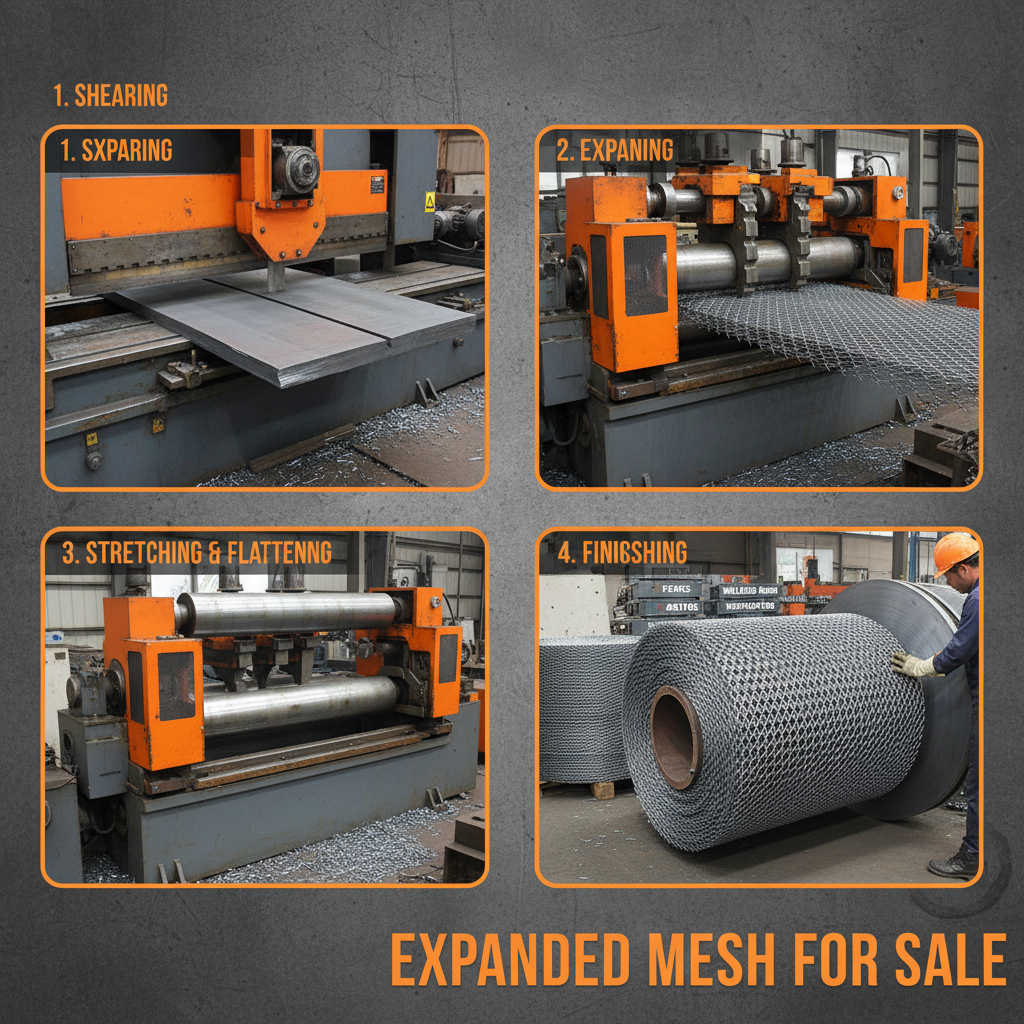
Simply put, expanded mesh sheets are made from solid metal sheets that have been slit and stretched. This process creates a consistent, diamond-shaped opening pattern. It’s different from woven wire mesh – there are no welds or joints, making it incredibly strong and durable. I've seen sheets that have been in service for decades and still holding strong. expanded mesh sheets really are a workhorse material.
The beauty of it is the way it distributes stress. Because it’s all one piece of metal, it doesn't unravel or deform under load like some other mesh types. This makes it ideal for situations where structural integrity is paramount, like reinforcing concrete slabs or creating secure walkways.
The Global Significance of Expanded Mesh
Look around the world – any major construction project, and you'll find expanded mesh being used. It’s not a regional thing; it's truly global. The World Bank estimates that over $1 trillion will be invested in infrastructure projects in developing countries over the next decade. A significant portion of that will utilize expanded mesh for reinforcing, safety, and structural components. The demand is especially high in Asia-Pacific, driven by massive urbanization and infrastructure development in countries like China and India.
The challenge, as I see it, is ensuring quality control. There’s a lot of cheaper, lower-grade material flooding the market, and it’s tempting for contractors to go with the lowest bid. But that's a false economy. A failure in a mesh sheet can lead to catastrophic consequences, from structural collapses to safety hazards. It's about prioritizing long-term reliability over short-term savings.
The ISO standards for metal mesh are getting stricter, which is a good thing. It provides a benchmark for quality and helps ensure that materials meet the required safety and performance specifications. Staying up-to-date on these standards is critical for anyone involved in construction.
Defining Expanded Mesh Sheets: A Practical View
Let’s cut through the jargon. Expanded mesh is a solid metal sheet – usually steel, aluminum, or stainless steel – that’s been cut and stretched to create a pattern of openings. Think of taking a piece of paper, making cuts in it, and then pulling it apart. That’s essentially what happens, but with metal and precision machinery. It’s a relatively simple process, but the key is maintaining consistent opening sizes and metal thickness.
It’s important to understand how it differs from other types of mesh. Woven wire mesh is made by interlocking wires, while welded wire mesh is formed by joining wires with heat or pressure. Expanded mesh, being a single piece of metal, offers superior strength and rigidity. It’s also less prone to corrosion because there are no welds to weaken the material. These factors make it incredibly valuable in various industries.
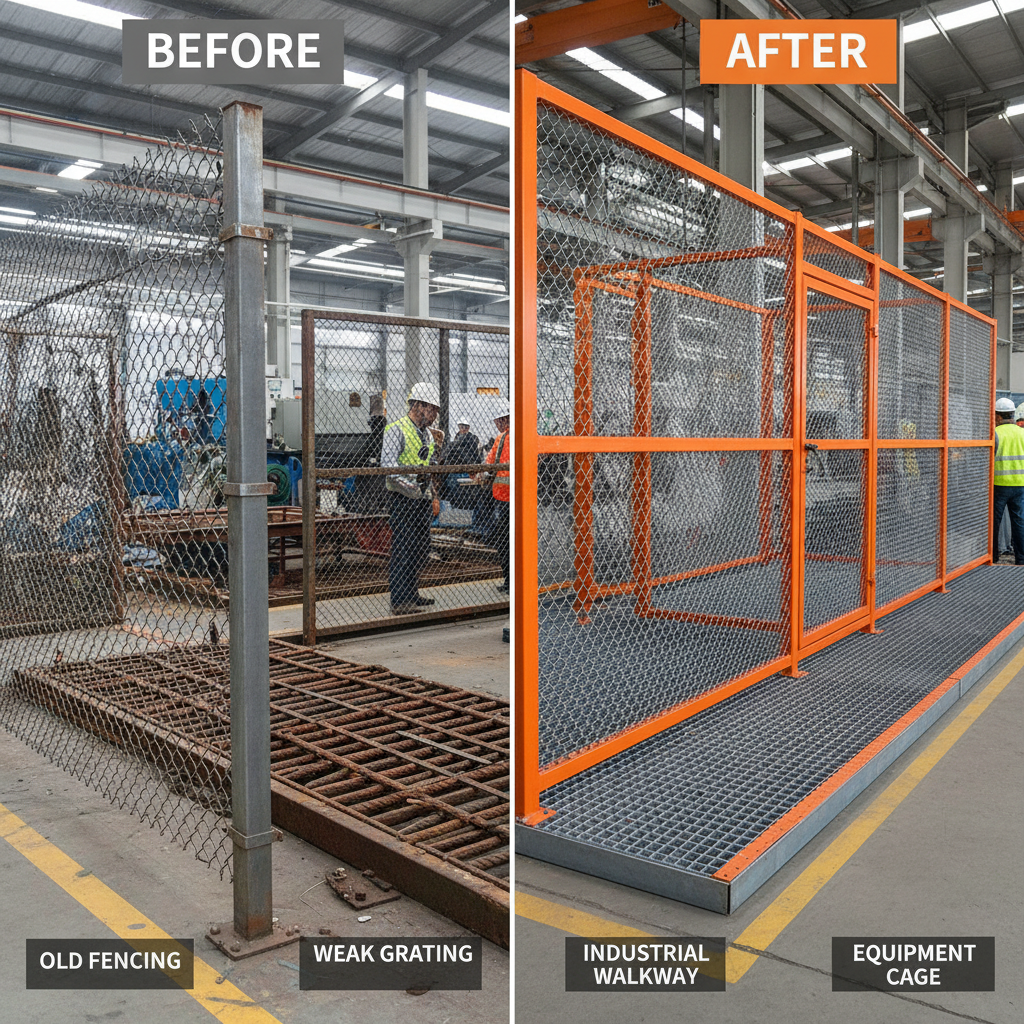
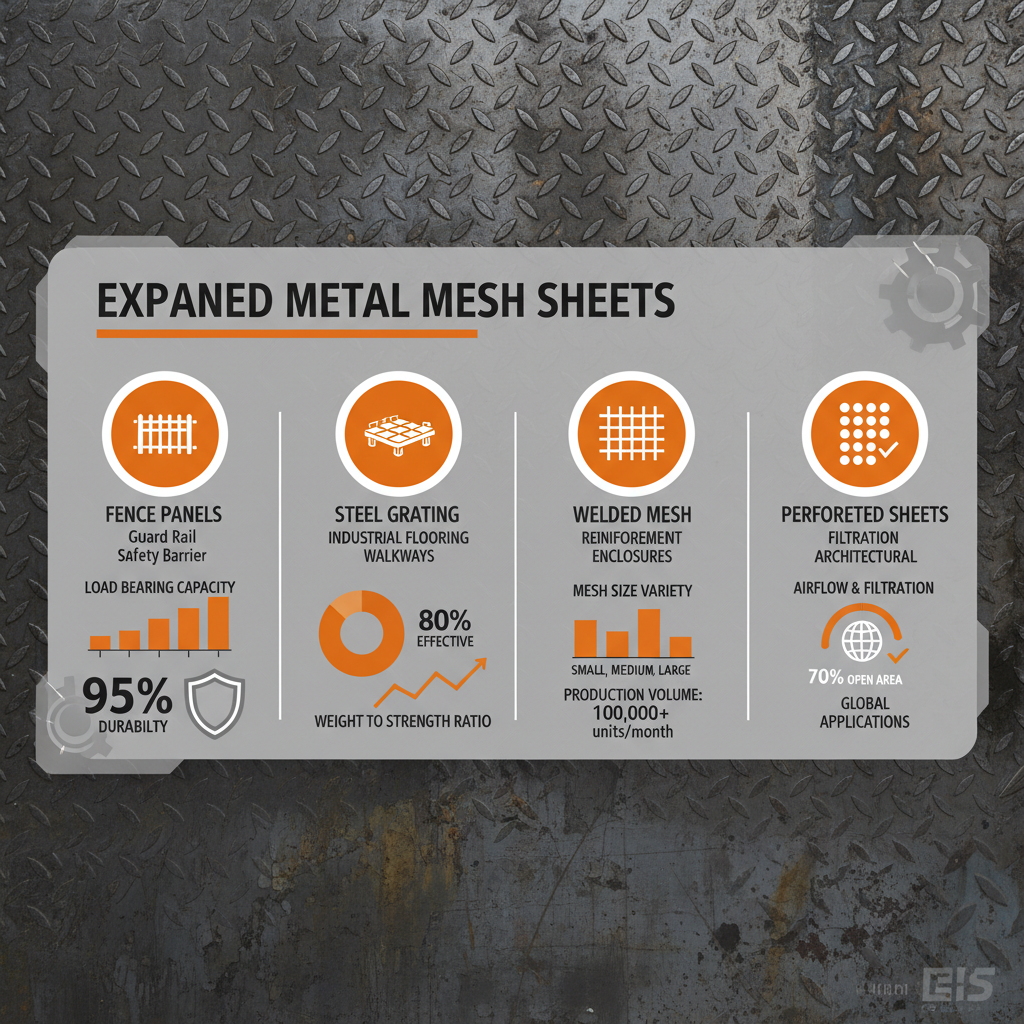
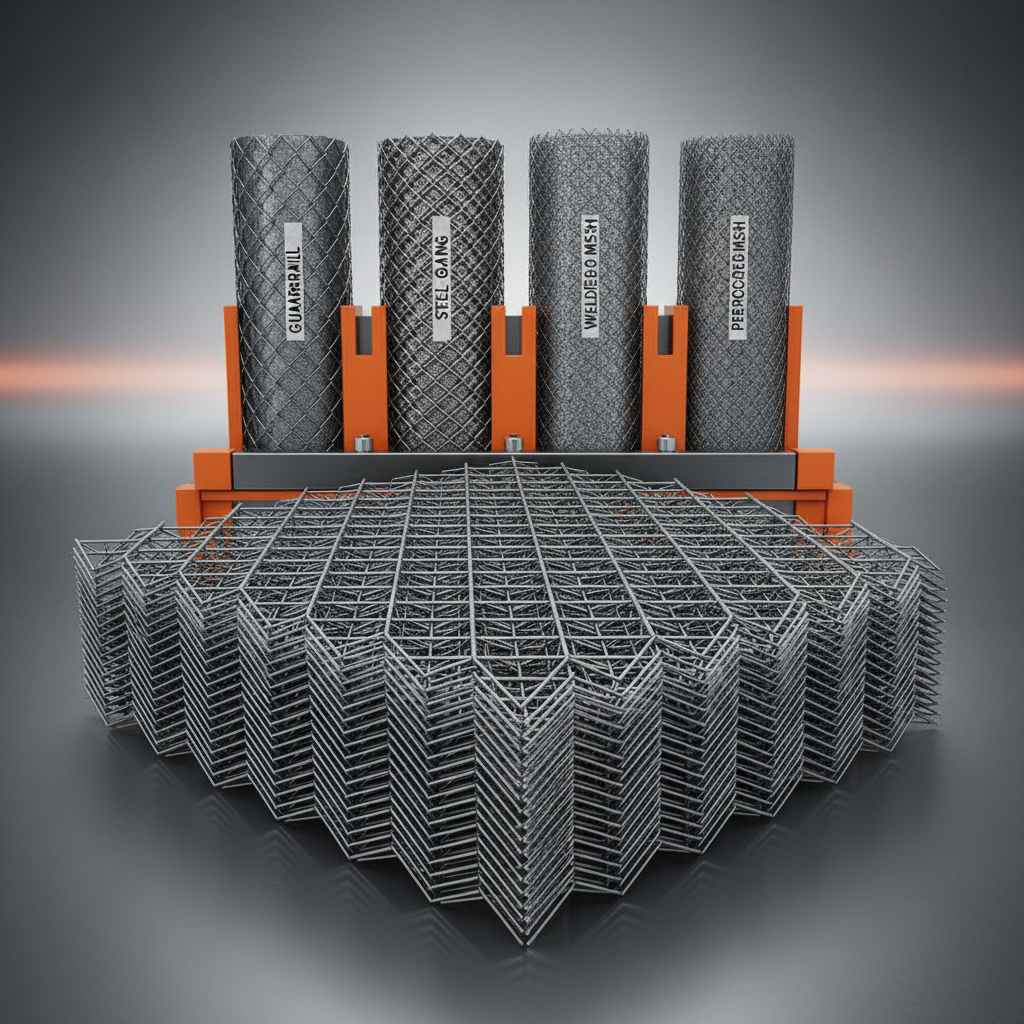
From a practical standpoint, expanded mesh sheets are used in a huge range of applications – from industrial flooring and safety guards to architectural features and filtration systems. It’s a versatile material that can be customized to meet specific project requirements. You can adjust the mesh size, metal thickness, and coating to optimize performance for any application.
Key Characteristics of High-Quality Expanded Mesh
I’ve learned a few things over the years about what separates the good sheets from the bad ones. Durability is obviously key. You want a sheet that can withstand the rigors of the job site and the elements. That means looking at the grade of steel and the quality of the coating. Galvanized steel is a good all-around choice, offering decent corrosion resistance. Stainless steel is even better, but it’s also more expensive. expanded mesh sheets really need to hold up under tough conditions.
Scalability is another important factor. Can the manufacturer consistently produce sheets to the exact dimensions and specifications you need? That’s critical for large-scale projects where consistency is paramount. Cost-efficiency is always a consideration, but don't let it be the only consideration. A slightly more expensive sheet that lasts longer and performs better will ultimately save you money in the long run.
Expanded Mesh Quality Metrics
Expanded Mesh Applications Around the Globe
I’ve seen expanded mesh used in some pretty ingenious ways. In post-disaster relief operations, it’s often used for temporary shelters and reinforcing damaged structures. It’s lightweight, easy to transport, and provides a solid base for rebuilding. In remote industrial zones, it’s used for walkways, platforms, and safety barriers. I’ve even seen it used as a screen for ventilation shafts in underground mining operations.
In Europe, it’s popular in architectural applications, used as facade cladding and sunshades. In North America, it’s a staple in construction, used for everything from concrete reinforcement to stair treads. The beauty of expanded mesh is its adaptability. It can be tailored to meet the specific needs of almost any project, regardless of location.
Advantages and Long-Term Value Proposition
The benefits go beyond just strength and durability. From a cost perspective, expanded mesh is often more economical than other metal options, especially when you consider its lifespan. Sustainability is also a factor – steel is a recyclable material, and using durable materials reduces the need for frequent replacements. That's important these days.
But the real value lies in the peace of mind it provides. Knowing that you’ve used a reliable material that’s going to perform as expected, that’s priceless. It minimizes the risk of accidents, reduces maintenance costs, and ensures the long-term integrity of the structure. That’s a win for everyone involved.
And let’s not forget about the safety aspect. A properly installed expanded mesh safety railing or walkway provides a secure environment for workers and the public. That's something you can't put a price on.
Future Trends and Emerging Innovations
We’re seeing some interesting developments in the world of expanded mesh. New alloys are being developed that offer even greater strength and corrosion resistance. Digital fabrication techniques, like laser cutting, are allowing for more intricate and customized designs. The integration of smart sensors into expanded mesh structures is also on the horizon. Imagine a walkway that can detect stress and alert engineers to potential problems.
I’m also seeing a growing focus on sustainable manufacturing processes. Companies are exploring ways to reduce waste and energy consumption in the production of expanded mesh. There's also a push for greater transparency in the supply chain, ensuring that materials are sourced ethically and responsibly. All of these trends point towards a more innovative and sustainable future for expanded mesh.
Automation in the manufacturing process is also key. It allows for greater precision, faster production times, and lower costs. This will be particularly important as demand for expanded mesh continues to grow globally.
Summary of Challenges & Potential Solutions for Expanded Mesh Sheets
| Challenge Area |
Impact on Project |
Potential Solution |
Implementation Difficulty (1-10) |
| Quality Control Issues |
Structural integrity compromised, increased risk of failure |
Implement rigorous supplier vetting and material testing protocols |
6 |
| Corrosion Resistance |
Reduced lifespan, increased maintenance costs |
Utilize stainless steel or specialized coatings for enhanced protection |
7 |
| Dimensional Accuracy |
Installation challenges, potential gaps or misalignments |
Invest in precision manufacturing equipment and quality control checks |
5 |
| Supply Chain Disruptions |
Project delays, increased material costs |
Diversify suppliers and maintain strategic inventory levels |
8 |
| Lack of Skilled Installers |
Improper installation, reduced performance |
Provide comprehensive training programs for installation crews |
4 |
| Standardization of Specifications |
Confusion and miscommunication, potential for errors |
Promote the adoption of industry-wide standards for expanded mesh specifications |
9 |
FAQS
Galvanized steel offers good corrosion resistance for a lower cost, suitable for many general construction applications. Stainless steel provides superior corrosion protection, especially in harsh environments like coastal areas or chemical plants, but comes at a higher price. The best choice depends on the specific project requirements and budget.
Mesh size refers to the size of the openings in the expanded metal sheet. The appropriate size depends on the intended use. For reinforcement, smaller openings provide better concrete bonding. For grating or screening, larger openings offer better airflow or visibility. Consult with a structural engineer or material specialist to determine the optimal size.
Lead times vary depending on the complexity of the order, the material used, and the manufacturer's production schedule. Generally, standard sizes are readily available, while custom orders can take anywhere from 2 to 6 weeks. It's crucial to plan ahead and place orders well in advance of your project timeline.
Expanded mesh sheets should be stored in a dry, covered area, protected from the elements. Stacking sheets directly on top of each other can cause damage, so they should be separated with wooden spacers or pallets. Avoid storing them near corrosive materials or sources of heat.
Yes, expanded mesh can be painted or powder-coated to enhance its appearance and provide additional corrosion protection. Proper surface preparation is essential for good adhesion. Ensure the surface is clean, dry, and free of rust or contaminants before applying any coating.
Expanded mesh sheets can have sharp edges, so it’s important to wear gloves and eye protection when handling them. Use appropriate lifting equipment to avoid strains and injuries. Be mindful of the sheet's weight and ensure it's securely supported during installation.
Conclusion
Expanded mesh sheets are more than just a building material; they're a fundamental component of modern construction and infrastructure. Their versatility, durability, and cost-effectiveness make them an indispensable tool for engineers, architects, and contractors around the world. Understanding their characteristics, applications, and future trends is essential for anyone involved in the building industry. expanded mesh sheets are a reliable partner in building a better future.
As technology advances and sustainability becomes increasingly important, we can expect to see even more innovative uses for expanded mesh. By embracing new materials, manufacturing processes, and design techniques, we can unlock the full potential of this remarkable material and create structures that are stronger, more durable, and more environmentally friendly. Visit our website to learn more and explore our range of expanded mesh solutions: www.ztwiremesh.com.