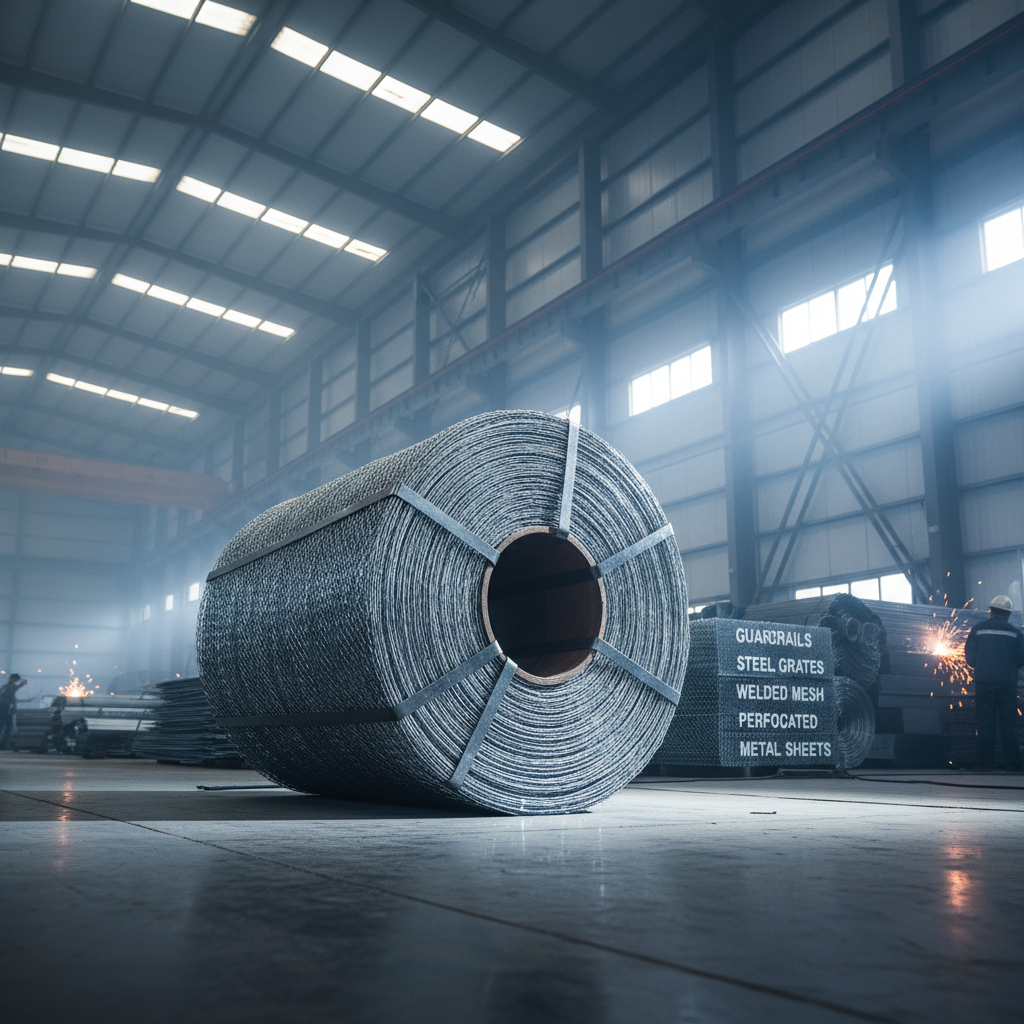
Look, I’ve spent the last fifteen years knee-deep in dust and concrete, watching projects rise from the ground. And let me tell you, when it comes to versatile, reliable materials, expanded mesh wire consistently delivers. It’s not glamorous, it’s not the headline-grabbing tech, but it’s the backbone of so much of what we build, from safety barriers to architectural features. It's the workhorse that keeps things moving.
The thing about construction is, things always change. Designs evolve, materials get substituted, schedules get compressed. You need solutions that can adapt. That's where expanded mesh wire shines. It’s lightweight, strong, and can be easily formed and fabricated on-site. Forget waiting for custom pieces; we can often make what we need right there, saving time and money. That flexibility is gold on a busy jobsite.
I've seen a lot of materials come and go, chasing the latest trend. But expanded mesh wire has a staying power because it simply works. It’s a cost-effective, dependable solution for a huge range of applications. It’s not about fancy marketing; it’s about getting the job done right, on time, and within budget. That's what we care about out here.
The Core Strength of expanded mesh wire
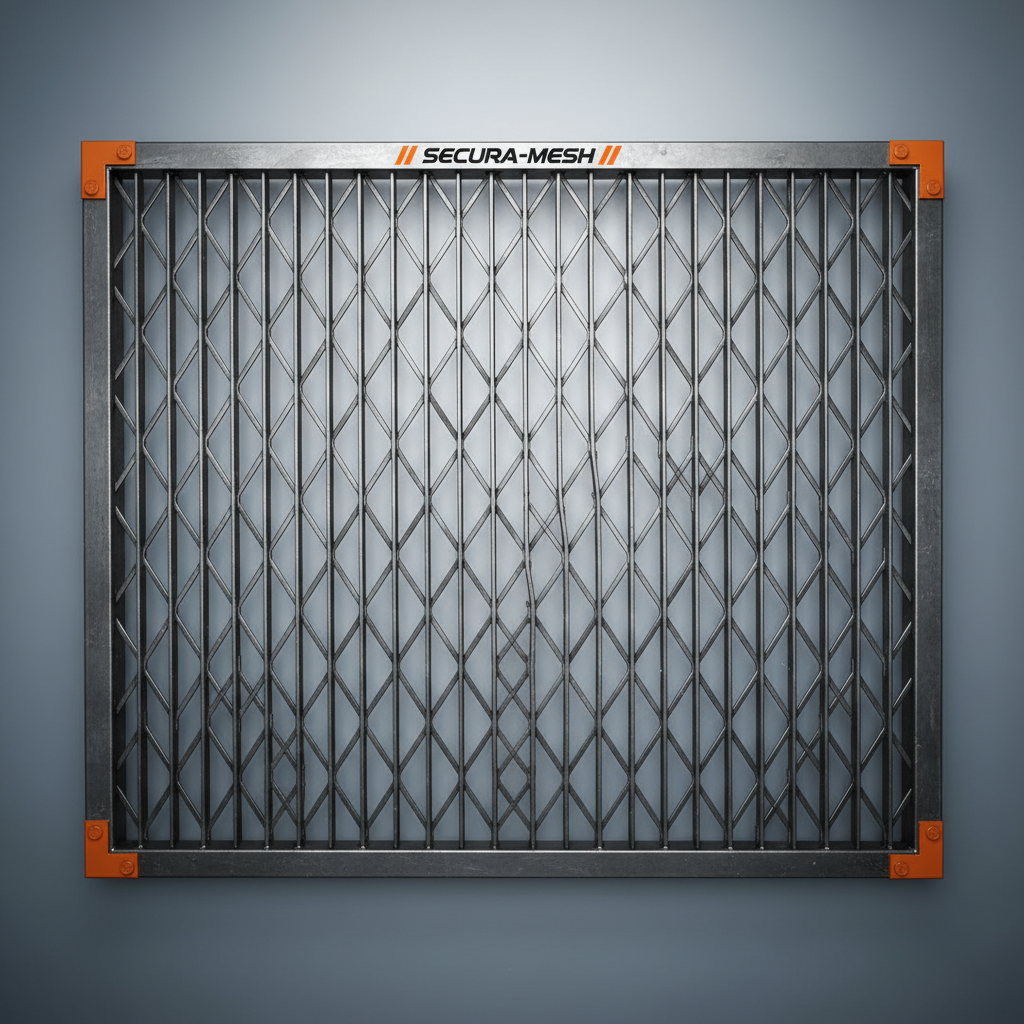
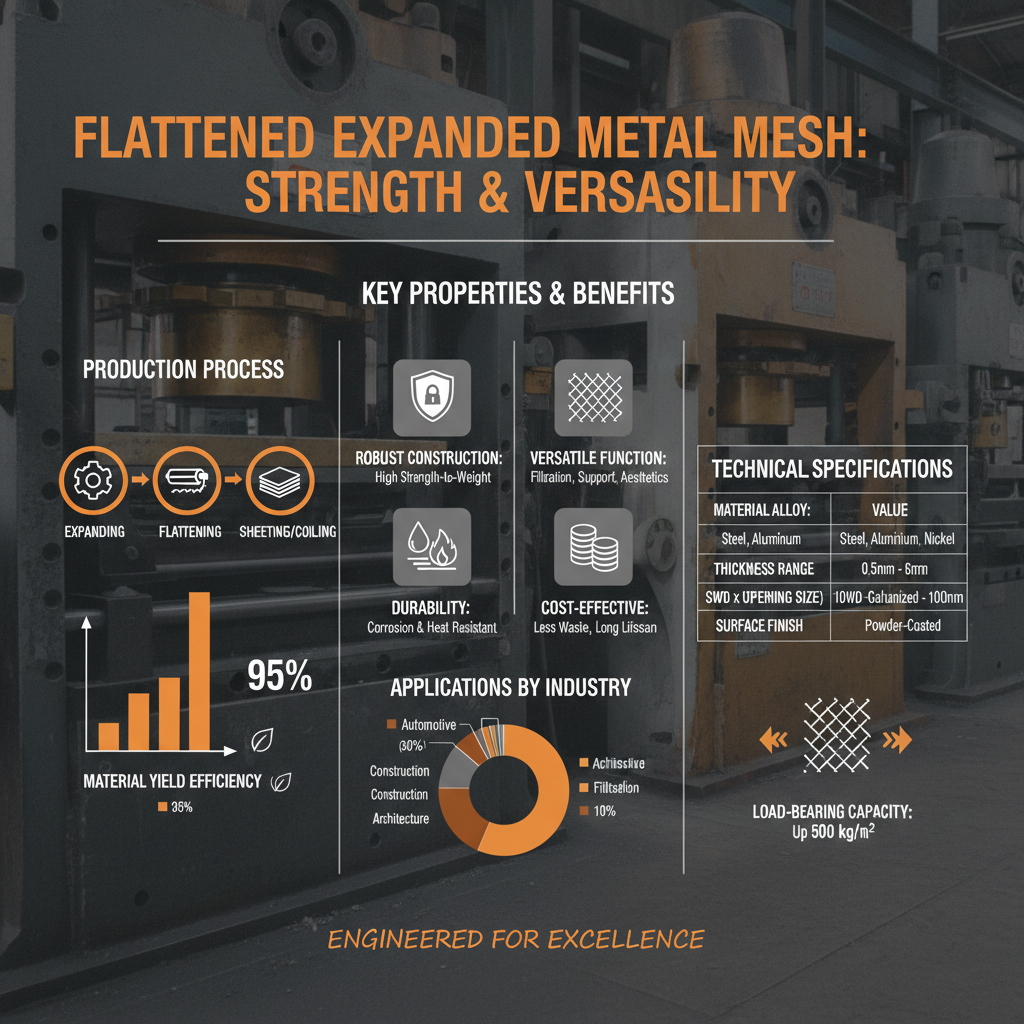
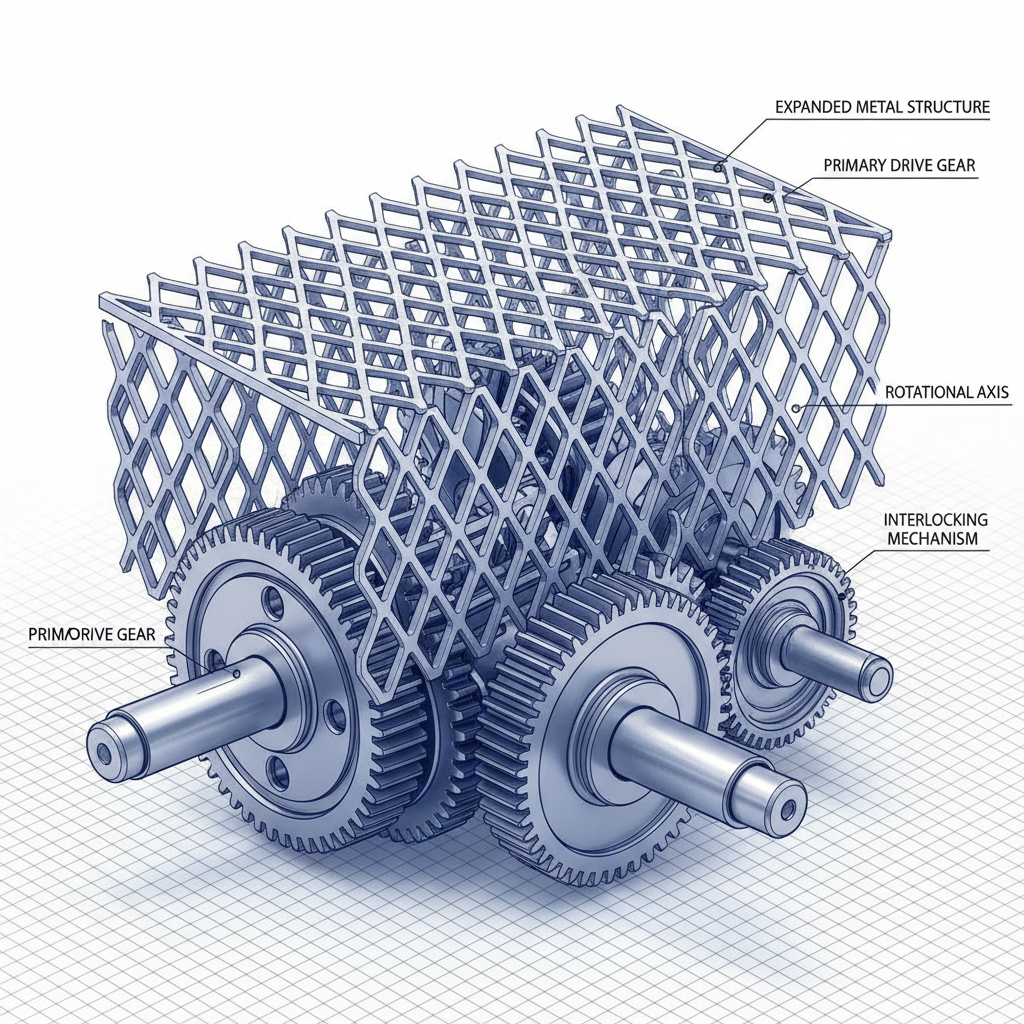
From what I’ve seen, the beauty of expanded mesh wire lies in its simplicity. It’s created by slitting and stretching sheet metal, resulting in a rigid material with consistent openings. That consistent structure is key – it gives you predictable performance, whether you’re building a walkway grating or a security screen. It's not reinventing the wheel; it’s perfecting a proven concept.
What I appreciate most, and what a lot of folks overlook, is its strength-to-weight ratio. You get a robust material that doesn’t add a ton of extra load to your structure. That matters, especially when you're dealing with large spans or weight-sensitive applications. It saves on support structures and reduces overall material costs.
Global Relevance and Industry Demand
This isn’t just a regional thing, either. You see expanded mesh wire being used globally, from massive infrastructure projects in Asia to architectural details in Europe. According to reports from the World Steel Association, demand for steel mesh products is consistently high, driven by urbanization and infrastructure development. The UN also highlights the need for durable and accessible materials in disaster relief – and expanded mesh is a go-to for temporary structures and reinforcement.
The challenge we’re facing, frankly, is meeting that demand efficiently and sustainably. With increasing construction activity worldwide, there's a growing need for materials that are both readily available and environmentally responsible. Sourcing quality expanded mesh from reliable manufacturers is becoming more critical.
I’ve seen firsthand how critical it is in remote areas where getting materials delivered is a logistical nightmare. Its relatively low weight and ease of transportation make it a lifesaver. It’s about more than just building; it’s about connecting communities and enabling progress, even in the most challenging environments.
Defining expanded mesh wire: Form and Function
Simply put, expanded metal mesh isn’t woven – it’s formed. It starts with a solid sheet of metal, which is then slit and stretched to create a diamond or square pattern. This single-piece construction gives it a distinct advantage over woven wire; there are no welds or joints to fail. It's a solid, unified piece of material.
The specific properties – the size and shape of the openings, the metal thickness, and the expansion ratio – determine its suitability for different applications. Different gauges of steel, stainless steel, aluminum, and even specialty alloys are used. It’s about choosing the right metal for the job, considering everything from corrosion resistance to load-bearing capacity.
It’s a core component in countless industries, from construction and manufacturing to agriculture and security. It bridges the gap between a solid material and an open grid, offering a unique combination of strength, permeability, and versatility that’s hard to beat.
Key Characteristics Driving Performance
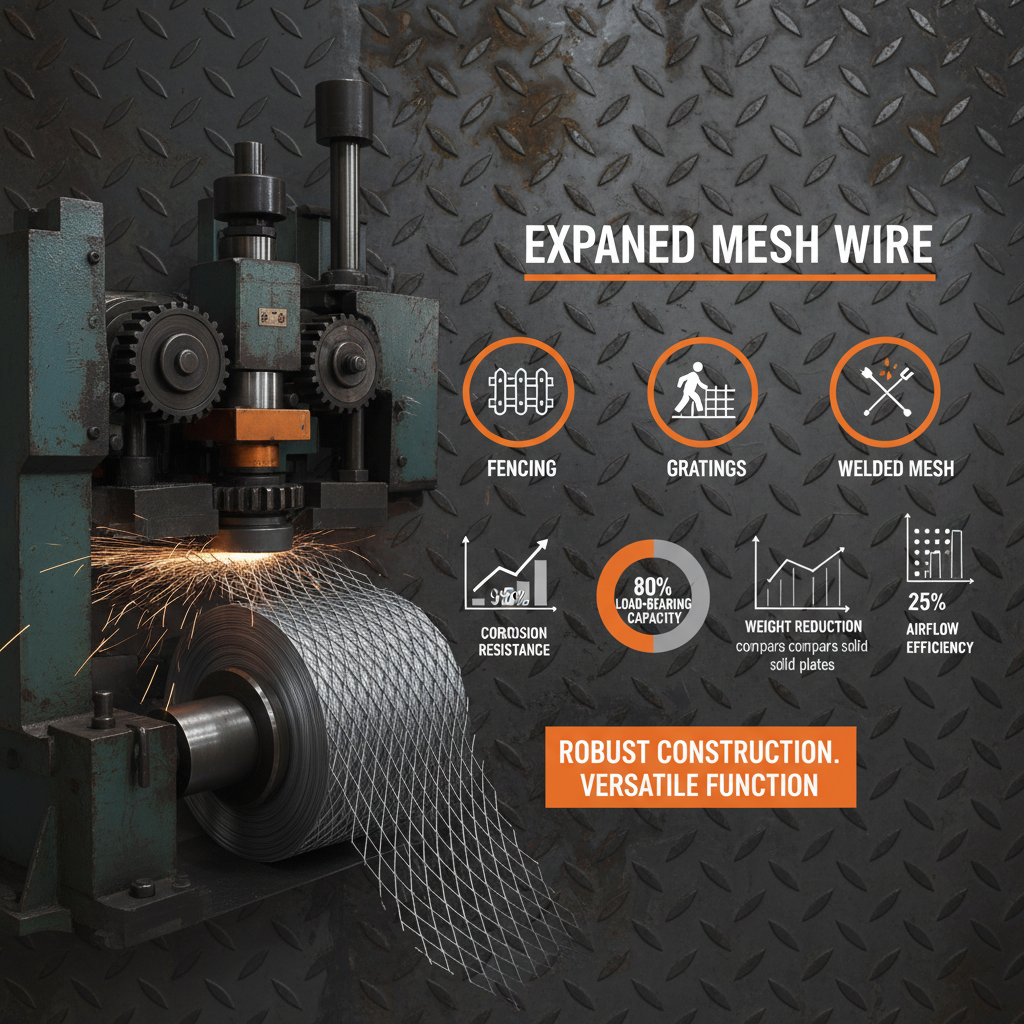
You want to talk performance? It boils down to a few key things. First, strength and durability. This stuff can take a beating. Second, versatility. You can cut it, bend it, weld it – it adapts to your needs. Third, permeability. Light, air, and liquids can pass through, which is crucial for applications like walkways and ventilation systems.
Then there’s cost-effectiveness. It’s often cheaper than alternative materials like perforated sheet metal or woven wire mesh. And finally, ease of fabrication. You can work with it on-site without specialized equipment, which saves time and money.
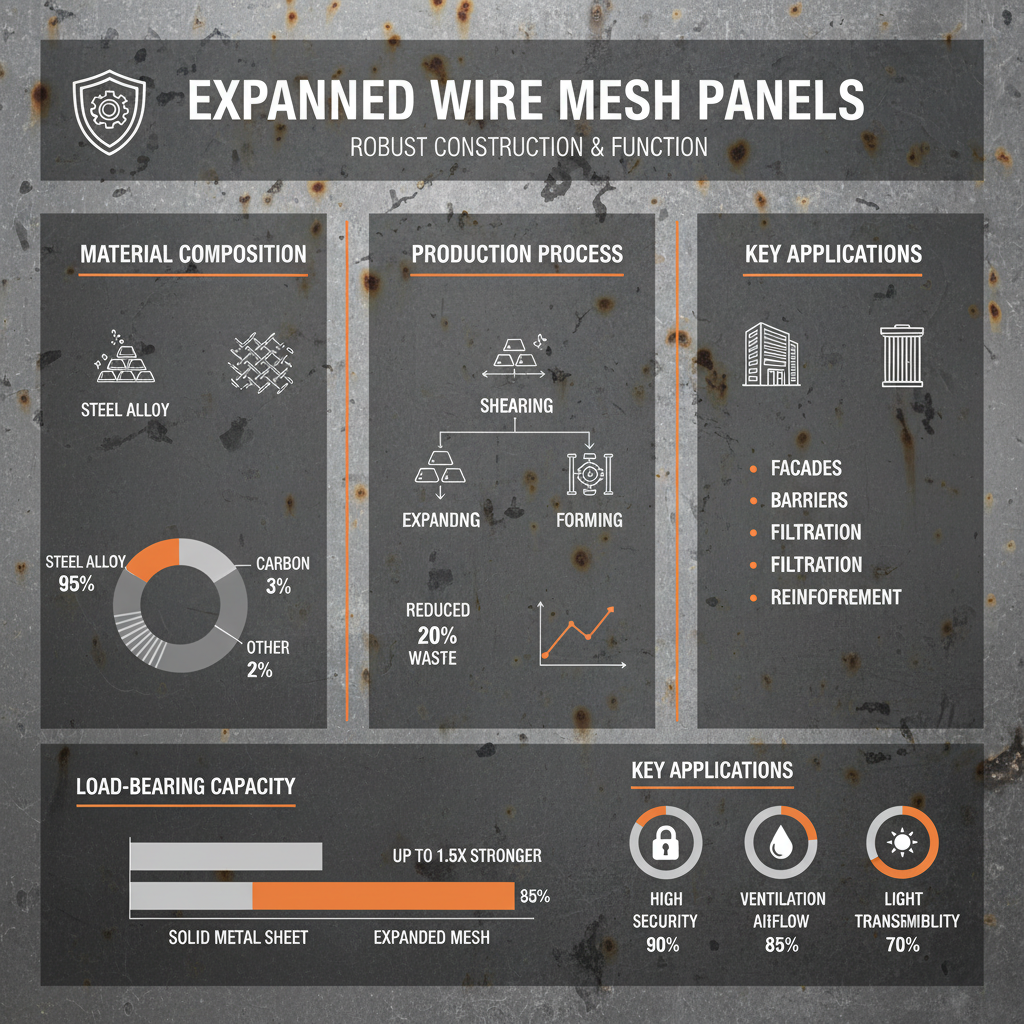
Performance Metrics of Expanded Mesh Wire Methods
Real-World Applications: From Infrastructure to Architecture
I see this stuff everywhere. Walkways and stair treads – it provides excellent grip and drainage. Security fencing – it’s a strong deterrent and allows for visibility. Radiator shields – it protects against accidental contact while allowing for airflow. In post-disaster relief, it's used for temporary shelters and reinforcing damaged structures.
Architects are using it for facades and sunshades, creating visually interesting and functional designs. Industrial plants use it for machine guards and safety barriers. Even in agriculture, it’s used for poultry fencing and crop support. The list goes on and on.
Long-Term Value: Cost, Durability, and Sustainability
Let’s be real, construction isn’t cheap. But expanded mesh wire delivers long-term value. It requires minimal maintenance, it’s incredibly durable, and it often outlasts cheaper alternatives. That translates to lower lifecycle costs.
Increasingly, we're also looking at the sustainability aspect. Steel is recyclable, and using a material that lasts longer reduces the need for frequent replacements. It’s a small step, but every little bit helps. It’s about building responsibly, not just building quickly.
For me, seeing a project stand the test of time, knowing we used quality materials like expanded mesh, that’s a source of pride. It's not just about finishing a job; it’s about building something that lasts.
Future Innovations and Emerging Trends
We're seeing advancements in coating technologies that enhance corrosion resistance and extend the lifespan of expanded mesh wire. There's also research into new alloys that offer even greater strength and durability.
I’m particularly interested in the potential of using expanded metal in green building applications, like rainwater harvesting systems and green facades. Its permeability makes it ideal for these types of projects. Digital fabrication and automation are also streamlining the manufacturing process, making it more efficient and cost-effective.
Ultimately, the future of expanded mesh wire lies in its ability to adapt to evolving industry needs and embrace sustainable practices. It’s about continuing to refine a proven concept and pushing the boundaries of what’s possible.
Summary of Challenges and Solutions for Expanded Mesh Wire Applications
| Challenge |
Material Selection |
Fabrication Complexity |
Solution |
| Corrosion in harsh environments |
Using standard carbon steel |
Difficult to form complex shapes |
Employing stainless steel or specialized coatings. |
| High material costs |
Choosing expensive alloys |
Requires skilled labor |
Optimizing design to minimize material usage. |
| Limited load-bearing capacity |
Using thin gauge metal |
Difficult to weld and join |
Increasing metal thickness or adding support structures. |
| Sharp edges posing safety hazards |
Leaving edges unfinished |
Manual deburring is time-consuming |
Implementing edge treatments like rolling or capping. |
| Inconsistent mesh opening sizes |
Poor quality control during manufacturing |
Difficult to achieve precision |
Investing in precise manufacturing equipment. |
| Lack of standardized specifications |
Different manufacturers |
Creates confusion for engineers |
Developing industry-wide standards and certifications. |
FAQS
Expanded mesh offers a few key benefits. First, it’s a single-piece construction, meaning there are no welds or joints to potentially fail, offering superior strength and rigidity. Second, it generally has a higher open area, which is great for ventilation, drainage, or visual transparency. And finally, it’s often more cost-effective than comparable woven mesh solutions, especially for larger projects. I've seen it save significant money on safety grating, for example.
The metal alloy is huge. Carbon steel is the most common and affordable, but it’s susceptible to corrosion. Stainless steel offers excellent corrosion resistance, making it ideal for marine environments or chemical processing plants. Aluminum is lightweight and non-magnetic, useful in specialized applications. You even see titanium alloys for extreme environments. It's all about matching the metal to the conditions it will face.
We frequently use galvanization – a zinc coating – to protect steel mesh from rust. Powder coating adds a durable, colorful finish and further enhances corrosion resistance. For particularly harsh environments, we might use epoxy coatings or even specialized ceramic coatings. These treatments can significantly extend the lifespan of the mesh and reduce maintenance costs.
While strong, expanded metal isn't always the best choice for applications requiring significant tensile strength or impact resistance. It can deform under extreme loads. To address this, you can increase the metal thickness, reduce the opening size, or reinforce the mesh with additional support structures. Proper engineering analysis is crucial to ensure it meets the structural requirements.
Perforated metal is generally more expensive to produce and heavier than expanded mesh. Expanded mesh offers a better strength-to-weight ratio. Perforated sheets can be more precise in terms of opening size and pattern, which is useful for some applications. Ultimately, it comes down to the specific needs of the project. Expanded mesh is often the more practical and economical choice for many common applications.
Safety first! Always wear gloves and eye protection when handling expanded metal – those edges can be sharp. Use appropriate cutting tools and techniques to avoid creating burrs or sharp points. When welding, ensure proper ventilation and use the correct welding parameters for the metal alloy. And always follow manufacturer’s instructions and local safety regulations.
Conclusion
Expanded mesh wire isn't a flashy material, but it’s a cornerstone of modern construction. Its strength, versatility, cost-effectiveness, and increasing sustainability make it an essential component in countless projects worldwide. It’s a material that consistently delivers, day in and day out.
As we move towards a future focused on innovation and sustainability, I expect to see expanded mesh wire play an even more significant role. Continued advancements in materials science and manufacturing techniques will unlock new applications and improve its overall performance. If you're looking for a reliable, durable, and cost-effective solution for your next project, don’t underestimate the power of expanded mesh.