Flattened expanded metal mesh is a versatile material increasingly vital across numerous industries globally. Its unique combination of strength, lightweight nature, and permeability makes it ideal for diverse applications, from architectural facades and safety guarding to filtration systems and even specialized construction projects. Understanding its properties and potential is crucial for engineers, architects, and manufacturers seeking innovative and cost-effective solutions.
The demand for flattened expanded metal mesh is driven by the growing need for robust, yet adaptable materials in modern infrastructure and industrial settings. Global trends towards increased safety regulations, sustainable construction practices, and efficient manufacturing processes all contribute to the rising prominence of this mesh. Recognizing its capabilities unlocks possibilities for optimized designs and enhanced performance across various sectors.
This comprehensive guide explores the intricacies of flattened expanded metal mesh, covering its defining characteristics, key advantages, global applications, future trends, and potential challenges. It aims to provide a clear understanding of this valuable material, empowering professionals to leverage its benefits effectively and drive innovation within their respective fields.
Introduction to Flattened Expanded Metal Mesh
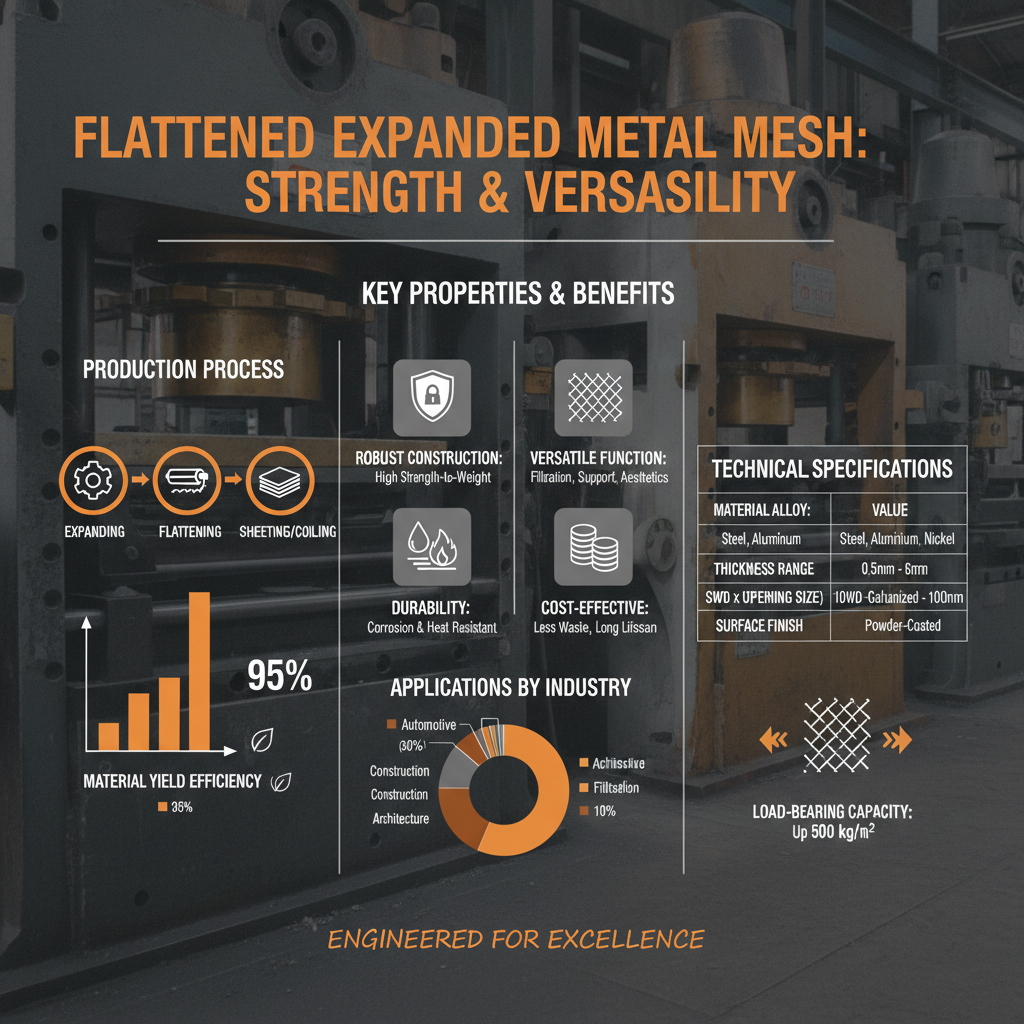
Flattened expanded metal mesh is produced by slitting and stretching metal sheet, then leveling the resulting material. This process creates a rigid, open-grid structure with exceptional strength-to-weight ratio. The flattening process ensures a uniform surface, making it safer and more aesthetically pleasing than standard expanded metal. flattened expanded metal mesh provides a durable and cost-effective solution for a wide array of applications.
Its unique properties stem from the inherent strength of the base metal combined with the geometric advantages of the expanded pattern. The open grid allows for excellent airflow, light transmission, and visibility, making it suitable for applications requiring these characteristics. The resulting product is resistant to deformation and maintains its structural integrity under stress.
Global Relevance and Industry Context
Globally, the construction and infrastructure sectors are experiencing significant growth, particularly in emerging economies. This growth fuels demand for materials like flattened expanded metal mesh, which offer both cost-effectiveness and performance benefits. According to the UN, global construction spending is projected to reach $18 trillion by 2030, creating a substantial market for innovative building materials. The need for safer, more durable, and sustainable infrastructure is a driving force.
Industries such as oil and gas, mining, and transportation also rely heavily on robust materials capable of withstanding harsh environments. Flattened expanded metal mesh provides a reliable solution for applications like safety walkways, grating, and protective barriers in these demanding settings. The World Bank highlights the importance of resilient infrastructure for economic development, further emphasizing the demand for durable materials.
A key challenge within these sectors is balancing cost with performance. Flattened expanded metal mesh often provides a compelling solution, offering a high strength-to-weight ratio and extended lifespan compared to alternative materials. The ISO standards for material performance and safety further contribute to the widespread adoption of flattened expanded metal mesh in critical applications.
Defining Flattened Expanded Metal Mesh
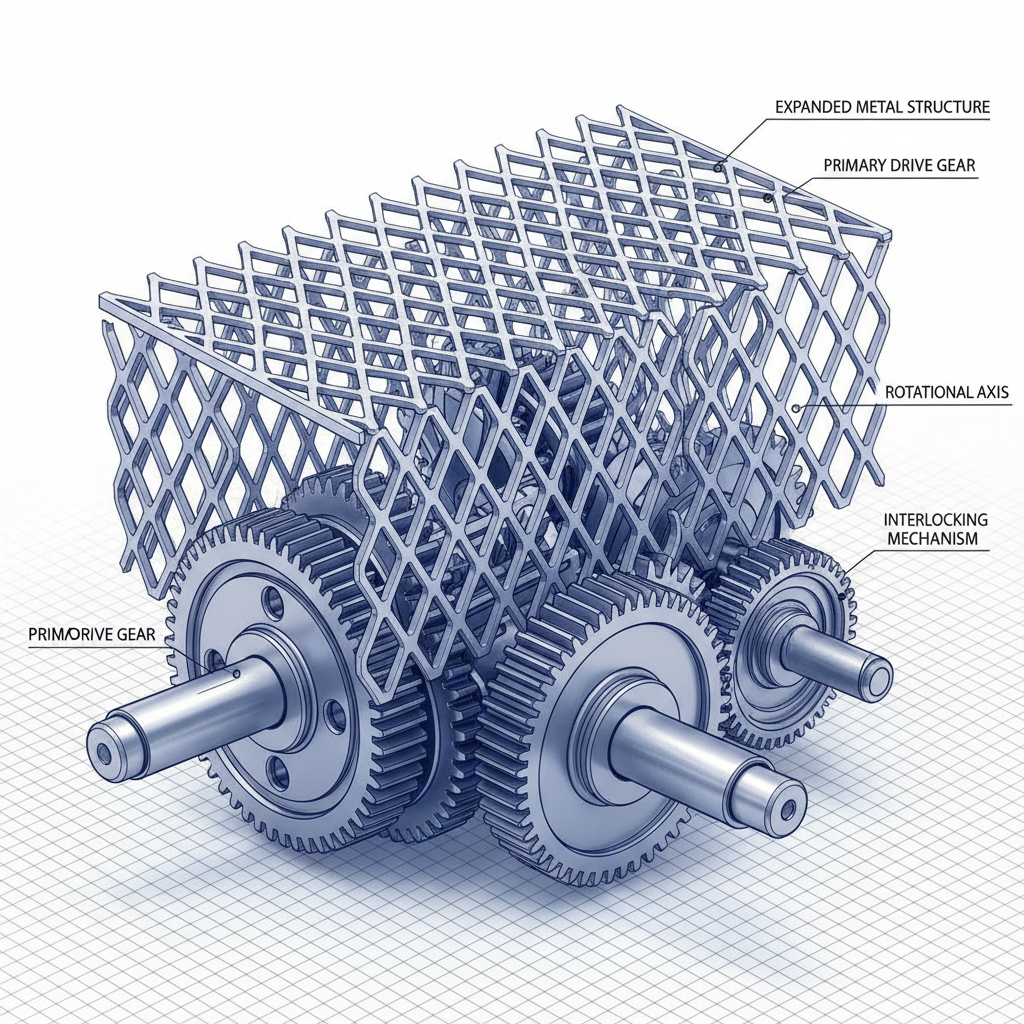
Flattened expanded metal mesh is a type of metal mesh created by simultaneously slitting and stretching a metal sheet in one operation. This creates an interconnected grid pattern with diamond-shaped openings. Unlike woven wire mesh, expanded metal is a single piece of metal, eliminating the risk of unraveling or becoming loose. This integral structure contributes to its exceptional strength and durability.
The "flattening" aspect distinguishes it from standard expanded metal. After the expansion process, the mesh is passed through rollers to flatten the raised portions, creating a smoother, more uniform surface. This enhances its aesthetic appeal, improves safety by reducing sharp edges, and makes it more suitable for applications requiring a flat surface.
Its connection to modern industry lies in its ability to address numerous engineering challenges. From providing robust safety barriers in industrial facilities to serving as a lightweight, high-strength component in automotive applications, flattened expanded metal mesh is a versatile material finding increasing use in a technologically advanced world. Its application also extends to humanitarian needs, offering solutions for temporary shelters and disaster relief.
Key Factors & Core Components
Several key factors contribute to the exceptional performance of flattened expanded metal mesh. First, its Durability is paramount; the single-piece construction and robust metal alloys ensure a long service life, even in harsh environments. Second, its Strength-to-Weight Ratio is significantly higher than many alternative materials, reducing overall structural load and material costs.
Third, Scalability allows for easy customization and production in various sizes and shapes, meeting specific project requirements. Fourth, Cost Efficiency arises from the material’s minimal waste during production and reduced labor costs due to its ease of fabrication. Fifth, Permeability – the open grid design – allows for airflow, light transmission, and drainage, critical in many applications. Sixth, Design Flexibility allows for a diverse range of opening sizes and configurations.
Performance Metrics of Flattened Expanded Metal Mesh Alloys
Global Applications & Use Cases
Flattened expanded metal mesh is used extensively in architectural applications, serving as facade cladding, sunshades, and decorative elements. In Europe, it’s commonly seen in modern building designs, enhancing aesthetics while providing shading and ventilation. The material's durability also makes it suitable for use in high-traffic areas such as shopping malls and public transportation hubs.
In the industrial sector, it provides crucial safety features, functioning as walkways, stair treads, and machine guarding. In remote industrial zones like those found in Australia's mining regions, flattened expanded metal mesh offers robust and reliable platforms and safety barriers. Furthermore, it is integral to filtration systems used in water treatment plants and chemical processing facilities across North America.
In post-disaster relief operations, flattened expanded metal mesh can be quickly deployed to create temporary shelters and sanitation facilities, providing essential support to affected communities. Its strength and portability make it an ideal material for these emergency situations. The material’s versatility extends to the automotive industry, where it’s utilized in speaker grilles, radiator cores, and other components.
Advantages & Long-Term Value
The tangible benefits of using flattened expanded metal mesh are numerous. Firstly, its cost-effectiveness is significant due to reduced material waste and simplified fabrication. Secondly, the sustainability aspect is increasingly important – many alloys are recyclable, minimizing environmental impact. This aligns with growing trends towards green building practices. The longevity and minimal maintenance contribute to reduced life-cycle costs.
Beyond these practical advantages, flattened expanded metal mesh delivers substantial value related to safety, dignity, and innovation. Its secure, slip-resistant surface enhances worker safety in industrial environments, while its aesthetic appeal contributes to more pleasing and functional public spaces. This material allows designers to explore creative solutions and push the boundaries of architectural and engineering possibilities.
Future Trends & Innovations
Several emerging trends are poised to impact the future of flattened expanded metal mesh. The integration of digital transformation technologies, like automated manufacturing and robotic fabrication, will enhance precision and efficiency in production. Research into new alloy compositions, incorporating lightweight and high-strength materials, will expand application possibilities.
The push for sustainable practices is driving innovation in recycling and material sourcing. Developing closed-loop systems for metal recovery and utilizing bio-based coatings to enhance corrosion resistance are key areas of focus. Furthermore, the increasing demand for green energy solutions is leading to the use of flattened expanded metal mesh in solar panel frames and wind turbine components.
Challenges & Solutions
Despite its advantages, flattened expanded metal mesh faces certain challenges. Corrosion can be a concern in harsh environments, particularly with carbon steel alloys. However, this can be mitigated through the use of corrosion-resistant alloys, protective coatings (like galvanization or powder coating), and regular maintenance.
Another challenge lies in achieving complex geometries and intricate designs. Advanced fabrication techniques, such as laser cutting and waterjet cutting, offer solutions for creating customized shapes and patterns. The increasing availability of CAD/CAM software further simplifies the design and manufacturing process. flattened expanded metal mesh manufacturers are continually investing in these technologies to address these concerns.
Supply chain disruptions and fluctuating material costs can also present obstacles. Building strong relationships with reliable suppliers and diversifying sourcing options are crucial strategies for mitigating these risks. Implementing efficient inventory management practices and exploring alternative materials can further enhance resilience.
Summary of Challenges and Solutions for Flattened Expanded Metal Mesh
| Challenge |
Impact |
Solution |
Cost of Implementation (1-10) |
| Corrosion |
Reduced lifespan, structural integrity |
Corrosion-resistant alloys, coatings |
6 |
| Complex Geometry Fabrication |
Increased manufacturing costs |
Laser/waterjet cutting, CAD/CAM |
7 |
| Material Cost Fluctuations |
Project budget uncertainty |
Diversified sourcing, long-term contracts |
5 |
| Supply Chain Disruptions |
Project delays, increased lead times |
Multiple suppliers, inventory management |
6 |
| Limited Design Flexibility |
Constraints in aesthetic applications |
Advanced expansion techniques, hybrid materials |
8 |
| Lack of Awareness |
Underutilization in certain industries |
Industry education, case studies, marketing |
4 |
FAQS
Flattened expanded metal mesh offers several advantages over woven wire mesh. Firstly, it’s a single piece of metal, eliminating the risk of unraveling or loosening, providing superior structural integrity. Secondly, the flattening process creates a safer surface with reduced sharp edges. Finally, the expanded design offers a higher strength-to-weight ratio, making it more efficient and cost-effective in many applications. flattened expanded metal mesh is a robust solution for projects requiring durability and safety.
Mesh size, or the size of the openings, dramatically impacts the suitability of flattened expanded metal mesh for specific applications. Smaller mesh sizes provide increased security and containment, ideal for guarding or safety barriers. Larger mesh sizes enhance airflow, light transmission, and drainage, making them suitable for architectural facades or filtration systems. Selecting the appropriate mesh size is crucial for optimizing performance and meeting project requirements.
Common materials include carbon steel, stainless steel (304, 316), aluminum, and galvanized steel. Carbon steel offers strength and cost-effectiveness, while stainless steel provides excellent corrosion resistance. Aluminum is lightweight and ideal for applications requiring weight reduction, and galvanized steel offers a balance of strength and corrosion protection. The choice of material depends on the specific application and environmental conditions.
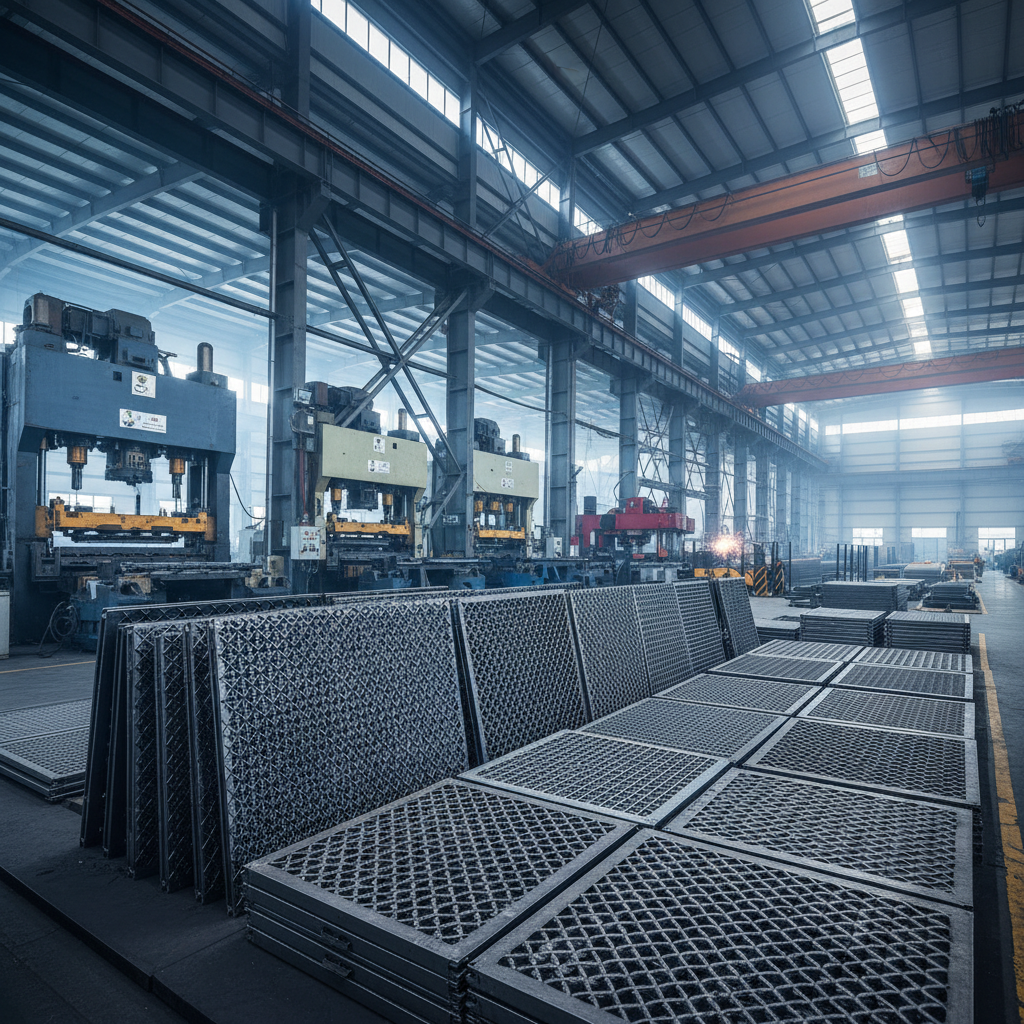
The manufacturing process begins with a metal sheet, which is then simultaneously slit and stretched using specialized machinery. This creates the characteristic expanded pattern. Following expansion, the material is passed through rollers to flatten the raised portions, resulting in a uniform surface. Quality control measures are implemented throughout the process to ensure dimensional accuracy and structural integrity.
In construction, flattened expanded metal mesh is used extensively for floor grating, stair treads, walkways, facade cladding, sunshades, and security fencing. Its strength, durability, and aesthetic appeal make it a versatile material for both structural and decorative applications. Its non-slip surface also enhances safety in high-traffic areas.
Corrosion can be prevented through several methods. Using corrosion-resistant alloys like stainless steel is a primary solution. Alternatively, applying protective coatings such as galvanization, powder coating, or painting can provide a barrier against corrosive elements. Regular maintenance, including cleaning and re-coating, can further extend the lifespan of the mesh.
Conclusion
Flattened expanded metal mesh stands out as a remarkably versatile and effective material across a diverse range of industries. Its unique combination of strength, durability, permeability, and cost-effectiveness makes it an ideal solution for applications ranging from architectural design and industrial safety to infrastructure development and disaster relief. Understanding its properties and benefits is crucial for professionals seeking innovative and reliable material solutions.
Looking forward, the continued development of advanced manufacturing techniques, sustainable material sourcing, and innovative alloy compositions will further enhance the performance and application possibilities of flattened expanded metal mesh. By embracing these advancements, we can unlock the full potential of this valuable material and drive progress across various sectors. Visit our website at www.ztwiremesh.com to explore our comprehensive range of flattened expanded metal mesh products and solutions.