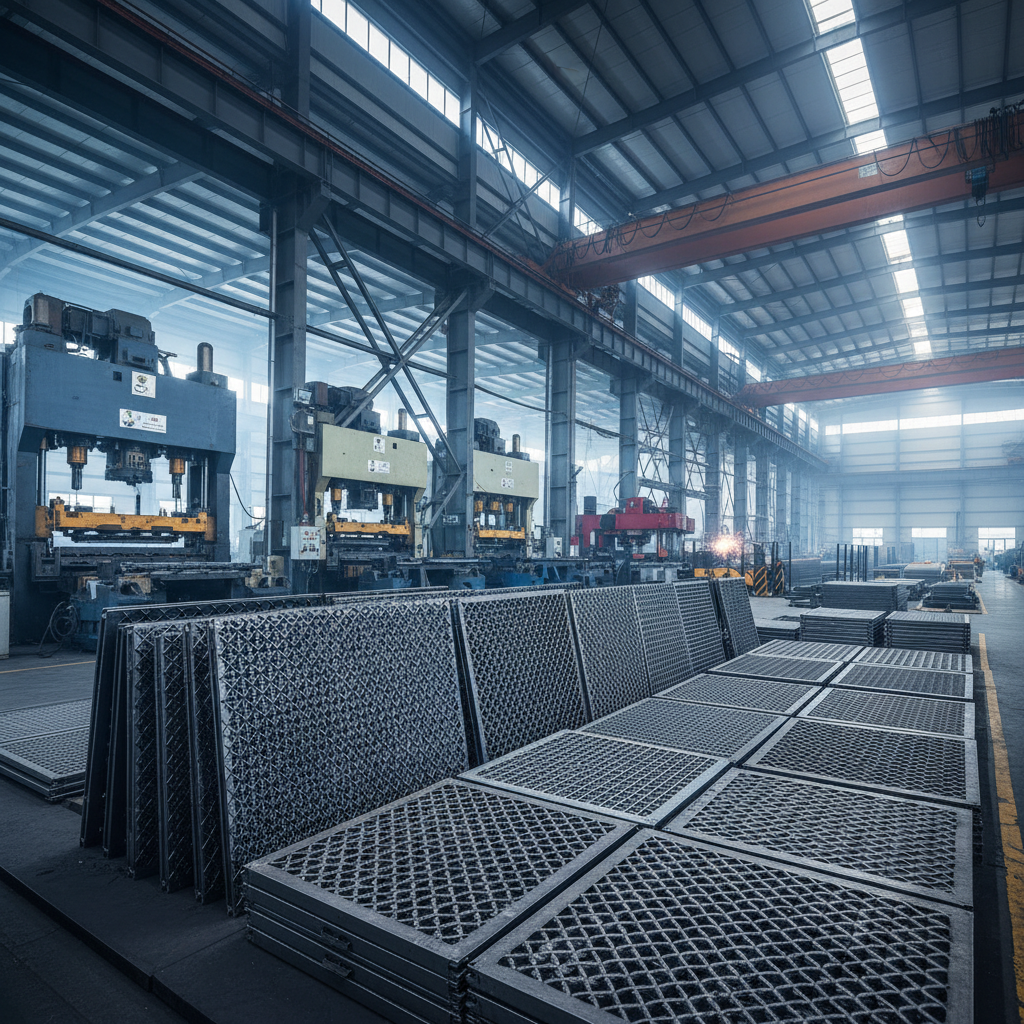
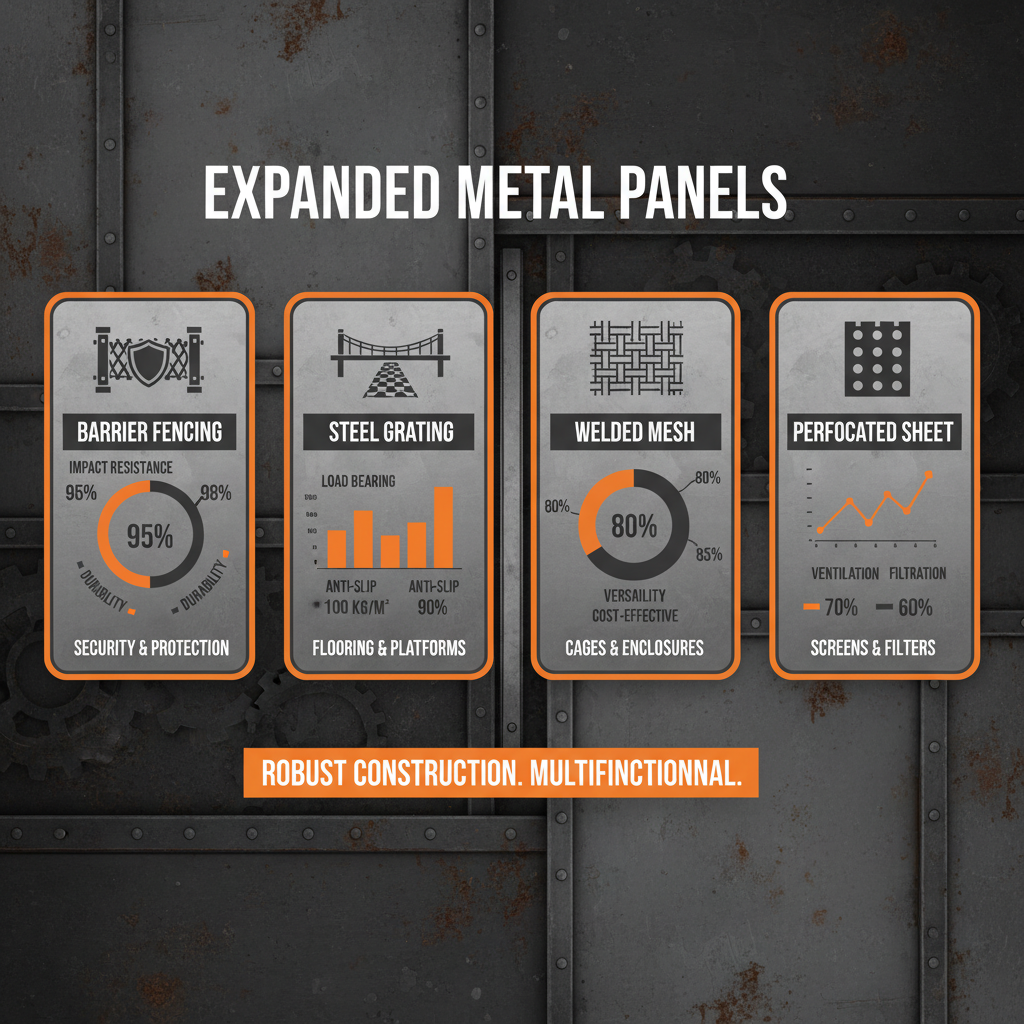
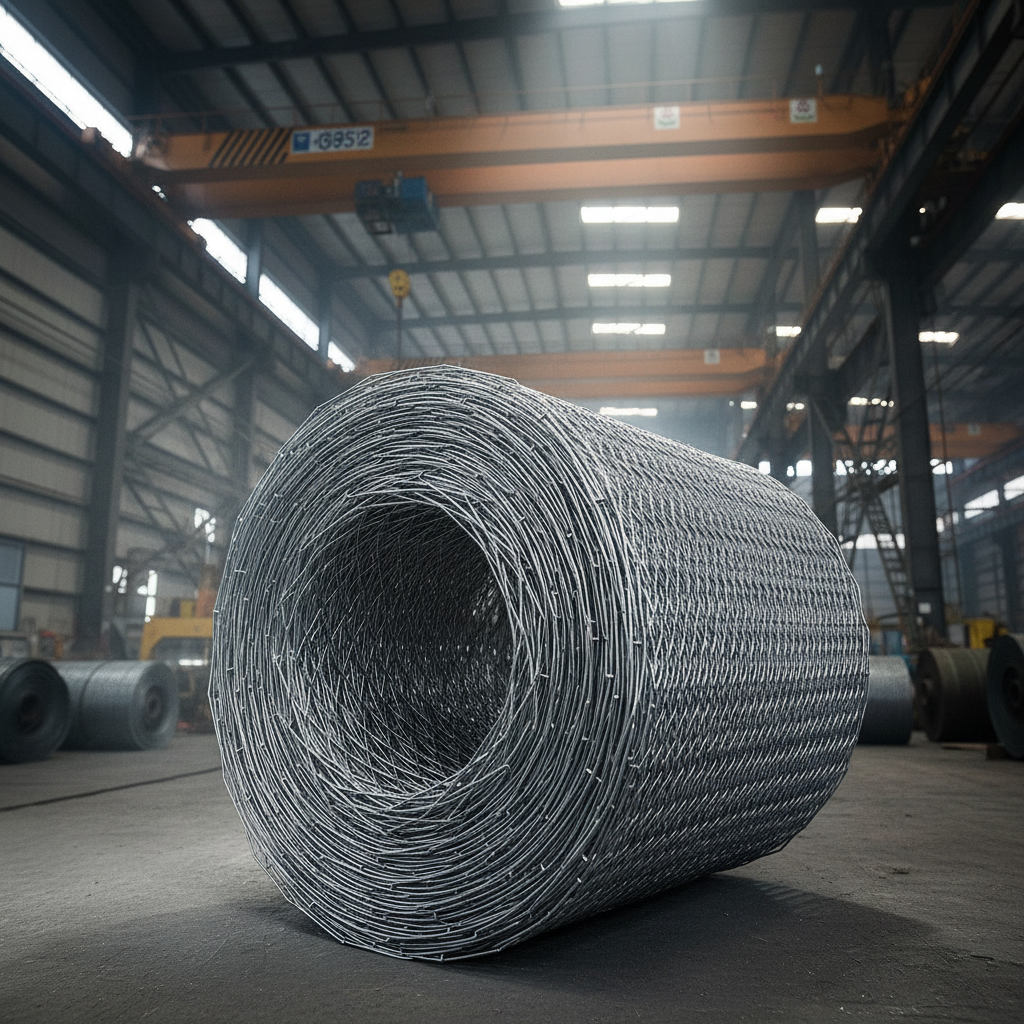
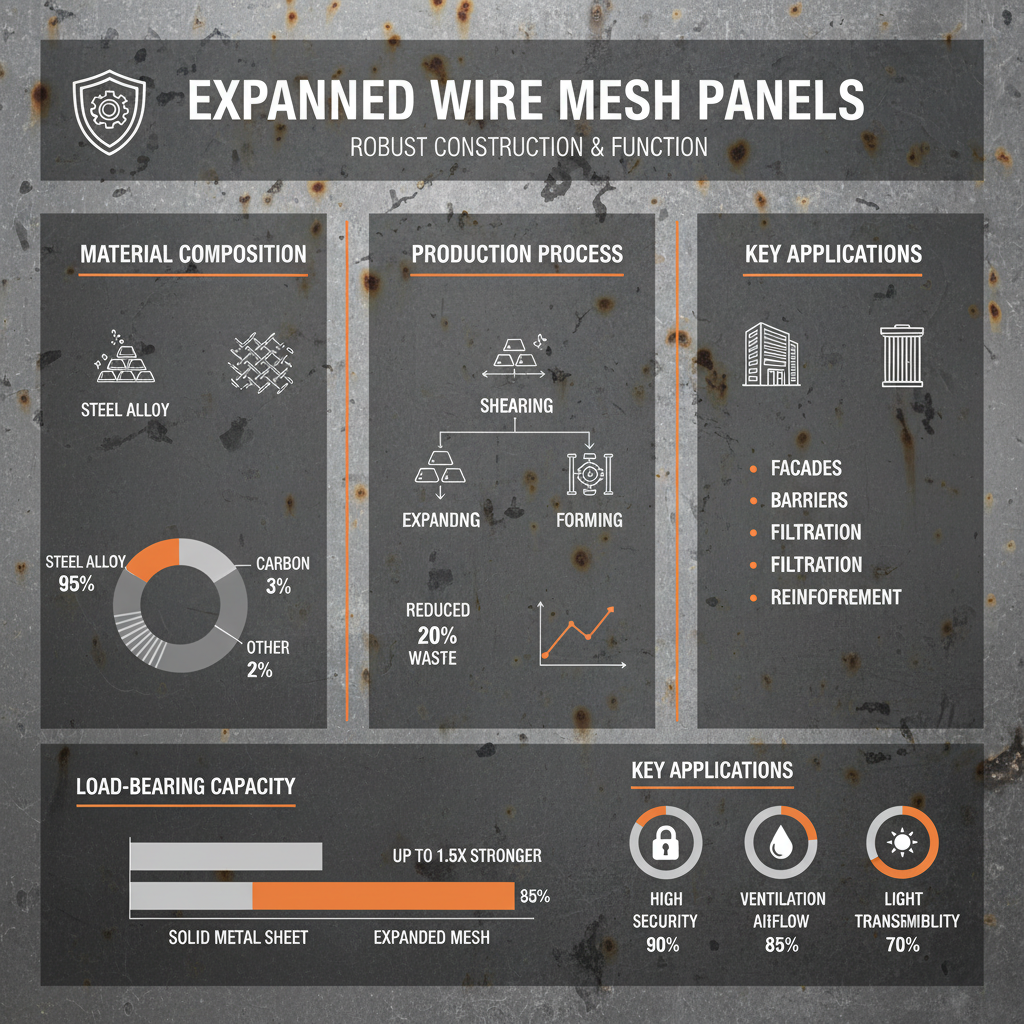
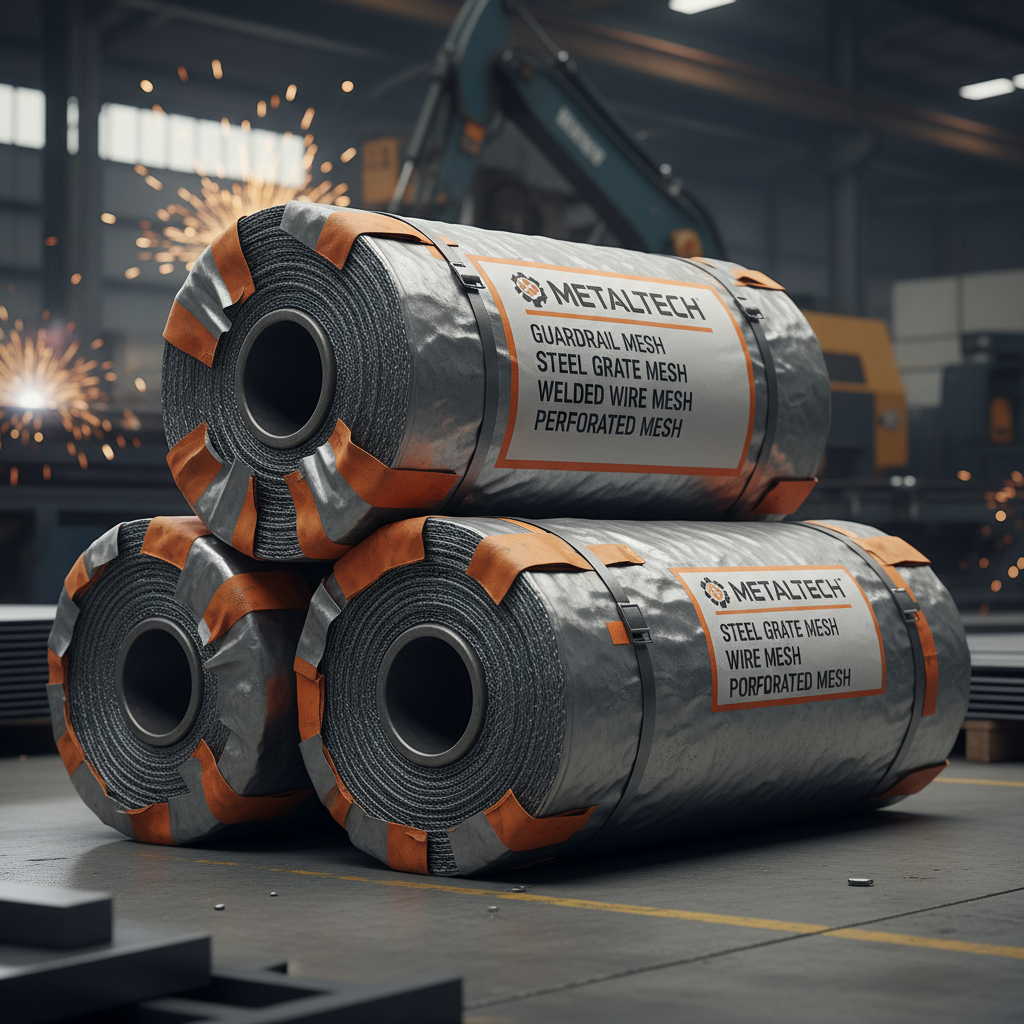
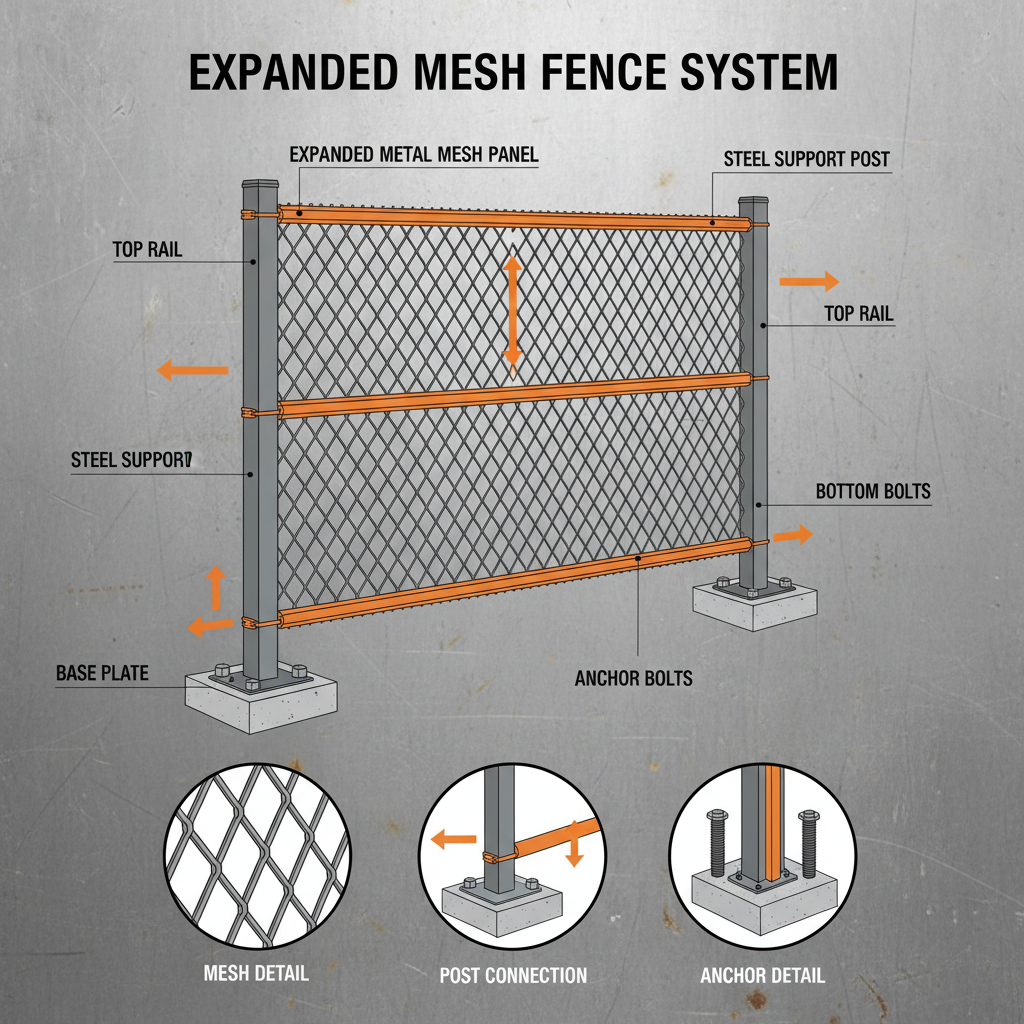
Expanded metal panel is a versatile construction material increasingly vital across a spectrum of industries globally. Its unique open grid structure, formed by slitting and stretching metal sheets, provides exceptional strength-to-weight ratios and a wide array of applications. From architectural facades to industrial flooring and security fencing, its adaptability makes it a cornerstone of modern infrastructure.
The global demand for expanded metal panel is driven by increasing industrialization, urbanization, and a growing need for robust, cost-effective, and sustainable building solutions. According to a report by Grand View Research, the global metal building materials market was valued at USD 154.9 billion in 2022 and is expected to grow at a compound annual growth rate (CAGR) of 5.8% from 2023 to 2030. This growth is directly linked to the increasing adoption of expanded metal panel in diverse construction projects.
Understanding the properties and applications of expanded metal panel is crucial for architects, engineers, contractors, and anyone involved in infrastructure development. Its inherent advantages – durability, security, ventilation, and aesthetic appeal – make it a superior choice over traditional materials in numerous scenarios.
Introduction to expanded metal panel
Expanded metal panel serves as a foundational component in numerous industrial and commercial applications, providing both structural integrity and aesthetic appeal. Its production process – slitting and stretching – creates a robust, self-supporting mesh that is lighter and often more cost-effective than solid metal sheets. This makes it an ideal choice for projects demanding both durability and efficiency.
The material’s open grid design is not merely a structural feature but also lends itself to ventilation, filtration, and visual transparency. These attributes expand its utility beyond traditional construction, finding applications in sound baffling, safety guards, and even artistic installations. The widespread adoption of expanded metal panel demonstrates its adaptability and versatility.
Defining expanded metal panel
Expanded metal panel is a single piece of metal that has been slit and then stretched, resulting in an open, diamond-shaped mesh. Unlike woven wire mesh, expanded metal is formed from a solid sheet, meaning there are no welds or joints to fail, contributing to its exceptional strength and rigidity. It’s often manufactured from carbon steel, stainless steel, aluminum, and other alloys to suit specific application requirements.
Its connection to modern industry lies in its ability to provide cost-effective, lightweight, and strong structural solutions. In humanitarian needs, expanded metal panel can be rapidly deployed for temporary shelters, secure fencing, and even medical screening facilities. This inherent adaptability makes it a crucial material in both planned development and emergency response situations.
The defining characteristic of expanded metal is its one-piece construction. This contrasts sharply with welded wire mesh, where individual wires are joined, creating potential weak points. The expanded metal process maintains the integrity of the original material, making it exceptionally durable and resistant to deformation.
Core Characteristics of expanded metal panel
One of the most defining characteristics of expanded metal panel is its inherent strength. The stretching process work-hardens the metal, increasing its tensile strength and resistance to bending. Furthermore, the interlaced strands distribute stress evenly, preventing localized failures.
The open grid design of expanded metal offers excellent ventilation and visibility. This makes it suitable for applications where airflow is critical, such as cooling towers or machine guards, or where visual monitoring is necessary, like security fencing. The degree of openness can be customized during the manufacturing process to suit specific needs.
Expanded metal panel is remarkably versatile in terms of material options. It can be produced from a wide range of metals, including carbon steel, stainless steel, aluminum, and specialized alloys. This flexibility allows for tailoring the material to specific environmental conditions and performance requirements, such as corrosion resistance or high-temperature stability.
Key Benefits of Using expanded metal panel
Durability is a paramount benefit. Its robust construction and inherent strength contribute to a long service life, minimizing maintenance and replacement costs. This is especially important in harsh environments or high-traffic areas.
Cost-effectiveness is another significant advantage. Compared to solid metal plates or more complex fabricated structures, expanded metal panel often represents a more economical solution, particularly for large-scale projects. Its lightweight nature can also reduce transportation and installation costs.
Performance Metrics of expanded metal panel Types
Global Applications and Use Cases
In the construction industry, expanded metal panel is used extensively for flooring, stair treads, walkway gratings, and facade cladding. Its non-slip surface and open design provide safety and structural integrity. For example, in large commercial buildings, expanded metal flooring offers both aesthetic appeal and practical functionality.
Expanded metal panel plays a vital role in security applications. It's used in fences, gates, and security screens to provide robust protection without obstructing visibility. In post-disaster relief operations, it can be rapidly deployed to create secure perimeters and temporary shelters. This is often seen in regions prone to earthquakes or hurricanes.
Advantages and Long-Term Value
The longevity of expanded metal panel translates directly into cost savings over its lifecycle. Reduced maintenance requirements and resistance to wear and tear minimize the need for frequent replacements, lowering total cost of ownership. This makes it a financially sound investment for long-term projects.
The sustainability aspect of expanded metal panel is becoming increasingly important. Its durability reduces waste, and its often-recycled metal composition contributes to a circular economy. Choosing expanded metal demonstrates a commitment to environmentally responsible building practices.
Beyond tangible benefits, expanded metal panel offers peace of mind through enhanced safety and security. Its robust construction provides a reliable barrier, while its open design allows for clear visibility, creating a more secure environment for buildings and facilities.
Future Trends and Innovations
Research into new alloy compositions is pushing the boundaries of expanded metal panel performance. Developments in high-strength, lightweight alloys are expanding its applications in aerospace and automotive industries. These materials offer improved corrosion resistance and enhanced structural properties.
The integration of smart technologies is another emerging trend. Coating expanded metal panel with conductive materials allows for the development of sensors and heating elements, creating "smart" surfaces with advanced functionalities. This could include applications like de-icing systems or integrated lighting.
Automation in the manufacturing process is driving down production costs and improving quality control. Advanced cutting and stretching technologies are enabling the creation of more complex and customized expanded metal panel designs, catering to a wider range of architectural and industrial needs.
Summary of Expanded Metal Panel Performance Characteristics
| Material Type |
Corrosion Resistance (1-10) |
Weight-to-Strength Ratio |
Cost-Effectiveness (1-10) |
| Carbon Steel |
4 |
7 |
9 |
| Stainless Steel 304 |
9 |
6 |
6 |
| Aluminum 5052 |
8 |
8 |
7 |
| Galvanized Steel |
7 |
7.5 |
8 |
| Stainless Steel 316 |
10 |
5.5 |
5 |
| Corten Steel |
8.5 |
6.5 |
6 |
FAQS
Expanded metal panel is widely used in construction for flooring, stair treads, walkway gratings, facade cladding, and sunshades. Its open grid design provides excellent ventilation, while its durability ensures long-lasting performance. It’s a versatile alternative to solid metal plates, offering a balance of strength, weight, and cost-effectiveness.
Expanded metal panel is generally stronger than woven wire mesh. Unlike woven mesh, it’s created from a single sheet of metal, eliminating weld points that can be sources of failure. The stretching process also work-hardens the metal, increasing its tensile strength and rigidity. This makes expanded metal better suited for load-bearing applications.
Common metals include carbon steel, stainless steel, aluminum, and alloys like Corten steel. The choice depends on the specific application and environmental conditions. Stainless steel offers excellent corrosion resistance, aluminum is lightweight, and carbon steel is cost-effective. Corten steel develops a protective rust layer, enhancing its durability in outdoor settings.
Corrosion prevention methods include galvanizing (coating with zinc), powder coating, and using corrosion-resistant alloys like stainless steel. Galvanizing provides a protective barrier against rust, while powder coating adds a durable and aesthetically pleasing finish. Selecting the appropriate treatment depends on the severity of the corrosive environment.
Yes, expanded metal panel can contribute to sustainable building practices. Its durability reduces the need for frequent replacements, minimizing waste. Many metals used in its production are recyclable, supporting a circular economy. Its lightweight nature can also lower transportation costs and emissions.
Lead times vary depending on the quantity, material, and complexity of the order. Standard patterns and materials may have shorter lead times (2-4 weeks), while custom designs or large orders can take 6-8 weeks or longer. It’s best to consult with a manufacturer like ZT Wire Mesh for a specific quote and delivery schedule.
Conclusion
Expanded metal panel stands as a testament to efficient material science and adaptable engineering. Its unique combination of strength, versatility, and cost-effectiveness has cemented its position as a vital component across numerous industries, from construction and security to transportation and infrastructure. Understanding its properties and applications is paramount for optimizing design and construction processes.
Looking ahead, continued innovation in materials and manufacturing techniques promises to further enhance the capabilities of expanded metal panel. The integration of smart technologies and a growing emphasis on sustainability will drive its adoption in even more diverse and challenging applications. For reliable sourcing and expert guidance, visit our website at www.ztwiremesh.com.