In the modern landscape of industrial security and architectural design, diamond metal mesh panels have emerged as a pivotal solution for balancing structural integrity with visual permeability. These panels, characterized by their distinctive rhomboid geometry, provide an unparalleled strength-to-weight ratio that is essential for high-traffic urban environments and secure industrial facilities.
Beyond mere security, the adoption of these panels reflects a global shift toward sustainable and versatile building materials. By utilizing advanced cold-rolling and stretching techniques, the industry has evolved to produce mesh that is not only resistant to impact but also aesthetically pleasing, making it a favorite for both utilitarian fences and high-end facade cladding.
Understanding the technical nuances of diamond metal mesh panels—from material grade to aperture size—allows engineers and architects to optimize the lifespan of their installations. Whether used for crowd control, ventilation, or anti-climb barriers, these panels represent the intersection of metallurgical precision and practical security needs.
Global Relevance of Diamond Metal Mesh Panels
On a global scale, the demand for diamond metal mesh panels is driven by the increasing need for secure infrastructure in rapidly urbanizing regions. According to industrial trends aligned with ISO quality standards, the shift toward "transparent security"—where safety does not mean total occlusion—has made diamond-patterned mesh the gold standard for airports, stadiums, and government facilities.
The primary challenge these panels address is the vulnerability of traditional solid walls, which often create "blind spots" and trap heat. By implementing a diamond-shaped open area, facilities can maintain a high level of security while ensuring natural airflow and visibility, which is critical for surveillance and emergency response operations across diverse climates.
Defining Technical Specifications and Standards
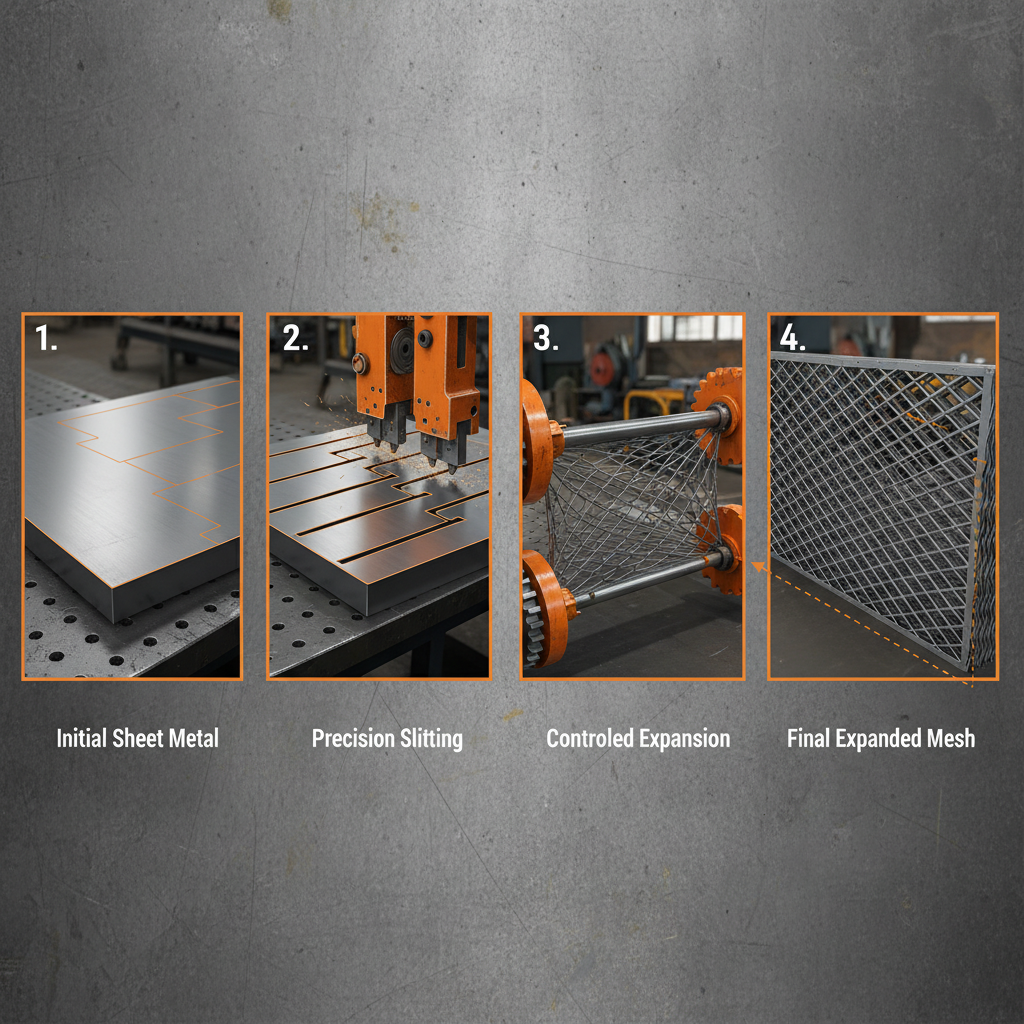
At its core, diamond metal mesh panels are produced through a process of slitting and stretching a metal sheet, creating a series of interconnected diamond-shaped openings without removing any material from the base sheet. This unique manufacturing method ensures that the structural integrity of the original metal is preserved, resulting in a panel that is significantly stronger than welded alternatives of the same weight.
In the context of modern industry, these panels are categorized by their "Long Way of the Diamond" (LWD) and "Short Way of the Diamond" (SWD), measurements that determine the openness and the stiffness of the mesh. This precision allows the panels to be tailored for specific humanitarian needs, such as temporary protective barriers in disaster zones or permanent safeguards in high-risk industrial plants.
Furthermore, the material composition—typically galvanized steel, stainless steel, or aluminum—determines the panel's resistance to corrosion. In coastal regions or chemical plants, the use of hot-dip galvanized diamond metal mesh panels is mandatory to prevent oxidation and ensure a service life that spans decades rather than years.
Core Components of High-Performance Mesh
The durability of diamond metal mesh panels is rooted in the molecular bond of the stretched metal. Unlike welded mesh, there are no heat-affected zones (HAZ) where the metal becomes brittle, meaning the panels can absorb significant impact energy without fracturing, which is essential for high-security perimeters.
Scalability is another critical factor; these panels can be manufactured in various thicknesses and aperture sizes to suit everything from delicate architectural screens to heavy-duty industrial catwalks. This flexibility allows project managers to use a single product line for multiple purposes across a site, simplifying procurement and installation.
Cost efficiency is achieved through the reduction of material waste. Since the stretching process redistributes the metal rather than punching holes and discarding slugs, diamond metal mesh panels offer a more sustainable and economical profile compared to perforated sheets, especially for large-scale infrastructure projects.
Global Applications and Industry Use Cases
In real-world applications, diamond metal mesh panels are indispensable across several sectors. In the transportation industry, they are used for bridge railings and tunnel ventilation grates, where they provide necessary safety barriers while allowing wind to pass through, reducing the wind load on the structure.
In remote industrial zones, such as mining operations in Australia or oil rigs in the North Sea, these panels serve as critical safety walkways and machine guards. Their anti-slip properties and high load-bearing capacity ensure that workers can move safely in hazardous conditions, reducing the risk of industrial accidents.
Performance Comparison of Diamond Metal Mesh Panel Variations
Long-Term Value and Economic Advantages
The tangible benefits of investing in high-quality diamond metal mesh panels extend far beyond the initial purchase price. By reducing maintenance costs through corrosion-resistant coatings and eliminating the need for frequent replacements, these panels offer a significantly lower total cost of ownership (TCO) over a 20-year lifecycle.
From an emotional and psychological perspective, the use of these panels enhances the sense of safety and trust in public spaces. When a facility uses robust, well-engineered mesh, it signals a commitment to security and innovation, providing peace of mind to employees and visitors while maintaining an open, inviting architectural feel.
Future Trends in Metal Mesh Innovation
Looking ahead, the evolution of diamond metal mesh panels is being shaped by the digital transformation of manufacturing. The integration of AI-driven precision cutting and CNC stretching allows for the creation of "gradient mesh," where the aperture size changes across a single panel to optimize for both strength and airflow in a single piece.
Sustainability is also driving the adoption of recycled alloys. We are seeing a rise in "green steel" versions of these panels, which utilize hydrogen-based smelting processes to reduce carbon footprints. This aligns with global ESG (Environmental, Social, and Governance) policies, making the mesh a preferred choice for LEED-certified building projects.
Furthermore, the convergence of metal mesh with smart technology—such as embedding sensors within the mesh frame to detect perimeter breaches—is turning passive diamond metal mesh panels into active security components of the IoT (Internet of Things) ecosystem.
Overcoming Common Installation Challenges
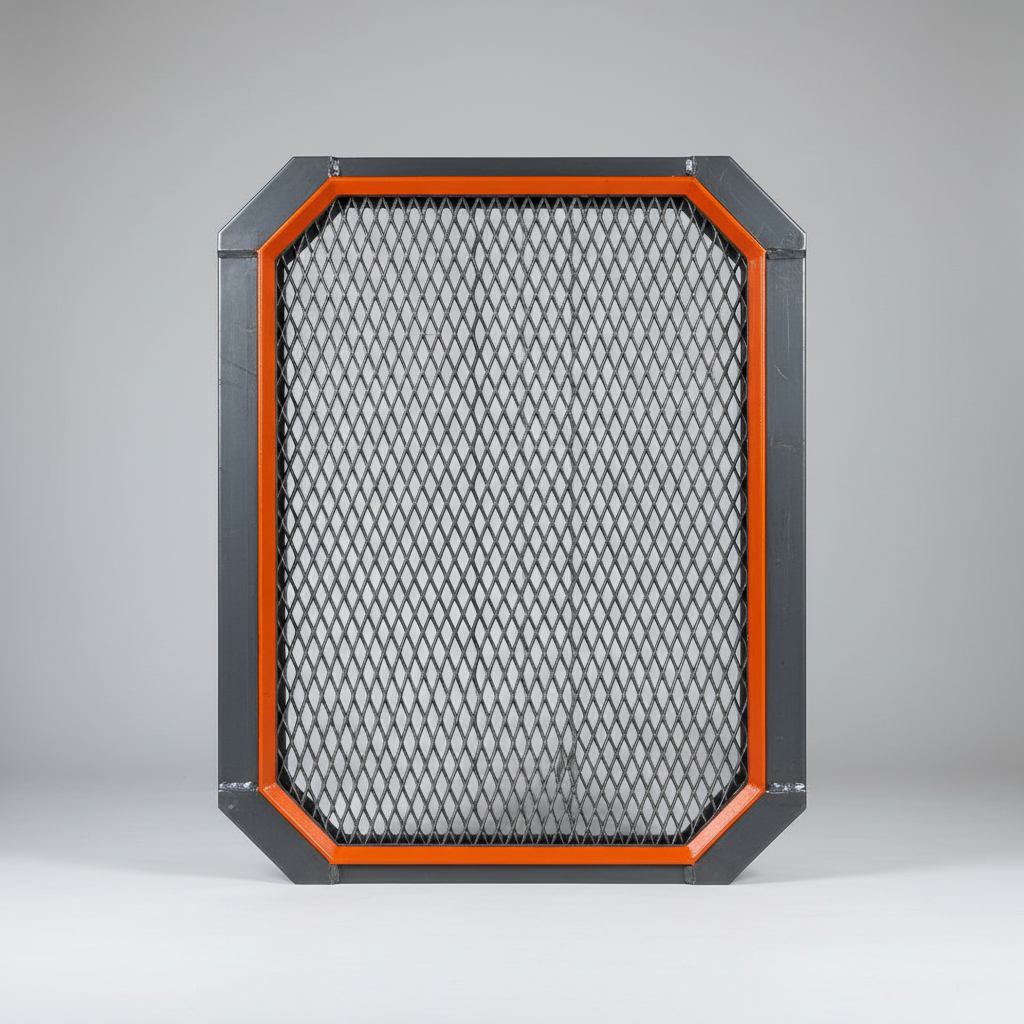
One of the most common challenges in deploying diamond metal mesh panels is the handling of "sharp edges" resulting from the stretching process. To overcome this, professional installers utilize edge-flattening techniques or incorporate reinforced frames that encapsulate the mesh, ensuring safety without compromising the structural integrity of the barrier.
Another limitation is the potential for sagging in very large spans. Experts recommend the use of strategic intermediate supports and tensioning hardware to maintain the planar geometry of the panels. By implementing a modular framing system, installers can ensure that the mesh remains taut and visually consistent across hundreds of meters.
Finally, matching the mesh's expansion coefficient with the supporting structure is vital in extreme temperature environments. Using flexible mounting brackets allows the diamond metal mesh panels to expand and contract naturally, preventing warping or weld failure in harsh climates.
Comparative Analysis of Diamond Metal Mesh Panel Installations
| Installation Type |
Material Used |
Installation Complexity |
Maintenance Level |
| Security Perimeter |
Galvanized Steel |
Medium |
Low |
| Architectural Facade |
Stainless Steel |
High |
Very Low |
| Industrial Catwalk |
Heavy Steel |
Medium |
Medium |
| Ventilation Screen |
Aluminum |
Low |
Low |
| Animal Enclosure |
PVC Coated Steel |
Low |
Medium |
| Airport Boundary |
Hot-Dip Galvanized |
Medium |
Low |
FAQS
The strength of diamond metal mesh panels comes from the stretching process. Because the metal is physically shifted rather than cut and welded, there are no weak points or heat-damaged joints. This creates a continuous, monolithic structure that distributes stress more evenly across the panel, making it far more resistant to impact and deformation.
Selection depends on the primary goal: for security, smaller apertures are preferred to prevent climbing or the passage of objects. For ventilation or architectural aesthetics, larger apertures provide better airflow and light penetration. We recommend calculating the "Open Area Percentage" to ensure the mesh meets specific wind load or visibility requirements.
Yes, provided you choose the correct material. For coastal areas, we strongly recommend Grade 316 Stainless Steel or Hot-Dip Galvanized panels with an additional PVC coating. These materials create a barrier against chloride ions, preventing the rust and degradation that typically plague standard carbon steel in maritime settings.
Absolutely. Powder coating is a popular option for architectural projects. The metal surface is first pre-treated for adhesion, and then an electrostatic powder is applied and baked. This not only provides a wide range of colors but also adds an extra layer of protection against environmental wear.
To prevent sagging, the panels should be mounted using a rigid frame system. This involves welding or bolting the mesh to a perimeter angle iron or tube. For very long runs, intermediate vertical supports should be placed every 2 to 3 meters to maintain the tension and flat profile of the mesh.
Generally, yes. Perforated metal involves punching holes and creating scrap metal (slugs) that must be recycled. Diamond mesh is created by stretching the sheet, meaning there is virtually zero material waste during the primary forming process, significantly reducing the environmental footprint of production.
Conclusion
In summary, diamond metal mesh panels represent a sophisticated synergy of strength, versatility, and efficiency. From their unique manufacturing process that preserves material integrity to their wide-ranging applications in global security and architecture, these panels provide a durable solution for the most demanding environments. By focusing on precise technical specifications and utilizing corrosion-resistant materials, users can ensure a long-term investment that enhances both safety and design.
As we look toward the future, the integration of sustainable materials and smart-monitoring technology will continue to elevate the role of metal mesh in the built environment. Whether you are securing a critical industrial site or designing a modern urban facade, choosing high-performance diamond mesh is a strategic decision for reliability and innovation. For more information on custom specifications and bulk procurement, visit our website: www.ztwiremesh.com.