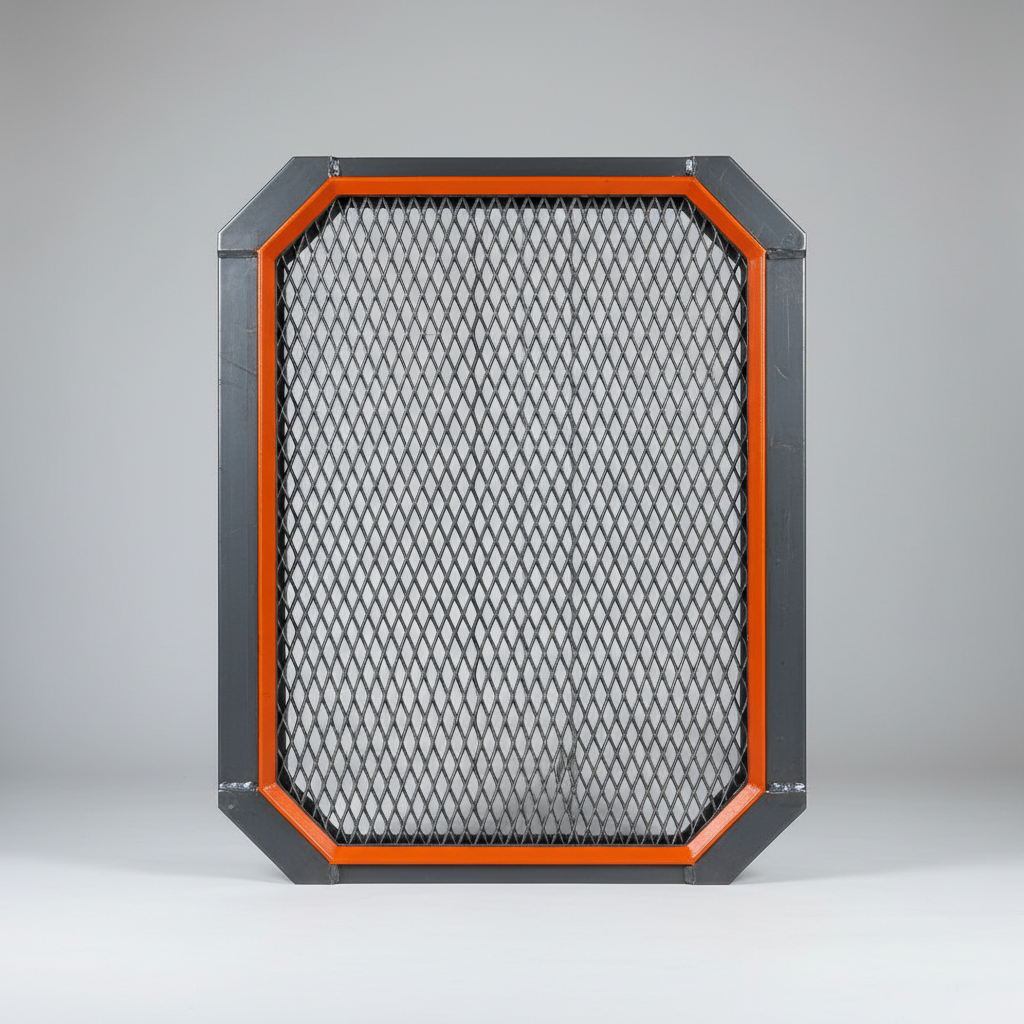
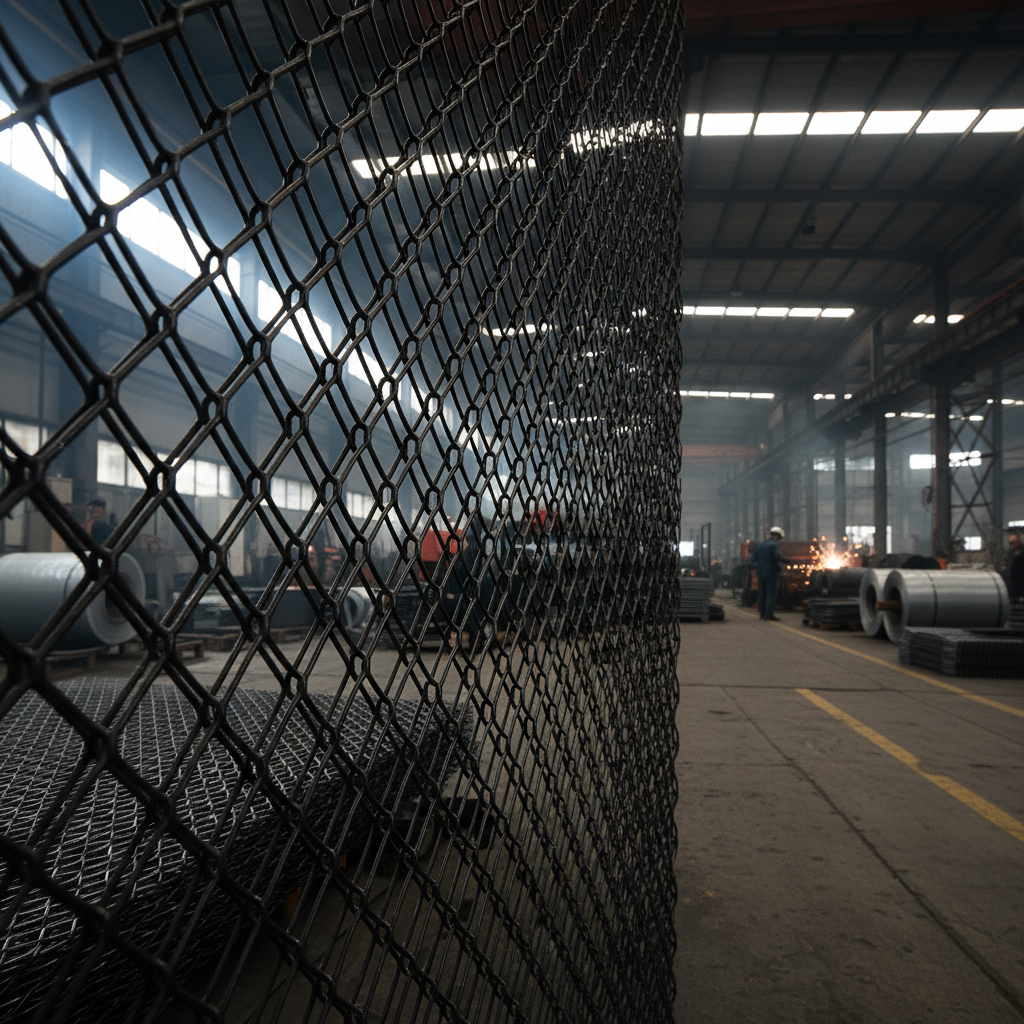
Expanded metal screen is a versatile material finding increasing applications globally, from industrial safety to architectural design and even humanitarian efforts. Its unique open-mesh structure provides a strong yet lightweight solution, offering benefits in filtration, ventilation, security, and aesthetic appeal. Understanding its properties and diverse applications is crucial for engineers, architects, and disaster relief organizations alike, leading to innovative and efficient solutions across various sectors.
The demand for durable, cost-effective, and adaptable building and safety materials is constantly growing, especially in rapidly developing nations and areas prone to natural disasters. expanded metal screen addresses this need by offering a sustainable and readily deployable alternative to traditional materials. As urbanization continues and infrastructure demands increase, the role of expanded metal screen in creating resilient and efficient systems will become even more critical.
Its increasing adoption highlights a shift towards lighter, stronger, and more adaptable materials that can solve complex challenges in a variety of contexts, from industrial facilities to community infrastructure.
Introduction to Expanded Metal Screen
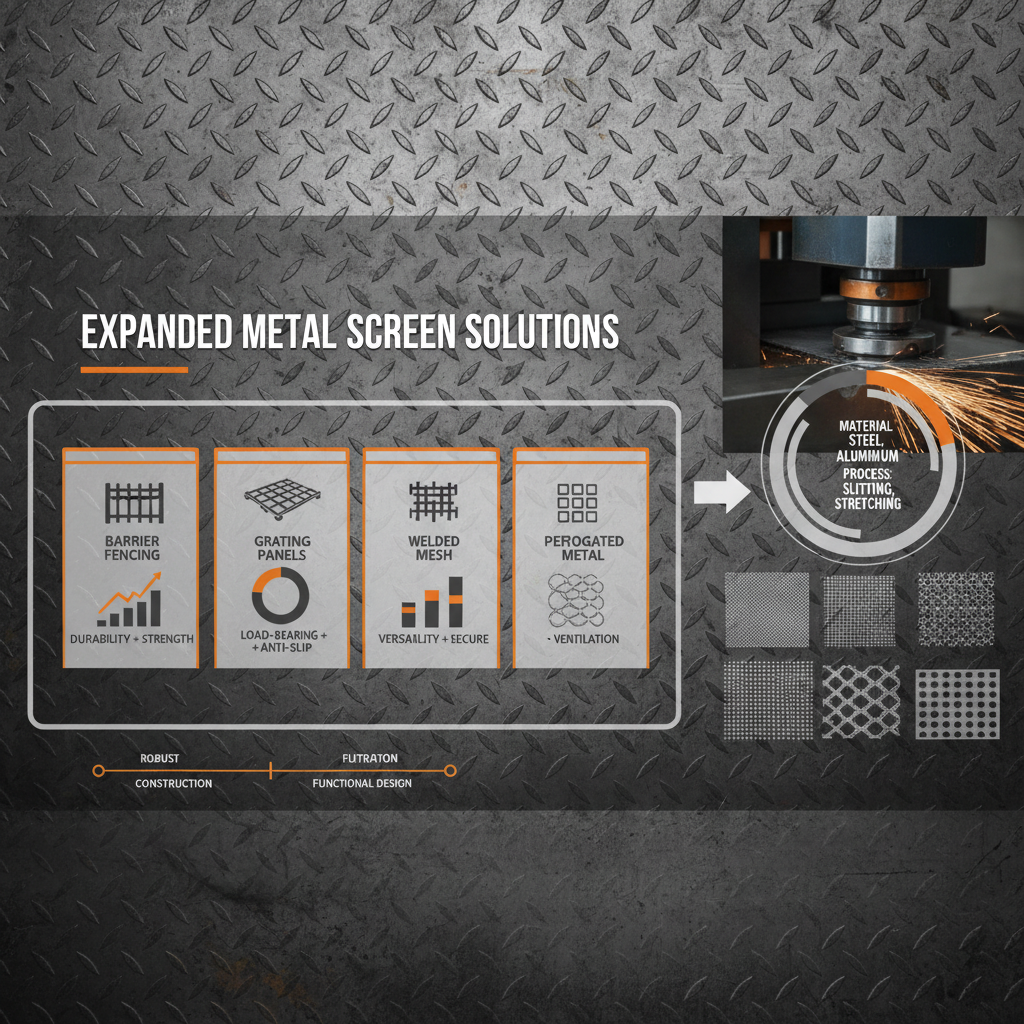
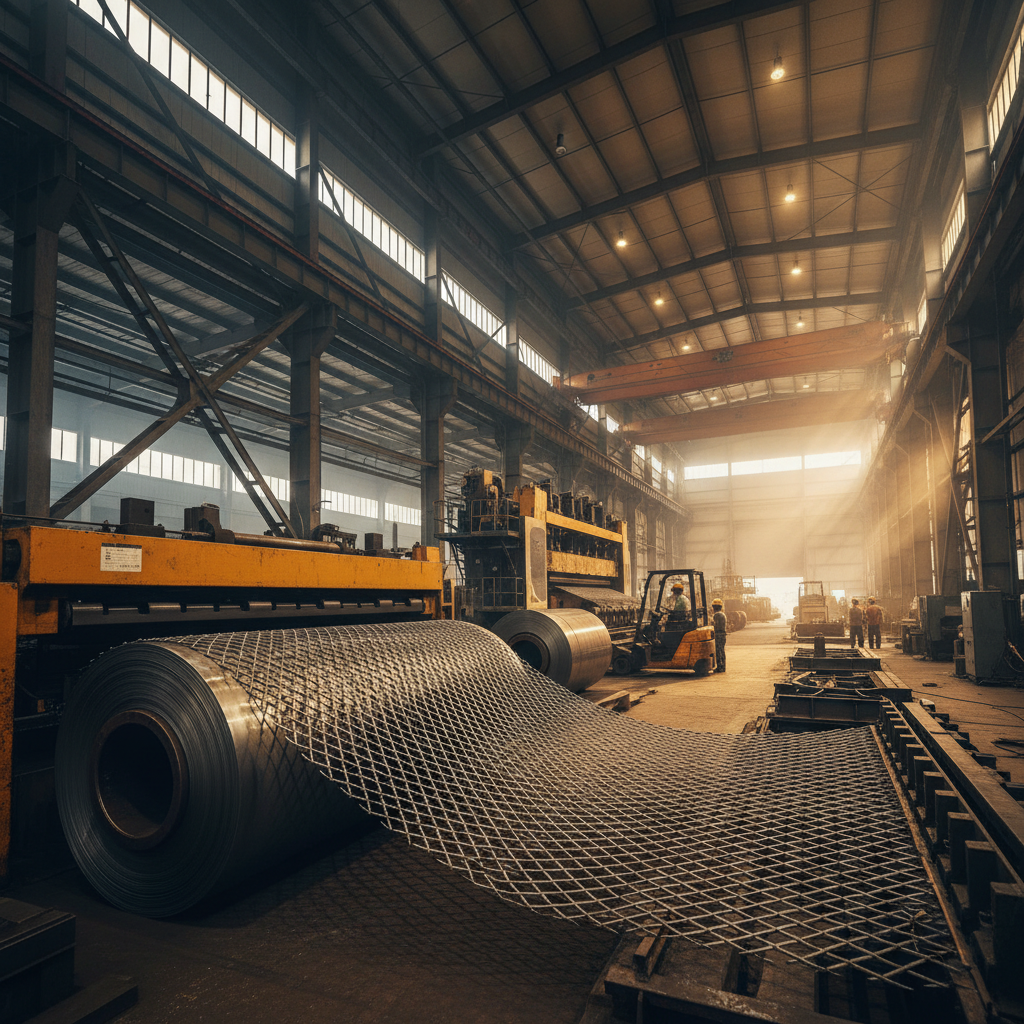
Expanded metal screen is created by slitting and stretching sheet metal, resulting in a rigid mesh with diamond-shaped openings. This process maintains a high percentage of the original metal strength while significantly reducing weight. The resulting product is exceptionally versatile, offering a unique combination of strength, durability, and permeability.
The versatility of expanded metal screen means it finds applications in an incredibly diverse range of sectors, contributing to solutions in safety, filtration, structural support, and architectural aesthetics. Its inherent properties make it a sustainable choice, offering a long service life and potential for recycling.
Global Relevance and Applications
The global demand for expanded metal screen is fueled by infrastructure development, increasing safety regulations, and a growing need for efficient filtration systems. From rapidly urbanizing areas in Asia to large-scale construction projects in North America, the material is being utilized to enhance safety, improve ventilation, and provide structural support. Statistics from the World Bank show a consistent rise in construction spending in developing countries, driving demand for materials like expanded metal screen.
One significant challenge addressed by expanded metal screen is ensuring safety in industrial environments. Guardrails, walkways, and machine enclosures constructed from expanded metal offer robust protection while maintaining visibility, reducing the risk of accidents. This application is particularly vital in countries with stringent workplace safety standards, like those enforced by the ISO.
Furthermore, expanded metal screen plays a crucial role in disaster relief efforts, providing rapid deployment solutions for temporary shelters and protective barriers. Its lightweight and durable nature makes it ideal for transporting and installing in emergency situations.
Defining Expanded Metal Screen
Simply put, expanded metal screen is a solid metal sheet that has been slit and stretched to create an open, mesh-like structure. Unlike woven wire mesh, expanded metal is created from a single piece of metal, maintaining a higher load-bearing capacity and eliminating the risk of unraveling. It's a manufacturing process that provides a unique balance between strength and openness.
Its connection to modern industry is deeply rooted in its versatility. Initially developed for railway car flooring, expanded metal quickly found applications in numerous sectors, ranging from aerospace to architecture. It directly addresses modern needs for lightweight, strong, and durable materials in a wide array of engineering and construction projects.
Today, expanded metal screen is indispensable in numerous fields. From providing a robust and secure framework for walkways in industrial settings, to filtering systems improving air quality, its properties address critical demands across diverse sectors. It represents a practical, durable, and efficient solution for many contemporary engineering challenges.
Key Properties of Expanded Metal Screen
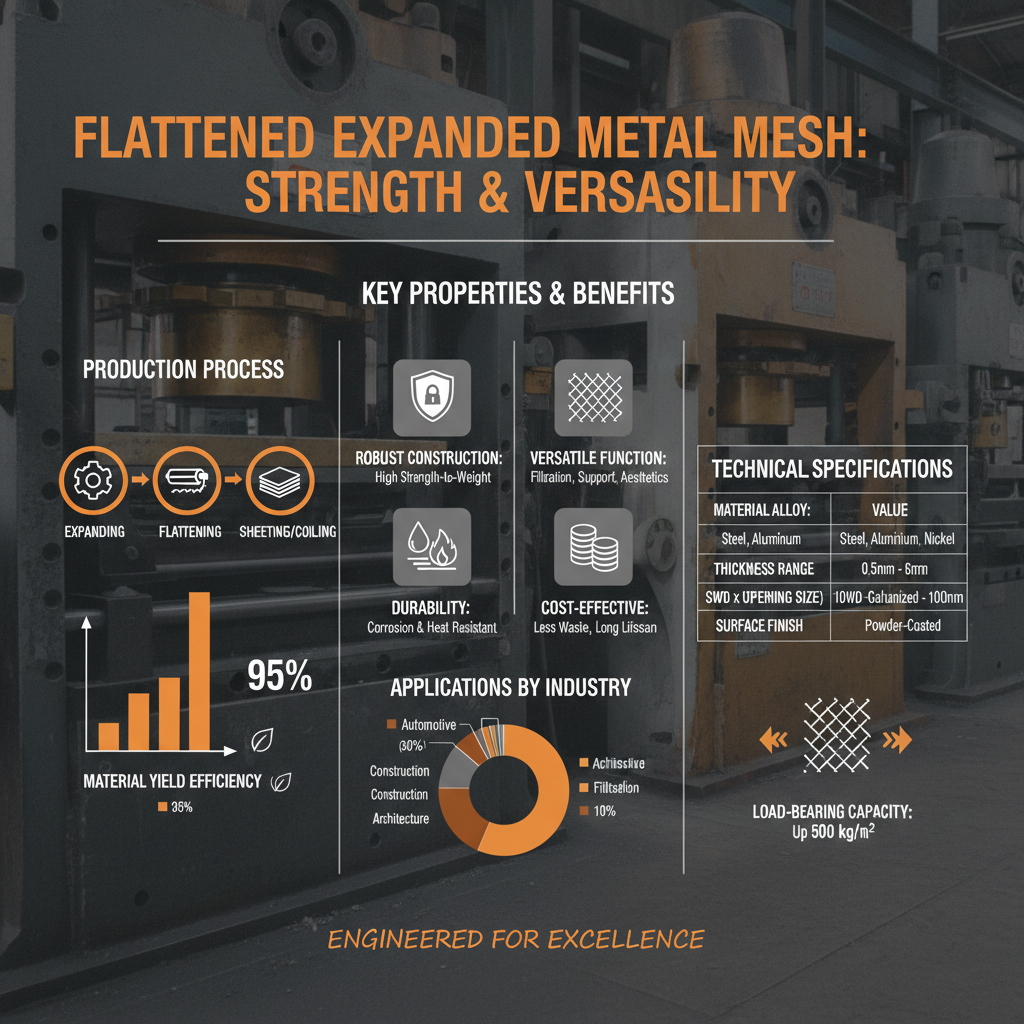
The unique characteristics of expanded metal screen contribute to its widespread adoption. Firstly, its high strength-to-weight ratio makes it ideal for applications where structural integrity is paramount but weight must be minimized. Secondly, its open-mesh design allows for excellent airflow and visibility, essential for ventilation and safety applications.
Further, durability and resistance to deformation ensure a long service life, even in harsh environments. Finally, its versatility in forming and fabrication allows it to be easily customized to meet specific project requirements.
Expanded Metal Screen Performance by Method
Diverse Applications Worldwide
Across the globe, expanded metal screen finds applications in diverse industries. In Europe, it is frequently used in architectural facades, providing both aesthetic appeal and sun shading. In North America, it's integral to the construction of safety walkways and platforms in industrial facilities.
In post-disaster relief operations, expanded metal is utilized for quick and efficient shelter construction, offering a safer and more dignified housing solution than traditional tarpaulins. In remote industrial zones, it serves as a robust and long-lasting grating for walkways and work platforms, minimizing maintenance requirements.
Advantages and Long-Term Value
The advantages of using expanded metal screen extend beyond immediate functionality. Cost-effectiveness is a significant benefit, as the manufacturing process minimizes material waste and reduces labor costs. Its inherent durability translates to a longer service life, reducing the need for frequent replacements. This contributes to sustainability by minimizing resource consumption and waste generation.
Furthermore, expanded metal screen provides a safer working environment by offering a secure and non-slip surface. This peace of mind and enhanced safety directly contribute to increased productivity and reduced risk of accidents. Its aesthetic appeal also adds value, enhancing the appearance of buildings and infrastructure projects.
Future Trends and Innovations
The future of expanded metal screen is intertwined with advancements in materials science and sustainable manufacturing practices. Research is underway to develop expanded metal from recycled materials, further reducing its environmental footprint. Furthermore, innovative coating technologies are being explored to enhance corrosion resistance and extend its service life in harsh environments.
Digital transformation is also playing a role, with automated manufacturing processes increasing efficiency and precision. These technologies will allow for the creation of customized expanded metal designs tailored to specific project requirements. Integration with Building Information Modeling (BIM) will streamline design and construction processes.
The increasing focus on green energy is driving demand for expanded metal screen in solar panel installations, where it provides structural support and ventilation. These innovations promise to expand the applications and benefits of this versatile material.
Challenges and Solutions
While expanded metal screen offers numerous benefits, some challenges exist in current practice. One limitation is the potential for localized deformation under extreme loads. However, this can be mitigated through careful design and selection of appropriate metal thickness and expansion ratios.
Another challenge is the cost of specialized fabrication equipment. However, the increasing availability of advanced CNC machines and automated manufacturing systems is making expanded metal fabrication more accessible. Furthermore, standardized designs and pre-fabricated components can reduce costs and lead times.
Corrosion can also be a concern in certain environments. Applying protective coatings, such as galvanization or powder coating, significantly enhances corrosion resistance and extends the service life of the material.
Summary of Expanded Metal Screen Challenges and Solutions
| Challenge |
Severity (1-10) |
Proposed Solution |
Implementation Cost (1-10) |
| Localized Deformation |
6 |
Optimized Design & Material Selection |
3 |
| Fabrication Equipment Cost |
7 |
Automated Manufacturing & Standardization |
8 |
| Corrosion in Harsh Environments |
8 |
Protective Coatings (Galvanization, Powder Coating) |
4 |
| Material Waste During Cutting |
5 |
Efficient Nesting Algorithms & Precision Cutting |
5 |
| Limited Design Flexibility |
4 |
CAD/CAM Software & Advanced Manufacturing Techniques |
6 |
| Supply Chain Disruptions |
6 |
Diversified Sourcing & Local Manufacturing |
7 |
FAQS
Expanded metal screen is widely used in industrial settings for guardrails, walkways, machine enclosures, and ventilation systems. Its high strength-to-weight ratio and open-mesh design provide robust protection while maintaining visibility and allowing for airflow, reducing the risk of accidents and improving worker safety. The durable nature of the material minimizes maintenance needs and ensures long-term reliability in demanding environments.
Expanded metal screen generally offers higher strength and rigidity compared to woven wire mesh, as it's created from a single sheet of metal rather than interconnected wires. This eliminates the possibility of unraveling and provides superior load-bearing capacity. While the initial cost of expanded metal can be slightly higher, its durability and longer lifespan often result in lower long-term costs due to reduced maintenance and replacement needs.
Common metals used in expanded metal screen production include carbon steel, stainless steel, aluminum, and galvanized steel. Carbon steel offers high strength at a lower cost, while stainless steel provides exceptional corrosion resistance. Aluminum is lightweight and ideal for applications where weight is a concern, and galvanized steel offers a balance of strength and corrosion protection.
Yes, expanded metal screen is highly customizable. It can be manufactured in a wide range of gauges, sheet sizes, and opening configurations to meet specific project requirements. Advanced cutting and forming techniques allow for intricate patterns and custom shapes, providing flexibility in design and application. CNC machinery facilitates precise and efficient fabrication of customized expanded metal components.
Expanded metal screen offers several environmental benefits. The manufacturing process generates minimal waste, as the material is stretched rather than cut. The long service life reduces the need for frequent replacements, minimizing resource consumption. Moreover, expanded metal is often recyclable at the end of its life, promoting a circular economy. Using recycled content in production further reduces its environmental footprint.
In architectural applications, expanded metal screen is used for facades, sunshades, cladding, and decorative elements. Its unique aesthetic appeal adds visual interest to buildings, while its open-mesh design allows for natural ventilation and light transmission. Expanded metal can also provide shading, reducing solar heat gain and improving energy efficiency. Its durability and weather resistance make it a sustainable choice for exterior applications.
Conclusion
In conclusion, expanded metal screen is a remarkably versatile and valuable material with applications spanning a diverse range of industries. Its unique combination of strength, durability, and open-mesh design provides cost-effective and sustainable solutions for safety, filtration, architectural design, and disaster relief. The continued innovation in materials and manufacturing techniques promises to further expand the applications and benefits of this essential material.
Looking ahead, embracing advanced fabrication technologies, sustainable material sourcing, and continued research into new applications will unlock the full potential of expanded metal screen. We encourage you to explore the possibilities and discover how expanded metal screen can benefit your project. Visit our website today to learn more and request a quote.