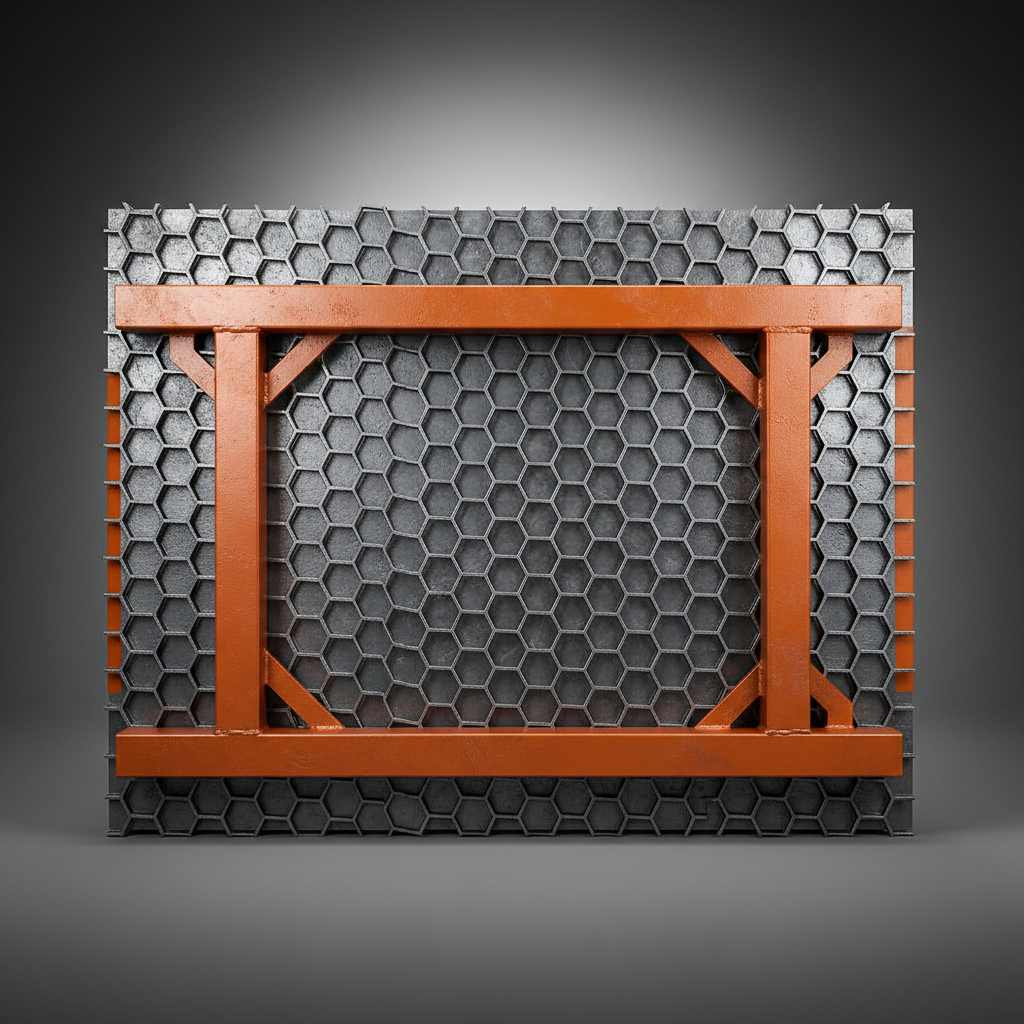
The global architectural landscape is witnessing a significant shift toward materials that blend structural integrity with refined aesthetics. Among these, the expanded aluminum screen has emerged as a premier choice for designers and developers seeking a balance between transparency and privacy. By utilizing a specialized slitting and stretching process, these screens provide a unique geometric appeal that enhances the visual identity of any modern structure.
Beyond its visual charm, the integration of high-grade aluminum ensures that these installations remain resilient against environmental degradation. Whether applied in urban facades or residential boundaries, the expanded aluminum screen addresses the critical need for lightweight yet durable partitioning. Its ability to facilitate airflow while maintaining a secure perimeter makes it indispensable in contemporary sustainable building practices.
For those looking to elevate their property's curb appeal, integrating an expanded aluminum screen offers a sophisticated alternative to traditional fencing. These solutions are not merely functional barriers but are artistic additions that mirror the elegance of European-inspired design, providing lasting value through minimal maintenance and superior weather resistance.
Global Relevance of Expanded Aluminum Screen
In the current global construction market, there is an increasing demand for materials that adhere to ISO standards of durability and sustainability. The expanded aluminum screen has become a pivotal solution for addressing the conflict between security and openness. As urban density increases, the need for breathable, lightweight barriers that do not obstruct natural light has driven the adoption of expanded metal technologies across Europe, North America, and Asia.
Moreover, the shift toward green building certifications has placed a premium on recyclable materials. Aluminum, being infinitely recyclable without loss of quality, positions the expanded aluminum screen as a sustainable choice. By reducing the overall weight of structural enclosures, it also contributes to lower transportation emissions and easier installation processes on large-scale commercial projects.
Defining the Expanded Aluminum Screen Concept
An expanded aluminum screen is a specialized metal mesh created by shearing a solid sheet of aluminum and then stretching it in a controlled manner. Unlike woven wire, this process does not involve adding or removing material, but rather redistributing it to create a series of interconnected diamond-shaped openings. This results in a single, seamless piece of metal that offers exceptional strength-to-weight ratios.
In modern industry, this concept represents a marriage of engineering and art. It serves as a versatile skin for buildings, providing shading, security, and decorative layering. The "expanded" nature of the material allows for precise control over the open area percentage, making it adaptable for everything from high-security enclosures to delicate interior partitions.
From a humanitarian and urban planning perspective, these screens help in creating safe, delineated spaces in public environments without creating a "prison-like" feel. The transparency provided by the diamond apertures ensures visibility for security monitoring while physically preventing unauthorized access, blending utility with a human-centric design approach.
Core Components of High-Quality Aluminum Mesh
The durability of an expanded aluminum screen depends heavily on the grade of the alloy used. Typically, 5000 or 6000 series aluminum is employed to ensure a high level of corrosion resistance, which is essential for outdoor installations exposed to salt spray or industrial pollutants.
Precision in the stretching process is another critical factor. A high-quality expanded aluminum screen maintains consistent strand widths and opening sizes across the entire panel. This uniformity prevents structural weak points and ensures that the visual pattern remains symmetrical, which is vital for high-end architectural projects.
Finally, the finish plays a decisive role in longevity. Whether through anodizing or powder coating, the surface treatment of the expanded aluminum screen protects the metal from oxidation and allows for a wide array of customizable colors to match the existing property aesthetics.
Industrial Application and Performance Metrics
The application of expanded metal varies across different sectors, from luxury residential fences to heavy-duty industrial filters. In the context of architectural screens, the performance is measured by the "Open Area" percentage and the "Strand Width," which determine how much light and air can penetrate the barrier.
When comparing different configurations, professional engineers look at the balance between stiffness and weight. An expanded aluminum screen designed for a facade requires different tension and thickness than one used for a decorative interior room divider.
Expanded Aluminum Screen Performance Comparison
Global Use Cases and Regional Adoption
In European cities, the expanded aluminum screen is frequently integrated into historic renovations to provide modern security without masking the original stonework. Its ability to be customized into intricate patterns makes it a favorite for "European-style" fencing, where elegance and boundary definition are equally prioritized.
In the Middle East and Southeast Asia, these screens are utilized primarily for solar shading. By strategically calculating the diamond aperture size, architects use the expanded aluminum screen to reduce heat gain in buildings, significantly lowering energy costs for air conditioning while maintaining natural ventilation.
Long-Term Value and Sustainability Benefits
Investing in an expanded aluminum screen provides tangible long-term financial advantages. Because aluminum naturally forms a protective oxide layer, the material is highly resistant to rust, which eliminates the need for frequent painting or replacement seen with traditional steel screens. This reduction in maintenance costs over a 20-year lifecycle makes it a more economical choice.
From a social and psychological perspective, the use of these screens enhances the perceived value of a property. The clean lines and sophisticated texture evoke a sense of modernity and trust, which is particularly beneficial for commercial properties such as boutique hotels or high-end corporate offices.
Furthermore, the sustainability impact is profound. The energy required to recycle aluminum is only a fraction of that needed to produce primary aluminum. Consequently, choosing an expanded aluminum screen contributes to a circular economy, reducing the environmental footprint of the construction industry.
Future Innovations in Metal Screen Technology
The future of expanded metal is moving toward "Smart Screens." We are seeing the integration of photovoltaic cells within the apertures of the expanded aluminum screen, allowing the fence or facade to generate electricity while providing shade. This transformation turns a passive barrier into an active energy asset.
Additionally, advancements in CNC cutting and laser precision are allowing for "hybrid expansion," where the diamond pattern varies across a single panel to create organic, parametric shapes. This allows the expanded aluminum screen to mimic natural forms, further blurring the line between industrial manufacturing and biological art.
Automation in the manufacturing process is also reducing waste and increasing the precision of the stretch. As AI-driven design tools become standard, architects can now simulate the exact light-shadow patterns an expanded aluminum screen will cast at different times of the day, optimizing comfort and aesthetics before a single sheet of metal is cut.
Analysis of Expanded Aluminum Screen Material Variations
| Material Grade |
Corrosion Resistance |
Weight-to-Strength |
Recommended Use |
| Alloy 5052 |
Excellent (Marine) |
High |
Coastal Fencing |
| Alloy 6061 |
Very Good |
Very High |
Structural Facades |
| Pure Aluminum |
Good |
Medium |
Interior Decor |
| Anodized Al |
Superior |
High |
Luxury Architecture |
| Powder-Coated Al |
Very High |
High |
Commercial Parks |
| Industrial Grade |
Moderate |
Extreme |
Security Screens |
FAQS
The expanded aluminum screen is created from a single sheet of metal, meaning there are no welds or joints that can fail over time. This seamless construction provides superior structural integrity and a smoother aesthetic finish compared to welded mesh, which may have weld points prone to corrosion.
The choice depends on your primary goal. For privacy and security, smaller apertures are recommended. For solar shading or ventilation, larger openings are more effective. We suggest calculating the desired "Open Area" percentage based on the amount of light and airflow required for your specific environment.
Yes, absolutely. While aluminum has a natural silver sheen, it can be powder-coated in almost any color or anodized for a metallic finish. Powder coating is particularly effective for outdoor use as it adds an extra layer of weather protection and UV resistance.
Yes, because of its perforated nature, an expanded aluminum screen allows wind to pass through the diamond openings rather than acting as a solid sail. This significantly reduces the wind load on the support structure, making it safer and more durable in stormy regions.
With high-grade alloys and proper surface treatments, an expanded aluminum screen can easily last 20 to 50 years with minimal maintenance. Its natural resistance to oxidation prevents the structural decay commonly seen in iron or steel alternatives.
No, aluminum is lightweight and easy to manipulate. These screens can be mounted using a variety of framing systems, including U-channels or direct bolting. Because the panels are lightweight, they require less heavy machinery for installation than concrete or heavy steel barriers.
Conclusion
The expanded aluminum screen represents a sophisticated synthesis of material science and architectural design. By offering a unique combination of lightweight strength, corrosion resistance, and timeless aesthetic appeal, it solves the perennial challenge of creating boundaries that are both secure and welcoming. From its sustainable lifecycle to its versatility in various global climates, this material provides a high-value investment for any property owner.
As we move toward a future of smarter and greener cities, the role of adaptable materials like expanded aluminum will only grow. Whether you are designing a modern commercial facade or enhancing a private garden with European elegance, prioritizing quality and precision in your metal mesh selection is key. We invite you to explore the endless possibilities for your next project. Visit our website: www.ztwiremesh.com