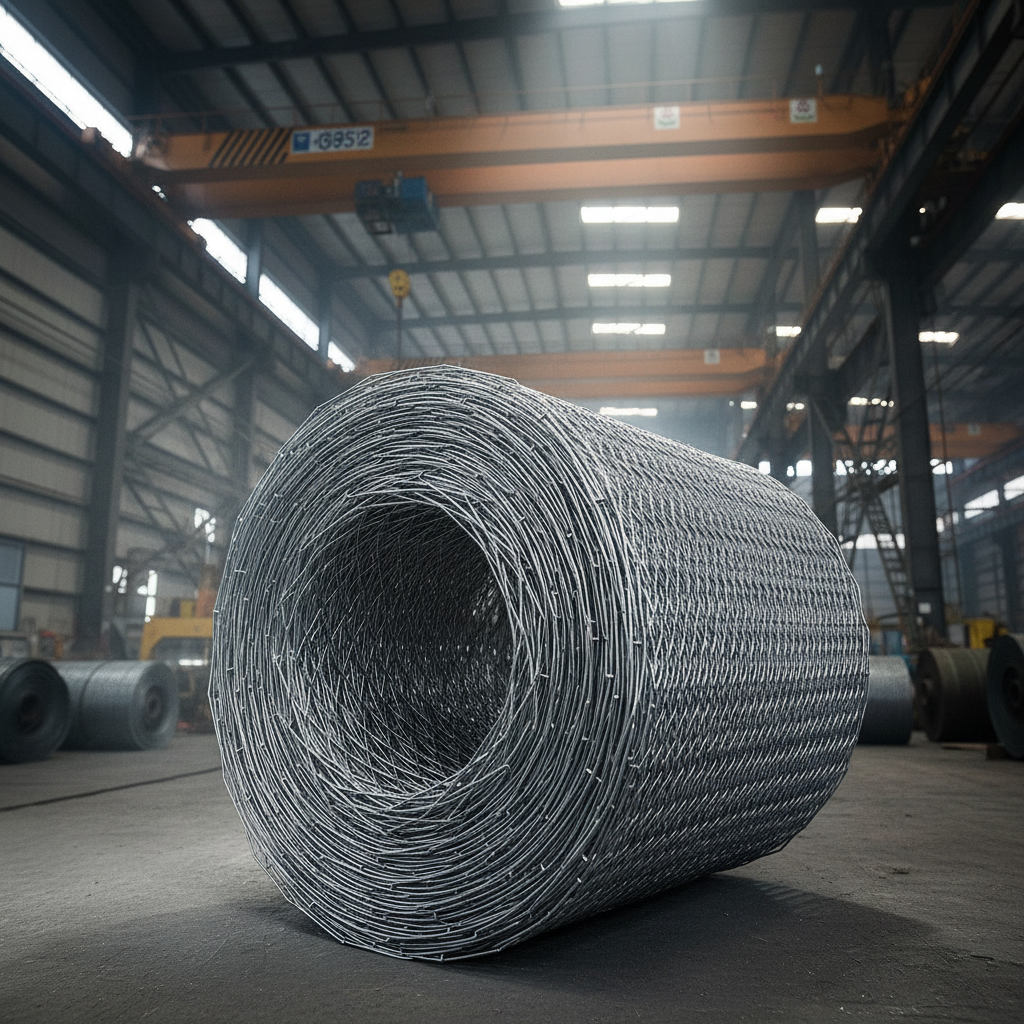
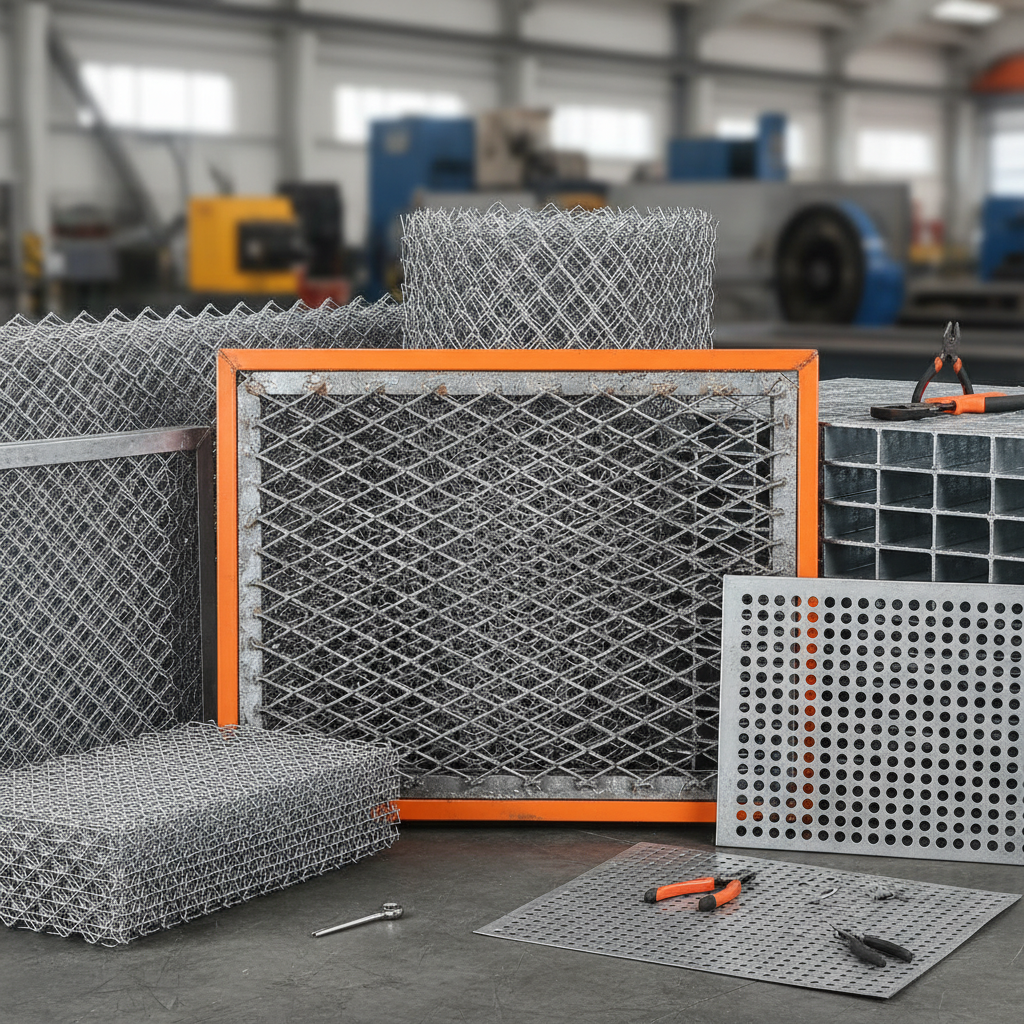
Extruded metal mesh represents a significant advancement in materials science and engineering, offering a versatile solution across diverse industries. Its unique manufacturing process allows for the creation of highly precise, lightweight, and durable structures, making it ideal for applications ranging from architectural facades and security screening to industrial filtration and even biomedical implants. Understanding the properties and applications of extruded metal mesh is crucial for innovation and problem-solving in a rapidly evolving world.
The global demand for efficient, sustainable, and reliable materials is constantly increasing. Extruded metal mesh directly addresses these needs, providing a high strength-to-weight ratio and excellent permeability. As industries seek to optimize performance, reduce environmental impact, and enhance safety, the demand for this versatile material will continue to grow. This expansion is driven by innovation in manufacturing techniques, and increasingly stringent regulatory standards.
From bolstering infrastructure to improving product performance, extruded metal mesh is becoming an indispensable component in modern design and engineering. Its adaptability and cost-effectiveness position it as a key element in shaping a more sustainable and technologically advanced future.
Introduction to Extruded Metal Mesh
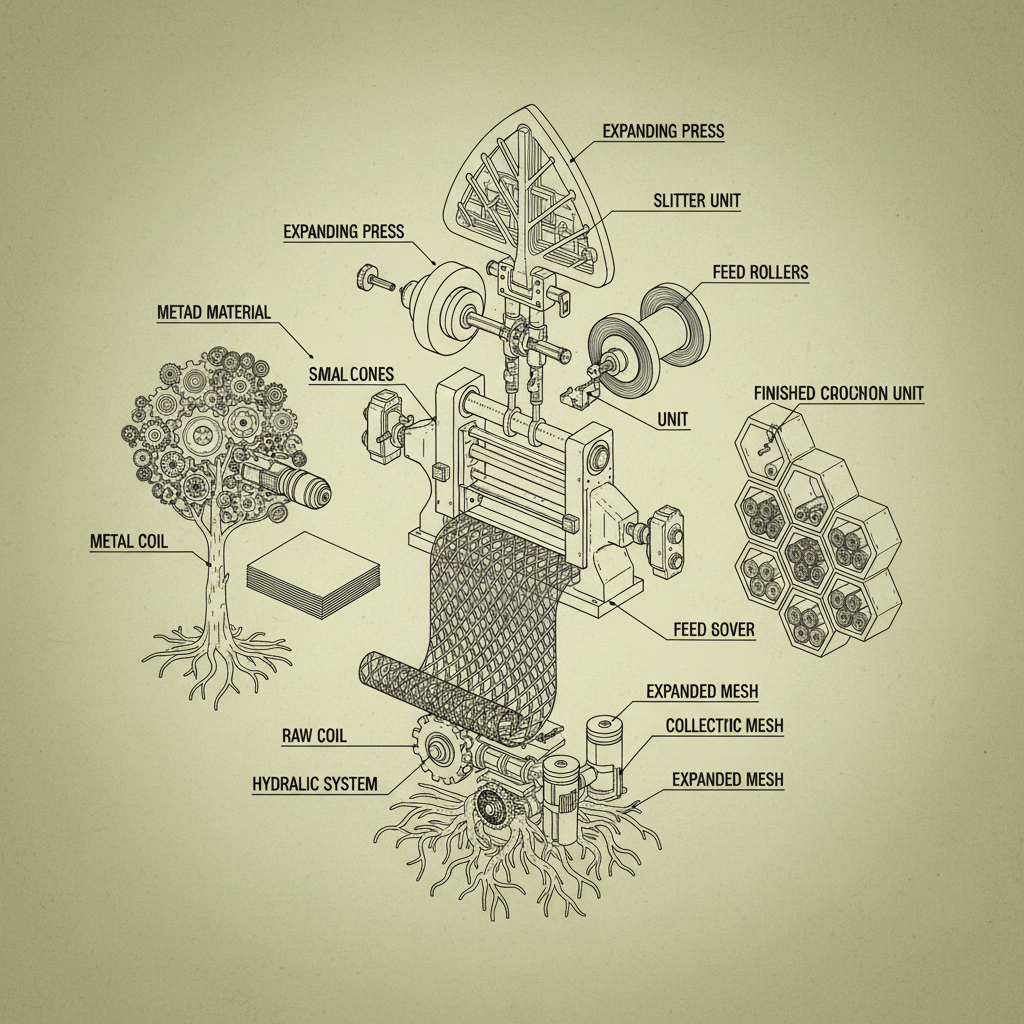
Extruded metal mesh is a manufactured product created by forcing metal through a shaped die, resulting in a continuous, interlocking pattern. This process distinguishes it from woven metal mesh, offering unique structural properties and performance characteristics. Its applications are incredibly diverse, spanning architectural aesthetics to critical industrial filtering.
The versatility of extruded metal mesh stems from the ability to control the geometry of the openings, the material composition, and the overall dimensions. This level of customization makes it a valuable asset in projects requiring specific performance criteria and aesthetic considerations.
Global Relevance and Industry Context
The use of extruded metal mesh is experiencing substantial growth globally, driven by increased demand in sectors such as aerospace, automotive, construction, and healthcare. The UN’s Sustainable Development Goals emphasize the need for resilient infrastructure (Goal 9) and sustainable industrialization (Goal 9), areas where the durability and recyclability of extruded metal mesh provide tangible benefits.
According to a report by the World Bank, investment in infrastructure is projected to reach trillions of dollars in the coming decades. Extruded metal mesh plays a vital role in constructing robust and long-lasting structures, particularly in regions prone to extreme weather events. Its inherent strength and corrosion resistance make it a practical choice for infrastructure projects.
A significant challenge facing many industries is the need to reduce material waste and minimize environmental impact. Extruded metal mesh, often manufactured from recycled materials and being fully recyclable itself, offers a sustainable alternative to traditional materials, addressing this pressing concern and aligning with ISO 14001 environmental management standards.
Defining Extruded Metal Mesh
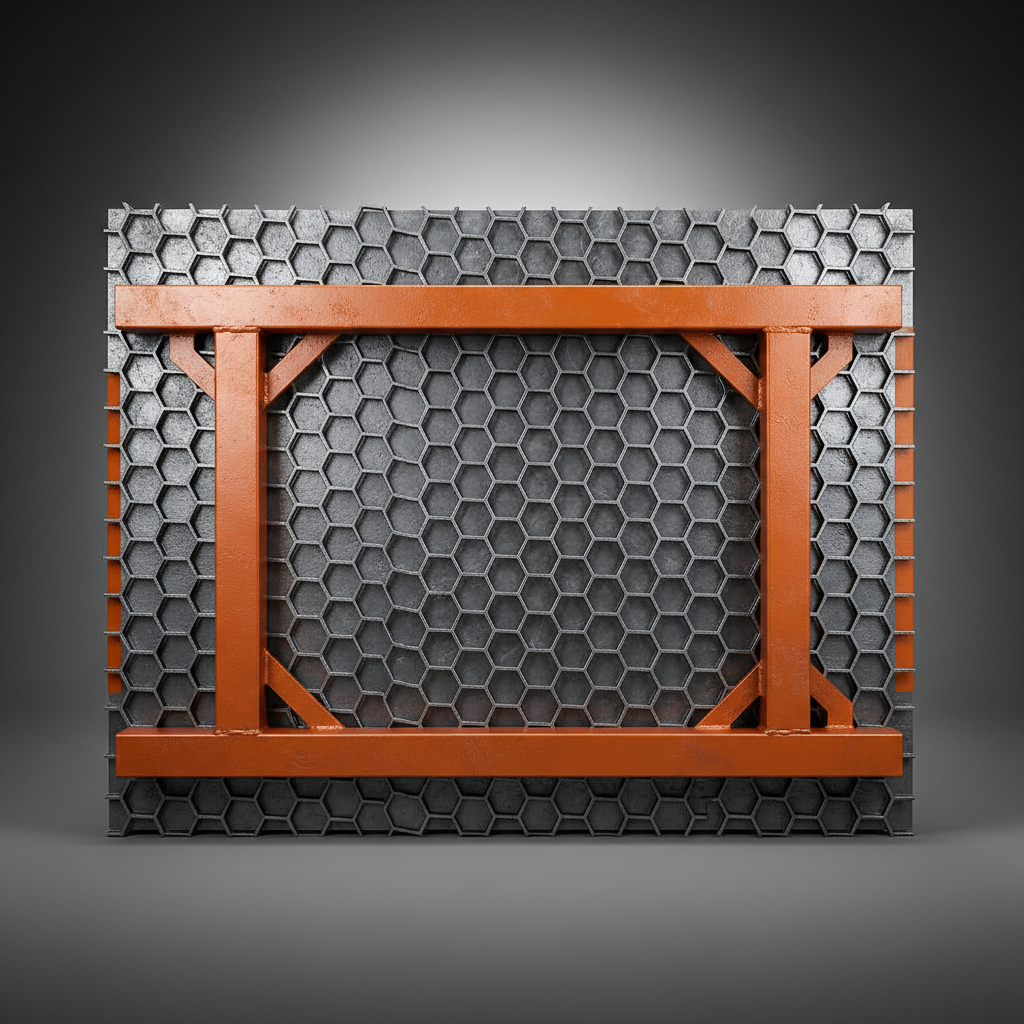
Extruded metal mesh is a solid metal material that has been formed into a mesh-like structure through an extrusion process. Unlike woven metal mesh, which involves interlacing wires, extruded mesh is created by forcing a solid piece of metal through a die, resulting in a single, seamless piece with consistent aperture sizes and shapes.
Its connection to modern industry stems from its ability to provide robust, lightweight, and customizable solutions for a wide range of applications. It’s increasingly used in place of traditional materials like perforated metal and expanded metal due to its superior strength, precision, and aesthetic qualities. It supports numerous humanitarian needs, especially in disaster relief providing temporary, safe shelters.
The manufacturing process allows for an incredible degree of design flexibility, enabling the creation of complex geometries and patterns tailored to specific applications. This capability makes extruded metal mesh a crucial component in advanced engineering and architectural projects, as well as providing a solution for critical filtration and screening needs.
Core Properties of Extruded Metal Mesh
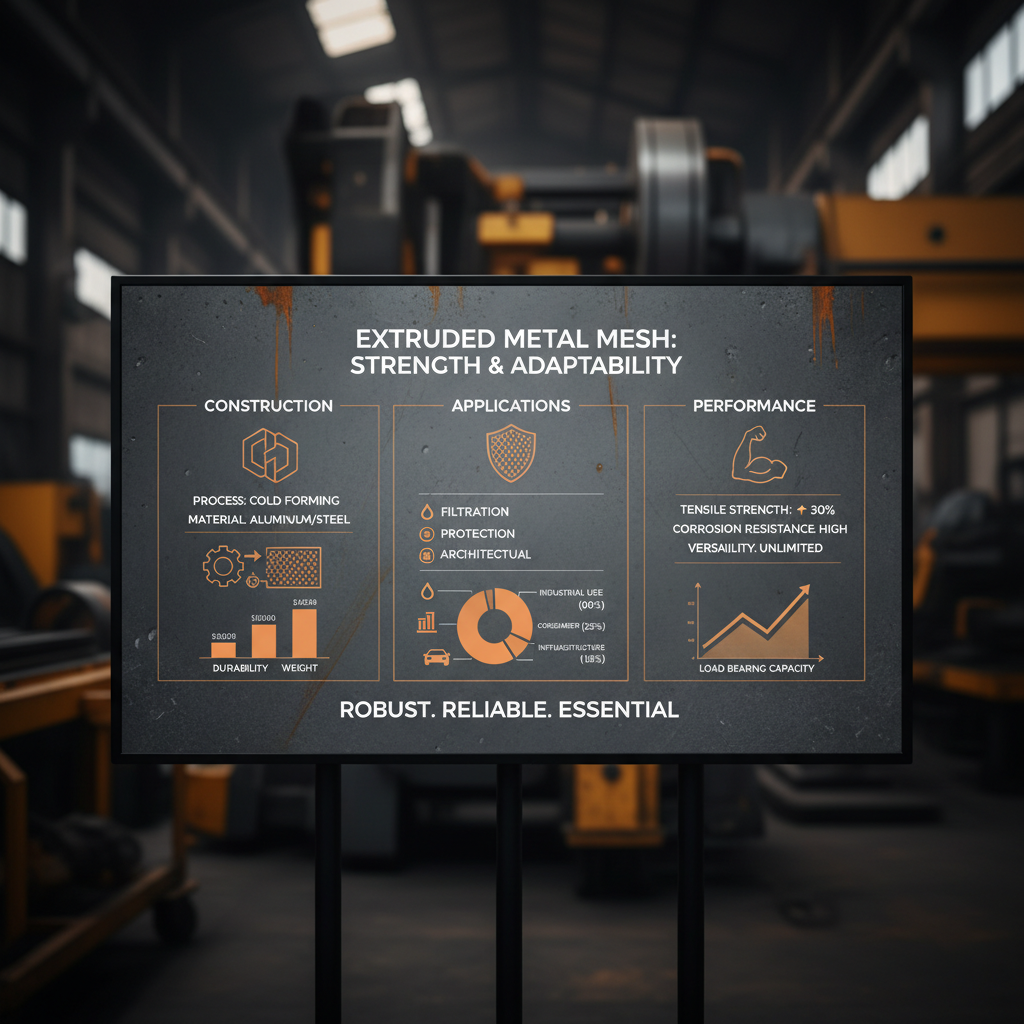
The value of extruded metal mesh lies in several core properties. Firstly, its Durability ensures longevity and resistance to wear and tear, making it suitable for harsh environments. Secondly, Scalability allows for production in varying sizes and configurations, adapting to diverse project requirements.
Further enhancing its appeal is Cost Efficiency; while the initial investment may be comparable to other materials, the reduced maintenance and extended lifespan of extruded metal mesh translate to long-term cost savings. Another crucial characteristic is its Precise Apertures, enabling specific filtration or screening functionalities. Finally, Lightweight Construction minimizes structural load and facilitates ease of installation.
Performance Comparison of Extruded Metal Mesh Manufacturing Methods
Diverse Applications Worldwide
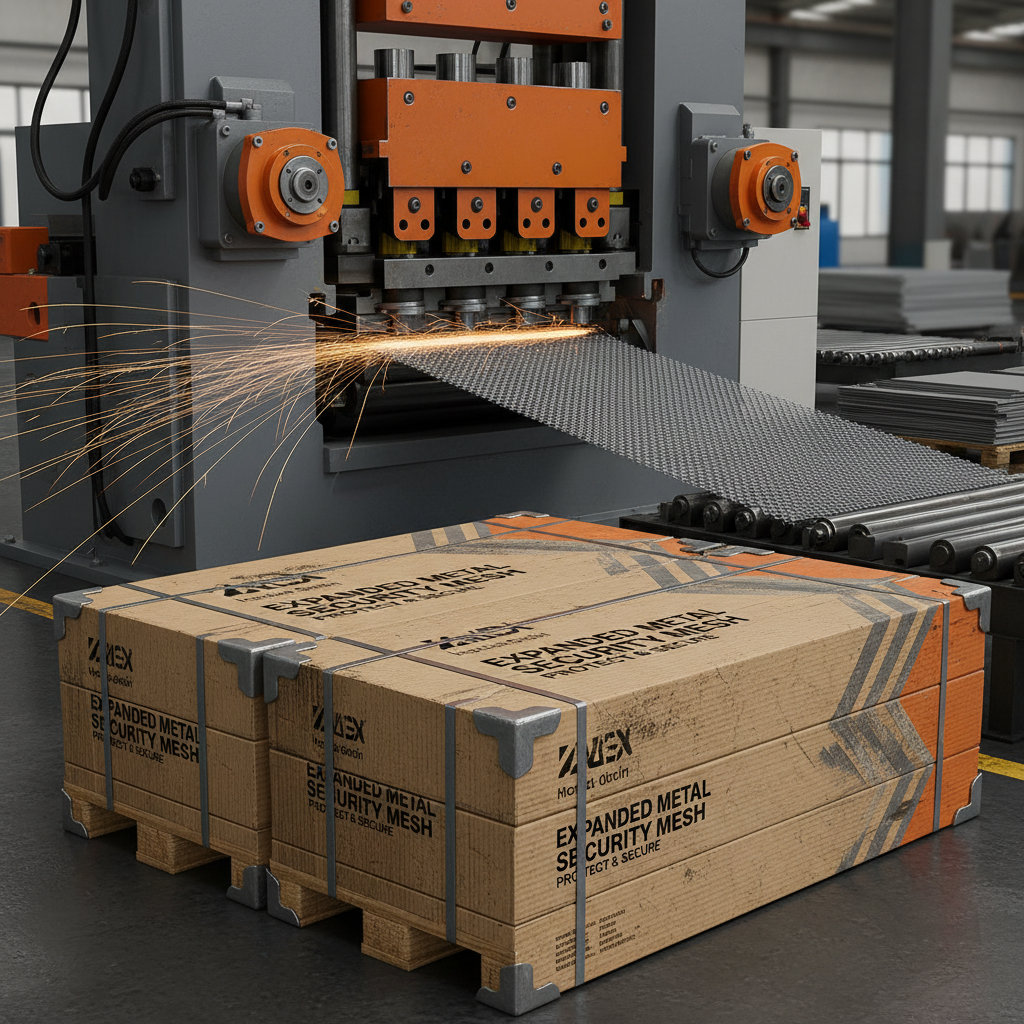
Extruded metal mesh finds application across a vast spectrum of industries. In architecture, it's used for building facades, sunshades, and decorative elements, providing both aesthetic appeal and functional benefits like solar control. In security, it serves as a robust barrier in fences, screens, and protective enclosures.
In industrial settings, it is an essential component of filtration systems, sieves, and support structures for catalysts. In post-disaster relief operations, rapidly deployable shelters utilize extruded metal mesh frameworks for structural integrity and efficient transport. In remote industrial zones, it provides robust and reliable protection for critical infrastructure.
Benefits and Long-Term Value
The benefits of utilizing extruded metal mesh extend beyond its functional properties. The cost savings associated with reduced maintenance and extended lifespan represent a significant long-term advantage. Its inherent sustainability, often incorporating recycled materials and offering full recyclability, appeals to environmentally conscious projects.
The use of extruded metal mesh instills a sense of security and trust, particularly in applications where structural integrity and safety are paramount. Its innovative design and manufacturing process demonstrate a commitment to technological advancement and provides a high degree of reliability. Ultimately, choosing extruded metal mesh is a smart investment that delivers both immediate and enduring value.
Future Trends and Innovations
Several exciting trends are shaping the future of extruded metal mesh. The integration of advanced materials, such as lightweight alloys and self-healing polymers, promises to enhance performance and durability even further. Automation in the manufacturing process will drive down costs and improve precision.
The growing emphasis on green energy will fuel demand for extruded metal mesh in applications such as solar panel support structures and wind turbine components. Digital transformation, including the use of AI-powered design tools and predictive maintenance systems, will optimize material usage and extend product lifespan. Sustainability initiatives are also promoting the increased use of recycled materials in the production of this versatile material.
Researchers are also exploring the use of 3D printing techniques in conjunction with extruded metal mesh to create complex, customized structures with unprecedented precision and functionality. This convergence of technologies holds immense potential for innovation across various sectors.
FAQS
Extruded metal mesh offers superior strength, precision aperture sizes, and a seamless construction compared to woven mesh. This results in greater durability, better performance in demanding applications, and a more aesthetically pleasing finish. Additionally, the extrusion process allows for greater design flexibility and customization.
Yes, extruded metal mesh is exceptionally well-suited for outdoor use and corrosive environments. It can be manufactured from a range of corrosion-resistant materials, such as stainless steel, aluminum, and titanium. The seamless construction minimizes potential weak points, enhancing its ability to withstand harsh weather conditions and chemical exposure.
Lead times for custom-designed extruded metal mesh products vary depending on the complexity of the design, the material selected, and the order volume. Typically, lead times range from 4 to 8 weeks. We work closely with our clients to provide accurate estimates and expedite the process whenever possible.
The manufacturing process of extruded metal mesh is inherently sustainable. It minimizes material waste, and often utilizes recycled materials. Moreover, extruded metal mesh is itself fully recyclable at the end of its lifespan. Its durability also reduces the need for frequent replacements, contributing to lower resource consumption.
Extruded metal mesh can be formed and fabricated using standard metalworking techniques, such as cutting, bending, and welding. However, due to its unique structure, specialized tools and expertise may be required for complex geometries. We offer fabrication services to assist our clients with their specific project requirements.
A variety of surface treatments can be applied to extruded metal mesh to enhance its properties and appearance. These include powder coating, anodizing, polishing, and passivation. Surface treatments can improve corrosion resistance, enhance aesthetic appeal, and provide specific functional characteristics.
Conclusion
Extruded metal mesh has emerged as a pivotal material in modern engineering and design. Its unique combination of durability, scalability, cost-effectiveness, and sustainability makes it an invaluable asset across a wide range of industries. From enhancing architectural aesthetics to bolstering critical infrastructure, extruded metal mesh continues to redefine what is possible.
Looking ahead, continued innovation in materials science and manufacturing techniques will undoubtedly unlock even greater potential for this versatile material. By embracing new technologies and prioritizing sustainable practices, we can harness the power of extruded metal mesh to create a more resilient, efficient, and environmentally responsible future.