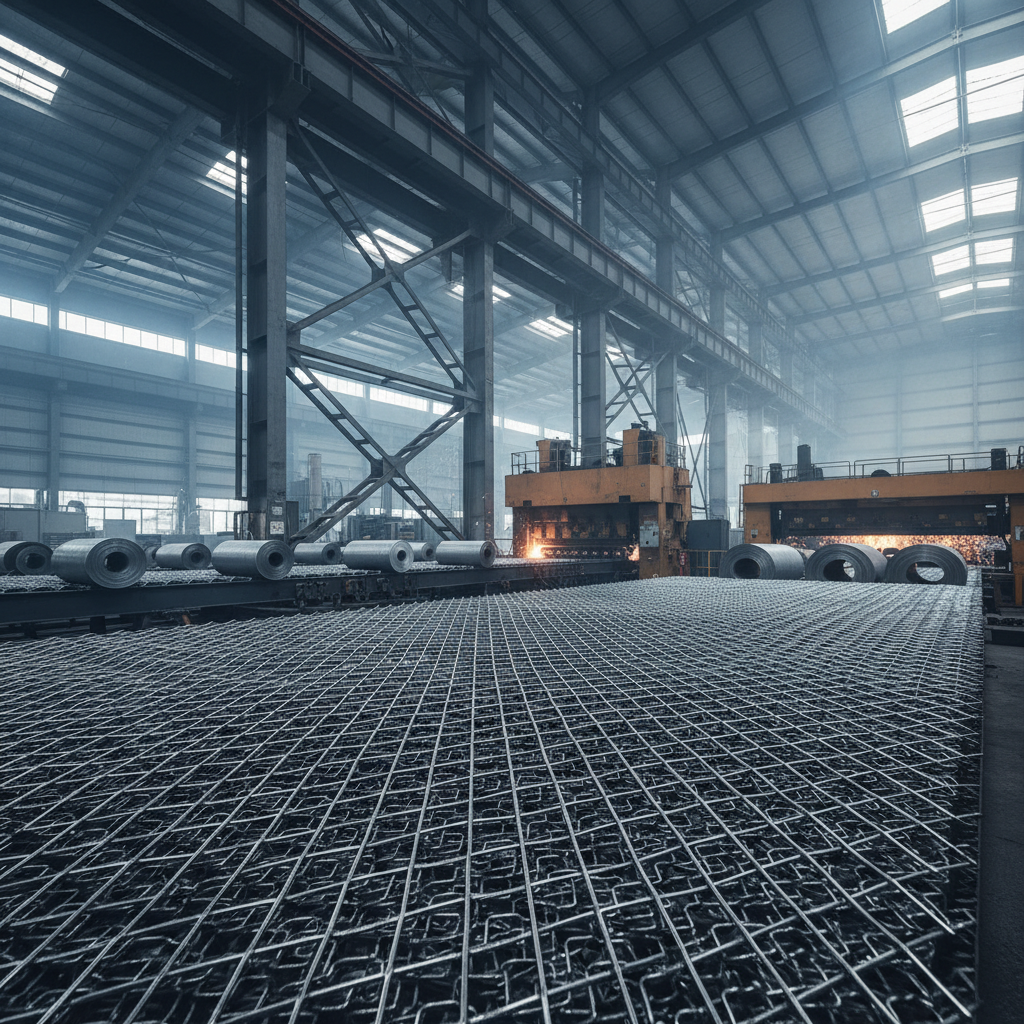
Expanding metal sheets are versatile, robust materials finding increasing global applications across diverse industries. Their unique open-grid structure provides an exceptional strength-to-weight ratio, making them ideal for applications ranging from architectural facades and safety guarding to filtration systems and even specialized flooring. Understanding the properties and potential of expanding metal sheets is crucial for engineers, architects, and manufacturers seeking innovative and cost-effective solutions.
The demand for expanding metal sheets is propelled by factors such as increasing infrastructure development, particularly in emerging economies, and a growing emphasis on safety standards in industrial settings. Furthermore, the material's inherent sustainability – often produced from recycled metals – aligns with the global push towards eco-friendly construction and manufacturing practices. Its adaptability makes it a core component in addressing modern challenges.
Expanding metal sheets represent a crucial element in modern construction, industrial safety, and sustainable material solutions, continually evolving to meet emerging needs across the globe. Their cost-effectiveness and durability provide long-term value, solidifying their place in various sectors.
Introduction to Expanding Metal Sheets
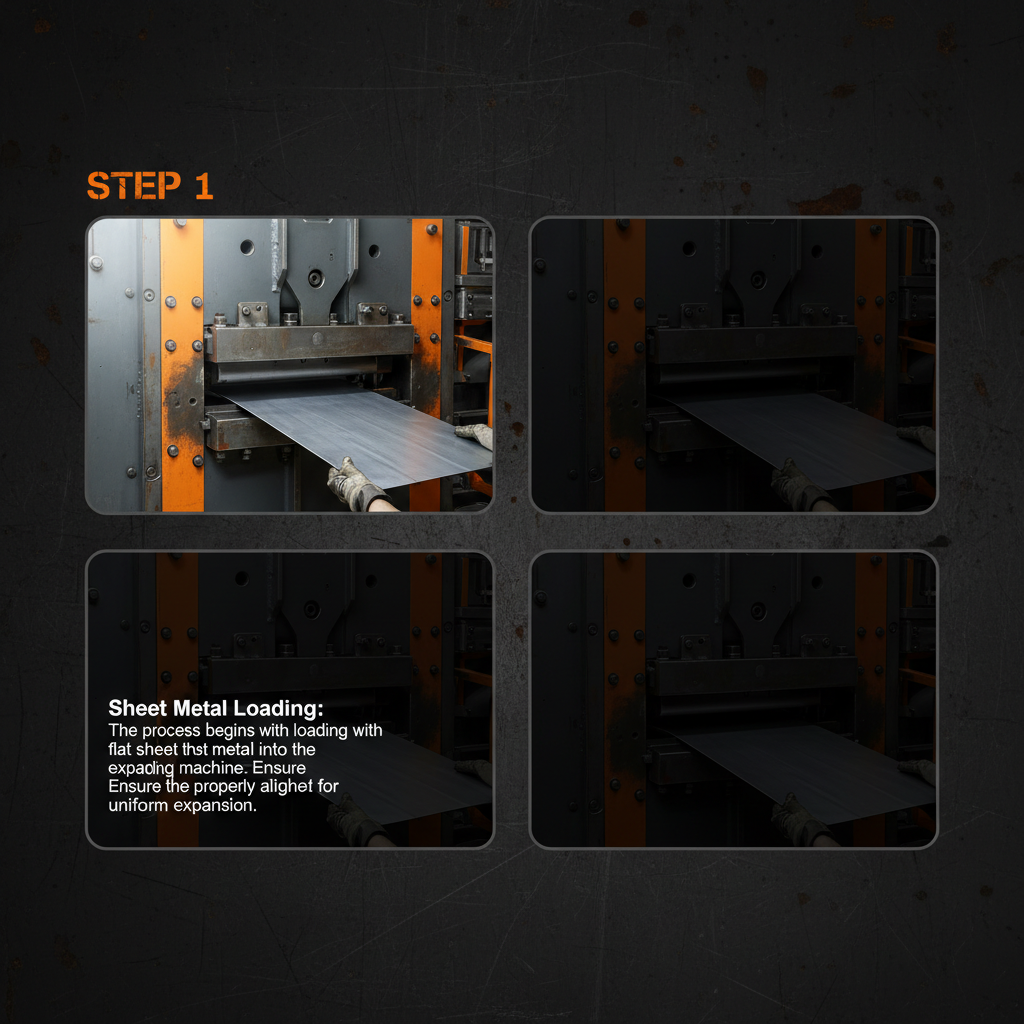
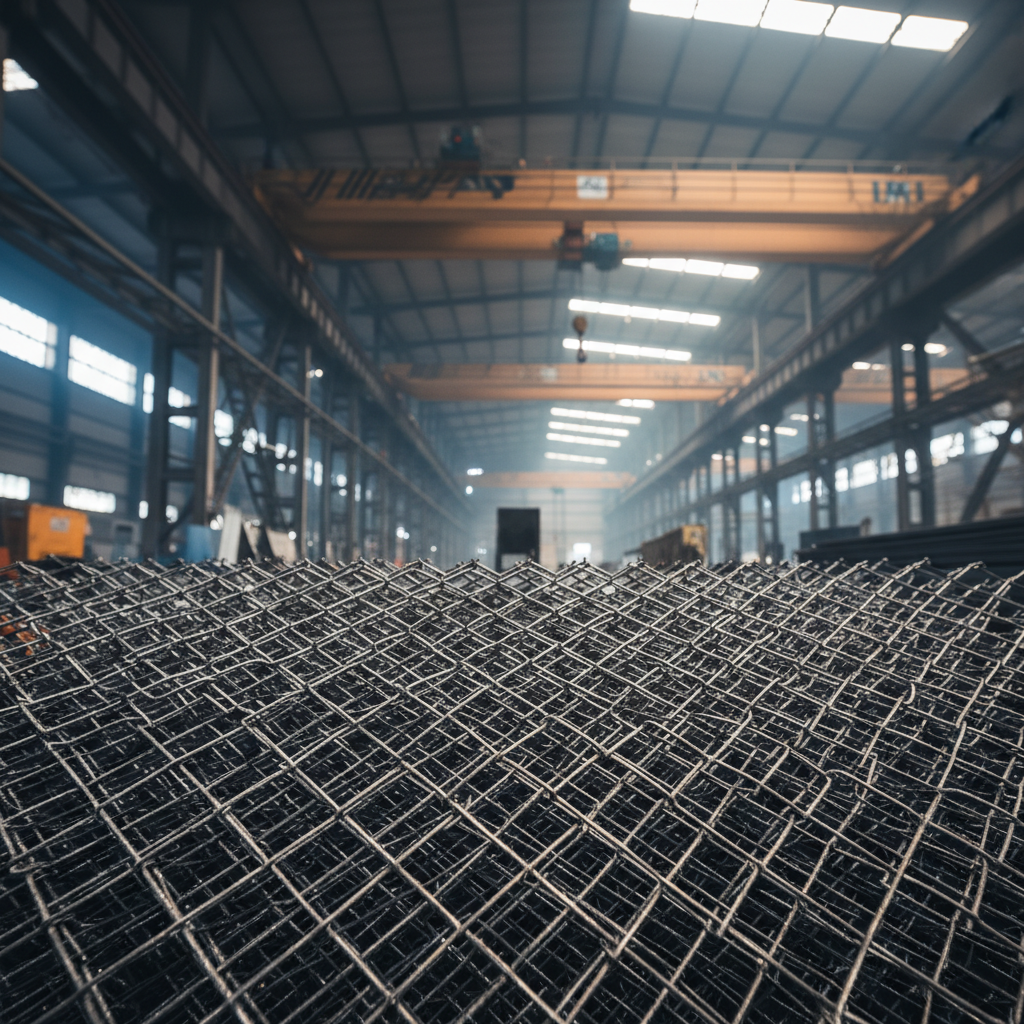
Expanding metal sheets are created through a slitting process, where a solid metal sheet is simultaneously slit and stretched, resulting in a rigid, diamond-shaped mesh. This process maintains a high percentage of the original metal, providing a robust and durable product. expanding metal sheets offer a unique combination of strength, openness, and aesthetic appeal.
The manufacturing process allows for customization in terms of mesh size, sheet thickness, and material composition, catering to a wide range of application requirements. The resulting product is commonly used when a lightweight, strong, and aesthetically pleasing material is needed, making it a valuable asset in numerous industries.
Global Relevance and Industry Context
The global expanding metal sheets market is experiencing steady growth, driven by infrastructure projects, particularly in Asia-Pacific and emerging economies. According to market research reports, the construction sector accounts for the largest share of demand, followed by industrial applications. The increased focus on safety regulations is also contributing to market expansion, as expanding metal sheets are widely used for safety guarding and protective barriers.
A significant challenge the industry addresses is the need for sustainable and cost-effective materials. Expanding metal sheets, often made from recycled materials, offer a solution. The United Nations Sustainable Development Goals (SDGs), particularly those related to infrastructure and responsible consumption and production, are indirectly driving demand for such materials. ISO standards regarding material properties and testing also influence the quality and reliability of expanding metal sheet production globally.
The expanding metal sheets industry's relevance stems from its ability to provide a durable, adaptable, and increasingly sustainable solution across diverse applications. The continuous evolution of manufacturing techniques and material science ensures its continued importance in global industrial and construction landscapes.
Defining Expanding Metal Sheets
Expanding metal sheets are fundamentally different from woven wire mesh. While woven mesh is made from wires, expanding metal is created from a single sheet of metal. This distinction provides a unique set of properties, notably a seamless, one-piece construction that eliminates the risk of unraveling or joint failure.
This unique manufacturing process is directly linked to modern industrial needs. The open grid structure of expanding metal allows for airflow, visibility, and weight reduction, making it vital in applications like ventilation systems, speaker grills, and architectural features. Historically, expanding metal emerged as a cost-effective alternative to heavier, solid metal plates in applications where material conservation was critical.
Today, its applications extend far beyond mere cost-effectiveness. Expanding metal is vital in infrastructure projects, security fencing, and even specialized filters. Its adaptability and inherent strength connect it directly to modern requirements for durable, versatile, and sustainable materials across a broad spectrum of industries and humanitarian needs, like temporary shelters.
Key Factors of Expanding Metal Sheets
Expanding metal sheets possess several key characteristics that contribute to their widespread adoption. Durability is paramount, stemming from the material's robust, one-piece construction and resistance to impact and wear. This makes them suitable for heavy-duty applications where longevity is essential.
Strength-to-Weight Ratio is another critical factor. The open grid design minimizes weight without sacrificing structural integrity. Versatility allows for customization in terms of material, mesh size, and sheet thickness, catering to specific application requirements.
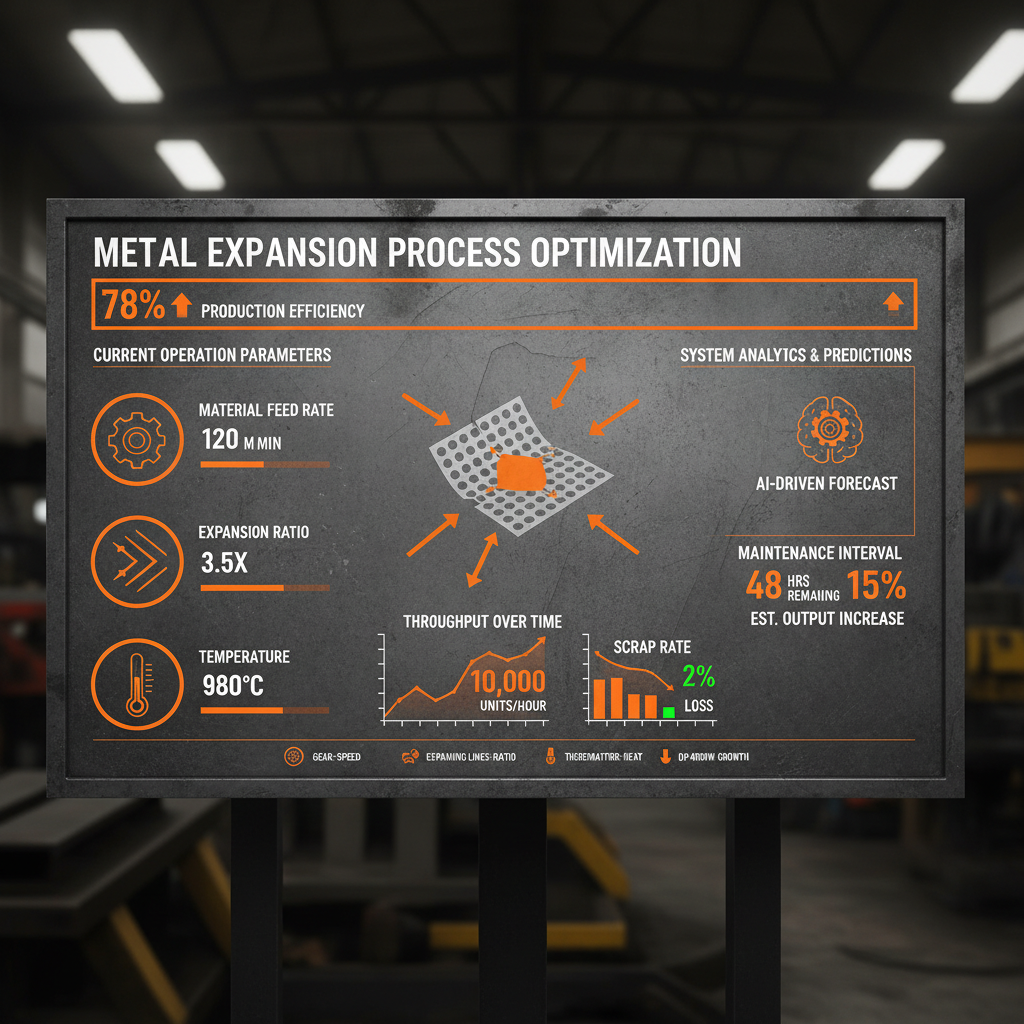
Expanding Metal Sheet Performance Metrics
Global Applications & Use Cases
Expanding metal sheets are integral to a multitude of industries. In construction, they serve as cladding, facades, and safety railings, providing both aesthetic appeal and structural support. In the automotive sector, they are used in radiator cores and protective grills. In post-disaster relief operations, expanding metal sheets are quickly deployed as temporary shelters and flooring, due to their rapid installation and durability.
Across various regions, expanding metal sheets are employed for diverse purposes. In remote industrial zones, they act as robust safety guarding around machinery. In the agricultural sector, they are utilized for animal enclosures and greenhouse structures. The aerospace industry employs expanding metal in lightweight components and vibration damping systems.
The versatility of expanding metal sheets ensures their relevance in constantly evolving global needs. Their adaptability is also evident in specialized applications such as filtration systems for water treatment plants and soundproofing panels for noise reduction.
Advantages & Long-Term Value
The advantages of utilizing expanding metal sheets are multifaceted. From a cost perspective, the efficient manufacturing process and material usage contribute to competitive pricing. Sustainability is enhanced through the use of recyclable materials and reduced waste. The inherent strength and durability translate to lower maintenance costs and an extended service life, yielding significant long-term value.
Beyond the tangible benefits, expanding metal sheets promote safety through robust guarding and protective barriers. Their adaptable nature fosters innovation, enabling designers and engineers to create customized solutions. The consistent quality and reliable performance build trust with clients and end-users, solidifying their reputation as a premier material choice.
Future Trends & Innovations
The future of expanding metal sheets is linked to ongoing advancements in material science and manufacturing technologies. Research into new alloys and coatings aims to enhance corrosion resistance and improve performance in harsh environments. Automation and robotic fabrication techniques are streamlining production processes, increasing efficiency, and reducing costs.
Furthermore, the integration of expanding metal sheets with green energy solutions is gaining momentum. They are being utilized in solar panel support structures and wind turbine components. Digital transformation, including the use of 3D modeling and simulation, is enabling more precise design and optimization of expanding metal sheet applications.
Sustainable practices remain at the forefront, with increasing emphasis on utilizing recycled materials and minimizing environmental impact. The growing demand for lightweight, high-strength materials will continue to drive innovation in the expanding metal sheet industry, solidifying its position as a vital component of future infrastructure and industrial development.
FAQS
The lifespan of expanding metal sheet structures is highly dependent on the material used, the environment, and the maintenance provided. However, when constructed with corrosion-resistant alloys like stainless steel or galvanized steel, and properly maintained, structures can easily last for 25-50 years or even longer. Regular inspections and protective coatings can further extend their service life, ensuring long-term durability and cost-effectiveness.
Yes, expanding metal sheets are well-suited for outdoor applications, but material selection is crucial. Galvanized steel provides good corrosion resistance for many environments, while stainless steel offers superior protection in harsh conditions like coastal areas or industrial zones. Proper surface treatments and coatings can also enhance durability and prevent rust or corrosion. Choosing the right material ensures long-term performance and minimizes maintenance needs.
Generally, a smaller mesh size results in a stronger, more rigid sheet, as there is more metal per unit area. However, this comes at the cost of reduced openness and increased weight. Larger mesh sizes offer greater airflow and visibility but may compromise structural strength. The optimal mesh size depends on the specific application requirements, balancing strength, weight, and functionality.
Yes, expanding metal sheets can be readily painted or powder-coated to enhance aesthetics, provide additional corrosion protection, and customize the appearance. Proper surface preparation is essential to ensure good adhesion. Powder coating generally offers a more durable and chip-resistant finish compared to traditional painting, making it a popular choice for outdoor applications.
Due to the sharp edges of expanding metal sheets, appropriate personal protective equipment (PPE) is essential when handling them. This includes gloves, safety glasses, and long sleeves to prevent cuts and abrasions. When cutting or fabricating the sheets, use appropriate tools and techniques to minimize the risk of injury. Always follow manufacturer's safety guidelines and industry best practices.
Absolutely! Expanding metal sheets are highly recyclable, making them an environmentally responsible material choice. Most metals used in their production, such as steel and aluminum, can be recycled repeatedly without losing their properties. This aligns with sustainable building practices and contributes to a circular economy, reducing waste and conserving natural resources.
Conclusion
In conclusion, expanding metal sheets are a remarkably versatile and durable material with a growing global presence. Their unique combination of strength, adaptability, and cost-effectiveness makes them invaluable across diverse industries, from construction and infrastructure to industrial safety and sustainable solutions. By understanding their properties and applications, engineers, architects, and manufacturers can unlock their full potential to address modern challenges and drive innovation.
Looking ahead, continued advancements in material science, manufacturing processes, and sustainable practices will further enhance the value of expanding metal sheets. Embracing these innovations and prioritizing responsible material sourcing will solidify their role as a cornerstone of a more resilient and sustainable future. For more information on high-quality expanding metal sheets, visit our website: www.ztwiremesh.com