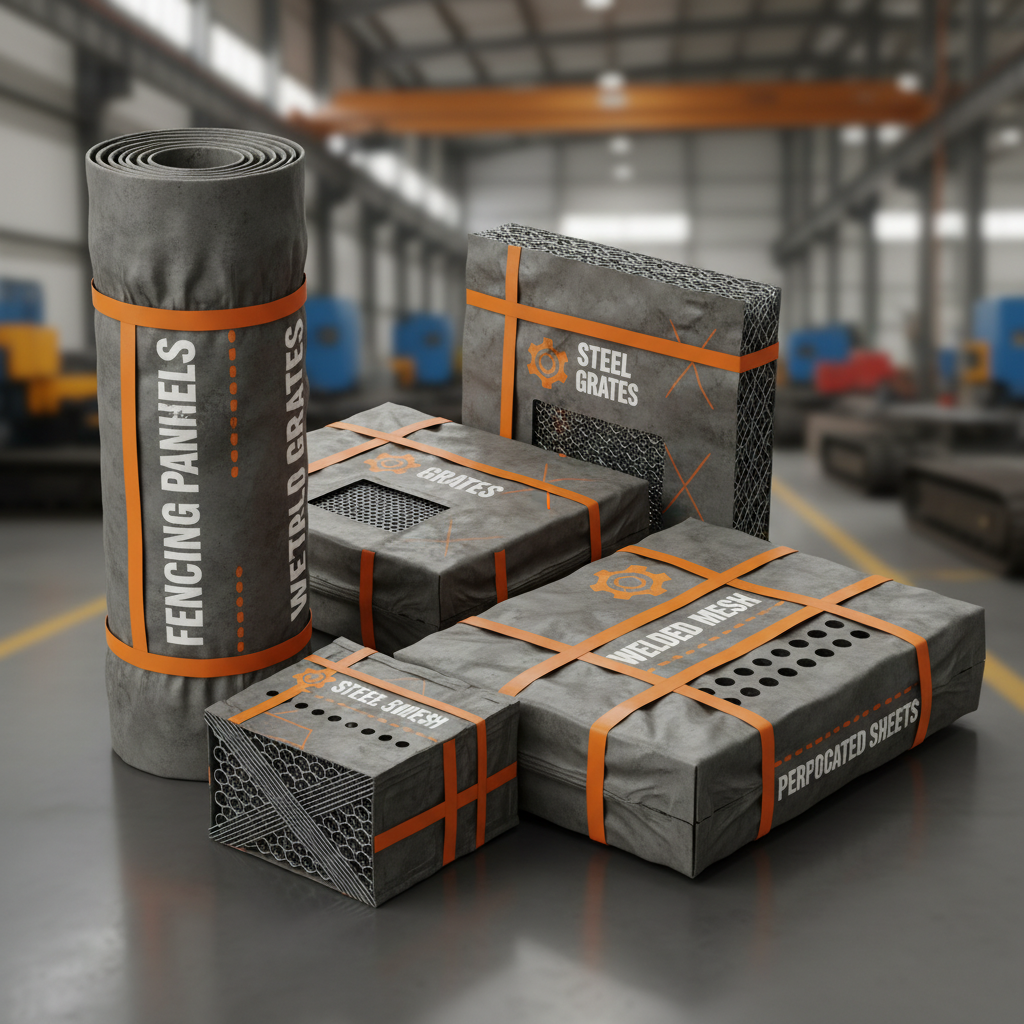
Expanded wire mesh panels are increasingly vital components in modern infrastructure and rapid-response solutions globally. Their unique properties – strength, lightweight nature, and ease of deployment – address critical needs in construction, security, and humanitarian aid. As populations grow and climate change intensifies, the demand for adaptable, resilient materials like expanded wire mesh panels is poised to rise significantly. Understanding their capabilities is paramount for engineers, architects, and aid organizations alike.
The global market for wire mesh products, encompassing expanded wire mesh panels, is currently valued at billions of dollars and is projected to experience substantial growth in the coming years. This growth is driven by increasing urbanization, infrastructure development in emerging economies, and a growing focus on safety and security. Expanded wire mesh panels are proving to be a cost-effective and versatile alternative to traditional materials in a wide range of applications.
From providing rapid shelter solutions in disaster zones to reinforcing structures in seismic areas, expanded wire mesh panels offer a unique combination of functionality and efficiency. Their adaptability allows for customized solutions, making them ideal for diverse and challenging environments. Their inherent properties make them a crucial tool in addressing modern challenges related to safety, efficiency, and sustainability.
Introduction to expanded wire mesh panels
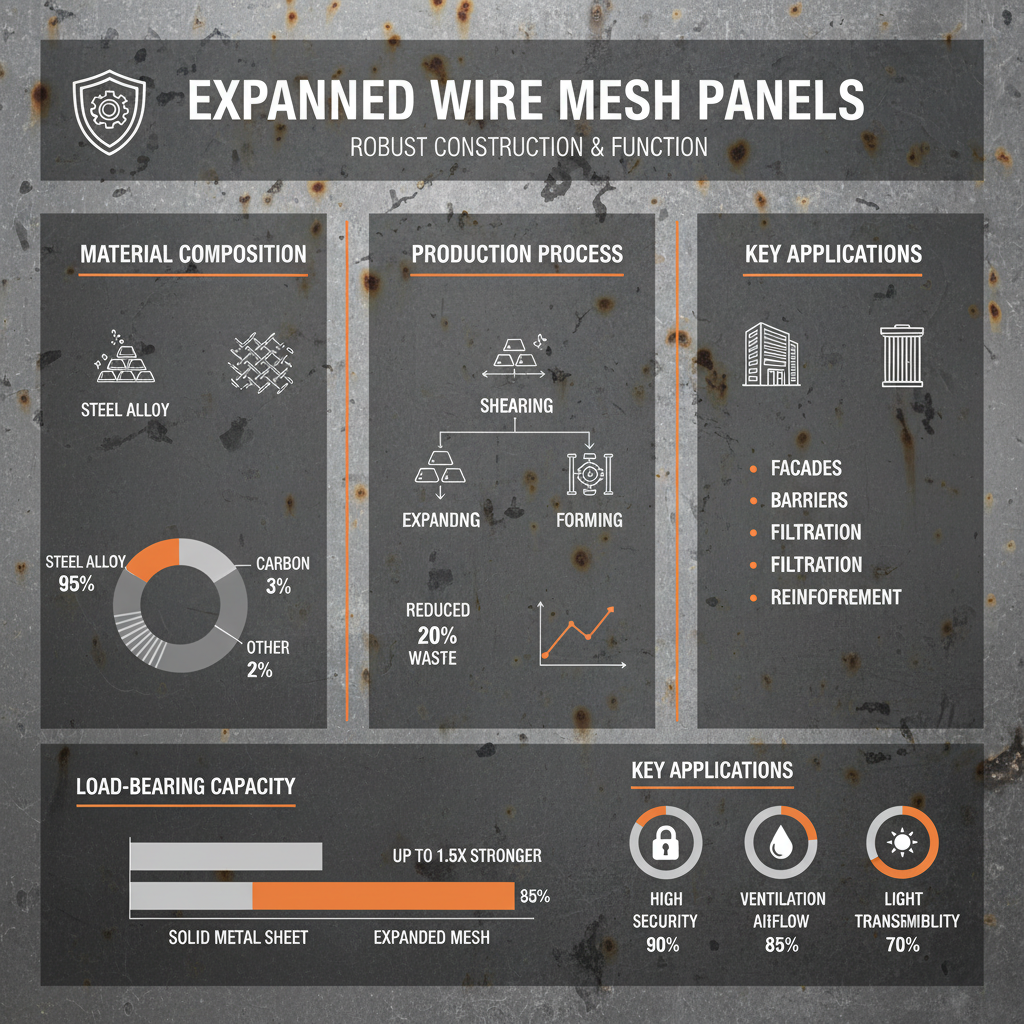
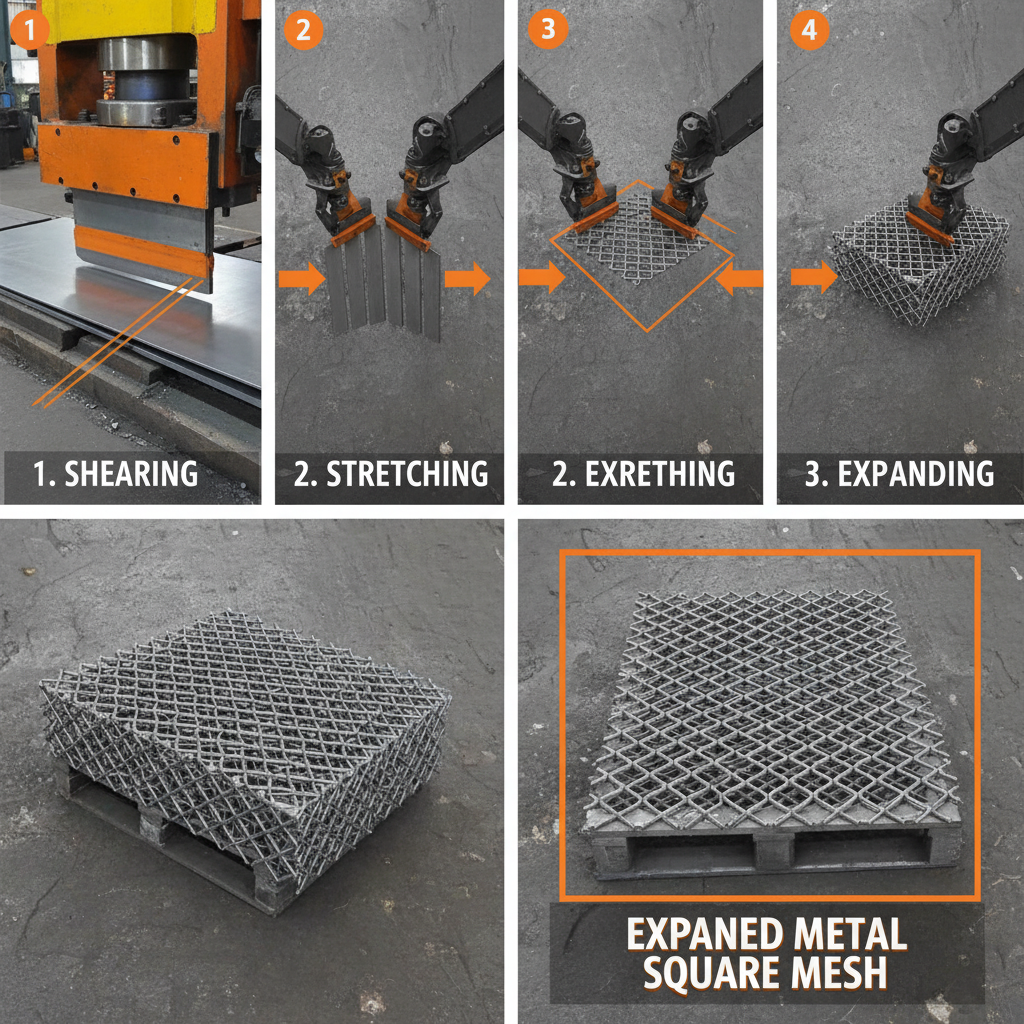
Expanded wire mesh panels represent a versatile and cost-effective material solution across diverse industries. Unlike woven wire mesh, expanded metal is formed from a single sheet of metal that is slit and stretched, creating a rigid, open structure. This process retains a high percentage of the original metal, making it a resource-efficient choice.
These panels are renowned for their inherent strength-to-weight ratio, allowing for robust yet lightweight constructions. The open grid design also provides excellent ventilation, light transmission, and drainage, furthering their applicability in various environments. expanded wire mesh panels are increasingly utilized in projects demanding durability and adaptability.
Global Relevance and Applications
The need for efficient and reliable infrastructure is a global imperative. From rapidly growing urban centers to areas recovering from natural disasters, expanded wire mesh panels offer a crucial building block for sustainable and resilient solutions. The UN estimates that over half the world’s population lives in cities, a figure projected to rise to 68% by 2050, driving demand for adaptable construction materials.
Expanded wire mesh panels are vital for various applications, including security fencing, architectural facades, industrial flooring, and reinforcement in concrete structures. In developing nations, their affordability and ease of installation make them particularly valuable for providing basic infrastructure. The World Bank actively promotes sustainable infrastructure development, often incorporating materials like expanded metal in its projects.
The use of expanded wire mesh panels is experiencing growth in applications such as noise barriers along highways, providing both acoustic reduction and visual appeal. Furthermore, their use in the renewable energy sector, particularly in solar panel mounting systems, underscores their adaptability and contribution to sustainable practices.
Defining expanded wire mesh panels
Expanded wire mesh panels are created through a unique manufacturing process. A single metal sheet is slit and then mechanically stretched, forming a diamond or hexagonal pattern with raised, interlocked strands. This process distinguishes them from woven wire mesh, as no material is lost during production. The resulting product offers exceptional strength and rigidity.
The connection to modern industry and humanitarian needs lies in their versatility. They are not merely a construction material but a foundational element for creating rapid-deployment shelters, secure barriers, and robust industrial platforms. Their inherent properties offer adaptable solutions where speed, strength, and cost-effectiveness are paramount.
The expanded metal process allows for customization in terms of aperture size, strand width, and metal thickness, tailoring the panels to specific application requirements. This adaptability makes them suitable for a vast range of projects, from intricate architectural designs to heavy-duty industrial applications.
Core Characteristics of expanded wire mesh panels
Durability stands as a cornerstone of expanded wire mesh panel utility. The robust, interlocked structure resists deformation and wear, ensuring longevity even in harsh environments. They are resistant to corrosion when treated with appropriate coatings, further enhancing their lifespan.
Scalability is another defining feature. Expanded wire mesh panels can be easily fabricated into various sizes and shapes, accommodating diverse project requirements. This adaptability allows for seamless integration into existing structures or custom-designed solutions.
Comparative Advantages of Expanded Wire Mesh Panel Methods
Worldwide Applications and Case Studies
In post-disaster relief operations, expanded wire mesh panels are invaluable for creating temporary shelters and reinforcing damaged infrastructure. Their rapid deployment capabilities and structural integrity make them crucial for providing immediate aid to affected communities. Organizations like the Red Cross frequently utilize these panels in emergency response scenarios.
Within the construction industry, expanded wire mesh panels are widely employed as reinforcement in concrete slabs and walls, increasing their load-bearing capacity and resistance to cracking. They are also used in the fabrication of walkways, stair treads, and safety grating, contributing to workplace safety.
Benefits and Long-Term Value
The cost efficiency of expanded wire mesh panels stems from their manufacturing process, which minimizes material waste. Compared to traditional materials like steel plates or solid bars, they offer a significant reduction in material costs, without compromising strength or durability. This affordability extends the reach of infrastructure projects, especially in resource-constrained environments.
Sustainability is another key advantage. The use of recycled metals in their production further minimizes their environmental impact. Their long lifespan and reduced maintenance requirements contribute to their overall sustainability profile. Furthermore, the open grid design often reduces the need for additional materials, lowering the overall carbon footprint of projects.
Future Trends and Innovation in expanded wire mesh panels
Emerging trends point toward the development of lighter and stronger alloys for expanded wire mesh panels, further enhancing their performance characteristics. Research is also focused on innovative coating technologies to improve corrosion resistance and extend their lifespan in aggressive environments.
The integration of digital technologies, such as 3D scanning and robotic fabrication, is streamlining the manufacturing process, allowing for greater customization and precision. Automation is also driving down production costs, making expanded wire mesh panels even more accessible.
The rise of green building practices is creating increased demand for sustainable materials, positioning expanded wire mesh panels as a key component in environmentally responsible construction projects. The potential for incorporating smart sensors within the panel structure for structural health monitoring is also being explored.
FAQS
Expanded wire mesh panels offer a superior strength-to-weight ratio, improved ventilation and light transmission, and reduced material costs compared to solid metal sheets. Their open grid design also allows for efficient drainage and easier installation. These panels are frequently used where weight reduction and airflow are critical factors.
Expanded wire mesh panels can be manufactured from a wide range of metals, including carbon steel, stainless steel, aluminum, and galvanized steel. The choice of metal depends on the specific application requirements, such as corrosion resistance, strength, and cost considerations. Stainless steel is often preferred for applications requiring high durability and resistance to harsh environments.
The open grid design of expanded wire mesh panels allows them to absorb and dissipate seismic energy more effectively than solid materials. They can be used to reinforce concrete structures, enhancing their resistance to cracking and collapse during earthquakes. Their flexibility and lightweight nature also contribute to their seismic performance.
Various surface treatments can be applied to expanded wire mesh panels to enhance their corrosion resistance, including galvanizing, powder coating, and painting. Galvanizing provides a zinc coating that protects the underlying metal from rust. Powder coating offers a durable and aesthetically pleasing finish, while painting provides a cost-effective option for corrosion protection.
Yes, expanded wire mesh panels are increasingly popular in architectural facades due to their aesthetic appeal, lightweight nature, and ability to provide shading and ventilation. They can be customized with various patterns and finishes to create unique and visually striking designs. Their durability and resistance to weathering also make them suitable for long-term outdoor applications.
The lifespan of an expanded wire mesh panel installation depends on several factors, including the type of metal used, the surface treatment applied, and the environmental conditions. However, with proper maintenance and appropriate materials, installations can last for decades. Stainless steel panels, in particular, can offer a lifespan exceeding 50 years.
Conclusion
Expanded wire mesh panels represent a powerful and versatile material solution addressing a wide array of global challenges. Their unique combination of strength, scalability, cost-effectiveness, and sustainability positions them as a key component in modern infrastructure, disaster relief, and architectural design. Understanding their capabilities is vital for engineers, architects, and organizations seeking innovative and reliable solutions.
As technology advances and the demand for sustainable materials grows, expanded wire mesh panels are poised to play an even more significant role in shaping the future of construction and infrastructure. We encourage further exploration of their potential and invite you to discover how expanded wire mesh panels can benefit your next project.