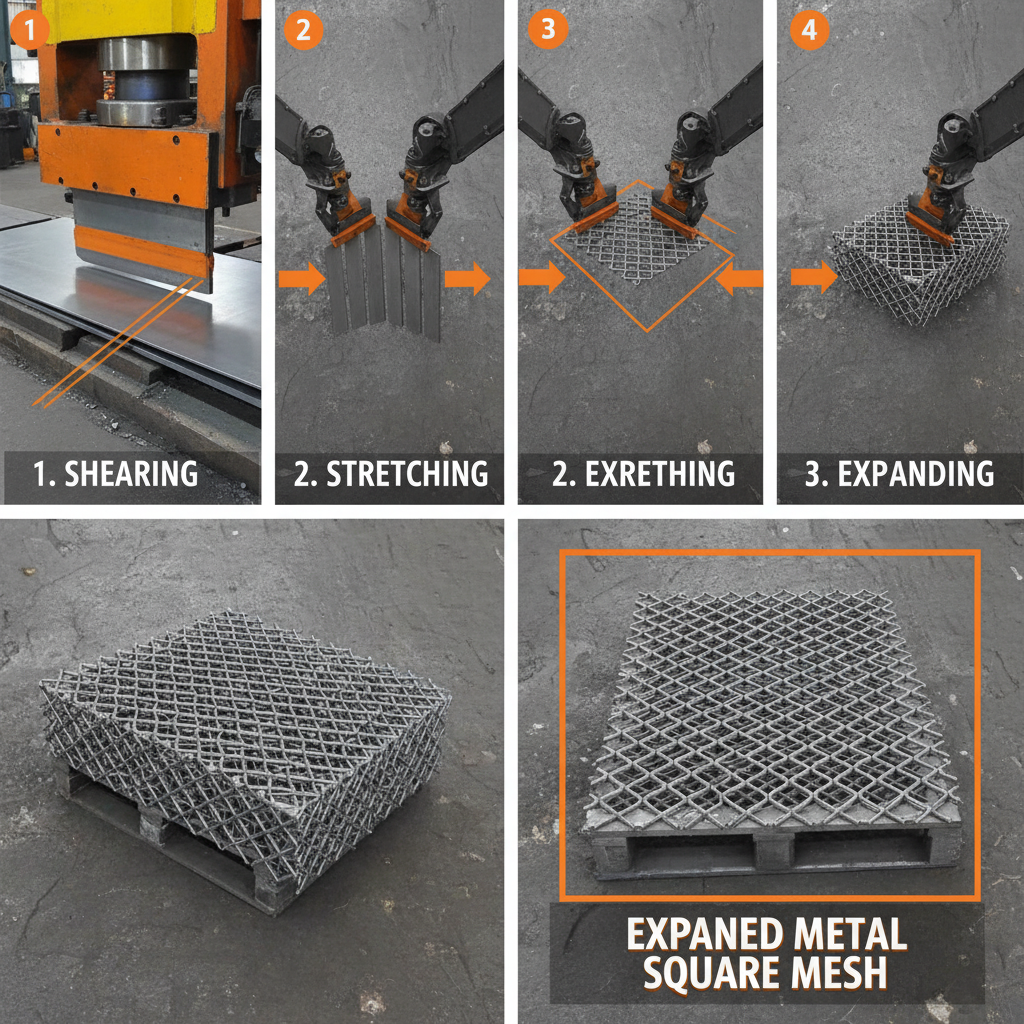
To be honest, the whole expanded metal mesh industry is buzzing about high-strength steel lately. Everyone’s chasing lighter weights with bigger spans, you know? It’s not enough to just meet specs anymore; they want stuff that practically installs itself. And, honestly, it’s a good thing. I’ve spent way too many afternoons wrestling with heavy panels.
Have you noticed how everyone’s obsessed with surface treatments? It's all about corrosion resistance, but it’s a minefield. I encountered this at a factory in Jiangsu last time – they swore by a new zinc-aluminum coating, but it flaked off like crazy when exposed to saltwater. They’d skipped a crucial pre-treatment step. Classic.
And the demand for customization...it’s relentless. People want hole sizes, mesh patterns, thicknesses… everything tailored to their specific application. It's a good problem to have, I guess, but it really tests your supply chain.
The Rise of High-Strength Steel in Expanded Metal Mesh
Honestly, the shift to higher strength steels has been huge. It’s not just about weight savings; it's about spanning greater distances with less support. Makes installation so much quicker, and that translates to real cost savings for the client. The stuff smells different too, you know? A little less oily than the older carbon steels. It’s a subtle thing, but after a while, you can tell.
And it’s not just steel, either. Alloys with manganese and silicon are gaining traction, offering improved formability and weldability. Strangely, these are often a bit more expensive upfront, but the reduced fabrication time often evens things out in the long run.
The Pitfalls of Surface Treatments
Surface treatments...don’t even get me started. Everyone wants their expanded metal mesh to last forever, but they often cut corners on prep work. I’ve seen so many failures because of inadequate cleaning before galvanizing or powder coating. It’s a pain.
And the new zinc-aluminum alloys? They sound great on paper – supposedly superior corrosion resistance. But I've seen them crack and peel if the base metal isn't properly treated. It’s all about adhesion, really.
Honestly, a good old-fashioned hot-dip galvanizing still gives you the most bang for your buck in a lot of applications. It’s a bit rough around the edges, but it's reliable.
Material Selection: Beyond the Spec Sheet
You can look at a spec sheet all day, but it doesn’t tell you how the material feels to work with. Aluminum, for example, is great for lightweight applications, but it can be a nightmare to weld. Stainless steel? Fantastic corrosion resistance, but it work hardens like crazy during forming.
I’ve been working with a supplier who’s been experimenting with weathering steel - it develops a rust layer that protects the underlying metal. It’s a bit of a gamble – you need to make sure the environment is right for it to work properly. But the aesthetic appeal is huge.
Anyway, I think it's crucial to understand the trade-offs. There’s no perfect material; it’s always about finding the best fit for the specific application.
Real-World Testing: It's About More Than Lab Results
Lab tests are fine, I guess. But they don’t tell you how something will hold up to real-world abuse. I’ve seen expanded metal mesh fail a tensile test with flying colors, then buckle under the weight of snow on a roof. It's just different.
We do a lot of our own testing on-site. We’ll take samples, expose them to different weather conditions, and even subject them to simulated impacts. It’s not fancy, but it’s effective. We load 'em up, bend 'em, and see what happens.
Expanded Metal Mesh Performance Metrics
How Expanded Metal Mesh is Actually Used
People use it for everything! Safety grilles, walkways, architectural facades... I even saw it used as a climbing wall at a park last week. It's surprisingly versatile.
I've found that clients often underestimate the load-bearing capacity of expanded metal mesh. They think it’s just a decorative element, but it can be incredibly strong if designed correctly. They need to understand it's not just about aesthetics; it's about structural integrity.
Advantages, Disadvantages, and Customization Options
The advantages are clear: open construction for airflow and light transmission, high strength-to-weight ratio, and relatively low cost. But it's not perfect. The open pattern can be a safety hazard if not properly guarded. And it's surprisingly difficult to clean – dirt and debris get lodged in the openings.
As for customization, we recently had a client who needed a specific hole pattern to accommodate sensors for a smart building project. It required a custom die, which added to the cost, but it was worth it for the functionality. You can also play with the strand width and thickness to fine-tune the performance characteristics.
The Shenzhen Smart Home Debacle & Key Performance Metrics
Last month, that small boss in Shenzhen who makes smart home devices insisted on changing the interface to , and the result was…a complete disaster. He thought the smaller holes would look more “modern,” but it actually reduced the ventilation and caused the sensors to overheat. Lost him a ton of money. He didn’t listen to me, of course.
Anyway, I think understanding key performance metrics is vital. We track things like deflection under load, corrosion resistance (in salt spray tests), and the impact resistance. But honestly, the biggest metric is customer satisfaction. If they’re happy, we’re happy.
Here’s a rough rundown of some common metrics we monitor:
Key Performance Indicators for Expanded Metal Mesh Selection
| Material Grade |
Load Capacity (PSI) |
Corrosion Resistance (Years) |
Cost per Square Foot |
| Mild Steel |
40,000 |
2-3 (with treatment) |
$2.50 |
| Aluminum 5052 |
25,000 |
10+ (natural) |
$4.00 |
| Stainless Steel 304 |
58,000 |
20+ |
$6.00 |
| Galvanized Steel |
45,000 |
5-7 |
$3.00 |
| Weathering Steel A588 |
42,000 |
15+ (with patina) |
$5.00 |
| High Strength Low Alloy (HSLA) |
60,000 |
3-5 (with treatment) |
$3.50 |
FAQS
Honestly? Underestimating the importance of the mesh pattern. It's not just about the open area; it’s about how the loads are distributed. A poorly chosen pattern can lead to premature failure, especially under dynamic loads. People get caught up in the price and forget to think about the engineering side of things.
That's a tough one. Stainless steel is the obvious choice, but even that can corrode if it’s not the right grade. A good quality duplex stainless steel (like 2205) is your best bet. And proper surface preparation and a good coating system are essential. Don't skimp on the prep work, trust me.
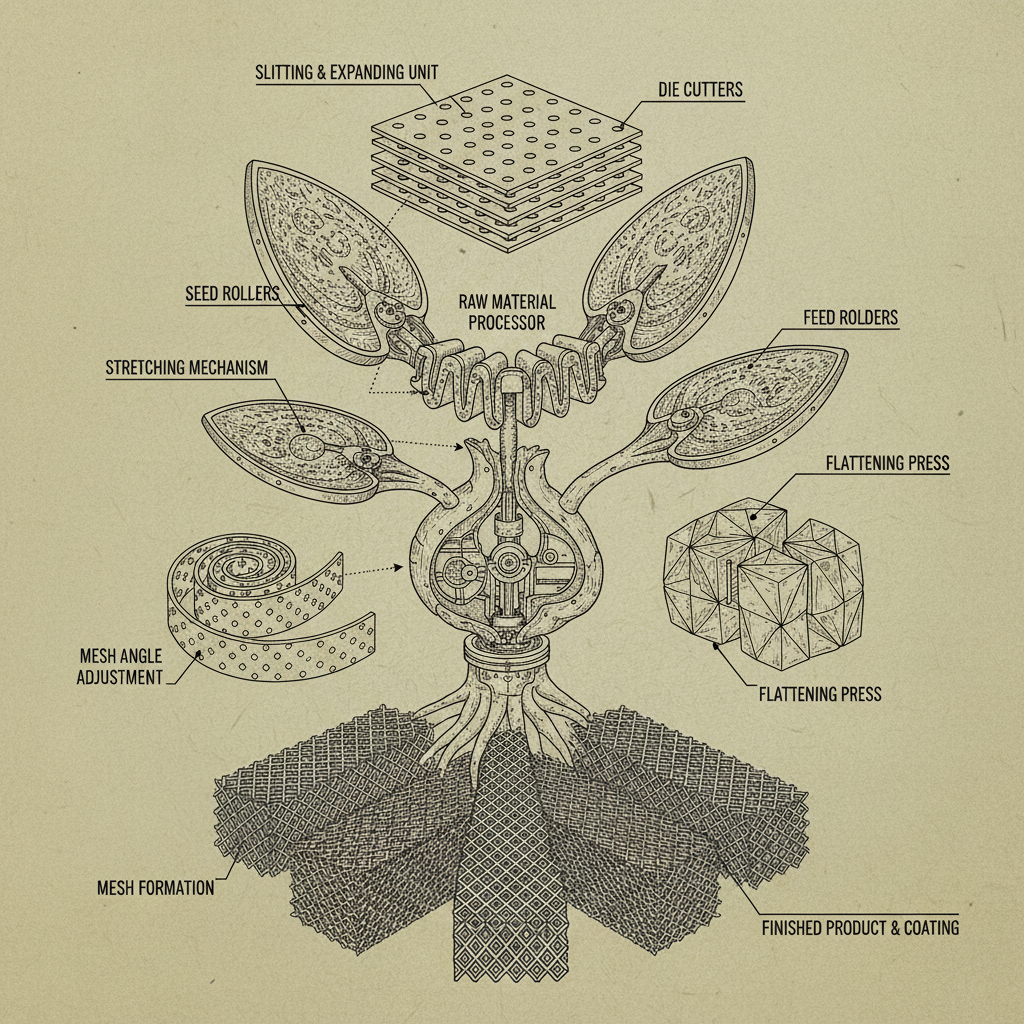
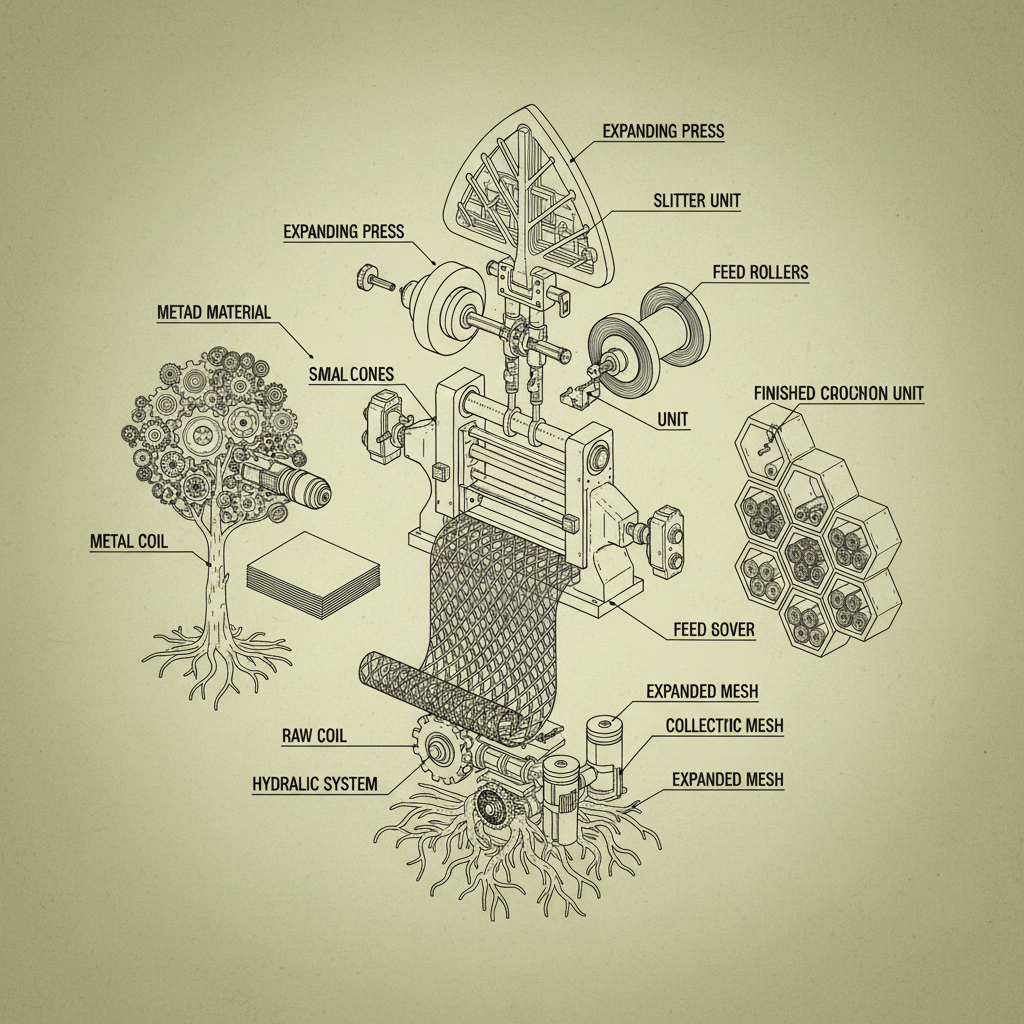
The flattening process is key. If it's done too aggressively, it can introduce stress and weaken the metal. You want a consistent, controlled expansion. That's why it's important to work with a reputable manufacturer who understands the nuances of the process.
When you need strength in both directions and don't want to compromise the material. Perforated metal has weakened areas around the holes. Expanded metal maintains more of its original strength. Also, it’s often cheaper for large areas. It really depends on the application.
Absolutely. It's almost entirely recyclable, which is a huge plus. Steel and aluminum are highly valuable scrap materials. That’s one of the reasons I like working with it; it’s a relatively sustainable material. Though, getting it sorted out at the demolition site can be a challenge.
It depends on the metal and the thickness, but generally, you’re looking at around 1/8 inch. Going smaller than that becomes incredibly difficult and expensive. The strands get so thin they’re prone to breaking. You start to lose the benefits of expanded metal at that point.
Conclusion
Ultimately, expanded metal mesh is a surprisingly versatile material. From high-strength applications to architectural features, it plays a role in countless industries. It’s not always the prettiest stuff, and it definitely has its quirks, but it’s a workhorse.
But here’s the thing: whether this thing works or not, the worker will know the moment he tightens the screw. They'll feel it. Trust those guys on the ground. They’re the ones who will tell you if it’s right. And if you're looking for a reliable partner to help you navigate the complexities of expanded metal mesh, visit our website: www.ztwiremesh.com.