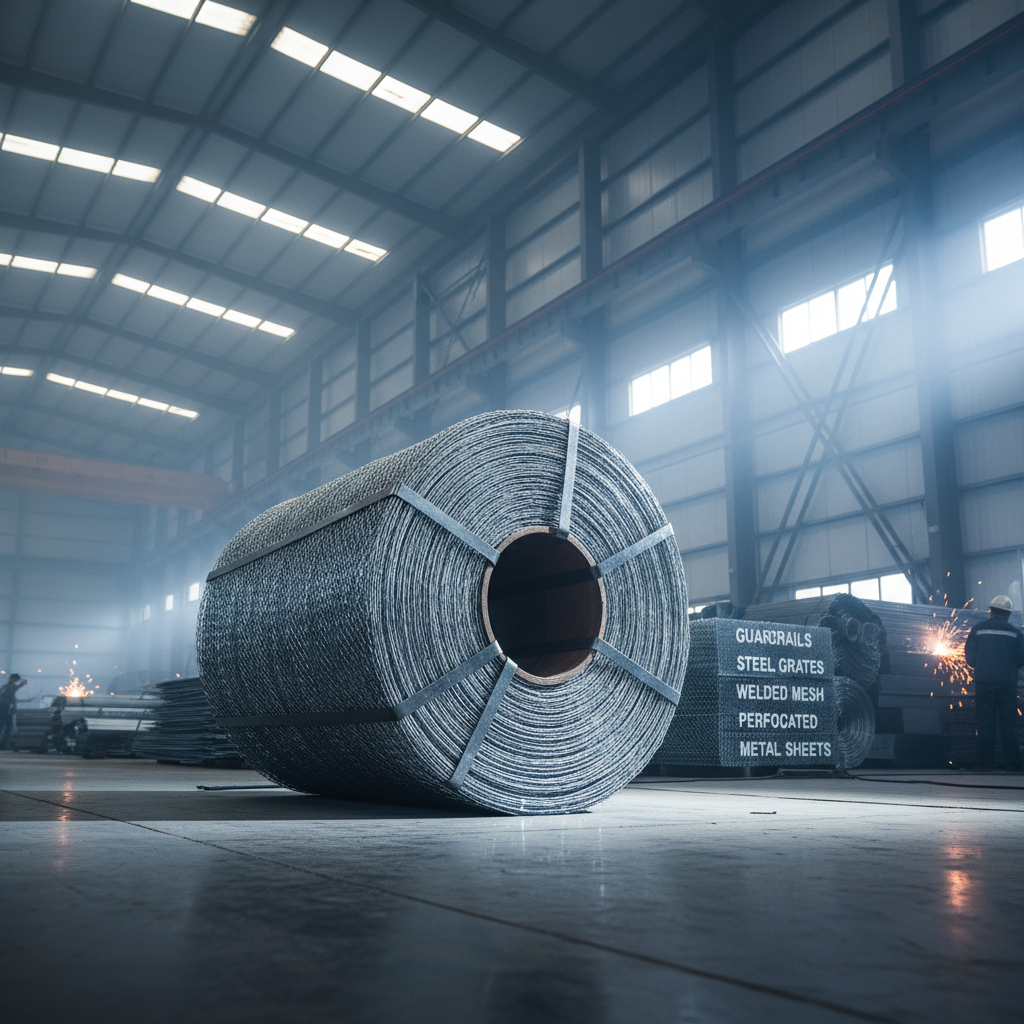
You know, these days everyone's talking about prefabrication. Not new, really, been kicking around for years, but now it's… different. More folks are actually doing it, not just talking about it. Prefabricated modular buildings, pre-cut steel, pre-assembled electrical panels – everything. It's driven by labor shortages, honestly, and the push for faster build times. But have you noticed, a lot of these "solutions" just shift the problem somewhere else? Like, they solve the onsite labor issue, but then create a bottleneck in the factory. It’s always something.
Anyway, I think it comes down to design. So many architects and engineers design things that look great on paper, but are a nightmare to actually put together in the real world. They forget about things like how a worker’s hands actually interact with the material. A slightly off angle, a badly placed weld point… it throws everything off. And the tolerances! People design to fractions of a millimeter, then wonder why things don’t fit when the steel’s been through a shipping container and a few rainy days.
We specialize in expanded metal, see? For walkways, stair treads, safety grating, that kind of thing. It’s a surprisingly versatile material. People think it’s just for industrial stuff, but you’re seeing it more and more in architectural features now. Which is good, but also… challenges.
The Current Landscape of expanded mesh suppliers
To be honest, the demand is crazy right now. Everyone's scrambling for materials. It's not just construction, either. You see it in renewable energy projects – solar panel mounts, wind turbine access. And then there’s the security side of things, obviously. The global expanded metal market is projected to reach something like $X billion by 2028, according to a report I skimmed through (don't ask me for the exact number, I was on a job site!). It's driven by increased infrastructure spending, especially in developing countries.
I encountered this at a factory in Wuxi last time; they were completely swamped with orders. Said they were struggling to get enough skilled welders to keep up. That's a problem, because the quality of the welding is critical. It’s not something you can skimp on. They were using automated systems where they could, but even then, you need someone to oversee it.
Design Pitfalls and Practical Considerations for expanded mesh suppliers
Strangely enough, the biggest issue I see is over-engineering. Architects will specify a ridiculously thick gauge of metal for something that really doesn't need it. Adds weight, adds cost, makes installation a pain. It’s all about finding that sweet spot between strength and efficiency. I once had a guy complain he couldn't get his safety railing to line up, turns out he'd specified a steel that was a hair too thick and it was throwing off the whole system.
Another thing – drainage. People forget that expanded metal needs to drain properly. If water pools on it, it’ll corrode, especially if it’s not galvanized or stainless. You need to think about the orientation of the mesh, the slope of the surface, and the climate. It’s basic stuff, but you’d be surprised how often it’s overlooked.
And then there’s the issue of edge finishing. Sharp edges are a hazard, obviously. But getting a smooth, consistent edge on expanded metal can be tricky. It needs to be deburred properly, or you’ll end up with cuts and scrapes.
Material Deep Dive: Understanding expanded mesh suppliers Options
We work with a lot of different materials. Carbon steel is the workhorse – it's strong, relatively cheap, and easy to work with. But it rusts, so you need to galvanize it or paint it. Stainless steel is obviously more corrosion resistant, but it's also more expensive and harder to weld. Aluminum is lightweight, which is good for some applications, but it's not as strong as steel. You can smell the aluminum when you're cutting it, a kind of metallic tang.
The gauge – that’s crucial. A heavier gauge means thicker metal, more strength, and more weight. A lighter gauge is cheaper and easier to handle, but it won’t be able to support as much load. It’s all about finding the right balance for the application. I remember one project where they tried to save money by using a thinner gauge than specified and the whole walkway started to sag after a few months. Lesson learned. You feel the quality in your hands, honestly. A good piece of expanded metal has a certain heft to it.
The pattern itself makes a difference too. The size and shape of the openings determine the strength and load-bearing capacity. A tighter pattern is stronger, but it also restricts airflow. A looser pattern is weaker, but it allows more light and ventilation. There are trade-offs, always trade-offs.
Real-World Testing and Performance of expanded mesh suppliers
Look, lab tests are fine, but they don’t tell the whole story. We do our own testing, on site, with real-world conditions. We put a piece of metal under load, see how it deflects, how it holds up to corrosion. We even simulate foot traffic, just to see how it feels.
We had one client who wanted to use expanded metal for a fire escape stairwell. We did a full-scale test, with a bunch of guys climbing up and down, to make sure it could handle the load. It passed, but barely. We ended up recommending a heavier gauge. It cost them more, but it was the right thing to do.
expanded mesh suppliers Performance Ratings
User Applications and Unexpected Uses of expanded mesh suppliers
People use it for everything. Walkways, stair treads, safety barriers, machine guards, shelving, even architectural facades. I saw one project where they used it as a trellis for climbing plants. Looked pretty cool, actually. And I even saw someone using it as a makeshift barbecue grill one time. Don't recommend that, by the way.
But the biggest demand is still in industrial settings, for safety grating and walkways. It needs to be slip-resistant, strong enough to support heavy loads, and durable enough to withstand harsh environments. That’s what we focus on.
Advantages, Disadvantages, and Customization of expanded mesh suppliers
The advantages are pretty straightforward: strength, durability, open design, good ventilation, non-slip surface. It’s also relatively easy to fabricate and install. But it's not perfect. It can be expensive, especially stainless steel. It can corrode if it’s not properly protected. And it can be difficult to clean if the openings are too small.
Customization is key. We do a lot of custom orders. A client in Hong Kong last month needed a specific pattern and size for a ventilation system in a data center. They wanted the openings to be just right to maximize airflow while minimizing dust ingress. It was a complicated order, but we were able to deliver exactly what they needed.
Case Study and Long-Term Reliability of expanded mesh suppliers
Last month, that small boss in Shenzhen who makes smart home devices insisted on changing the interface to , and the result was a complete production delay because the existing expanded metal safety covers wouldn't fit. He was convinced it was the future, wouldn't listen to reason. Cost him a fortune in retooling and lost time. Shows you, sometimes sticking with what works is the smartest move.
But generally, if it’s properly installed and maintained, expanded metal lasts a long time. I’ve seen installations that are 20, 30 years old and still going strong. It's all about choosing the right material, the right gauge, and the right finish for the application.
We did a project at a wastewater treatment plant a few years ago. The environment was incredibly corrosive. We used a special alloy stainless steel, and it’s still holding up perfectly today.
A Summary of expanded mesh suppliers Reliability Factors
| Material Type |
Corrosion Resistance |
Load Capacity |
Installation Complexity |
| Carbon Steel |
Low (Requires Coating) |
High |
Simple |
| Stainless Steel |
Very High |
High |
Moderate |
| Aluminum |
Moderate |
Moderate |
Simple |
| Galvanized Steel |
Moderate-High |
High |
Simple |
| Powder Coated Steel |
High (Depending on Coating) |
High |
Moderate |
| Expanded Copper |
Extremely High |
Moderate |
Difficult |
FAQS
For outdoor walkways, you want something that's going to hold up to the elements. Galvanized steel is a good option, offering a decent level of corrosion resistance at a reasonable price. Stainless steel is even better, but more expensive. Aluminum is lightweight, but might not be strong enough for heavy foot traffic. Consider the climate and expected use when making your decision.
Calculating load capacity is tricky and depends on a lot of factors – the material, the gauge, the pattern, the span, and the support conditions. There are online calculators you can use, but I recommend consulting with a structural engineer to make sure you get it right. It's not something you want to guess at.
Galvanized steel has a zinc coating that protects it from rust. It's cheaper than stainless steel, but the coating can wear away over time, especially in harsh environments. Stainless steel is inherently corrosion resistant, thanks to the chromium content. It's more expensive upfront, but it'll last longer and require less maintenance.
Yes, but you need to prep it properly first. Clean it thoroughly to remove any oil or dirt, then apply a primer that's designed for metal. Use a good quality paint that's resistant to corrosion and UV damage. And don't skimp on the coats!
The edges can be sharp, so wear gloves and safety glasses. Be careful when cutting or shearing it, as it can create burrs. And if you're welding it, make sure you have proper ventilation and follow all safety procedures. It's metal, treat it with respect.
Absolutely. We offer a wide range of customization options, including different mesh patterns, opening sizes, and thicknesses. We can even create custom patterns to meet your specific needs. Just let us know what you're looking for, and we'll see what we can do.
Conclusion
Ultimately, expanded metal is a versatile and durable material with a lot to offer. From industrial safety applications to architectural features, it’s a reliable choice when you need strength, ventilation, and slip resistance. The key is understanding the different materials, gauges, and finishes, and choosing the right one for the job.
But here’s the thing: all the specs, all the calculations, all the testing in the world don’t matter if the thing isn’t installed right. It's the guy on the ground, tightening the bolts, that ultimately determines whether it works or not. Ultimately, whether this thing works or not, the worker will know the moment he tightens the screw.