
Look, I've been running around construction sites all year, and you see a lot. Honestly, the biggest trend lately is everyone wanting "smart" everything. Smart materials, smart connections, even smart dust – I swear. It’s all about IoT integration, remote monitoring… a lot of hype, if you ask me. But underneath all that, it’s still about getting the job done reliably, you know? People forget that.
The thing is, a lot of designs look great on paper, but fall apart when you actually try to build with them. Have you noticed how many engineers design these amazing connections, then forget about how a guy with gloves and a wrench is actually going to reach them in a cramped space? It’s maddening. And the tolerances… don’t even get me started on tolerances.
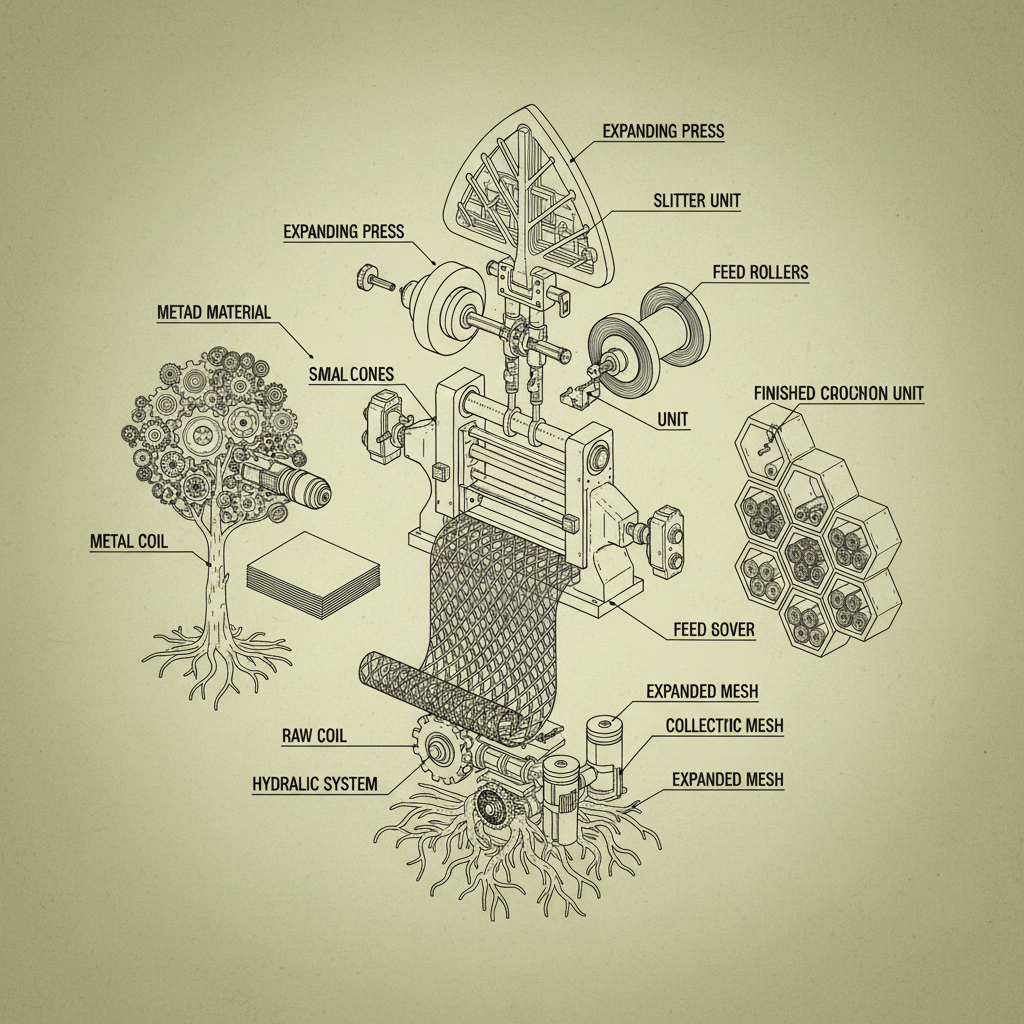
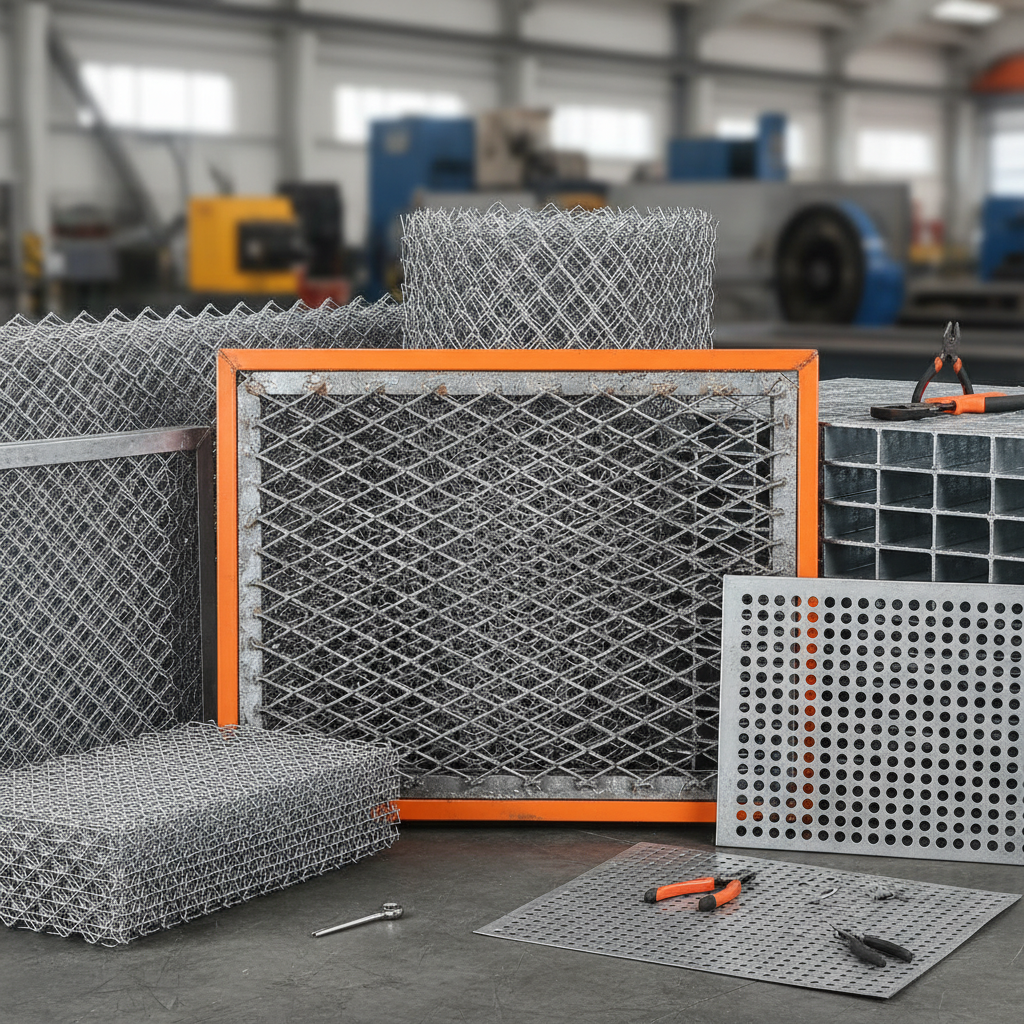
We use a ton of expanded metal mesh, obviously. Mostly steel, these days, though we’ve been experimenting with some aluminum alloys. The steel… well, it smells like steel. You get used to it. The cold-rolled stuff is smoother, easier to handle, but the hot-rolled has that rough texture, gives you a better grip, surprisingly. It's heavy, though. Really heavy. And cutting it? Forget those fancy laser cutters. A good old plasma cutter and a sturdy pair of gloves are still the way to go.

Strangely enough, everyone’s obsessed with lightweighting. Which is fine, I guess, but sometimes they sacrifice strength for it. I encountered this at a prefabrication factory last time – they were using this super thin expanded metal for a facade, and it buckled just from handling. It’s a balancing act. And don't even get me started on the cost cutting. They want it cheaper, faster, lighter… and still want it to hold up a building. Good luck with that.
And the design software… It looks perfect in the 3D model. But then you try to fabricate it, and suddenly you realize you need a degree in origami to make it work. Simplicity is key, folks. Keep it simple.
Honestly, it's not thinking about maintenance. They specify a super fine mesh for a cool look, then complain when it gets clogged with leaves and debris. Always consider how it will be cleaned and maintained. You need access, and you need a mesh size that doesn't trap everything. A little bit of foresight saves a lot of headaches.
Crucially important. Don't skimp on the material. If it's going to be exposed to the elements, you need to use a corrosion-resistant material like stainless steel or galvanized steel. Carbon steel will rust quickly. And even galvanized steel needs protection in harsh environments. It's not just about the initial cost; it's about the long-term cost of replacement.
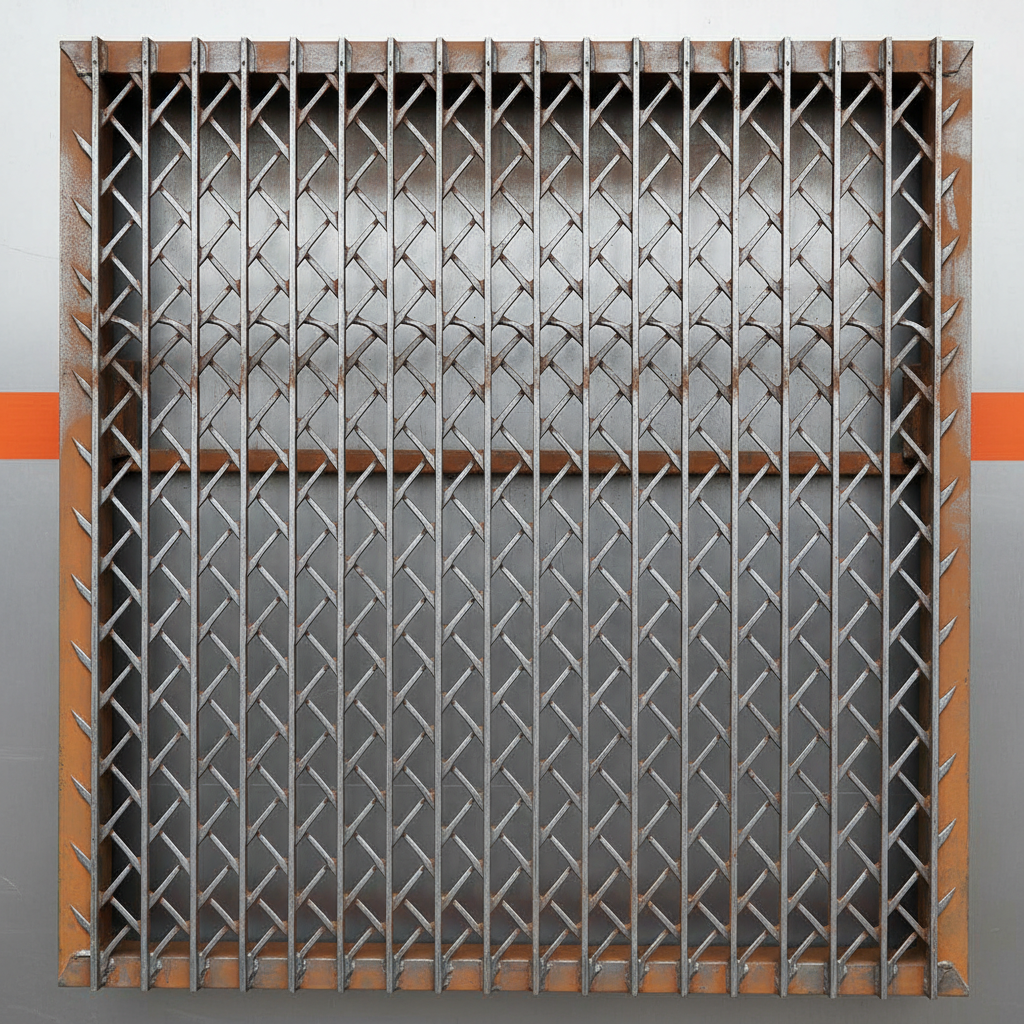
Absolutely. Expanded metal mesh has sharp edges, no doubt about it. You need to deburr it properly or use edge treatments to prevent injuries. And if it's being used for flooring or walkways, you need to consider slip resistance. A little extra effort in fabrication can prevent a lot of accidents.
Yes, you can, but it's going to be expensive. Custom shapes require special tooling and fabrication techniques. It’s usually cheaper to work with standard sizes and shapes. But if you have a specific design in mind, we can definitely explore the options. Just be prepared for a higher price tag.
That depends on the environment and the material. With proper maintenance, a galvanized steel installation can last 20-30 years. Stainless steel can last even longer. But if it’s exposed to harsh chemicals or saltwater, the lifespan will be significantly reduced. It's all about prevention and regular inspections.
Installation costs are often underestimated. Cutting and fitting expanded metal mesh can be time-consuming. And don’t forget about fasteners and edge treatments. Also, factor in the cost of maintenance, like cleaning and repainting. It all adds up. It’s better to be prepared than surprised.
So, yeah, expanded metal mesh. It's a simple product, but surprisingly versatile. It’s not glamorous, but it gets the job done. It's about understanding the material, knowing its limitations, and applying it appropriately. And don't forget the basics: strength, durability, and safety. All the fancy designs in the world won’t matter if it falls apart after a year.
Ultimately, whether this thing works or not, the worker will know the moment he tightens the screw. If it feels solid, if it fits right, if it doesn't feel like it's going to fail… then you've done your job. That’s what I tell the young engineers. Get out there, get your hands dirty, and learn from the guys on the ground. That's where the real knowledge is.


Subscribe now!
Stay up to date with the latest on Fry Steeland industry news.