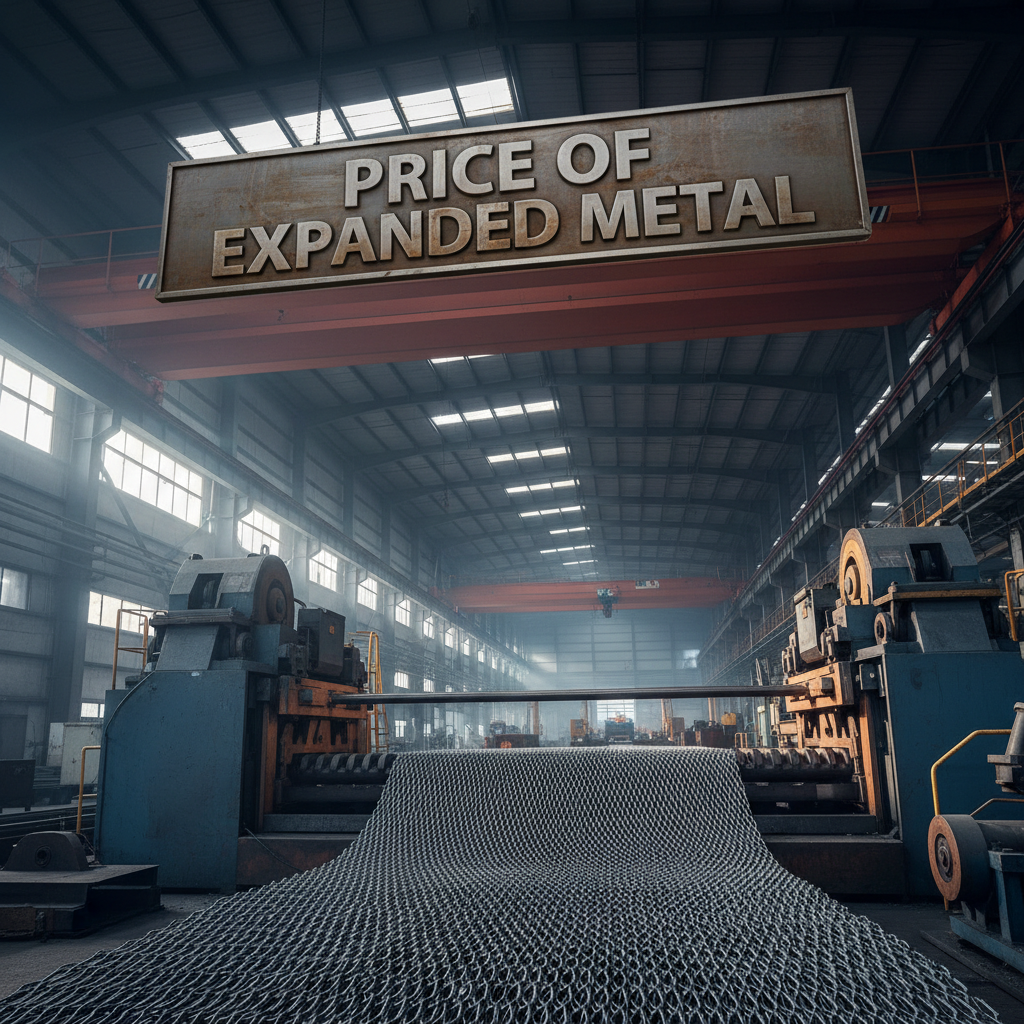
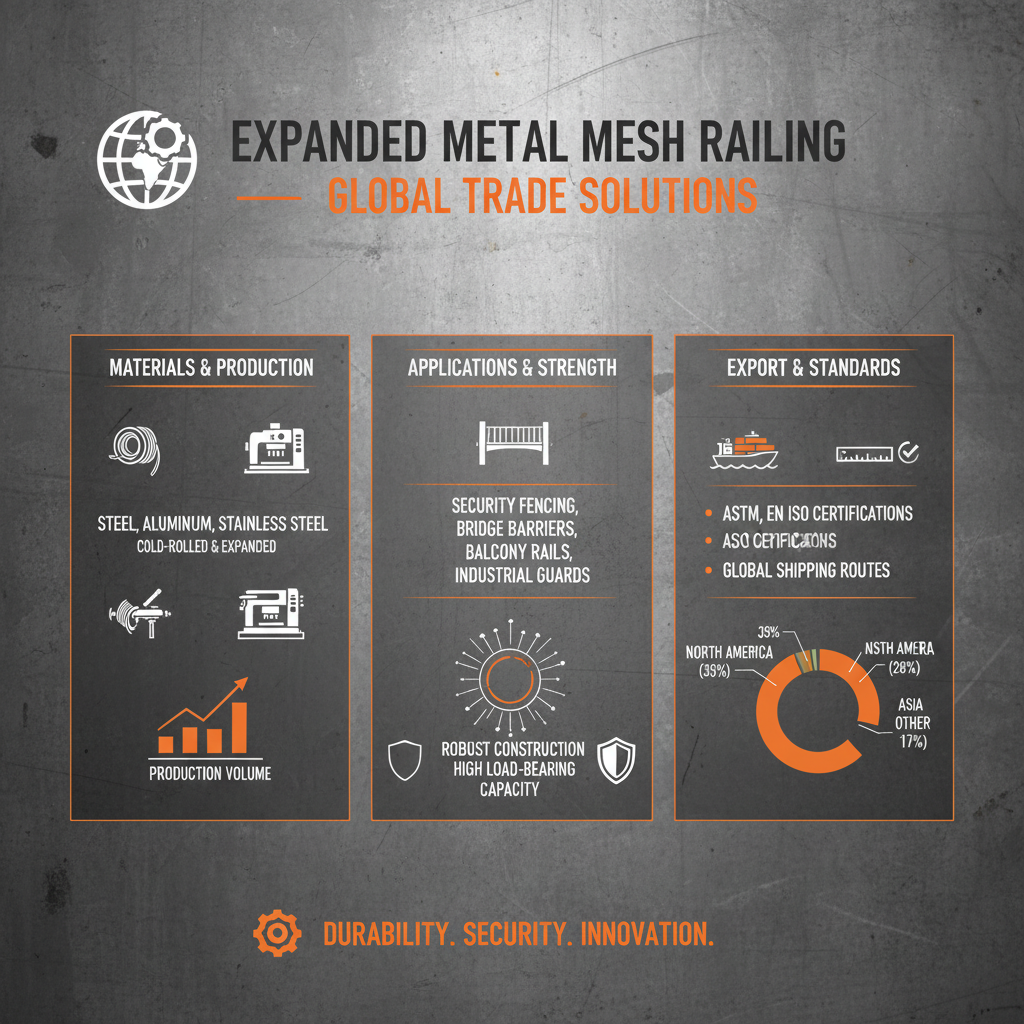
The price of expanded metal is a crucial consideration for a wide range of industries, from construction and manufacturing to security and even artistic applications. Understanding the factors that influence this price—raw material costs, manufacturing processes, gauge, pattern, and market demand—is essential for effective budgeting and project planning. Globally, expanded metal plays a vital role in infrastructure development and industrial safety, making its affordability a key driver of progress.
Fluctuations in the price of expanded metal directly impact project costs across various sectors. For instance, increased steel prices, the primary component of expanded metal, inevitably lead to higher finished product costs. Furthermore, regional variations in labor and transportation expenses contribute to price disparities. Staying informed about these market dynamics is critical for businesses seeking to optimize their procurement strategies. The current global supply chain challenges also play a significant role, influencing both availability and the price of expanded metal.
Ultimately, a clear understanding of the price of expanded metal empowers informed decision-making. Whether you are a contractor sourcing materials for a large-scale construction project or a homeowner seeking affordable security fencing, navigating the price landscape effectively translates into cost savings and project success. This article will delve into the intricacies of expanded metal pricing, offering insights into the key determinants and future trends.
Understanding the Factors Affecting Price of Expanded Metal
The price of expanded metal isn’t a static figure; it's a dynamic value influenced by several interwoven factors. Primarily, the base metal used – typically carbon steel, stainless steel, or aluminum – dictates a significant portion of the overall cost. Steel prices, heavily reliant on iron ore costs and global economic conditions, fluctuate constantly. Understanding these fluctuations is the first step in comprehending the price of expanded metal.
Beyond the raw material, manufacturing processes themselves contribute to cost differences. The complexity of the expansion pattern, the thickness (gauge) of the metal, and any required finishing treatments (like galvanization or powder coating) all impact production expenses and subsequently, the final price. Custom orders, demanding specific patterns or dimensions, will invariably command a premium compared to standard, readily available stock. price of expanded metal varies based on these elements.
Raw Material Costs and Their Impact
Raw material costs represent the most substantial component of the price of expanded metal. Steel, being the most common base material, is subject to global market forces. Events such as tariffs, trade agreements, and changes in demand from major industrial players (like China) can cause significant price swings. Stainless steel, with its higher nickel and chromium content, consistently commands a higher price point than carbon steel.
Aluminum, while lighter and corrosion-resistant, also experiences price volatility based on bauxite mining costs and energy prices used in the smelting process. Tracking the London Metal Exchange (LME) steel prices and aluminum benchmarks can provide valuable insight into potential future price trends. Supply chain disruptions, as seen in recent years, can also dramatically increase raw material costs, impacting the price of expanded metal available in the market.
Furthermore, the origin of the raw materials also influences the price. Materials sourced from regions with lower labor costs and more relaxed environmental regulations may be cheaper initially, but can carry additional risks related to quality control and ethical sourcing. Therefore, a comprehensive assessment of the raw material supply chain is essential for understanding the true price of expanded metal.
Manufacturing Processes and Price Variations
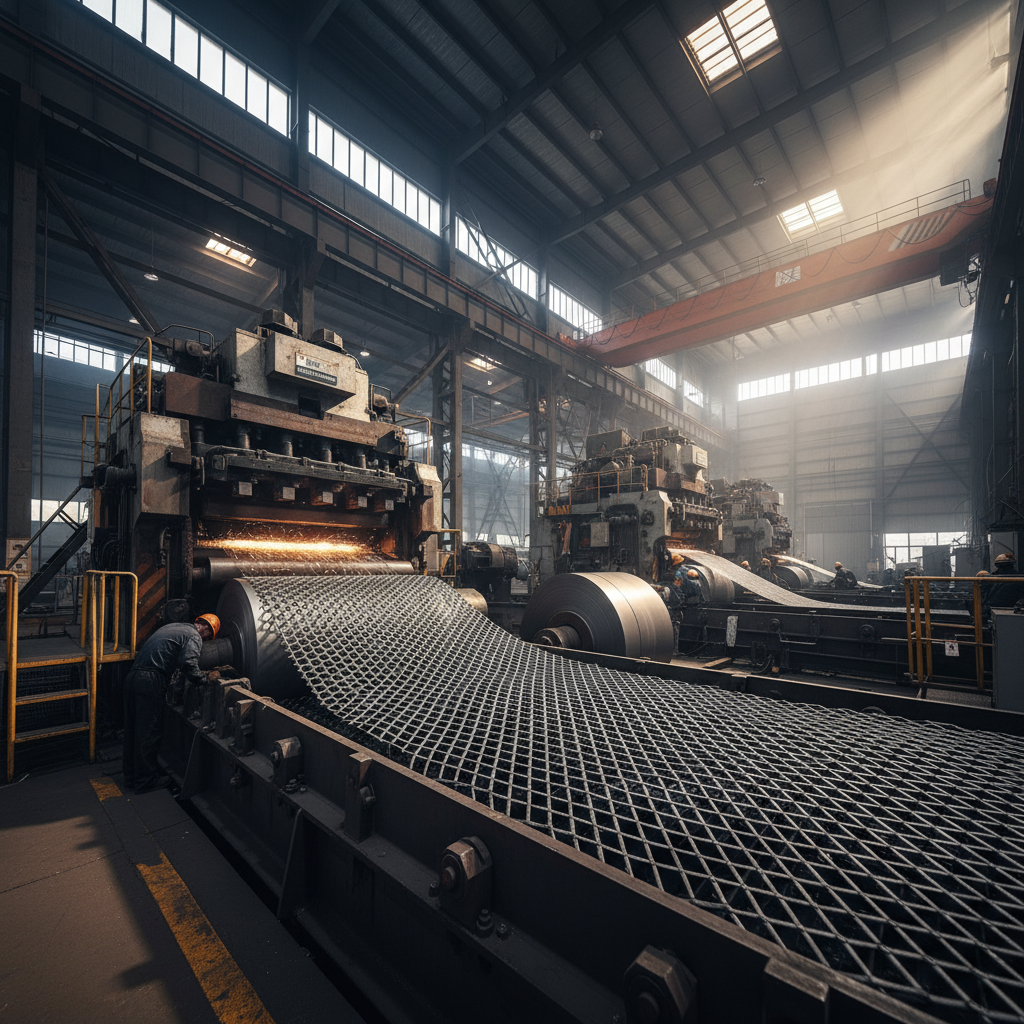
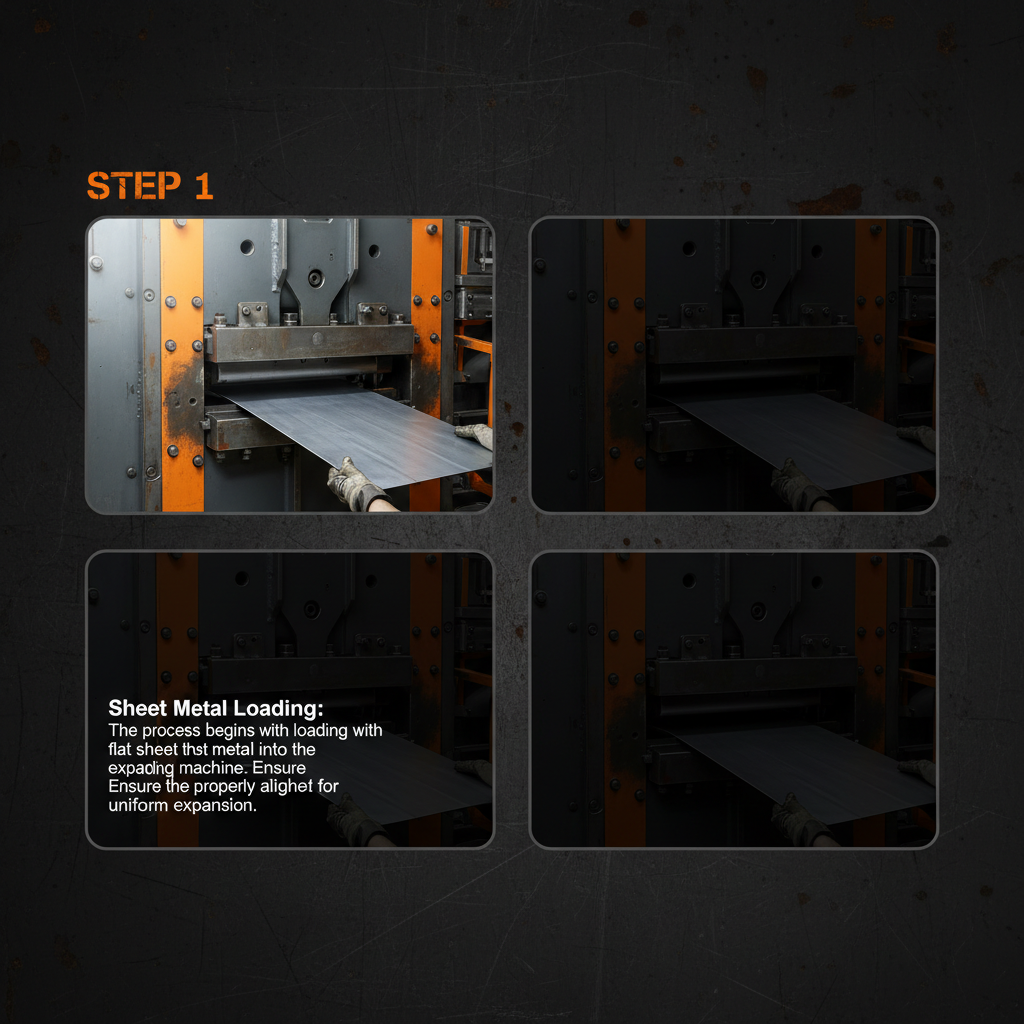
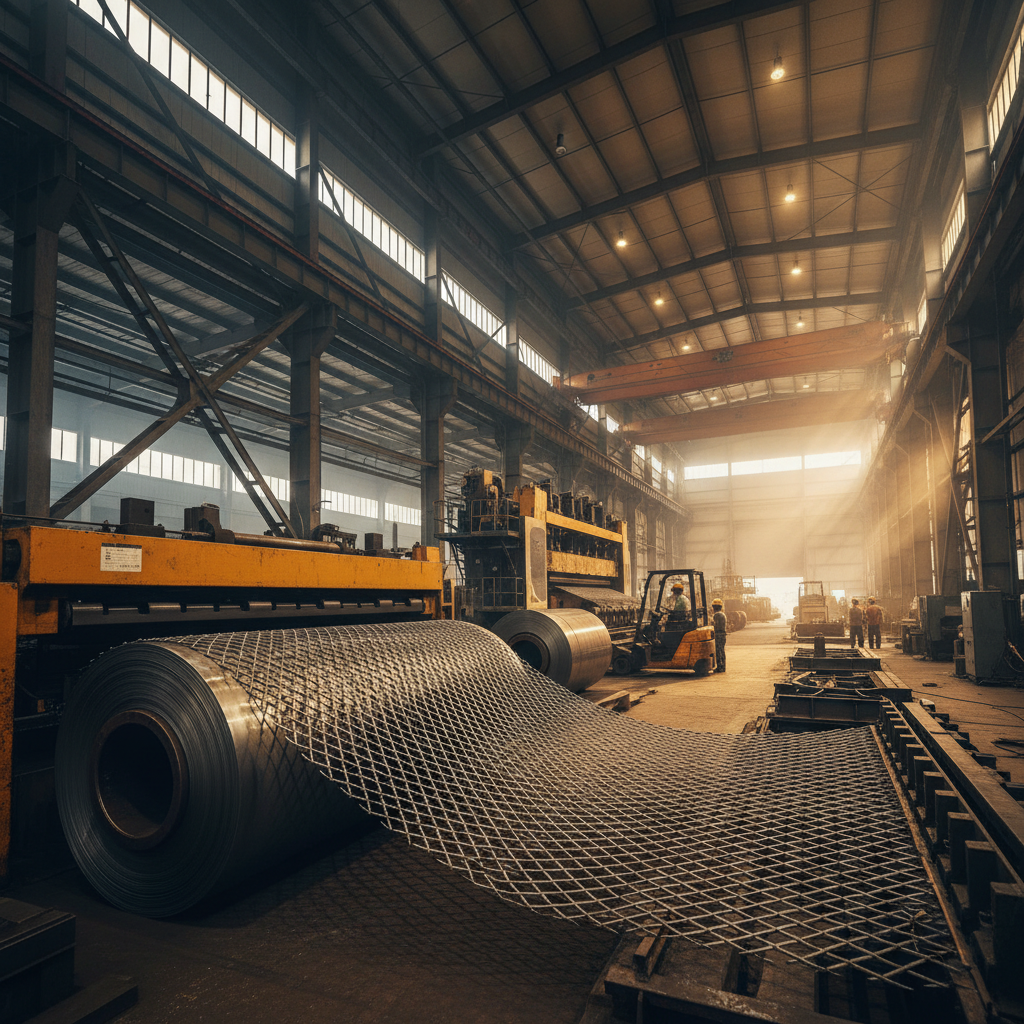
The process of transforming flat metal sheets into expanded metal isn't uniform. Different methods, each with varying levels of complexity and cost, influence the final price. Slitting and stretching, the most common technique, involves making incisions in the metal and then stretching it to create the desired pattern. The precision of these cuts and the stretching force applied directly correlate with production costs.
More intricate patterns, requiring smaller slits and tighter tolerances, require more sophisticated machinery and skilled labor, resulting in a higher price. Additionally, the finishing processes – galvanization for corrosion resistance, powder coating for aesthetics, or polishing for a smooth surface – add to the overall cost. Automated manufacturing processes can help reduce labor costs and improve efficiency, potentially lowering the price of expanded metal.
The scale of production also plays a role. Large-scale manufacturers often benefit from economies of scale, allowing them to offer more competitive pricing than smaller, custom fabricators. Therefore, understanding the manufacturer’s capabilities and production volume is key when evaluating quotes for the price of expanded metal.
Gauges, Patterns, and Customization Costs
The gauge (thickness) of the metal sheet is a direct driver of the price of expanded metal. Thicker gauges, providing greater strength and durability, require more raw material and greater stretching force during manufacturing, thus increasing costs. Similarly, the chosen pattern significantly affects pricing. Simple, standard patterns are typically more affordable than complex, custom designs.
Price Comparison of Expanded Metal Based on Configuration
Global Applications and Price Trends
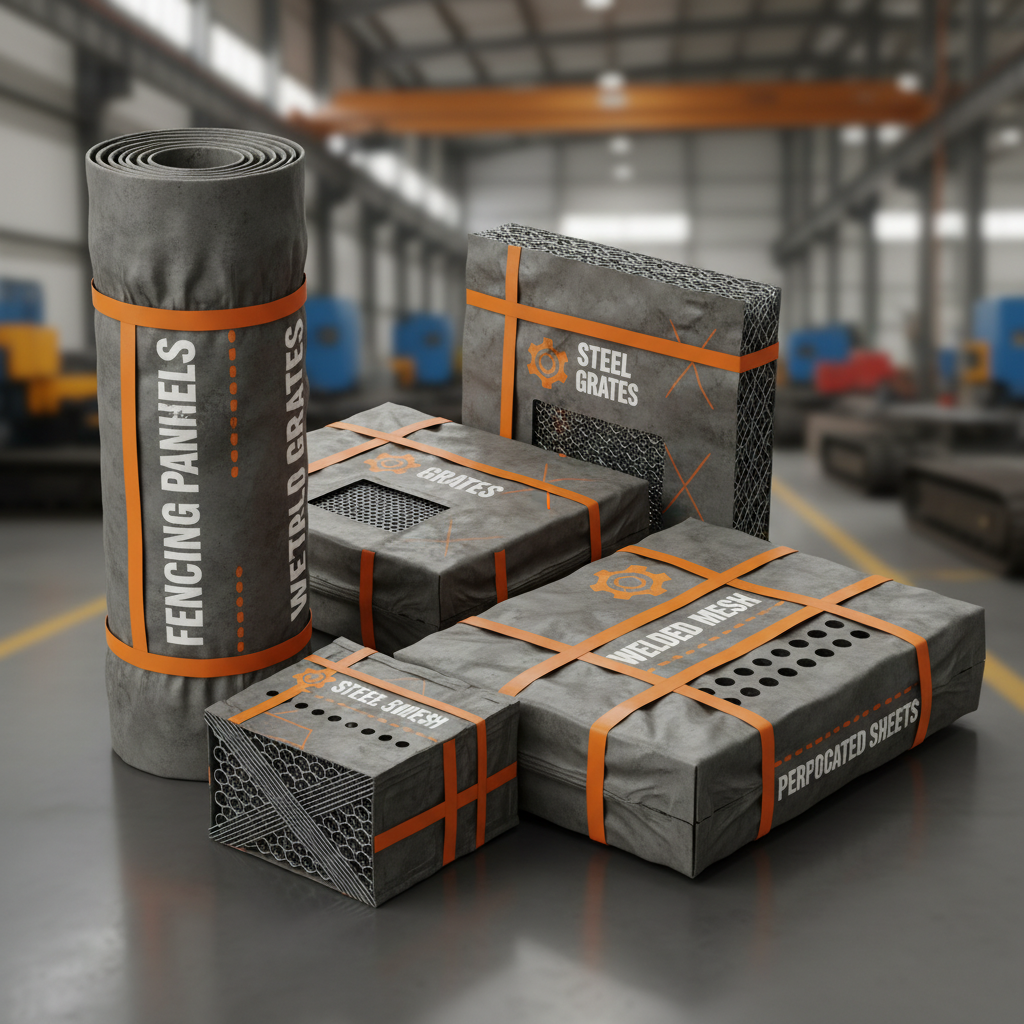
Expanded metal finds widespread application in numerous industries, driving global demand and influencing price. In construction, it’s used for flooring, stair treads, and façade cladding. The security sector utilizes it for fencing, cages, and protective barriers. Industrial applications include grating, filters, and machine guards. These varying applications generate diverse demands, and consequently, price fluctuations.
Regions with rapidly developing infrastructure, such as Asia and the Middle East, often exhibit higher demand for expanded metal, potentially driving up prices. Conversely, regions experiencing economic downturns may see reduced demand and lower prices. Furthermore, specific industries – for instance, a surge in construction activity – can create localized price increases. Understanding these regional and sector-specific trends is vital for accurate cost forecasting.
The Long-Term Value Proposition
While the initial price of expanded metal is a significant factor, evaluating its long-term value is equally crucial. Its durability and resistance to wear and tear translate to reduced maintenance costs over time. The open structure provides excellent ventilation and light transmission, making it suitable for applications where these features are essential.
Compared to solid metal alternatives, expanded metal often offers a cost-effective solution without compromising strength or functionality. Its versatility allows for diverse applications, further maximizing its return on investment. The ability to customize patterns and finishes adds to its adaptability, catering to specific project requirements and enhancing its overall value.
Future Trends and Innovations in Expanded Metal Pricing
Several emerging trends are poised to impact the price of expanded metal in the coming years. Advances in manufacturing technology, such as laser cutting and automated expansion processes, promise to enhance efficiency and potentially reduce production costs. The increasing adoption of sustainable materials, like recycled steel and aluminum, may also influence pricing.
The rise of digital marketplaces and online procurement platforms is fostering greater price transparency, empowering buyers to compare quotes and negotiate better deals. Moreover, the growing emphasis on green building practices and sustainable infrastructure may lead to increased demand for eco-friendly expanded metal options, potentially driving up their price.
Further development of high-strength, lightweight alloys will also affect pricing, offering a compelling combination of performance and cost-effectiveness. Staying abreast of these innovations and market dynamics is essential for navigating the evolving landscape of the price of expanded metal.
Summary of Key Factors Influencing Expanded Metal Pricing
| Material Type |
Manufacturing Process |
Gauge/Thickness |
Customization Level |
| Carbon Steel |
Slitting & Stretching |
Light (16 gauge) |
Standard Pattern |
| Stainless Steel |
Automated Expansion |
Medium (12 gauge) |
Minor Modifications |
| Aluminum |
Precision Slitting |
Heavy (10 gauge) |
Custom Design |
| Galvanized Steel |
Standard Slitting |
Light (18 gauge) |
No Customization |
| High-Strength Alloy |
Laser Cutting |
Medium (14 gauge) |
Moderate Modifications |
| Recycled Steel |
Eco-Friendly Slitting |
Heavy (8 gauge) |
Significant Customization |
FAQS
The primary drivers of price fluctuations are raw material costs (especially steel and aluminum), global economic conditions, supply chain disruptions, and energy prices. Demand in key industries like construction and manufacturing also plays a significant role. Staying informed about these factors is crucial for predicting price trends.
The gauge, or thickness, of the metal sheet is directly proportional to its price. Thicker gauges require more raw material and greater manufacturing effort, resulting in a higher cost. While thinner gauges are more affordable, they may not provide sufficient strength for certain applications. Choose the gauge based on the project’s structural requirements.
Yes, stainless steel expanded metal is consistently more expensive than carbon steel due to the higher cost of its constituent alloys, primarily nickel and chromium. Stainless steel offers superior corrosion resistance and durability, justifying the price difference for applications requiring these qualities. However, carbon steel remains a viable option for less demanding environments.
Customization significantly increases the price of expanded metal. Unique patterns, specific dimensions, and custom finishes require specialized tooling, skilled labor, and potentially longer lead times. The complexity of the customization directly correlates with the cost increase. Standard patterns and sizes are always more economical.
To secure the best price, obtain quotes from multiple suppliers, specify standard patterns and sizes whenever possible, consider alternative materials if appropriate, and be flexible with your delivery schedule. Negotiating based on volume and establishing a long-term relationship with a reputable supplier can also lead to cost savings.
Potential hidden costs include shipping, handling, cutting services, finishing treatments (galvanization, powder coating), and any required certifications or testing. Always clarify these additional costs with your supplier upfront to avoid unexpected expenses. Factor in potential tariffs or import duties as well.
Conclusion
Understanding the price of expanded metal requires a holistic view encompassing raw material costs, manufacturing processes, customization options, and global market dynamics. By carefully considering these factors and employing strategic procurement practices, businesses and individuals can optimize their spending and secure the best value for their investment. The long-term durability and versatility of expanded metal make it a cost-effective solution for a wide range of applications.
Looking ahead, embracing innovations in manufacturing and exploring sustainable material alternatives will be crucial for mitigating price volatility and fostering a more resilient supply chain. We encourage you to visit our website at www.ztwiremesh.com to explore our extensive range of expanded metal products and receive a customized quote for your specific needs.