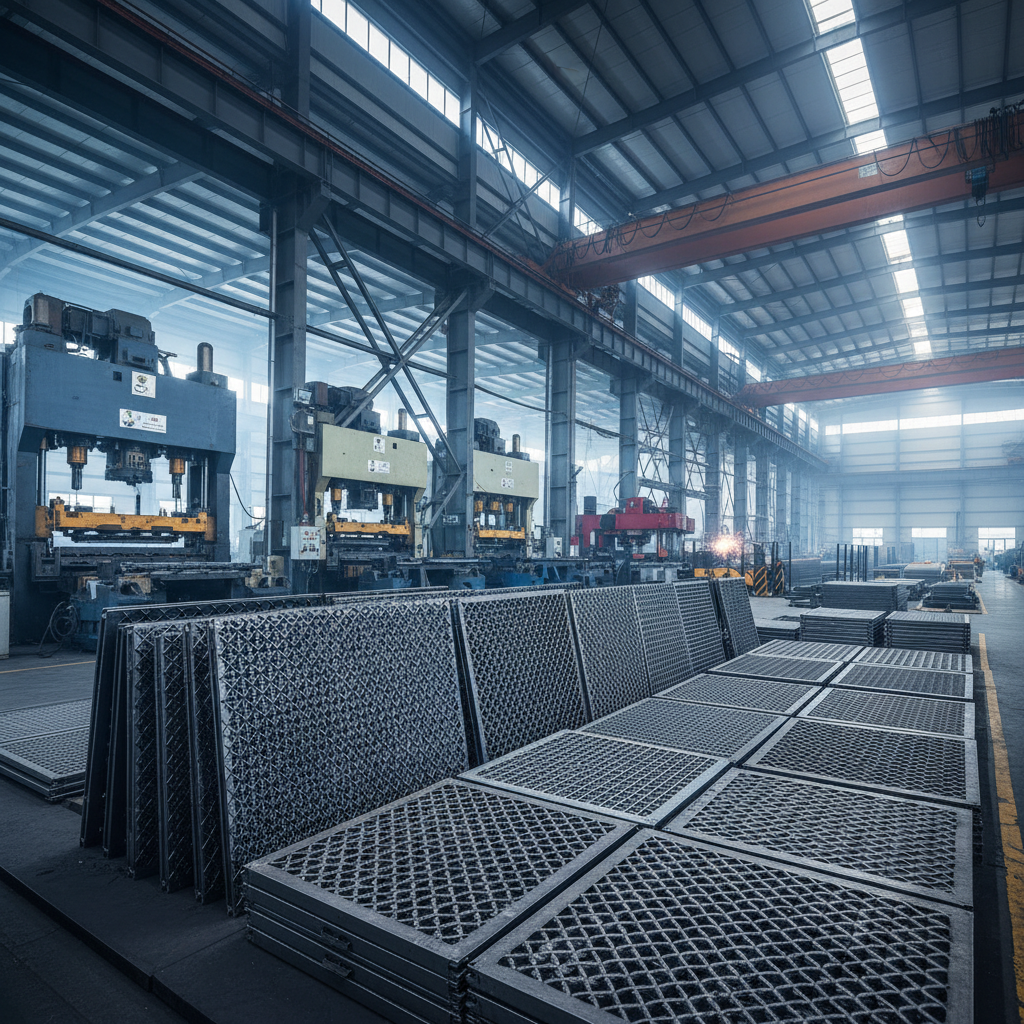
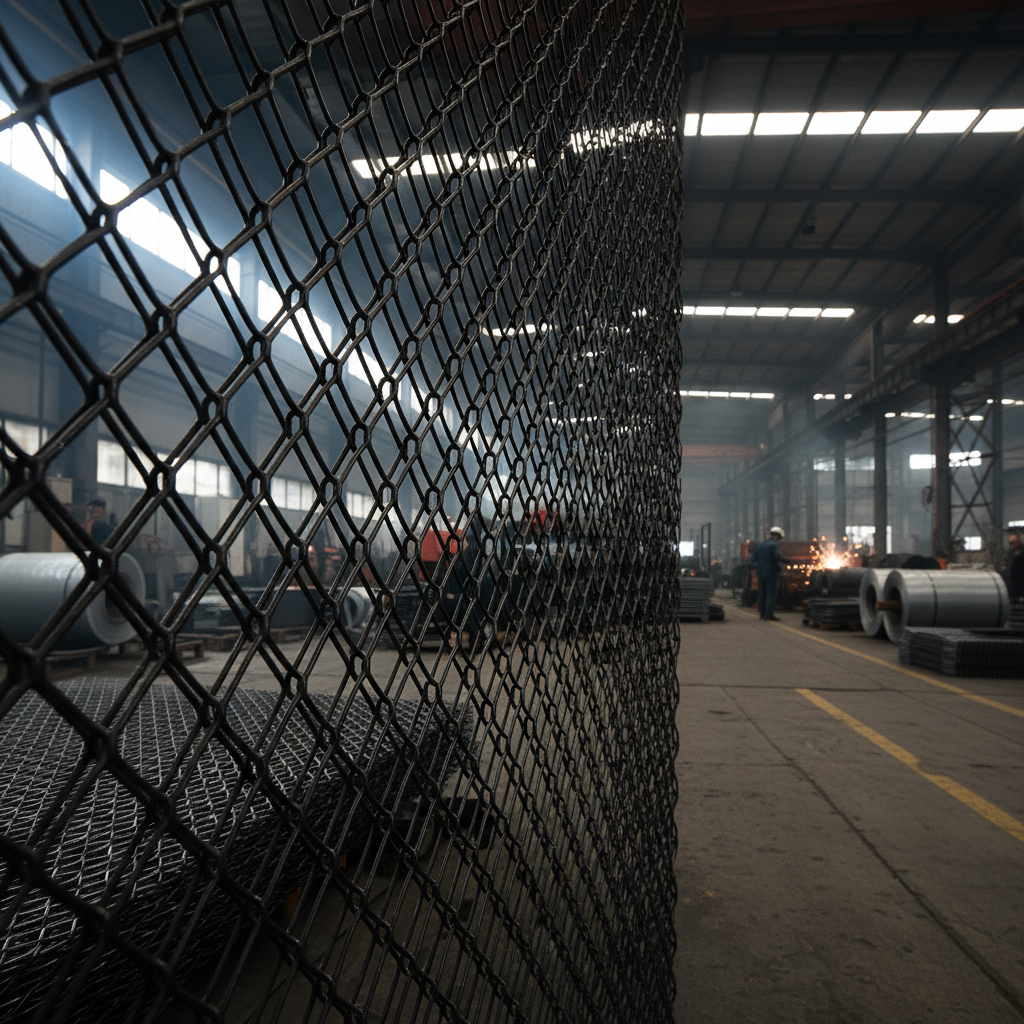
Flat expanded metal sheet is a versatile material playing an increasingly vital role in modern infrastructure and various industrial applications globally. Its unique properties, derived from the slitting and stretching of solid metal, offer a compelling combination of strength, lightweight construction, and cost-effectiveness. From architectural facades to robust flooring and safety barriers, the demand for this material is steadily rising due to its adaptability and performance characteristics. Understanding its nuances is crucial for engineers, architects, and procurement professionals alike.
The global market for expanded metal, including the flat expanded metal sheet variant, is driven by the growth in construction, automotive, and energy sectors. According to recent reports, the expanded metal market is projected to reach significant values in the coming years, driven particularly by infrastructure projects in developing economies. However, challenges such as material price volatility and evolving industry standards necessitate a comprehensive understanding of the material’s specifications and applications. Addressing these challenges will unlock further opportunities for innovation and wider adoption of flat expanded metal sheet.
This material isn’t just about industrial applications; it’s increasingly recognized for its contribution to sustainable building practices. Its open structure allows for light transmission and ventilation, reducing energy consumption in architectural designs. Moreover, its durability minimizes the need for frequent replacements, promoting resource efficiency. As the world moves towards more sustainable solutions, flat expanded metal sheet stands out as a viable and adaptable material.
Introduction to flat expanded metal sheet
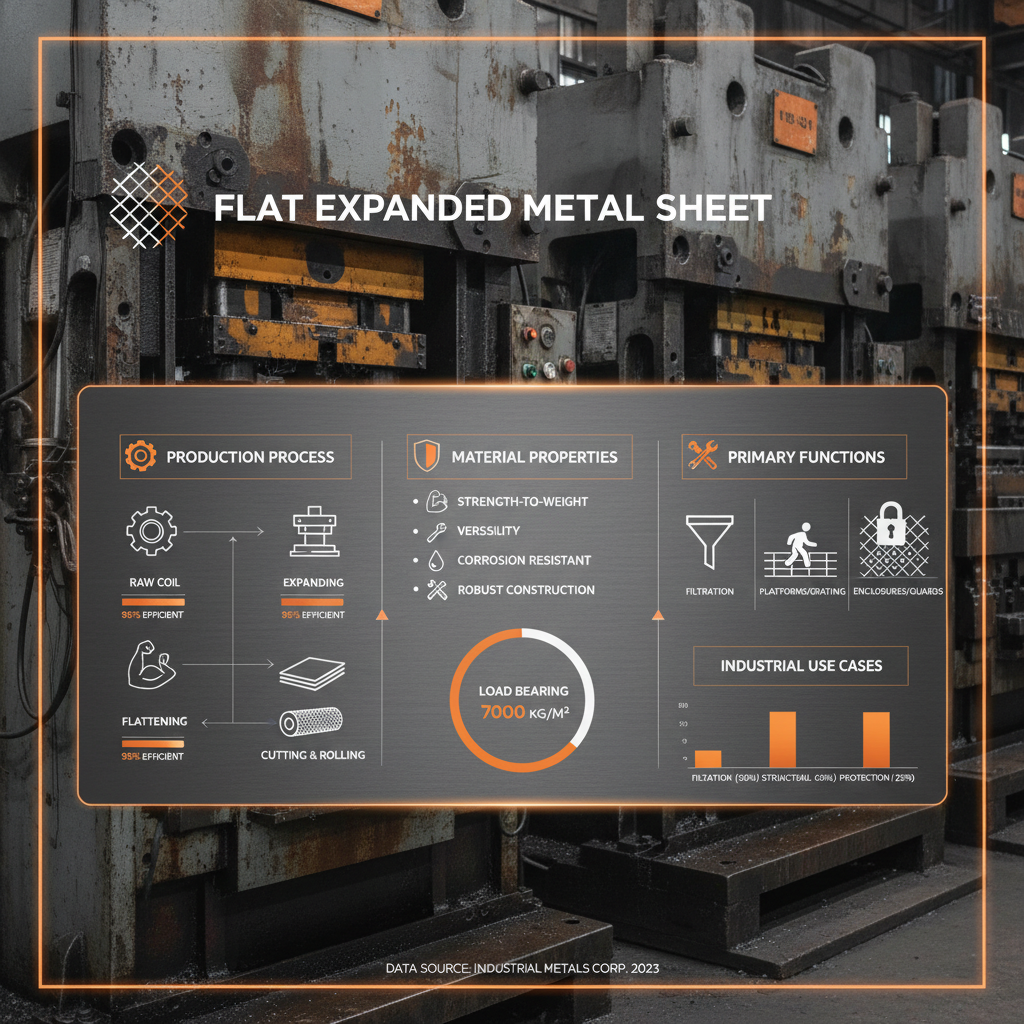
Flat expanded metal sheet is created through a process of slitting and stretching a solid metal sheet, resulting in a mesh-like structure with diamond-shaped openings. This method maintains a high percentage of the original metal’s strength while significantly reducing its weight. The resulting product is highly versatile and is employed in a vast array of industries, offering a robust and cost-effective solution for many engineering and architectural challenges.
Its inherent properties, such as its non-slip surface and excellent ventilation capabilities, make it ideal for applications where safety and airflow are paramount. The production of flat expanded metal sheet typically involves specialized machinery and skilled labor, ensuring consistent quality and precise dimensions. Understanding the manufacturing process is essential for specifying the right material for specific project requirements.
Global Relevance of flat expanded metal sheet
The demand for flat expanded metal sheet is inextricably linked to global economic trends and infrastructural development. Rapid urbanization in emerging economies, particularly in Asia and Africa, is driving significant demand for construction materials, including expanded metal for flooring, facades, and security applications. The United Nations estimates that over 68% of the world’s population will live in urban areas by 2050, further amplifying this demand.
Moreover, the automotive industry's increasing focus on lightweighting to improve fuel efficiency is boosting the use of expanded metal in vehicle components. The World Bank’s reports highlight the importance of resilient infrastructure, where flat expanded metal sheet serves as a durable and cost-effective material for bridges, walkways, and protective structures. However, supply chain disruptions and fluctuating raw material costs pose ongoing challenges to the industry.
Addressing the growing need for sustainable building materials also positions flat expanded metal sheet favorably. Its inherent recyclability and longevity contribute to reduced waste and lower life-cycle costs, aligning with global efforts to promote green construction practices as defined by ISO 14001 standards. The increasing emphasis on sustainability is expected to further bolster demand in the coming years.
Defining flat expanded metal sheet
Flat expanded metal sheet is a solid metal sheet that has been slit and stretched to form a regularly patterned mesh. Unlike woven wire mesh, it’s made from a single piece of metal, retaining a significant portion of its original strength and rigidity. This unique characteristic distinguishes it from other metal grating options and makes it suitable for demanding applications where structural integrity is critical.
Its connection to modern industry stems from its ability to provide a strong, lightweight, and non-slip surface. This has proven invaluable in areas like flooring for industrial plants, stair treads, and walkways. In humanitarian contexts, flat expanded metal sheet is used for creating temporary shelters and providing durable flooring in disaster relief efforts – a practical solution where speed and resilience are essential.
The material's versatility extends beyond structural applications, finding use in architectural features, sound dampening, and even electromagnetic shielding. Its inherent properties and relatively low cost make it a compelling choice across a broad spectrum of industries and needs. The ease of customization in terms of mesh size, metal type, and finish further contributes to its widespread applicability.
Core Components of flat expanded metal sheet
One key aspect of flat expanded metal sheet is its durability. The slitting and stretching process work hardens the metal, increasing its resistance to wear and tear. This inherent toughness allows it to withstand heavy loads and harsh environmental conditions, ensuring a long service life and minimizing maintenance requirements.
Another vital component is its scalability. Flat expanded metal sheet can be produced in a wide range of sizes and configurations, catering to diverse project requirements. From small, custom-cut pieces to large sheets covering extensive areas, the material’s adaptability makes it suitable for both small-scale and large-scale applications.
Flat Expanded Metal Sheet Performance Metrics
Global Applications of flat expanded metal sheet
In the construction industry, flat expanded metal sheet is widely utilized for flooring, stair treads, and walkway gratings, offering a safe and durable surface. Architects incorporate it into building facades for aesthetic appeal and sun shading, particularly in hot climates. In post-disaster relief operations, it provides a quick and robust solution for creating temporary shelters and flooring in affected areas.
The automotive sector leverages its lightweight properties in components like radiator grills and protective panels. In remote industrial zones, it’s commonly used for creating secure fencing and protective cages around machinery. Furthermore, the energy sector employs it in the construction of platforms and walkways for power plants and wind farms.
Advantages of flat expanded metal sheet
The most tangible benefit of utilizing flat expanded metal sheet is its cost-effectiveness. Compared to other grating materials like solid steel or aluminum, expanded metal often provides a more affordable solution without compromising on strength or durability. This makes it particularly appealing for large-scale projects with budget constraints.
From a sustainability standpoint, flat expanded metal sheet boasts a long lifespan and is readily recyclable. This minimizes waste and reduces the environmental impact compared to materials requiring frequent replacements. Its inherent safety features, such as the non-slip surface, contribute to a safer working environment, fostering trust and improving worker well-being.
Future Trends in flat expanded metal sheet
Innovations in metal alloys are leading to the development of expanded metal sheets with enhanced corrosion resistance and increased strength-to-weight ratios. Digital transformation is optimizing the manufacturing process, enabling greater precision and customization. Automation in production lines reduces costs and improves efficiency, driving down material prices.
The integration of smart sensors into expanded metal structures is emerging as a promising trend, enabling real-time monitoring of structural integrity and load distribution. This allows for proactive maintenance and extends the lifespan of the material. Furthermore, the use of recycled metals in the manufacturing process is gaining traction, aligning with the growing emphasis on circular economy principles.
Challenges and Solutions
A common challenge associated with flat expanded metal sheet is its susceptibility to corrosion, particularly in harsh environments. However, advancements in surface treatments, such as galvanizing and powder coating, provide effective protection against rust and corrosion, extending the material’s service life. Another limitation is the potential for deflection under heavy loads, requiring careful engineering design to ensure structural stability.
To address this, employing higher-grade metal alloys and optimizing the expansion ratio during manufacturing can significantly improve load-bearing capacity. Furthermore, the lack of standardized quality control procedures across different manufacturers can lead to inconsistencies in product performance. Implementing rigorous testing and certification processes can help ensure consistent quality and build trust among end-users.
Table Summarizing Flat Expanded Metal Sheet Challenges and Solutions
| Challenge |
Impact Area |
Solution Strategy |
Implementation Cost (1-10) |
| Corrosion |
Durability & Maintenance |
Galvanizing, Powder Coating |
6 |
| Load Deflection |
Structural Integrity |
Higher Grade Alloys, Optimized Expansion |
7 |
| Quality Control |
Product Consistency |
Rigorous Testing & Certification |
8 |
| Material Cost |
Project Budget |
Optimized Manufacturing Processes |
5 |
| Supply Chain Disruptions |
Project Timelines |
Diversified Sourcing |
4 |
| Limited Customization |
Design Flexibility |
Investment in Advanced Manufacturing |
9 |
FAQS
Flat expanded metal sheet offers several advantages over traditional grating. It’s typically lighter, retaining a high strength-to-weight ratio due to its one-piece construction. It also provides a non-slip surface, enhancing safety, and allows for better airflow and light transmission. Furthermore, it often proves more cost-effective, particularly for larger projects, and is easier to fabricate into custom shapes compared to welded grating. This makes it ideal for diverse applications where weight, safety, and cost are critical factors.
The expansion ratio, which is the ratio of the open space to the solid metal, significantly impacts the sheet's properties. A higher expansion ratio results in a lighter sheet with increased airflow and light transmission, but it also reduces the load-bearing capacity. Conversely, a lower expansion ratio provides greater strength but diminishes the open area. Selecting the appropriate expansion ratio is crucial and depends on the specific application's requirements, balancing strength, weight, and permeability.
Common metals used in the production of flat expanded metal sheet include carbon steel, stainless steel, aluminum, and galvanized steel. Carbon steel is often chosen for its cost-effectiveness and strength, while stainless steel provides excellent corrosion resistance. Aluminum is valued for its lightweight properties and is suitable for applications where weight is a critical concern. Galvanized steel offers a balance between cost and corrosion protection.
Several surface treatments can enhance the durability of flat expanded metal sheet. Galvanizing provides a zinc coating that protects against corrosion. Powder coating applies a polymer coating for enhanced corrosion resistance and aesthetic appeal. Painting is another option, offering a range of colors and protective layers. Furthermore, specialized coatings like epoxy can provide superior resistance to harsh chemicals and environments.
Yes, flat expanded metal sheet can be suitable for outdoor applications, but the appropriate metal type and surface treatment are crucial. Stainless steel is highly recommended for harsh environments, while galvanized or powder-coated carbon steel can provide adequate protection in less severe conditions. Regular maintenance, such as cleaning and re-coating, may be necessary to prolong the material's lifespan and prevent corrosion in exposed outdoor settings.
Lead times for custom orders of flat expanded metal sheet vary depending on the quantity, material, and complexity of the order. Generally, standard orders can be fulfilled within 2-4 weeks, while more complex or large-volume orders may require 6-8 weeks or longer. It’s always best to consult with the manufacturer to obtain an accurate lead time based on your specific requirements. Factors like material availability and current production schedules can also influence delivery times.
Conclusion
In conclusion, flat expanded metal sheet stands as a remarkably versatile and adaptable material with a broad range of applications across diverse industries. Its inherent strengths – durability, scalability, cost-effectiveness, and sustainability – position it as a key component in modern infrastructure and manufacturing. Understanding its properties, applications, and future trends is essential for professionals seeking efficient, resilient, and environmentally responsible solutions.
Looking ahead, continued innovation in materials science and manufacturing processes will further enhance the capabilities of flat expanded metal sheet. Embracing advanced technologies and sustainable practices will unlock new opportunities for its wider adoption, contributing to a more resilient and resource-efficient future. For more information and to explore our range of flat expanded metal sheet products, visit our website: www.ztwiremesh.com.