Mesh expanded metal is a versatile material used across a vast spectrum of industries, from construction and infrastructure to automotive and security. Its unique properties—strength, durability, and open structure—make it ideally suited for applications requiring both load-bearing capacity and the passage of light, air, or sound. Understanding the intricacies of mesh expanded metal production, its various forms, and its growing applications is crucial for engineers, architects, and manufacturers seeking innovative and cost-effective solutions.
Globally, the demand for mesh expanded metal is steadily increasing, driven by rapid urbanization, infrastructure development in emerging economies, and a growing focus on safety and security. The material's lightweight nature contributes to reduced transportation costs and easier installation, factors particularly relevant in large-scale projects. Furthermore, its recyclability aligns with global sustainability goals, promoting responsible resource management.
The importance of understanding mesh expanded metal extends beyond its immediate applications. It offers solutions to challenges like efficient ventilation, robust structural support, and secure enclosures – areas where traditional materials often fall short. Proper knowledge of its manufacturing processes and material properties enables optimal design and utilization, maximizing performance and minimizing costs.
Introduction to mesh expanded metal
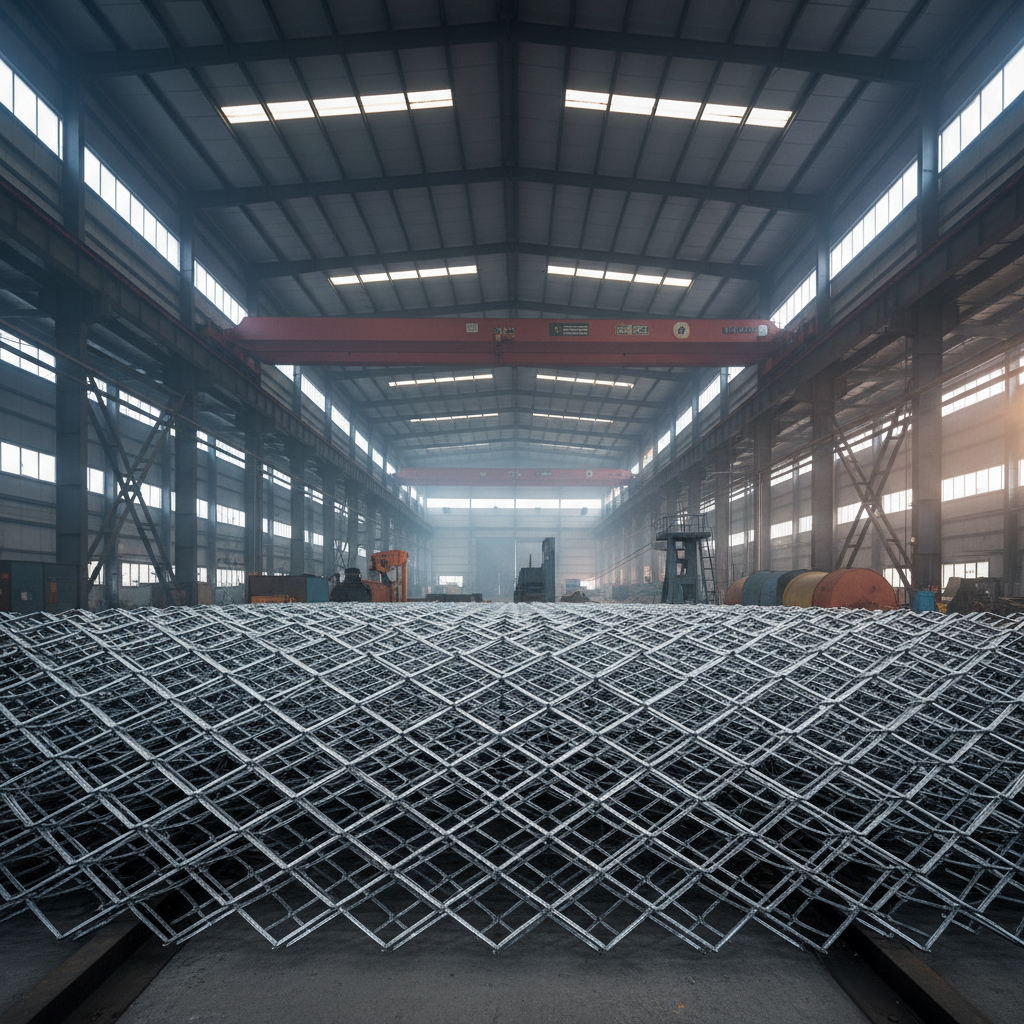
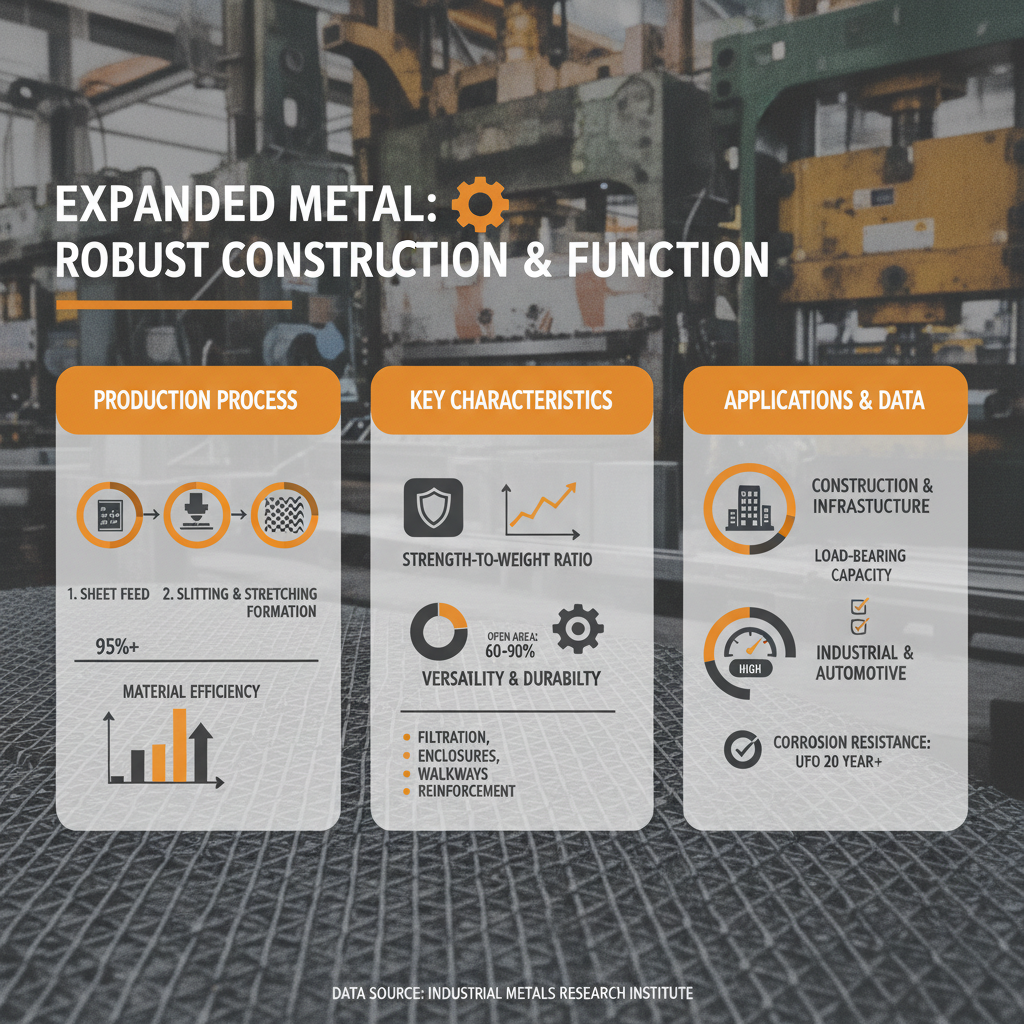
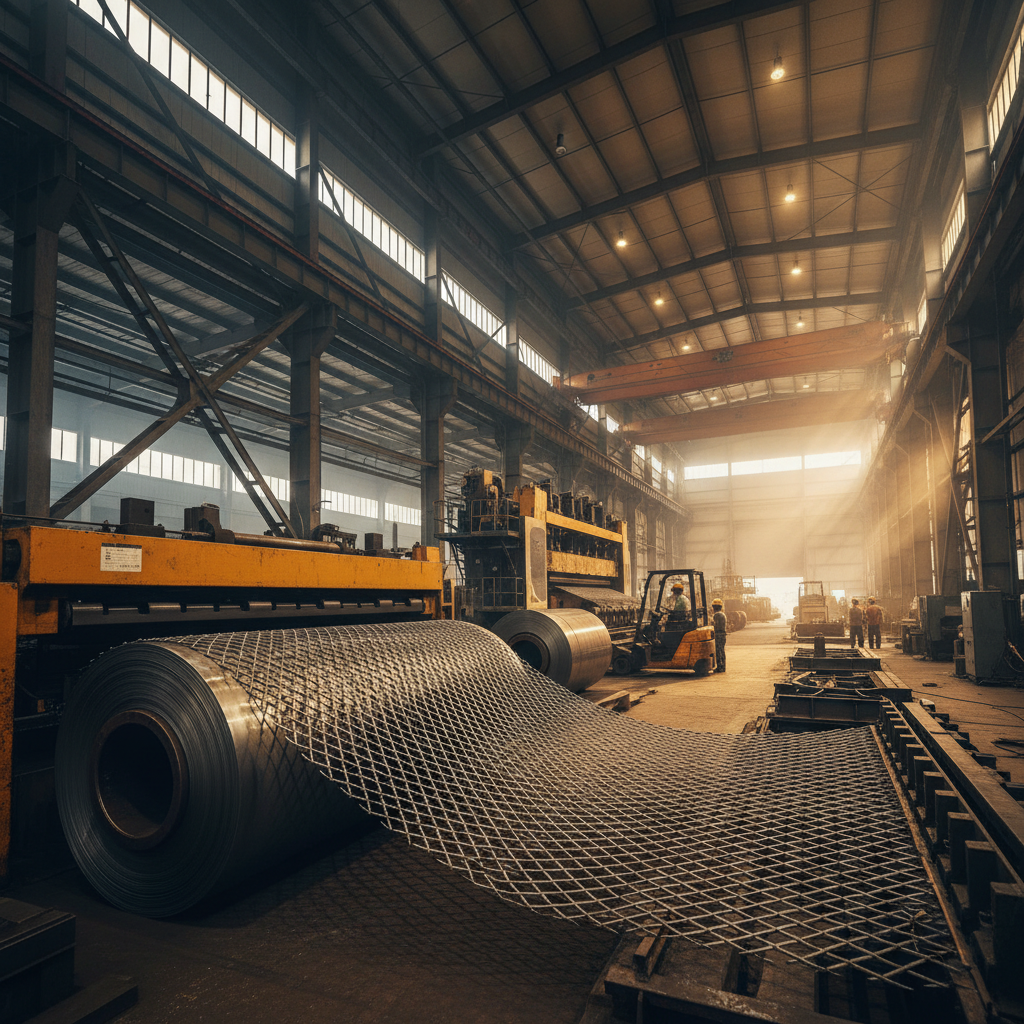
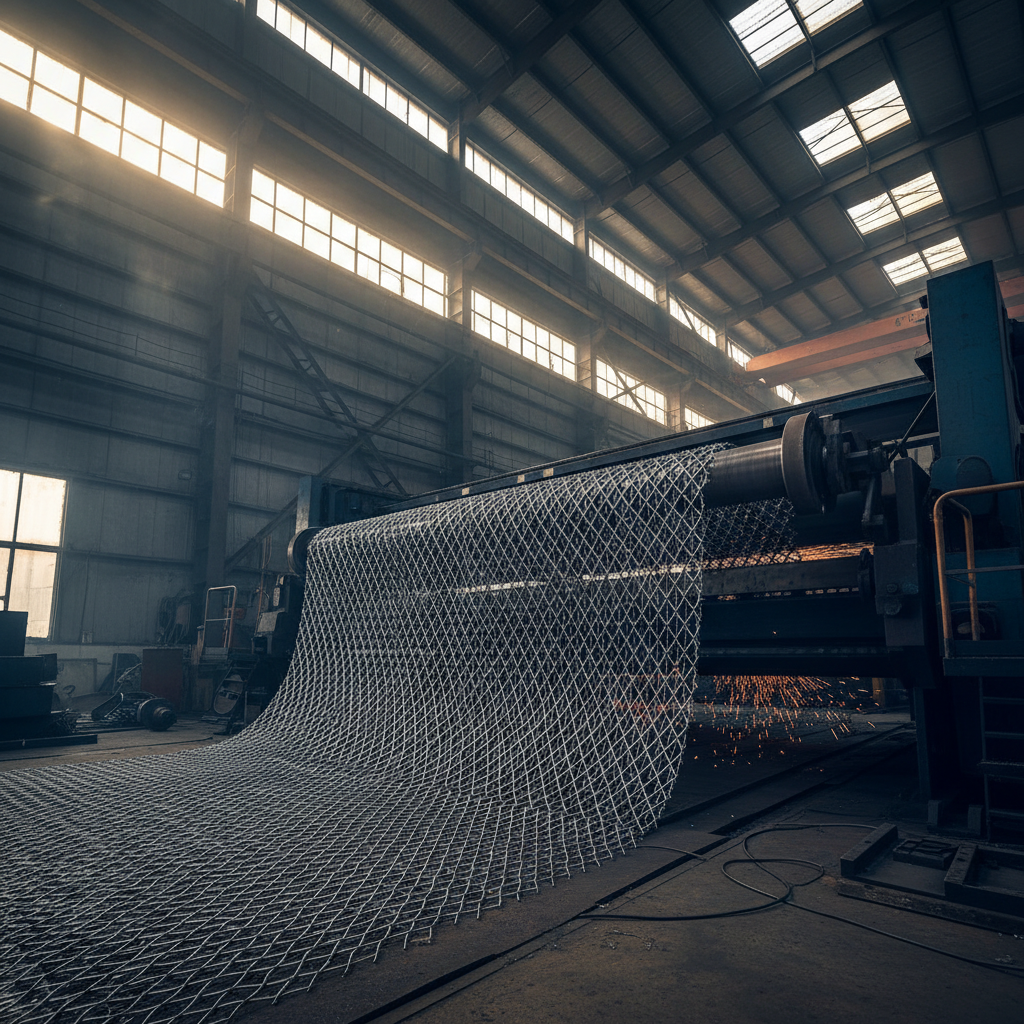
Mesh expanded metal is created by slitting and stretching sheet metal, resulting in a rigid, open-grid material. This process preserves the original metal’s strength while creating a lightweight structure with excellent drainage and ventilation characteristics. It’s a versatile alternative to perforated metal or woven wire mesh, offering unique advantages in applications requiring structural integrity and permeability.
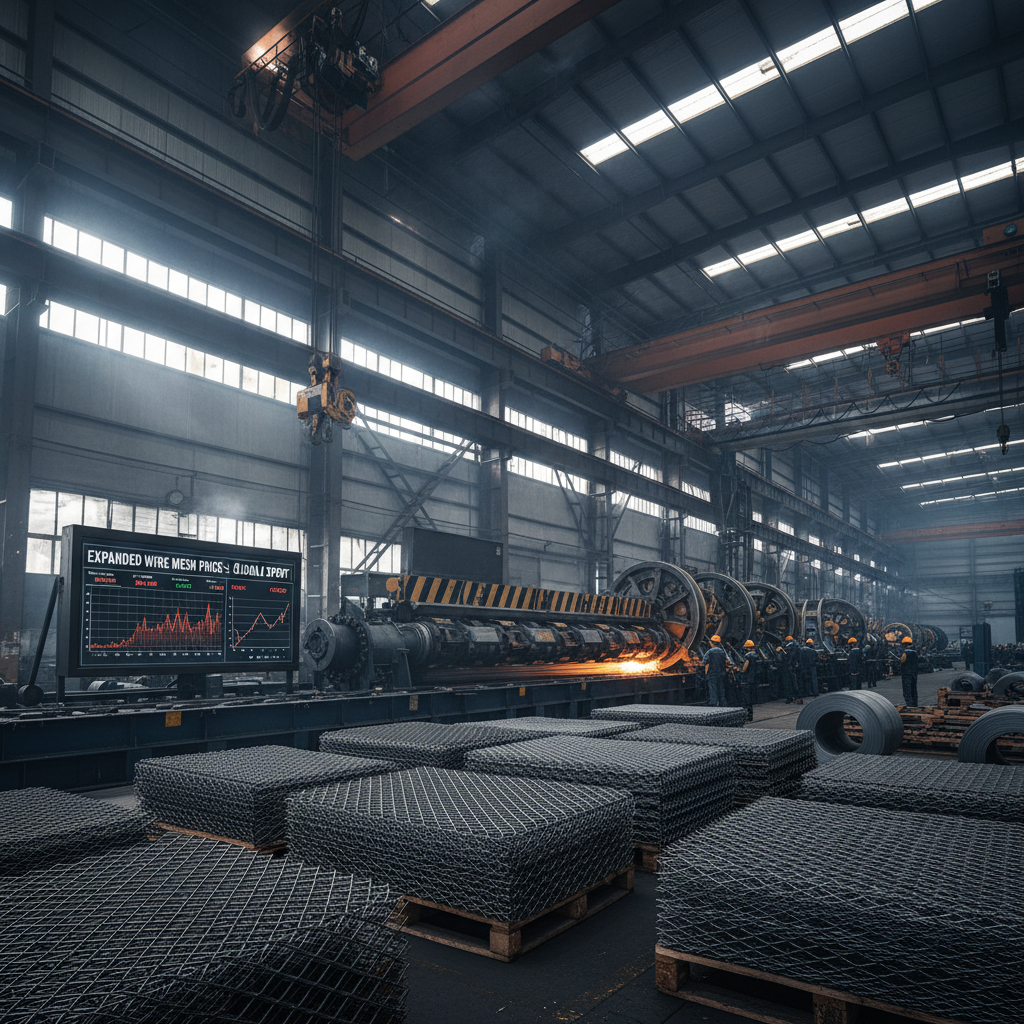
The production of mesh expanded metal often involves automated machinery to ensure precision and efficiency. Different metals—including steel, aluminum, and stainless steel—can be utilized to tailor the material's properties to specific application requirements. The choice of metal significantly impacts corrosion resistance, strength, and overall cost-effectiveness.
Global Relevance & Industry Context
The global expanded metal market is projected to reach substantial growth in the coming years, fueled by increasing demand from construction, automotive, and industrial sectors. According to industry reports, the Asia-Pacific region currently dominates the market, owing to rapid infrastructure development in countries like China and India. North America and Europe also represent significant markets, driven by stringent safety regulations and demand for high-quality materials.
A key challenge addressed by mesh expanded metal is the need for robust, yet lightweight materials in applications such as flooring, walkways, and safety barriers. Traditional materials often require significant structural support, adding to project costs and complexity. Mesh expanded metal provides a cost-effective and efficient solution by offering a high strength-to-weight ratio.
Furthermore, the increasing focus on sustainable building practices is driving the adoption of mesh expanded metal due to its recyclability and potential for reducing material waste. Its ability to facilitate natural ventilation also contributes to energy efficiency in buildings, aligning with global efforts to reduce carbon emissions.
Defining mesh expanded metal
Simply put, mesh expanded metal is a solid metal sheet that has been slit and stretched, creating a diamond, hexagonal, or other patterned mesh-like structure. Unlike woven wire mesh, it’s created from a single piece of metal, eliminating the risk of unraveling or joint failures. This inherent structural integrity makes it ideal for demanding applications where safety and reliability are paramount.
The connection between mesh expanded metal and modern industry lies in its adaptability and cost-effectiveness. It serves as a foundational component in numerous manufacturing processes, offering a versatile alternative to more expensive or less durable materials. Its widespread use speaks to its practicality and performance characteristics, making it an essential element in various industrial applications.
In humanitarian contexts, mesh expanded metal can play a crucial role in providing temporary shelters, creating secure enclosures, and constructing essential infrastructure in disaster-stricken areas. Its ease of transport and rapid deployment capabilities make it a valuable asset in emergency response situations, offering a durable and safe solution for those in need.
Core Components & Key Factors
One crucial aspect of mesh expanded metal is its durability. The stretching process work-hardens the metal, increasing its tensile strength and resistance to deformation. This inherent toughness makes it suitable for applications requiring long-term performance and minimal maintenance.
Scalability is another key factor. Mesh expanded metal can be produced in a wide range of sheet sizes and thicknesses, allowing for customized solutions tailored to specific project requirements. This versatility makes it adaptable to both small-scale and large-scale applications.
Performance Metrics of Different mesh expanded metal Types
Global Applications & Use Cases
In post-disaster relief operations, mesh expanded metal is frequently used to create temporary shelters, secure perimeters, and construct makeshift medical facilities. Its quick deployment and robust construction provide essential support to affected communities. In remote industrial zones, it's employed for constructing walkways, platforms, and safety guarding around heavy machinery.
Across Europe, mesh expanded metal finds widespread application in architectural facades, providing both aesthetic appeal and functional benefits like shading and ventilation. In North America, it's commonly used in the construction of airport runways, providing a durable and skid-resistant surface.
Advantages & Long-Term Value
The cost-effectiveness of mesh expanded metal is a significant advantage, often proving cheaper than alternative materials like solid metal plates or complex woven structures. Its inherent durability translates to reduced maintenance costs and a longer lifespan, further enhancing its long-term value.
From a sustainability perspective, mesh expanded metal is highly recyclable, minimizing environmental impact. The open structure promotes natural ventilation, reducing energy consumption in buildings and contributing to a more eco-friendly design. Its robust construction ensures safety and security, providing peace of mind and protecting valuable assets.
Future Trends & Innovations
Emerging trends include the development of high-strength, lightweight alloys for mesh expanded metal production, enabling even greater efficiency and performance. Automation and advanced manufacturing techniques are also streamlining the production process, reducing costs and improving precision.
The integration of mesh expanded metal with smart materials and sensors opens up new possibilities for applications in areas like structural health monitoring and energy harvesting. Furthermore, advancements in coating technologies are enhancing corrosion resistance and extending the lifespan of mesh expanded metal in harsh environments.
Challenges & Solutions
A common challenge with mesh expanded metal is potential corrosion, particularly in coastal or industrial environments. However, this can be effectively addressed through the use of corrosion-resistant alloys, protective coatings (like galvanization or powder coating), and regular maintenance.
Another limitation can be the limited design flexibility compared to certain other materials. However, advancements in manufacturing techniques and the ability to create custom patterns are expanding design possibilities. Using specialized software to simulate and optimize designs can overcome this challenge.
The increasing cost of raw materials is a recurring issue. Solutions involve exploring alternative sourcing options, optimizing material usage during production, and promoting recycling initiatives to reduce reliance on virgin materials.
Summary of Mesh Expanded Metal Challenges and Solutions
| Challenge |
Impact on Performance |
Potential Solution |
Implementation Cost (1-10) |
| Corrosion |
Reduced structural integrity, lifespan |
Corrosion-resistant alloys, coatings |
6 |
| Design Limitations |
Restricted aesthetic and functional options |
Custom pattern design, advanced manufacturing |
7 |
| Raw Material Cost |
Increased production expenses |
Alternative sourcing, material optimization |
5 |
| Load Distribution |
Uneven stress points, potential failure |
Finite element analysis (FEA), structural reinforcement |
8 |
| Surface Roughness |
Potential for snagging, safety hazards |
Deburring, polishing, surface treatments |
4 |
| Manufacturing Defects |
Weakened structural integrity |
Quality control procedures, non-destructive testing |
6 |
FAQS
Mesh expanded metal is widely used in construction for flooring, walkways, stair treads, safety railings, and facade cladding. Its open grid design provides excellent drainage and ventilation, while its strength and durability ensure long-lasting performance. It also offers a cost-effective alternative to solid metal plates, reducing material costs and installation time.
The choice of metal significantly impacts the properties of mesh expanded metal. Steel offers high strength and affordability, but is susceptible to corrosion. Aluminum provides lightweight construction and good corrosion resistance, but has lower strength. Stainless steel offers excellent corrosion resistance and strength, making it ideal for harsh environments, but is more expensive.
Mesh expanded metal is generally stronger and more durable than perforated metal because it’s created from a single sheet without weld points. It also offers a more open area, improving ventilation and drainage. Perforated metal can be more cost-effective for certain applications, but it lacks the structural integrity of expanded metal.
Yes, mesh expanded metal is suitable for outdoor applications, but the choice of material is crucial. Galvanized steel or stainless steel are recommended for environments exposed to moisture and corrosive elements. Regular maintenance and protective coatings can further enhance its longevity and performance in outdoor settings.
Mesh expanded metal is manufactured by slitting and stretching a metal sheet using specialized machinery. Quality control measures typically include material inspection, dimensional checks, and load testing to ensure adherence to industry standards and customer specifications. Non-destructive testing methods are also employed to identify potential defects.
Yes, mesh expanded metal can be highly customized. Manufacturers can adjust the slit spacing, strand width, and sheet thickness to create different patterns and dimensions to meet specific project requirements. Custom designs are often created using CAD software and produced using precision machining techniques.
Conclusion
In conclusion, mesh expanded metal offers a compelling combination of strength, durability, versatility, and cost-effectiveness. Its wide range of applications, from construction and infrastructure to security and disaster relief, demonstrates its importance in addressing a variety of global challenges. By understanding its core properties, manufacturing processes, and potential limitations, engineers and designers can effectively leverage this material to create innovative and sustainable solutions.
Looking ahead, continued advancements in materials science and manufacturing techniques will further enhance the performance and broaden the applications of mesh expanded metal. Investing in research and development, promoting recycling initiatives, and embracing sustainable practices will be crucial for maximizing its long-term value and minimizing its environmental impact. For more information and to explore our range of mesh expanded metal products, visit our website: www.ztwiremesh.com.