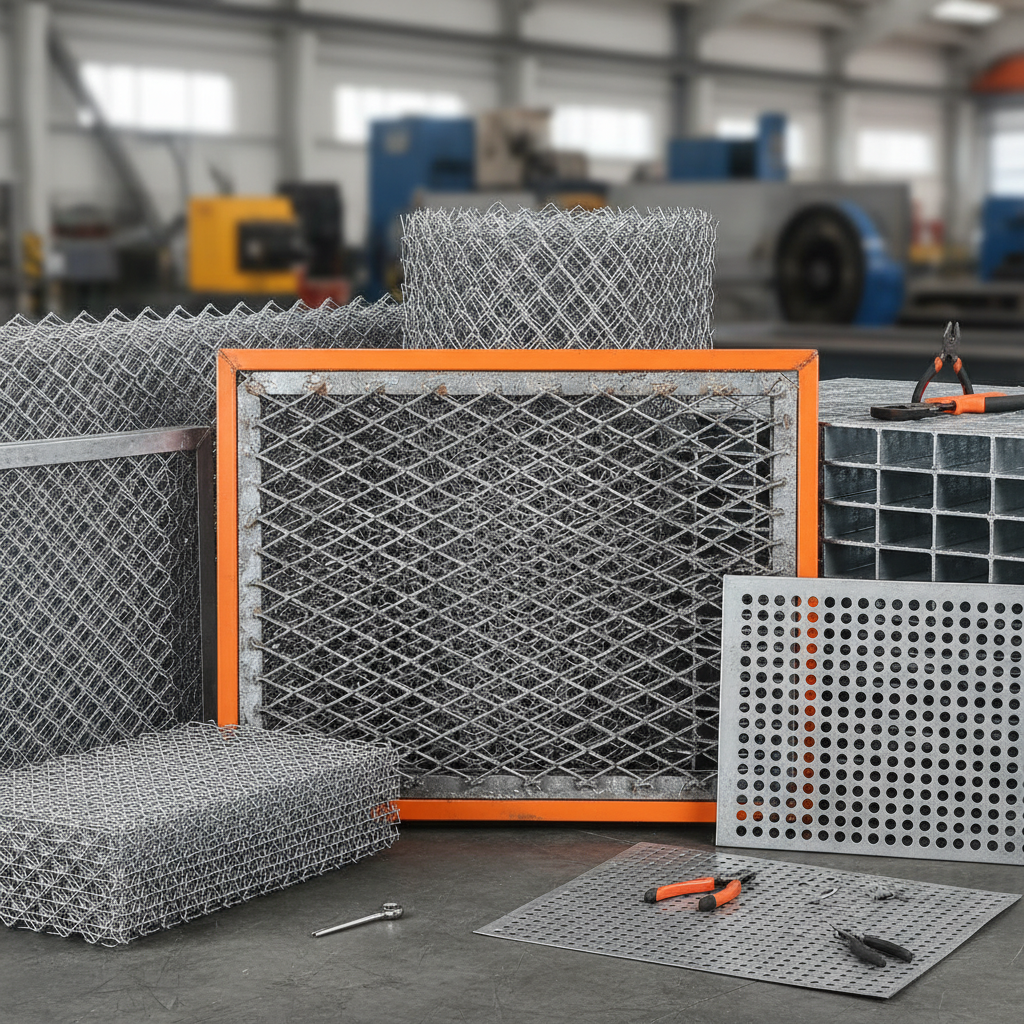
Expanded metal square mesh is a versatile material increasingly critical across numerous industries globally. Its unique properties—strength, lightweight nature, and permeability—make it ideal for applications ranging from architectural facades and security fencing to industrial flooring and filtration systems. Understanding its characteristics and applications is vital for engineers, architects, and procurement professionals seeking durable and cost-effective solutions.
The demand for expanded metal square mesh is driven by global infrastructure development, growing security concerns, and the need for sustainable materials. As urbanization continues and industries seek innovative solutions, the market for this material is expected to grow steadily. Manufacturers are continually refining production techniques and exploring new alloys to enhance performance and expand the range of possible applications.
From bolstering safety in hazardous environments to contributing to aesthetically pleasing designs, expanded metal square mesh offers a unique blend of functionality and versatility. Its adaptability and robust performance are key factors in its rising prominence in modern construction, manufacturing, and beyond.
Introduction to expanded metal square mesh
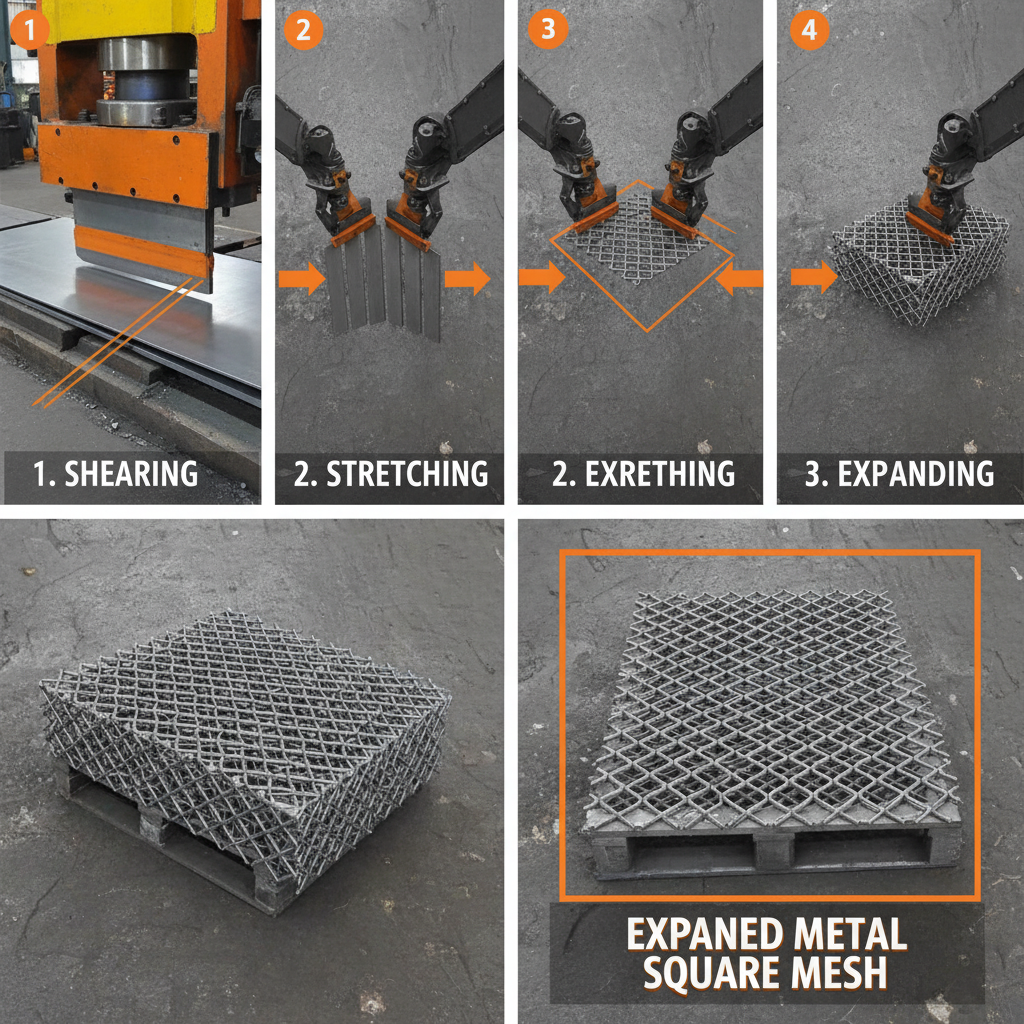
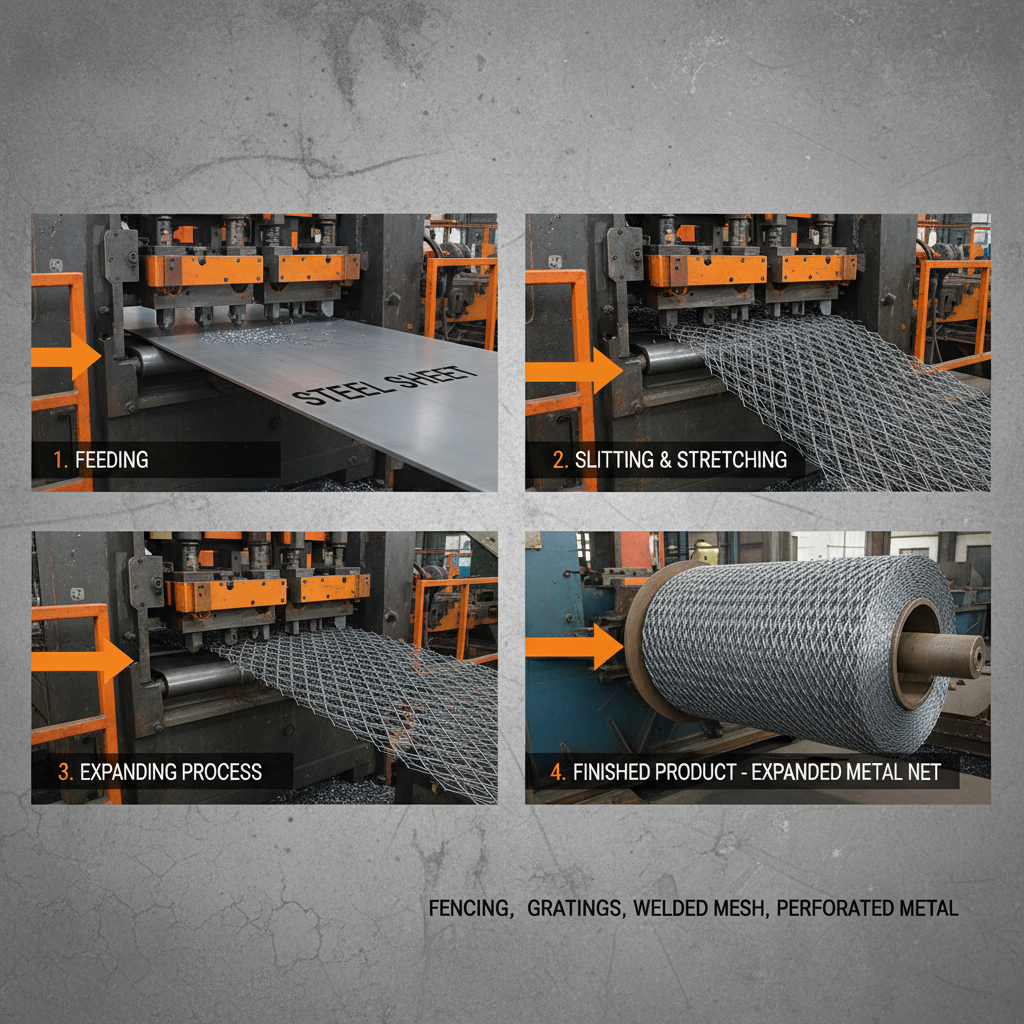
Expanded metal square mesh is created by slitting and stretching a metal sheet, resulting in a rigid, open grid with diamond-shaped openings. This process maintains a high proportion of the original metal, leading to significant cost savings compared to materials requiring extensive cutting or machining. The resulting mesh offers exceptional strength-to-weight ratio and is available in a variety of materials, including steel, aluminum, and stainless steel.
The consistent and precise openings inherent in expanded metal square mesh make it ideal for applications requiring airflow, filtration, or security. Its inherent structural integrity ensures long-lasting performance, reducing maintenance costs and replacement frequency. Furthermore, the manufacturing process allows for customization in terms of mesh size, thickness, and sheet dimensions, catering to diverse project requirements.
Global Relevance and Industry Context
The global market for expanded metal is significantly impacted by construction and infrastructure development. According to a report by the World Bank, global infrastructure investment is projected to reach $1 trillion annually by 2025, driving demand for durable and cost-effective building materials like expanded metal square mesh. This demand is particularly strong in rapidly developing economies across Asia, Africa, and Latin America.
Beyond construction, expanded metal square mesh plays a critical role in industrial applications such as flooring, walkways, and safety guards. The ISO 9001 quality management standard is often a prerequisite for suppliers serving these industries, demonstrating a commitment to consistent product quality and reliability. The increased focus on workplace safety regulations further fuels the need for robust and dependable materials.
A significant challenge facing the industry is the fluctuating cost of raw materials, particularly steel and aluminum. Geopolitical factors and supply chain disruptions can impact pricing and availability, necessitating strategic sourcing and inventory management. expanded metal square mesh manufacturers are actively exploring alternative materials and production methods to mitigate these risks.
Defining expanded metal square mesh
Expanded metal square mesh, distinct from woven wire mesh, is created through a solid metal plate undergoing slitting and stretching. This unique process doesn’t involve weaving or welding, maintaining the metal’s integrity and resulting in a single-piece, robust structure. The “square” designation refers to the generally square or rectangular pattern of the openings created during the stretching phase.
This form of metal fabrication aligns directly with modern industrial needs where structural rigidity and material efficiency are paramount. It provides a strong, lightweight alternative to solid metal plates, offering significant weight reduction without compromising strength. This makes it invaluable in applications demanding both durability and minimal mass.
Its connection to humanitarian needs is evident in its use for temporary shelters, emergency flooring, and filtration systems in disaster relief efforts. The speed and ease of installation, coupled with its inherent strength, make it a valuable asset in rapidly deploying essential infrastructure in crisis situations.
Core Components and Key Factors
The durability of expanded metal square mesh stems from the stretching process which work-hardens the metal, increasing its tensile strength. This inherent strength minimizes deformation and extends the material’s lifespan even under harsh conditions. Different metal alloys offer varying levels of corrosion resistance, ensuring suitability for diverse environments.
Scalability is another critical factor. Expanded metal square mesh can be manufactured in large sheets, minimizing joints and seams, leading to quicker installation and reduced maintenance. The process is also easily adaptable to various sheet sizes and mesh patterns, offering flexibility in design and application.
Cost-Benefit Analysis of Expanded Metal Square Mesh Production Methods
Global Applications and Use Cases
In post-disaster relief operations, expanded metal square mesh is rapidly deployed as temporary flooring, creating safe and stable walkways in challenging environments. It’s also used for reinforcing structures and providing security perimeters in affected areas. In remote industrial zones, particularly in mining and oil & gas sectors, it serves as robust flooring for walkways and platforms, reducing the risk of slips and falls.
The architectural industry leverages expanded metal square mesh for innovative facade designs, providing both aesthetic appeal and sun shading. Its lightweight nature reduces structural load, allowing for creative and sustainable building designs. Furthermore, its use in security fencing offers a robust and visually appealing barrier, enhancing perimeter protection.
Advantages and Long-Term Value
The cost-effectiveness of expanded metal square mesh is evident in its efficient use of material – minimizing waste and reducing raw material costs. Its low maintenance requirements, stemming from its inherent durability and corrosion resistance, translate into long-term savings. The open grid design facilitates airflow and light transmission, reducing energy consumption in certain applications.
From a sustainability perspective, the use of recyclable metals in its construction minimizes environmental impact. Its longevity reduces the need for frequent replacements, further contributing to a reduced carbon footprint. The material’s inherent safety features – providing slip resistance and secure barriers – enhance worker safety and reduce liability risks.
Future Trends and Innovations
Ongoing research focuses on developing new alloys and coatings to enhance the corrosion resistance and strength of expanded metal square mesh. Automation in the manufacturing process is streamlining production, reducing costs and improving consistency. The integration of smart materials and sensors into expanded metal structures is opening up possibilities for real-time monitoring of structural integrity and environmental conditions.
The demand for sustainable building materials is driving the exploration of recycled metal sources for expanded metal production. Furthermore, digital design and fabrication techniques are enabling greater customization and precision, allowing for the creation of complex geometric patterns and tailored solutions. expanded metal square mesh manufacturers are increasingly embracing these technologies to meet evolving market demands.
The application of expanded metal square mesh within green energy infrastructure, like solar panel support structures, is an emerging area with significant growth potential. Its ability to withstand harsh weather conditions and provide optimal airflow makes it ideal for these applications.
Challenges & Solutions
A common challenge is the potential for deformation under extreme loads, especially with thinner gauges of metal. Solutions include utilizing higher-strength alloys, increasing the metal thickness, and incorporating reinforcing structures. Another concern is the sharpness of the cut edges, posing a safety risk during handling and installation. Protective coatings and edge treatments can mitigate this issue.
Overview of Solutions to Common Challenges in Expanded Metal Square Mesh Application
| Challenge |
Severity (1-10) |
Proposed Solution |
Implementation Cost (1-10) |
| Edge Sharpness |
7 |
Edge Rolling/Coating |
3 |
| Corrosion in Harsh Environments |
8 |
Protective Coatings (Galvanization, Powder Coating) |
5 |
| Deformation under High Load |
6 |
Increased Metal Thickness/Reinforcement |
6 |
| Material Cost Fluctuations |
9 |
Strategic Sourcing/Alternative Alloys |
4 |
| Installation Complexity |
5 |
Pre-Fabricated Panels/Simplified Fastening Systems |
3 |
| Limited Aesthetic Options |
4 |
Custom Painting/Powder Coating/Integrated Designs |
4 |
FAQS
Expanded metal square mesh offers a superior strength-to-weight ratio compared to solid metal sheets, meaning you get similar strength with less material. This translates to cost savings, easier handling, and reduced structural load. Its open grid design also allows for improved airflow, visibility, and filtration, features not readily available with solid sheets. Furthermore, the manufacturing process minimizes waste, contributing to sustainability.
Mesh size is a critical factor dictating the suitability of expanded metal square mesh for various applications. Smaller mesh sizes provide greater security and support for finer materials, making them ideal for safety guards or filtration. Larger mesh sizes promote airflow and visibility, making them suitable for architectural facades or ventilation systems. The appropriate mesh size depends entirely on the specific requirements of the project.
Common metals include carbon steel, stainless steel, aluminum, and galvanized steel. Carbon steel is a cost-effective option for general-purpose applications, while stainless steel offers superior corrosion resistance for harsh environments. Aluminum provides a lightweight solution ideal for architectural applications, and galvanized steel combines affordability with enhanced corrosion protection. The choice depends on the project’s specific needs and budget.
Yes, expanded metal square mesh is well-suited for outdoor applications, but proper protective measures are essential to prevent corrosion. Galvanization, powder coating, or using corrosion-resistant alloys like stainless steel are common solutions. Regular maintenance, such as cleaning and re-coating, can further extend the material’s lifespan in exposed environments.
Yes, expanded metal square mesh can be cut to size using appropriate tools like plasma cutters or shears. However, modifications can affect the structural integrity, so caution is advised. Welding should be avoided as it can alter the material properties. It’s generally recommended to pre-fabricate the mesh to the required dimensions whenever possible.
Lead times vary depending on the quantity, material, and complexity of the order. Standard sizes and materials are typically available within 1-2 weeks. Custom orders, particularly those requiring specific alloys or intricate patterns, may take 4-8 weeks or longer. It’s always best to contact the manufacturer directly for a precise quote and estimated delivery timeframe.
Conclusion
Expanded metal square mesh offers a compelling combination of strength, versatility, and cost-effectiveness. Its broad range of applications, from industrial flooring and security fencing to architectural facades and disaster relief, underscores its importance in modern construction and manufacturing. By understanding its core properties and the latest innovations in material science and fabrication techniques, professionals can unlock its full potential.
Looking ahead, the continued focus on sustainability and efficiency will drive further demand for expanded metal square mesh. Investing in research and development, exploring alternative materials, and embracing digital fabrication technologies will be crucial for maximizing its long-term value. For further information and to explore our range of expanded metal products, visit our website: www.ztwiremesh.com.