Expanded metal wire is a versatile material gaining increasing prominence in diverse industries globally. From construction and automotive to security and industrial flooring, its unique properties offer cost-effective and durable solutions. Understanding its characteristics, applications, and future trends is crucial for engineers, architects, manufacturers, and anyone involved in material selection and infrastructure development. The demand for robust and lightweight materials is constantly rising, pushing expanded metal wire to the forefront of innovative design and construction.
The global market for expanded metal is experiencing steady growth, driven by infrastructure projects, increasing demand in the construction sector, and a growing awareness of its sustainable advantages. According to industry reports, the market is projected to reach significant value in the coming years, fueled by urbanization and industrial expansion, particularly in emerging economies. This expanding adoption addresses critical needs such as robust security measures and the creation of safe, resilient infrastructure.
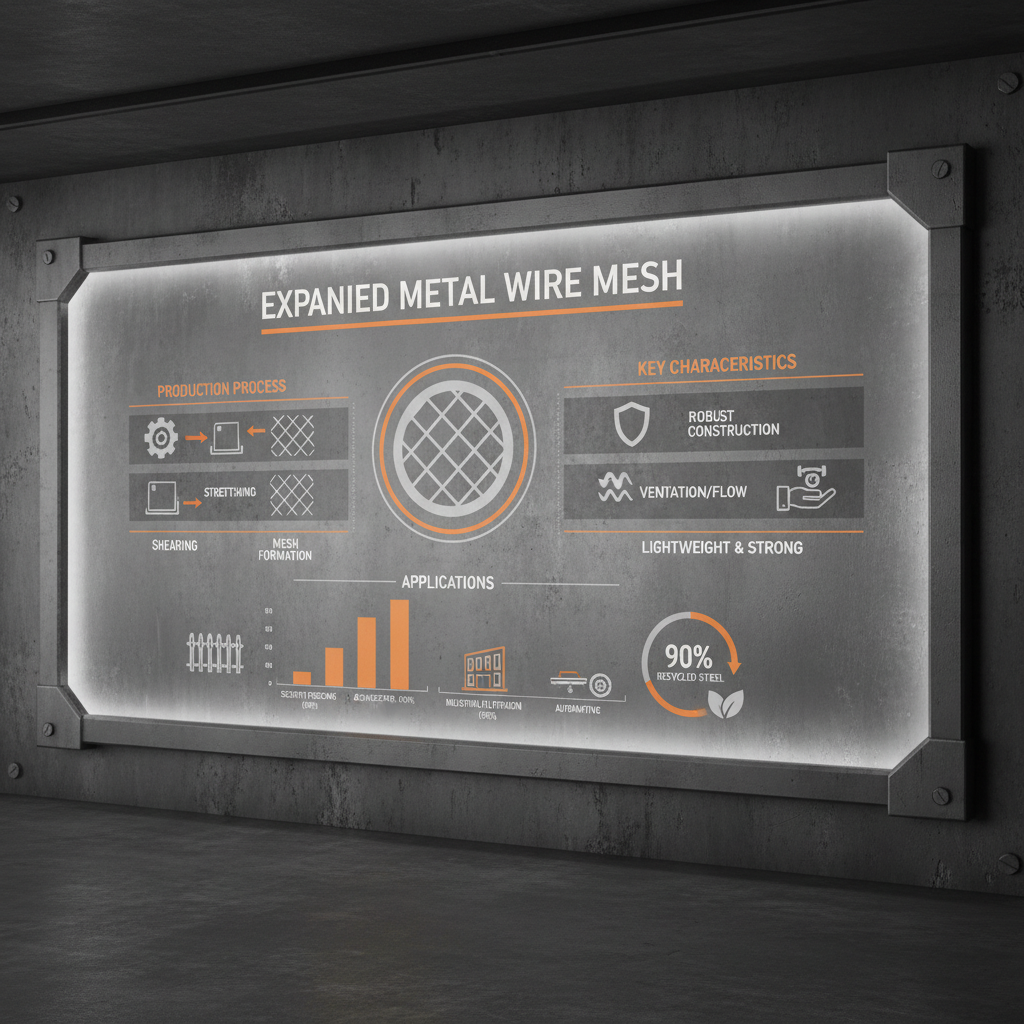
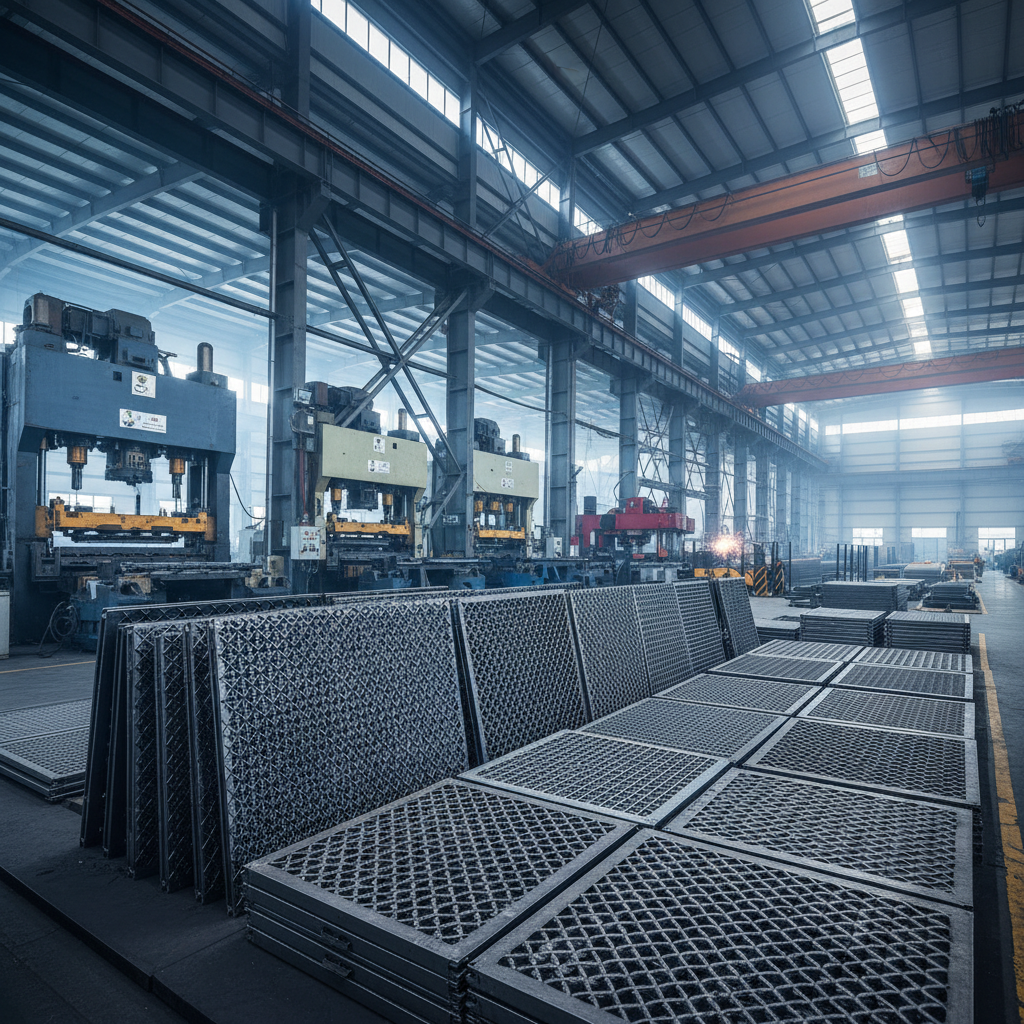
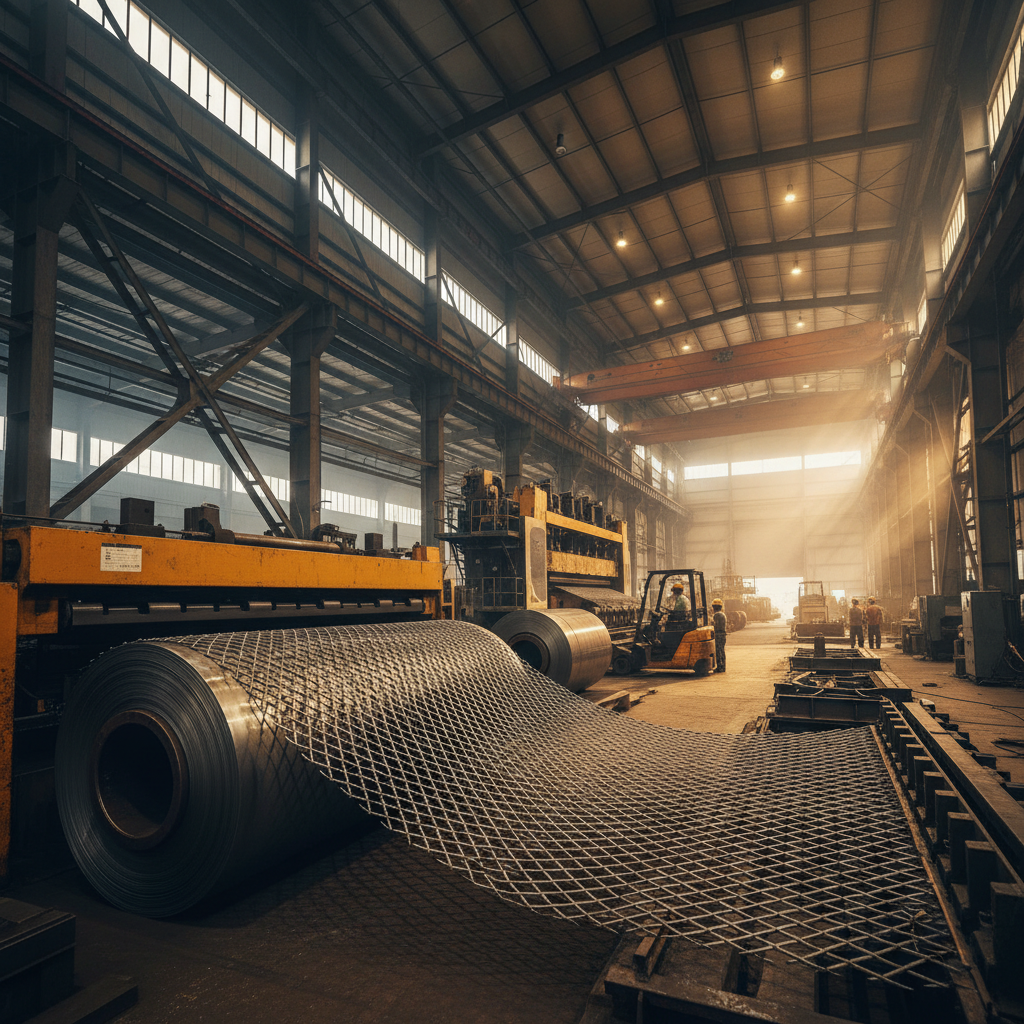
The versatility of expanded metal wire stems from its unique manufacturing process and resulting properties. Unlike woven wire mesh, expanded metal is formed from a single sheet of metal, slit and stretched to create a rigid, open-grid structure. This provides a high strength-to-weight ratio, making it ideal for applications where both durability and lightness are paramount, while also offering unique aesthetic qualities and allowing for airflow.
Introduction to expanded metal wire
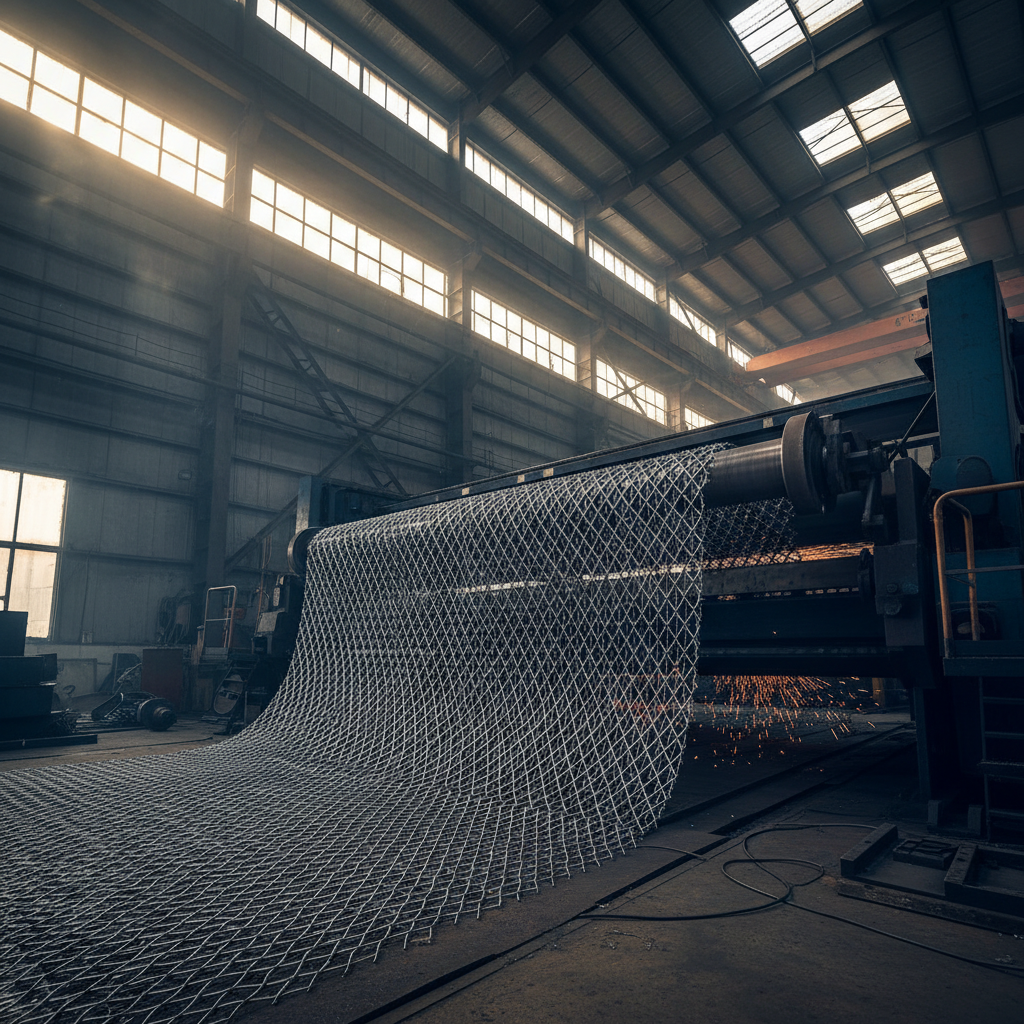
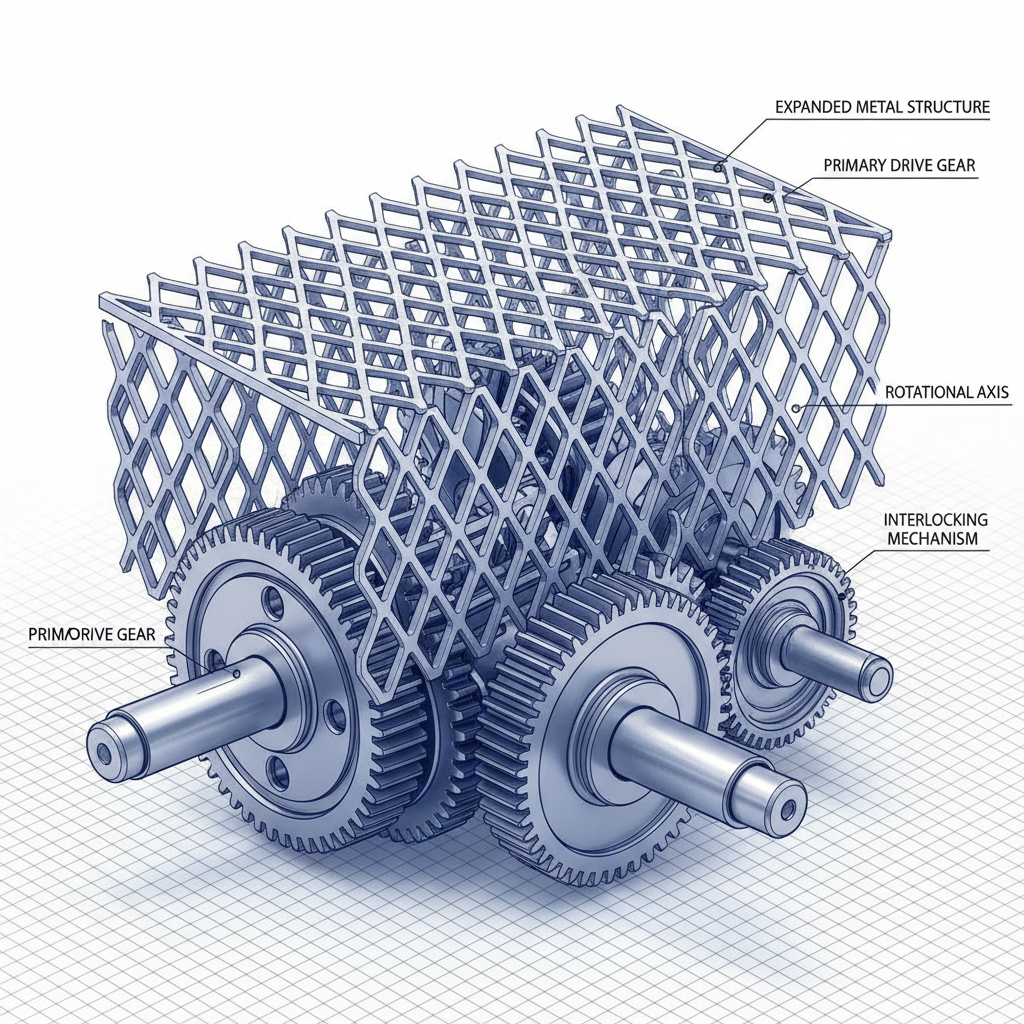
Expanded metal wire is created through a specialized manufacturing process that involves slitting and stretching a metal sheet, resulting in an open mesh-like structure. This process maintains a significant portion of the original metal's strength while simultaneously reducing weight. This inherent strength and lightweight characteristic makes expanded metal a superior alternative in applications where structural integrity and portability are critical.
Its distinctive open-grid pattern provides excellent airflow, visibility, and sound transmission properties. This makes it ideal not only for structural components but also for aesthetic applications like screens, facades, and architectural detailing. The inherent rigidity of expanded metal also contributes to its excellent load-bearing capacity and resistance to deformation.
The Global Relevance of expanded metal wire
The demand for expanded metal wire is intrinsically linked to global infrastructural development and industrial growth. Rapid urbanization, particularly in developing nations, necessitates robust and cost-effective building materials. Expanded metal provides a viable solution for flooring, stair treads, walkways, and security barriers, contributing to the creation of safe and efficient urban spaces. The United Nations has identified sustainable infrastructure as a key component of achieving the Sustainable Development Goals, and expanded metal aligns with these objectives due to its durability and potential for recycling.
Industries like automotive and aerospace increasingly rely on lightweight materials to enhance fuel efficiency and performance. Expanded metal offers an excellent strength-to-weight ratio, making it ideal for components where reducing weight is crucial. The World Bank has consistently highlighted the importance of investing in transportation infrastructure, and expanded metal finds applications in bridge decking, railway platforms, and airport runways, contributing to safer and more efficient transportation networks.
Moreover, the security sector globally utilizes expanded metal wire extensively in the construction of fences, cages, and protective barriers. Heightened security concerns across various regions drive the demand for robust and reliable security solutions, cementing expanded metal's position as a critical material in safeguarding infrastructure and assets. ISO standards related to material testing and performance further emphasize the importance of reliable materials like expanded metal wire in maintaining safety and quality.
Defining expanded metal wire
Expanded metal wire, unlike woven wire mesh, is not created by weaving individual wires together. Instead, it’s manufactured by slitting and stretching a solid metal sheet. This unique process creates a consistent, one-piece construction with interconnected strands, resulting in a material with superior strength and rigidity. The characteristic diamond-shaped openings are a direct result of this stretching process, and the size of these openings can be customized to suit specific application requirements.
This distinctive production method connects expanded metal directly to modern industrial capabilities, allowing for efficient mass production and precise control over material properties. Its inherent structural integrity and resilience make it particularly valuable in scenarios demanding unwavering performance. This contrasts sharply with alternative materials which may require complex fabrication or regular maintenance.
The application of expanded metal wire extends beyond mere construction; it addresses critical humanitarian needs. In disaster relief scenarios, it provides a fast-deployable and robust material for temporary shelters, medical facilities, and infrastructure repair. Its durability ensures resilience in harsh environments, contributing to the stability and safety of affected communities.
Key Properties of expanded metal wire
One of the most significant properties of expanded metal wire is its exceptional durability. The single-piece construction eliminates the risk of unraveling or weakening at joints, offering a longer lifespan compared to woven alternatives. This inherent robustness translates to reduced maintenance costs and enhanced reliability in demanding environments.
Scalability is another crucial benefit. Expanded metal can be produced in various sheet sizes and thicknesses, catering to diverse project requirements. This flexibility allows for customized solutions tailored to specific dimensions and load-bearing needs. The ability to produce large panels minimizes waste and streamlines installation processes.
Expanded Metal Wire Property Comparison
Applications of expanded metal wire
Expanded metal wire finds widespread application in the construction industry, serving as flooring, stair treads, and walkways. Its slip-resistant surface enhances safety, while its open grid allows for drainage and ventilation. The material’s robustness also makes it ideal for creating security barriers and protective enclosures in industrial settings.
In post-disaster relief operations, expanded metal is invaluable for constructing temporary shelters, medical facilities, and essential infrastructure. Its rapid deployment capabilities and durability provide crucial support to affected communities. In remote industrial zones, it's used extensively for platforms, walkways, and protective guarding around machinery.
Advantages and Value of expanded metal wire
The tangible benefits of using expanded metal wire are substantial. The cost-effectiveness stems from reduced material waste during manufacturing and lower maintenance requirements over its lifespan. Its inherent sustainability arises from its recyclability and long-term durability, minimizing the need for frequent replacements. Furthermore, using expanded metal wire significantly enhances safety through slip-resistant surfaces and robust security features.
Beyond the practical advantages, expanded metal wire provides a sense of trust and reliability. Its consistent performance and unwavering structural integrity instill confidence in engineers, architects, and end-users alike. This material also embodies innovation through its versatile applications and its ability to meet evolving design demands. The inherent strength and durability of expanded metal also foster a sense of safety and security for those utilizing spaces and structures incorporating this resilient material.
Future Trends in expanded metal wire
The future of expanded metal wire is closely tied to advancements in materials science and manufacturing techniques. Emerging research focuses on developing alloys with enhanced corrosion resistance and increased strength, broadening its application in challenging environments. Digital transformation is playing a role in optimizing production processes and enhancing quality control, allowing for more precise customization and tighter tolerances.
The increasing emphasis on green energy and sustainable construction drives innovation in expanded metal design. Lightweight expanded metal structures are being explored for wind turbine components and solar panel mounting systems, contributing to cleaner energy solutions. Automation in manufacturing, including robotic slitting and stretching, promises to reduce production costs and improve efficiency.
Furthermore, advancements in coating technologies, such as anti-reflective and self-cleaning coatings, are expected to expand the aesthetic and functional capabilities of expanded metal. This will open up new avenues for architectural applications, blending form and function seamlessly.
FAQS
Expanded metal wire offers several advantages over traditional grating. Firstly, it’s manufactured from a single sheet of metal, eliminating the need for welds or mechanical fastenings, resulting in a stronger, more durable product. Secondly, it provides a more slip-resistant surface due to its continuous, textured surface. Finally, expanded metal wire often boasts a higher strength-to-weight ratio, reducing overall material costs and simplifying installation.
A wide range of metals can be used to create expanded metal wire, depending on the intended application. Common materials include carbon steel, stainless steel (grades 304 and 316), aluminum, and galvanized steel. The choice of metal depends on factors like corrosion resistance, strength requirements, and budgetary constraints. Specialty alloys, like titanium, are used for highly demanding applications.
Absolutely! Expanded metal wire is highly customizable. The mesh size (the size of the openings), metal thickness, sheet width, and length can all be tailored to meet specific project requirements. Custom patterns and finishes, such as powder coating or galvanization, are also available to enhance both aesthetics and durability. This flexibility makes it a versatile material for diverse applications.
The unique manufacturing process – slitting and stretching – significantly contributes to expanded metal wire’s strength. Because the material is stretched rather than cut and welded, the metal maintains its inherent tensile strength. The interlocking strands created during the process distribute stress evenly, resulting in a highly rigid and load-bearing structure. No weakening at junctions like welded mesh.
Yes, expanded metal wire is considered a sustainable material option. It’s fully recyclable at the end of its lifecycle, reducing waste and conserving resources. Its durability also minimizes the need for frequent replacements, contributing to a longer product lifespan and reduced environmental impact. Furthermore, the manufacturing process generates minimal waste compared to other metalworking methods.
Expanded metal wire is widely used in security fencing due to its robust construction and visibility. It’s commonly employed for perimeter security around industrial facilities, commercial properties, and high-security areas. The open grid pattern allows for clear visibility for surveillance while preventing easy climbing. It’s also used in prison fencing, airport security, and other applications requiring maximum security.
Conclusion
In summary, expanded metal wire stands out as a versatile and highly valuable material across numerous industries. Its unique combination of durability, scalability, cost-effectiveness, and sustainability makes it a compelling choice for a wide range of applications, from construction and security to industrial flooring and disaster relief. Its inherent strength and open grid structure deliver advantages over traditional materials, making it a cornerstone of modern infrastructure and design.
Looking ahead, continued innovation in materials science and manufacturing techniques will undoubtedly expand the potential of expanded metal wire even further. Embracing these advancements will unlock new possibilities for its application in emerging sectors like renewable energy and advanced manufacturing. For reliable expanded metal wire solutions, visit our website today: www.ztwiremesh.com.