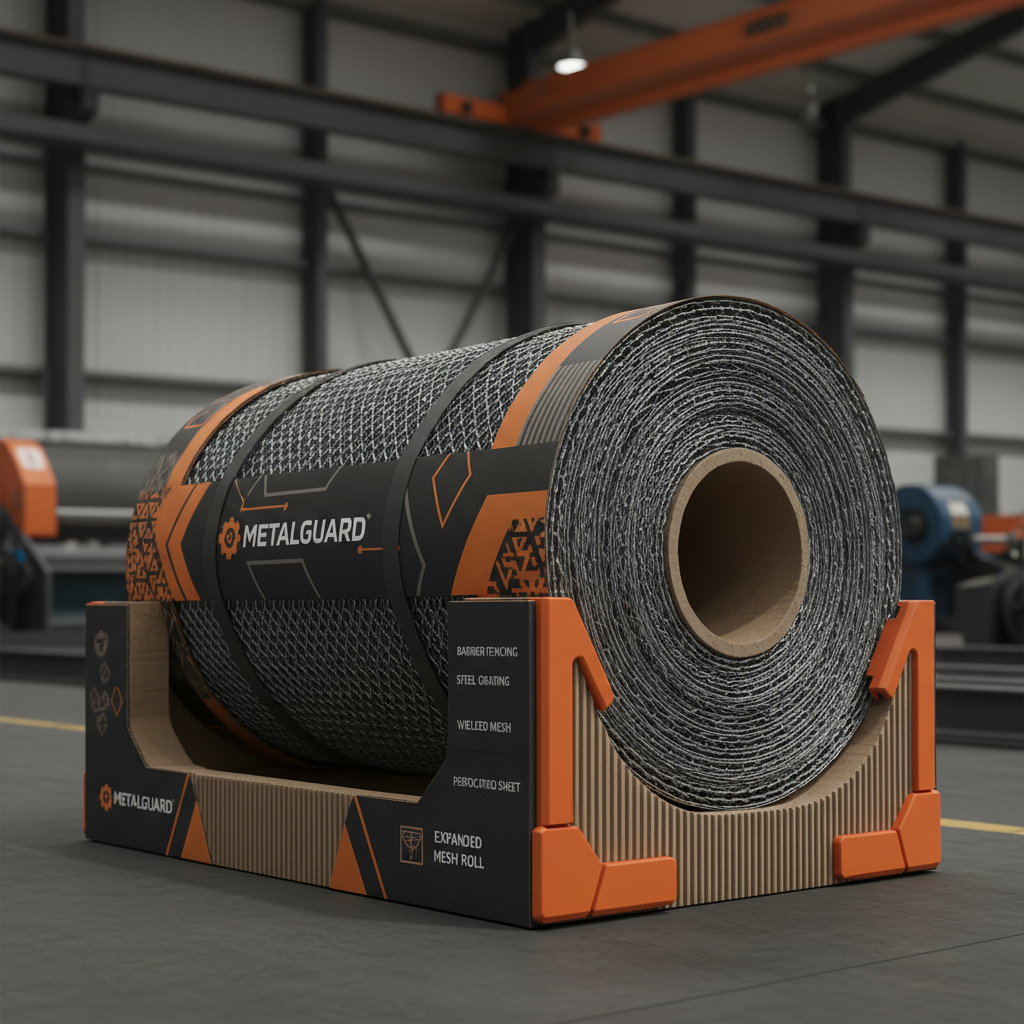
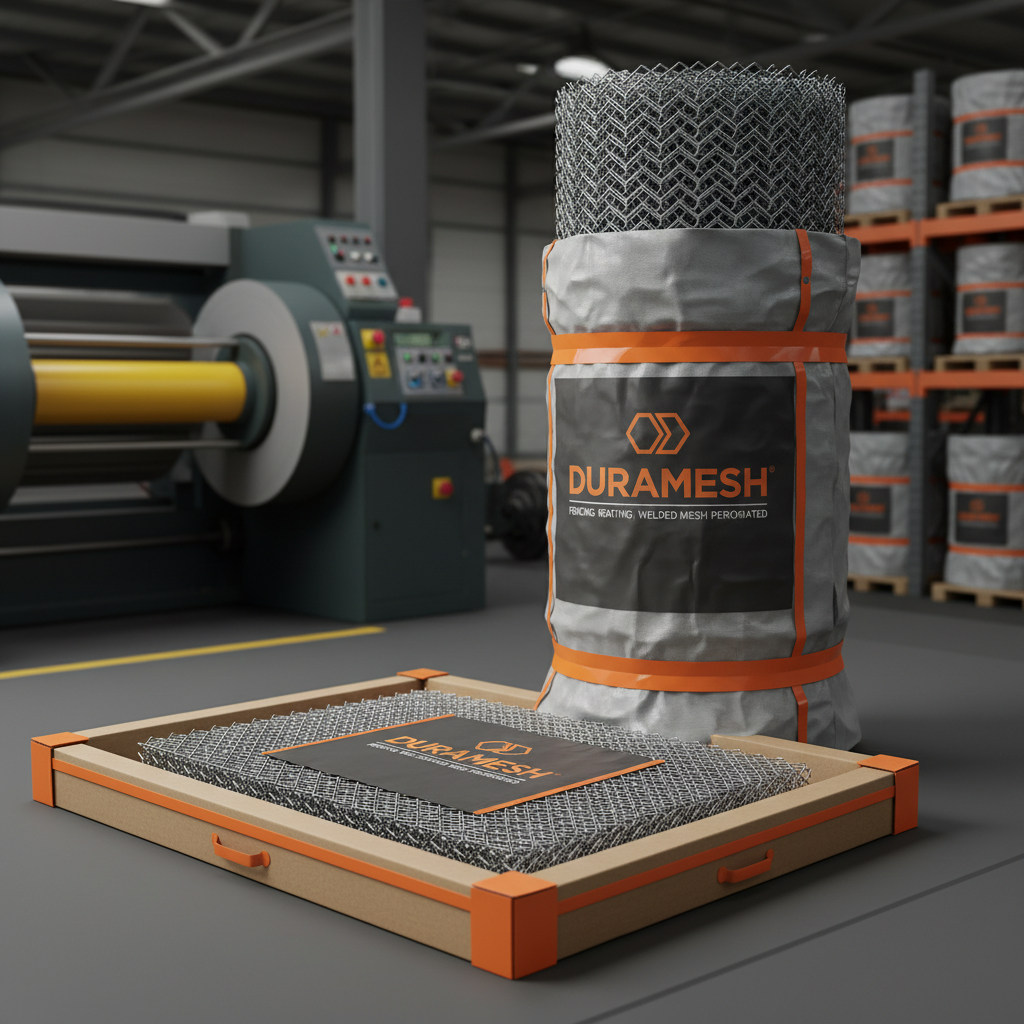
In the modern landscape of civil engineering and erosion control, the demand for high-performance reinforcement materials has led to the widespread adoption of galvanised expanded metal mesh and its specialized variants like gabion systems. These structures play a pivotal role in stabilizing landscapes and protecting critical infrastructure from the relentless forces of nature, providing a flexible yet rigid solution for soil retention.
Understanding the technical nuances of these metallic structures is essential for engineers and contractors who seek to balance structural integrity with environmental permeability. Whether used in urban sound barriers or rural stream bank protection, the application of treated steel wire ensures that the installation can withstand oxidation and mechanical stress over several decades.
By exploring the intersection of material science and geotechnical application, we can appreciate how galvanised expanded metal mesh technology has evolved. From traditional hexagonal weaves to modern welded cages, these products offer a sustainable way to manage land and water, ensuring safety and longevity in an ever-changing climate.
Global Industry Context of Galvanised Expanded Metal Mesh
Globally, the infrastructure sector is facing an unprecedented challenge: the need for rapid stabilization of terrains affected by extreme weather and urban expansion. The industry has increasingly turned to galvanised expanded metal mesh and gabion baskets as primary solutions for slope paving and retaining walls, adhering to rigorous international standards such as ASTM A975-97.
The reliance on these materials is driven by the need for "breathable" structures that allow water to flow through while holding heavy stone fill in place. This prevents the build-up of hydrostatic pressure, a leading cause of wall failure in traditional concrete constructions, making the galvanized steel approach far more reliable in flood-prone regions.
Defining Galvanised Expanded Metal Mesh and Gabion Systems
In simple technical terms, galvanised expanded metal mesh refers to a steel sheet that has been slit and stretched to create a diamond-shaped pattern, subsequently coated in zinc to prevent corrosion. When this concept is applied to gabions, it manifests as either woven double-twisted hexagonal wire mesh or welded wire mesh cages designed to be filled with rock.
These systems are essential for humanitarian and industrial needs, particularly in areas where natural resources (like stone) are available but structural binders (like cement) are expensive or impractical to transport. By creating a flexible cage, the mesh allows the structure to deform slightly without breaking, adapting to the shifting earth.
The core of these products lies in their surface treatment. By utilizing hot-dipped galvanization or advanced Galfan coatings (a zinc-5% aluminum-mischmetal alloy), the mesh gains a powerful shield against rust, extending its service life in harsh aquatic or saline environments.
Core Components of High-Strength Metal Mesh
The durability of galvanised expanded metal mesh begins with the base material, typically Q195 low carbon steel wire. This provides the necessary ductility for the weaving and expanding process, ensuring that the mesh does not become brittle under stress.
A critical component is the "double twist" weave used in hexagonal mesh. This architectural choice ensures that if a single wire is cut, the mesh does not unravel, maintaining the structural integrity of the galvanised expanded metal mesh cage and preventing the escape of fill material.
Furthermore, the inclusion of a "selvage wire" — which is typically one gauge thicker than the main netting — provides a reinforced edge. This ensures that the perimeter of the mesh can withstand the heavy pressure of the interior stones and the tension of the lacing wires used to connect the baskets.
Performance Metrics for Galvanised Expanded Metal Mesh
Evaluating the effectiveness of galvanised expanded metal mesh requires a look at its load-bearing capacity and corrosion resistance. The balance between wire diameter (ranging from 2.0mm to 4.0mm) and mesh hole size (typically 80x100mm or 60x80mm) determines the stability of the final structure.
When comparing different coating methods, the addition of a PVC layer over the galvanization significantly boosts longevity in highly acidic or salty soils, though it slightly increases the outer diameter of the wire.
Performance Rating of Mesh Types
Global Applications and Real-World Use Cases
The versatility of galvanised expanded metal mesh is evident in its diverse application range. In the mountainous regions of Southeast Asia and the Alps, these meshes are used for slope paving and weirs, effectively preventing landslides during monsoon seasons by locking the soil beneath a layer of stone-filled cages.
In urban settings, the technology is adapted for outfall structures and stream bank protection, preventing erosion around bridge abutments. Organizations focusing on disaster relief often employ these systems to quickly build temporary retaining walls or flood barriers in remote industrial zones where heavy machinery is limited.
Long-Term Value and Sustainable Advantages
From a financial perspective, the use of galvanised expanded metal mesh offers a lower total cost of ownership compared to concrete. The ability to use local stone fill reduces transportation costs and carbon emissions associated with cement production, making it a greener choice for environmental engineering.
Beyond the logic of cost, there is a significant safety and reliability factor. These structures are self-draining and flexible, meaning they can settle into the landscape without cracking, providing a sense of security for communities living near riverbanks or unstable cliffs.
The long-term value is also found in its sustainability. As vegetation grows through the mesh and intertwines with the stone fill, the structure becomes a "living wall," blending the industrial strength of steel with the natural reinforcement of root systems.
Future Innovations in Galvanised Expanded Metal Mesh
The future of galvanised expanded metal mesh is leaning toward smarter materials and automation. We are seeing the integration of high-performance alloys that exceed the protection of traditional Galfan, offering even higher resistance to chloride-induced corrosion in deep-sea applications.
Digital transformation is also hitting the manufacturing floor, where CNC-controlled expanding machines can create custom aperture sizes and shapes to meet specific hydraulic requirements for weir and drop structure designs, maximizing flow efficiency.
Sustainability policies are driving a shift toward fully recyclable steel components. By optimizing the zinc coating process to reduce waste and implementing modular assembly techniques, the industry is reducing its environmental footprint while increasing the speed of deployment.
Technical Specification Analysis of Gabion Mesh Systems
| Mesh Type |
Wire Diameter (mm) |
Corrosion Resistance |
Primary Application |
| Woven Hexagonal (HDG) |
2.2 - 3.0 |
High |
River Bank Protection |
| Woven Hexagonal (PVC) |
3.0 - 4.0 |
Very High |
Coastal Sea Walls |
| Welded Mesh Cage |
3.0 - 5.0 |
Medium-High |
Retaining Walls |
| Galfan Coated Mesh |
2.7 - 3.7 |
Extreme |
High-Salinity Zones |
| Double Twisted Mesh |
2.0 - 2.7 |
High |
Slope Stabilization |
| Heavy Duty Expanded |
4.0+ |
High |
Industrial Barriers |
FAQS
Woven mesh, specifically double-twisted hexagonal wire, is more flexible and prevents unraveling if a wire is broken, making it ideal for irregular terrains. Welded mesh consists of wires joined by heat, providing a more rigid, rectangular structure that is often preferred for vertical retaining walls where a clean, architectural look is required.
Galfan is a zinc-aluminum-mischmetal alloy. Compared to standard hot-dipped galvanizing, Galfan provides significantly better corrosion resistance, especially in harsh environments. This alloy forms a more stable protective layer, extending the lifespan of the mesh in saltwater or chemical-heavy soils.
Yes, PVC coating can be applied to both woven and welded meshes. It provides an additional barrier against oxidation and allows for color customization. However, it is most critical in highly corrosive environments where the zinc layer alone might be compromised over time.
Common sizes include 111m, 211m, 311m, and 411m. These dimensions are designed to be manageable during installation while providing enough volume to support significant weight loads when filled with stone.
The choice depends on the height of the wall and the size of the fill stone. For light slope protection, 2.0-2.7mm is usually sufficient. For heavy retaining walls or high-flow water structures, 3.0-4.0mm wire is recommended to prevent the mesh from bulging or bursting under pressure.
Yes, it is considered an eco-friendly alternative to concrete. It allows for natural water drainage and encourages the growth of vegetation. Additionally, the steel is fully recyclable, and the use of local stone fill minimizes the carbon footprint of construction transport.
Conclusion
In summary, galvanised expanded metal mesh and gabion systems represent a perfect synergy of industrial strength and environmental adaptability. By combining high-quality Q195 steel with advanced coatings like Galfan and PVC, these products solve critical challenges in erosion control, slope stabilization, and infrastructure protection across the globe.
Looking forward, the transition toward modular, automated production and sustainable materials will only enhance the efficiency of these systems. For engineers and project managers, investing in high-standard galvanized mesh is not just a matter of structural safety, but a commitment to long-term environmental sustainability and cost-effectiveness.