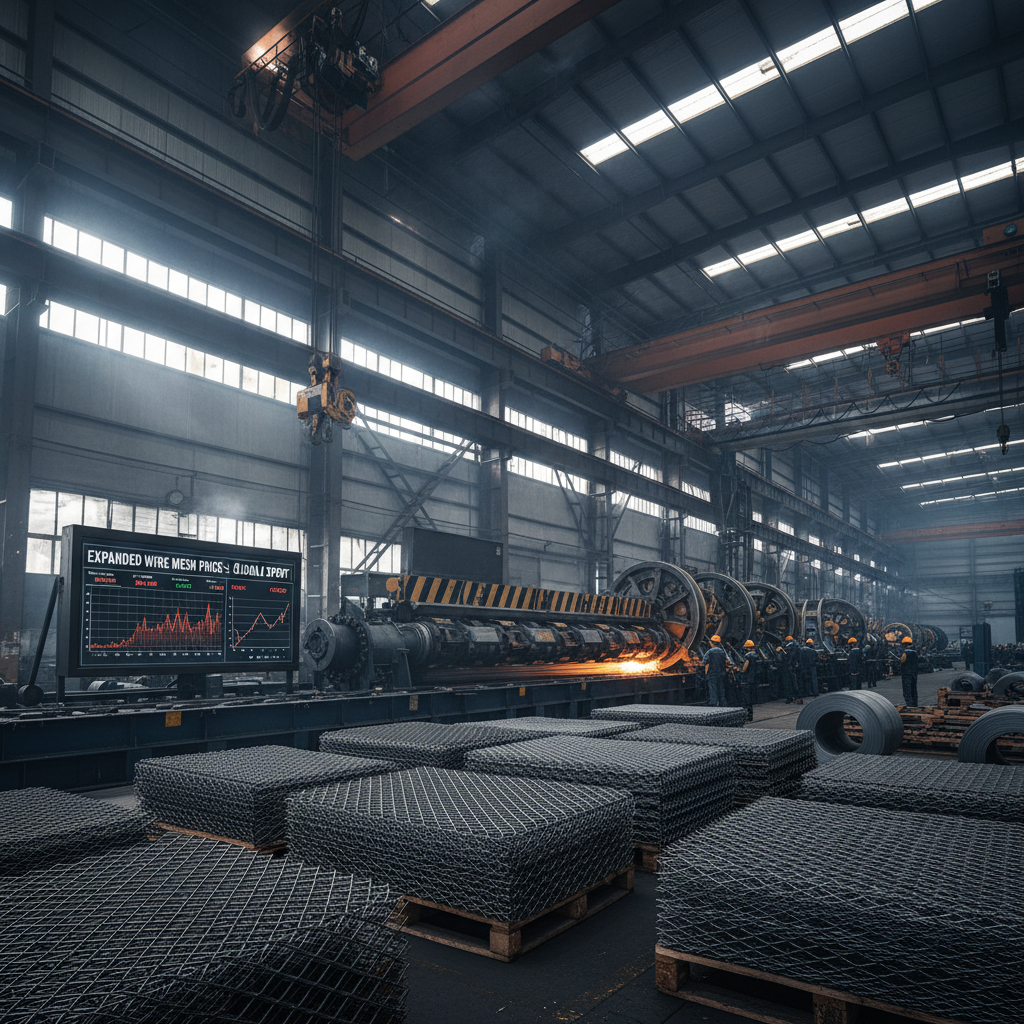
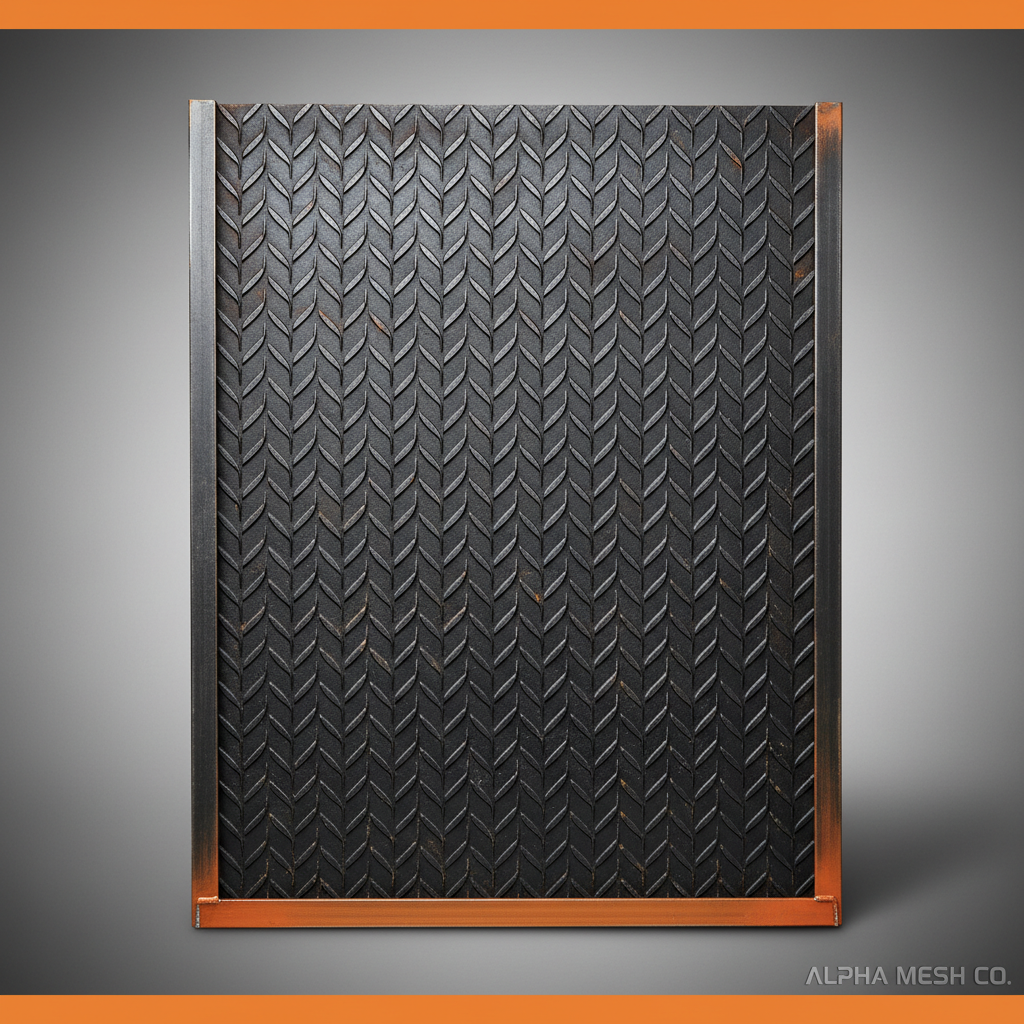
Expanded metal security mesh is rapidly becoming a crucial component in a diverse range of applications, from perimeter security and industrial safety to architectural facades and even disaster relief shelters. Its inherent strength, durability, and versatility make it a preferred material for situations demanding robust protection and reliable performance. Understanding the nuances of expanded metal security mesh—its manufacturing processes, material properties, and application possibilities—is paramount for engineers, architects, security professionals, and humanitarian aid organizations alike.
Globally, the demand for effective security solutions is consistently increasing, driven by geopolitical instability, rising crime rates, and the need to protect critical infrastructure. Traditional security measures often fall short, being either too costly, too cumbersome to install, or lacking the necessary level of resilience. Expanded metal security mesh provides a cost-effective, adaptable, and long-lasting alternative, addressing these challenges and contributing to a safer world. This demand is reflected in the projected growth of the global metal mesh market, estimated to reach significant figures in the coming years.
The benefits extend beyond just security. The open-grid design allows for excellent airflow and visibility, making it ideal for applications where these factors are important. Its inherent strength also makes it a sustainable option, reducing the need for frequent replacements and minimizing waste. This confluence of protective capabilities and practical advantages is why expanded metal security mesh is experiencing widespread adoption across industries and continents.
Introduction to expanded metal security mesh
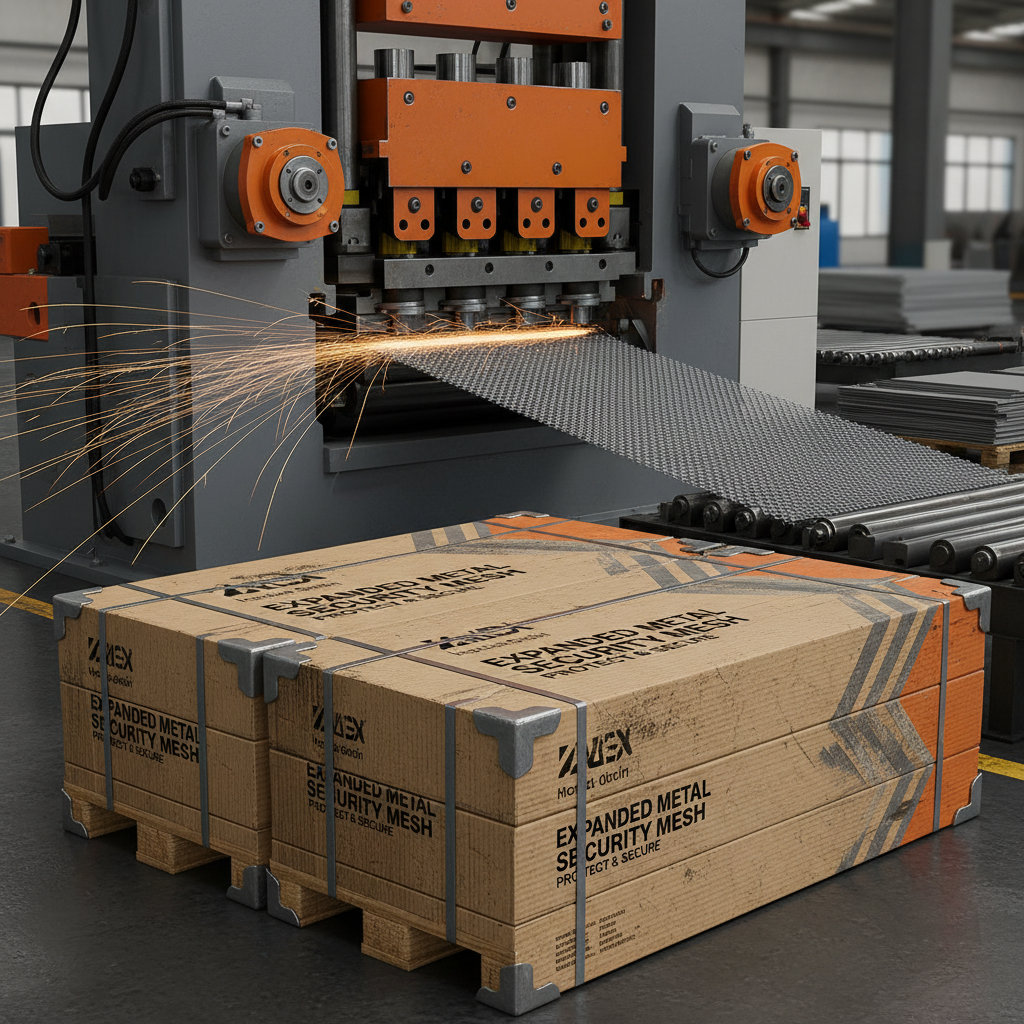
Expanded metal security mesh represents a robust and versatile solution in a world increasingly focused on safeguarding assets and ensuring safety. It's created through a unique metal forming process, slitting and stretching metal sheet to produce a rigid, one-piece panel with diamond-shaped openings. This method maintains a high percentage of the original metal's strength, making it significantly more durable than welded wire alternatives.
The simplicity of its design belies its effectiveness. The inherent rigidity of the mesh, coupled with its resistance to cutting and climbing, makes it a formidable deterrent against intrusion and vandalism. This makes it a superior choice over traditional fencing in numerous applications, including high-security facilities, correctional institutions, and critical infrastructure protection.
Global Relevance and Industry Context
The need for robust security solutions is a global concern, driven by factors ranging from geopolitical tensions and economic instability to natural disasters and increasing crime rates. According to the United Nations Office on Drugs and Crime (UNODC), property crime remains a significant challenge in many countries, necessitating effective deterrents. Expanded metal security mesh offers a practical and cost-effective solution for protecting a wide range of assets across diverse environments.
Industries reliant on protecting valuable equipment, sensitive information, and personnel are key adopters of expanded metal security mesh. This includes power generation facilities, data centers, telecommunications infrastructure, and transportation hubs. The World Bank also highlights the growing need for infrastructure resilience, particularly in developing countries, where expanded metal security mesh can play a vital role in safeguarding essential services.
Furthermore, the expanding use of expanded metal security mesh in humanitarian contexts reflects its adaptability and resilience. In disaster-prone regions, it’s incorporated into temporary shelters and security perimeters for aid distribution points, offering a swift and reliable protective layer. The ISO standards related to metal mesh quality and durability further underscore its increasing recognition as a trusted security material.
Defining expanded metal security mesh
Expanded metal security mesh is a solid metal sheet that has been slit and then stretched, forming a rigid, diamond-shaped grid pattern. Unlike woven wire mesh, it is a single piece of metal, eliminating the risk of unraveling or breaking at welded joints. This monolithic construction contributes significantly to its strength and longevity, making it an excellent choice for security applications.
Its connection to modern industry stems from its ability to provide high-strength protection without completely obstructing visibility or airflow. This makes it suitable for a wider range of applications than solid barriers, offering a balance between security and functionality. It aligns with the modern need for 'layered security,' where multiple protective measures work in concert.
Its role in humanitarian needs is becoming increasingly prominent, particularly in the creation of rapid-deployment shelters and secure zones in disaster areas. Its lightweight nature and ease of installation make it a valuable resource for emergency response teams, providing a quick and effective means of establishing safe environments.
Core Components and Key Factors
One of the key factors contributing to the effectiveness of expanded metal security mesh is its Durability. Constructed from robust materials like carbon steel, stainless steel, and aluminum, it resists corrosion, weathering, and physical damage. This translates to a longer lifespan and reduced maintenance costs compared to other fencing solutions. Its inherent resistance to tampering is a significant security advantage.
Scalability is another crucial aspect. Expanded metal panels can be easily customized to fit specific dimensions and configurations, making them suitable for a wide range of applications, from small perimeter fences to large-scale industrial enclosures. The modularity allows for phased installations and easy expansion as needs evolve.
Cost Efficiency is a significant benefit. While the initial investment might be slightly higher than some alternatives, the extended lifespan and minimal maintenance requirements result in a lower total cost of ownership. This makes it an attractive option for organizations with budget constraints.
Visibility and Airflow are unique advantages. The open-grid design doesn’t completely obstruct vision, enhancing surveillance capabilities, and allows for ample airflow, preventing the build-up of heat or moisture. This is particularly important in certain industrial and architectural applications.
Material Variety expands the application range. Utilizing different metal alloys allows for customization based on environmental conditions and security requirements. Stainless steel, for instance, provides superior corrosion resistance, while high-tensile steel offers maximum strength.
Comparative Performance of expanded metal security mesh Materials
Applications and Global Use Cases
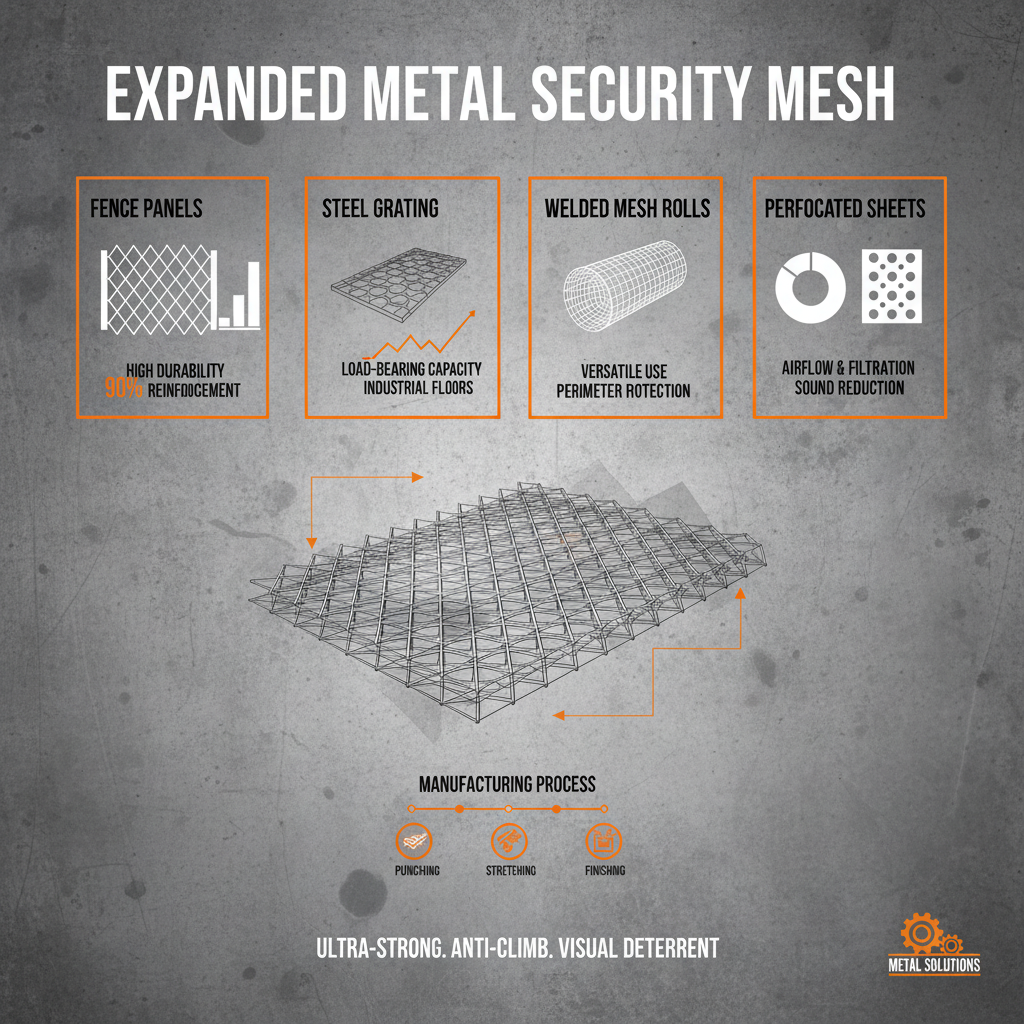
Expanded metal security mesh finds extensive use in Perimeter Security, safeguarding industrial sites, correctional facilities, airports, and sensitive government installations. Its robust construction and resistance to climbing make it an ideal barrier against unauthorized access. In Europe, many high-security prisons utilize expanded metal fencing as a primary layer of defense.
Industrial Safety is another significant application. It’s used as machine guarding, catwalks, stair treads, and ventilation screens, providing a secure and durable solution for protecting workers and equipment. Many manufacturing plants in North America rely on expanded metal mesh to meet OSHA safety standards.
In post-disaster relief operations, expanded metal security mesh is increasingly deployed for constructing temporary shelters and secure zones. Its lightweight nature and ease of installation make it a valuable asset for aid organizations responding to emergencies in regions like Southeast Asia and Africa.
Advantages and Long-Term Value
The advantages of expanded metal security mesh extend beyond immediate security. Its Cost-Effectiveness, due to its long lifespan and minimal maintenance, provides significant savings over time. The inherent strength and resistance to corrosion reduce the need for frequent repairs or replacements, lowering the total cost of ownership.
From a Sustainability perspective, the use of recyclable materials and the extended lifespan contribute to a reduced environmental footprint. The long-term durability minimizes waste generation, aligning with growing environmental consciousness. This aspect is increasingly important for organizations committed to sustainable practices.
Future Trends and Innovations
The future of expanded metal security mesh is likely to be shaped by advancements in materials science and manufacturing techniques. The development of lighter-weight, high-strength alloys, coupled with more efficient expansion processes, will further enhance its performance and versatility. Integration with smart technologies, such as embedded sensors for intrusion detection, is also a promising area of innovation.
Furthermore, the growing emphasis on sustainable construction practices will drive demand for expanded metal security mesh made from recycled materials. The incorporation of coatings with enhanced corrosion resistance and self-healing properties will also extend its lifespan and reduce maintenance requirements. These trends align with the global push for greener and more resilient infrastructure.
The advent of automation and digital fabrication technologies will enable the creation of customized expanded metal panels with complex geometries and intricate designs, opening up new possibilities for architectural applications. This will blur the lines between security and aesthetics, allowing for the creation of visually appealing and highly secure structures.
Challenges and Solutions
One challenge associated with expanded metal security mesh is the potential for galvanic corrosion when dissimilar metals are used in conjunction. This can be mitigated by selecting compatible materials or applying protective coatings to prevent electrochemical reactions. Careful material selection is crucial for long-term durability.
Another challenge is the potential for deformation under extreme impact forces. This can be addressed by increasing the thickness of the metal sheet or incorporating reinforcing elements into the mesh structure. Finite element analysis (FEA) can be used to optimize the design for maximum impact resistance.
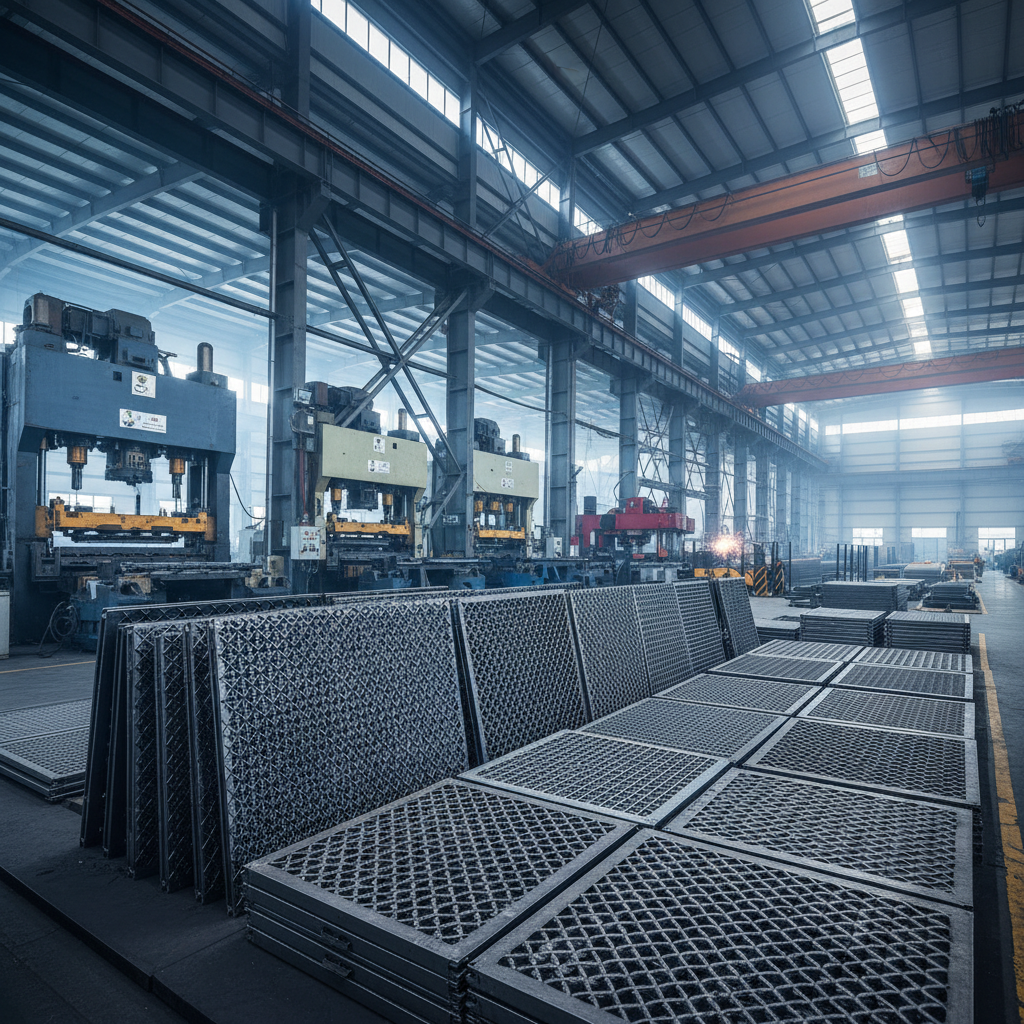
Finally, ensuring consistent quality control throughout the manufacturing process is essential. Implementing rigorous inspection procedures and adhering to industry standards will help to guarantee the structural integrity and performance of the expanded metal security mesh.
Summary of Challenges and Solutions for expanded metal security mesh
| Challenge |
Root Cause |
Solution |
Implementation Cost (1-10) |
| Galvanic Corrosion |
Dissimilar Metal Contact |
Compatible Material Selection/Coatings |
4 |
| Impact Deformation |
Insufficient Metal Thickness |
Increased Thickness/Reinforcement |
6 |
| Manufacturing Defects |
Inadequate Quality Control |
Rigorous Inspection Procedures |
5 |
| Installation Issues |
Improper Mounting Techniques |
Training for Installers/Clear Guidelines |
3 |
| Aesthetic Concerns |
Industrial Appearance |
Powder Coating/Custom Designs |
7 |
| Limited Flexibility |
Rigid Structure |
Strategic Panel Design/Combined Systems |
5 |
FAQS
Expanded metal security mesh offers several advantages. It’s a single-piece construction, eliminating weld points that can fail. This results in higher strength, greater resistance to cutting and climbing, and increased durability. It also maintains a higher percentage of the original metal’s strength during the expansion process, unlike welded wire. Additionally, the consistent openings provide better visibility and airflow, which are important in many applications.
Commonly used metals include carbon steel, stainless steel (grades 304 and 316 being popular for corrosion resistance), and aluminum. The choice depends on the application’s specific needs. Carbon steel offers high strength at a lower cost, while stainless steel provides superior corrosion resistance in harsh environments. Aluminum is lightweight and suitable for applications where weight is a concern.
The expansion ratio, which refers to the relationship between the original metal sheet size and the expanded mesh dimensions, directly influences security. A lower expansion ratio generally results in smaller openings and thicker strands, providing a more robust barrier against intrusion. Higher expansion ratios create larger openings, offering more visibility but potentially reducing security. The optimal ratio depends on the specific security requirements.
Several surface treatments can enhance the lifespan of expanded metal security mesh. Galvanizing provides corrosion resistance by coating the steel with a protective zinc layer. Powder coating offers a durable and aesthetically pleasing finish, as well as additional corrosion protection. Specialized coatings like epoxy or polyurethane can further enhance durability in harsh environments.
Yes, with the right material selection. Stainless steel, particularly grade 316, is highly resistant to saltwater corrosion and is ideal for coastal applications. Aluminum is also a good option, as it doesn’t rust. If carbon steel is used, it must be thoroughly galvanized and potentially coated with an additional protective layer to prevent corrosion from the saltwater environment.
A properly installed expanded metal security mesh system can have a lifespan of 20-30 years or even longer, depending on the material, environment, and maintenance. Stainless steel systems generally have the longest lifespan. Regular inspections and preventative maintenance, such as cleaning and re-coating, can further extend the system’s longevity and ensure optimal performance.
Conclusion
In conclusion, expanded metal security mesh offers a compelling combination of strength, durability, cost-effectiveness, and versatility, making it an increasingly popular choice for a wide range of security applications. From safeguarding critical infrastructure to providing rapid-deployment shelters in disaster zones, its inherent properties address critical needs in a constantly evolving world. Understanding its core components, applications, and future trends is essential for informed decision-making.
Looking ahead, continued innovation in materials science and manufacturing techniques will further enhance the performance and sustainability of expanded metal security mesh. Embracing these advancements will not only improve security but also contribute to a safer, more resilient, and more sustainable future. To learn more about how expanded metal security mesh can meet your specific needs, visit our website: expanded metal security mesh.