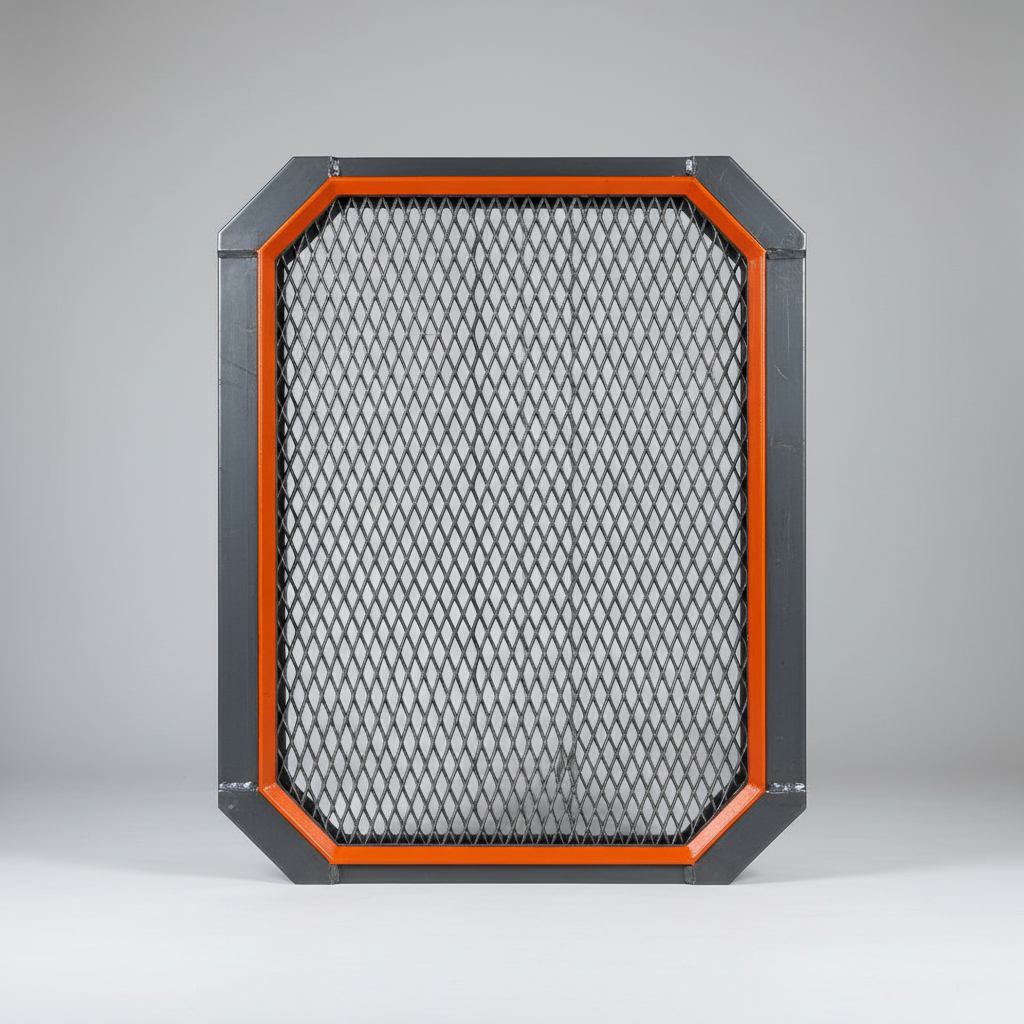
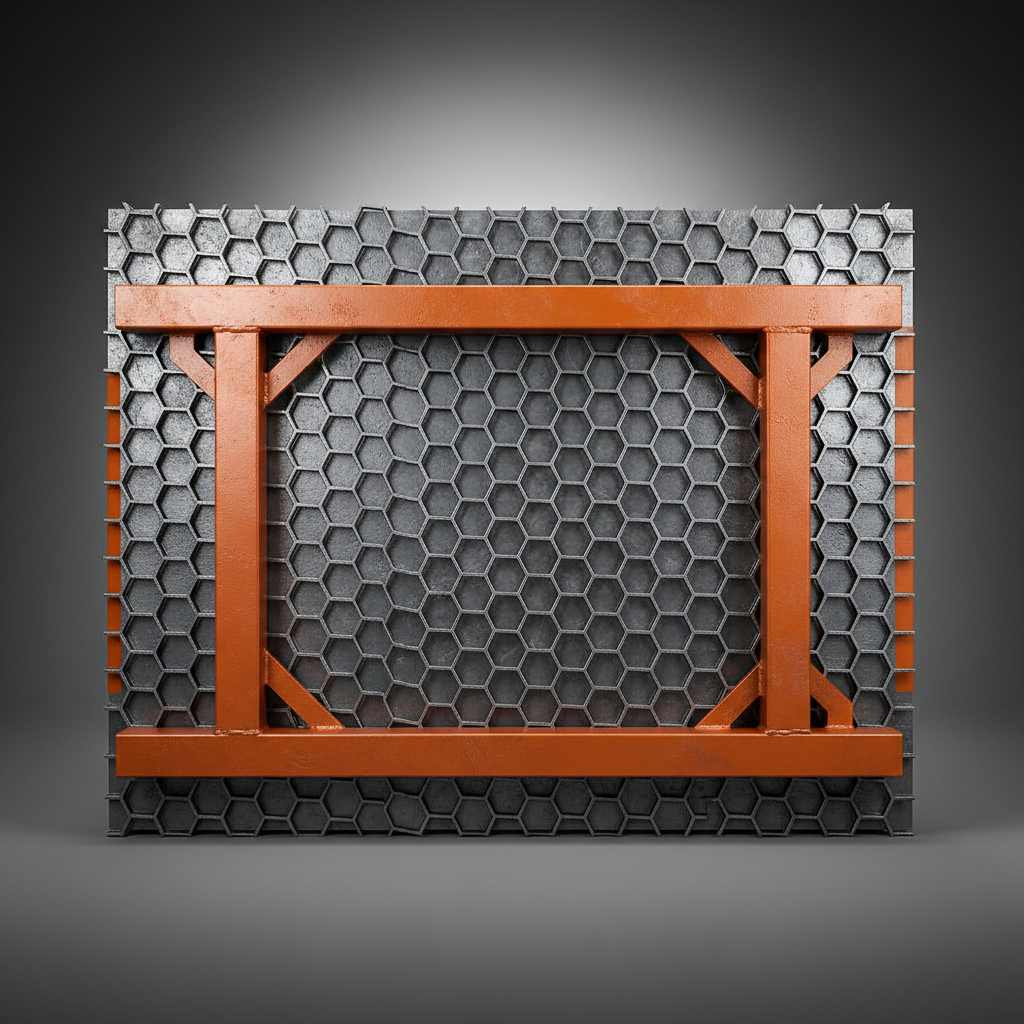
Understanding the expanded metal mesh standard size is critical for engineers and architects who require precision in structural integrity and airflow management. In the modern manufacturing landscape, selecting the correct dimensions ensures that the material performs its intended function, whether it is providing security, filtration, or architectural aesthetics.
The global demand for standardized industrial mesh has grown as industries strive for interchangeability and efficiency. By adhering to a recognized expanded metal mesh standard size, companies can reduce waste during the cutting process and streamline the procurement cycle, ensuring that components fit perfectly into pre-designed frameworks without costly modifications.
Whether you are sourcing material for chemical machinery or architectural facades, knowing the expanded metal mesh standard size allows for better cost estimation and technical planning. Balancing hole diameter, material thickness, and overall sheet dimensions is the key to achieving the desired strength-to-weight ratio in any industrial application.
Technical Parameters of Expanded Metal Mesh Standard Size
The technical parameters defining an expanded metal mesh standard size include a complex interplay between thickness, width, and length. For most industrial applications, plate thickness can range from 0.2mm up to 20mm, while standard widths typically reach up to 2,000mm and lengths up to 6,000mm. These dimensions provide a versatile baseline for a wide array of construction and machinery needs.
Beyond basic dimensions, the arrangement of the meshes—whether staggered or straight—and the precise distance between eyelets are critical. For those utilizing coiled formats, width standards are generally capped at 1,600mm, allowing for continuous perforation that is essential for long-run filtration or shielding projects.
Material Selection and Its Impact on Sizing
The choice of raw material significantly influences the final expanded metal mesh standard size and its structural performance. While ordinary steel is the most cost-effective option, high-performance materials like stainless steel, aluminum, copper, and brass are often selected for their resistance to corrosion and heat. These materials allow for thinner sheets to achieve similar strength levels compared to low-carbon steel.
Material thickness plays a pivotal role in the speed and quality of the perforation process. Thinner materials can be perforated faster, but they may lack the rigidity required for heavy-duty applications. Conversely, thicker plates provide immense durability but require more specialized machinery and result in a different weight profile for the same standard size.
Furthermore, the interaction between material and hole size is a critical engineering constraint. To prevent material failure or distortion during production, the diameter of the hole should not be smaller than the thickness of the material, and ideally, the hole diameter should be approximately twice the sheet thickness.
Understanding Hole Structure and Clearance
The geometry of the perforation is a defining element of the expanded metal mesh standard size. Every hole created during the production process consists of three distinct zones: the zone of dents, the cutting zone, and the extraction area. Understanding these zones is essential for ensuring that the mesh meets the specific airflow or filtration requirements of the end-use application.
A key technical constraint when determining the expanded metal mesh standard size is the clearance percentage. To prevent structural distortion and ensure the sheet remains flat and stable, the total open area or clearance should not exceed 65%. Exceeding this threshold can lead to warping, which compromises the integrity of the final component.
Depending on the application, users can choose from a vast array of hole shapes, including rectangular, square, diamond, round, and even complex patterns like fish scale or herringbone. These variations allow the expanded metal mesh standard size to be adapted for everything from decorative curtain walls to heavy-duty industrial gratings.
Cost Efficiency and Standardized Perforation
From a commercial perspective, sticking to an expanded metal mesh standard size is the most effective way to reduce costs. Perforated sheets produced in accordance with industry standards are significantly cheaper and faster to manufacture because they utilize optimized tool paths and reduce raw material waste.
Custom drawings and full-perforation fields are possible but often involve higher costs and longer lead times due to the need for specialized consultation and technological margins. By utilizing standard margins (the unperforated areas at the edges), manufacturers can maintain better control over the sheet's stability during the pressing process.
Cost-Benefit Analysis of Expanded Metal Mesh Standard Size Methods
Global Industrial Applications of Mesh Standards
The utility of a standardized expanded metal mesh size extends across a multitude of high-precision industries. In the pharmaceutical and food and beverage sectors, where hygiene and precise filtration are paramount, these meshes are used in specialized equipment to ensure purity and consistency. Similarly, chemical machinery relies on acid-resistant materials in standard sizes to handle corrosive substances safely.
In the realm of infrastructure and HVAC, the expanded metal mesh standard size is frequently used for refrigeration equipment and central air conditioning units as sound barriers or airflow regulators. The ability to specify a known size allows engineers to calculate exact air exchange rates and decibel reduction, making the planning process predictable and reliable.
Advanced Processing and Custom Modifications
While the initial purchase focuses on the expanded metal mesh standard size, the true value is often added during the post-perforation phase. Standard operations typically include single straightening, precision cutting to size, and palletized packing. However, to create ready-made components, additional operations such as bending, rolling, and pressing are employed.
For projects requiring enhanced durability or aesthetic appeal, services like powder coating and welding are integrated. Framing and trapezoidal shaping can transform a flat standard sheet into a complex structural element. These modifications ensure that the baseline standard size can be adapted to fit specific architectural requirements without losing the cost advantages of standardized production.
Moreover, cleaning operations, such as wiping with oil, are critical for materials prone to oxidation. By combining a standard size with these specialized finishing techniques, manufacturers can deliver a product that is both economically viable and technically superior, meeting the rigorous demands of global export markets.
Quality Analysis and Dimensional Compliance
Ensuring that a product adheres to the expanded metal mesh standard size requires strict quality control. This involves verifying that the thickness of the raw material is consistent across the entire sheet and that the hole diameters do not deviate from the specified tolerances. Precision is especially vital for micro-perforated and laser-cut meshes where even a fraction of a millimeter can affect the product's functionality.
Dimensional compliance also means managing the margins. Most typical sheets are produced with unperforated transverse and longitudinal margins to provide structural stability. Quality audits ensure that these margins are consistent, as they are often the primary points of attachment when the mesh is welded into a larger frame or assembly.
Ultimately, the synergy between material grade and dimensional accuracy determines the longevity of the mesh. Whether it is an abrasion-resistant steel mesh for industrial flooring or a decorative aluminum mesh for a facade, the adherence to standard sizes ensures that the product can be replaced or scaled easily in the future.
Comparison of Material Performance for Standard Mesh Sizes
| Material Type |
Durability Rating (1-10) |
Corrosion Resistance |
Standard Size Cost |
| Ordinary Steel |
6 |
Low |
Very Low |
| Stainless Steel |
10 |
Very High |
High |
| Aluminum |
7 |
High |
Medium |
| Copper/Brass |
8 |
Medium |
High |
| Galvanized Plate |
8 |
Medium-High |
Low-Medium |
| PVC Coated |
7 |
High |
Medium |
FAQS
The most cost-effective size is one that adheres to industry-standard dimensions for thickness, width, and hole diameter. Using standard sizes reduces waste and allows for faster perforation speeds. Additionally, choosing materials like ordinary steel or galvanized plate further lowers the cost compared to stainless steel or copper.
Yes, while standard sheets are produced with transverse and longitudinal margins for stability, full perforation fields are possible. This typically requires a professional consultation to ensure the material will not distort during production and may result in a higher price and longer lead time.
For optimal structural integrity and production efficiency, the hole diameter should never be smaller than the material thickness. Ideally, a ratio where the hole diameter is approximately twice the thickness of the sheet is preferred to prevent distortion and ensure a clean cut.
To avoid distortion and maintain the flatness of the sheet, the clearance (open area) should not exceed 65%. If the open area is too high, the remaining "strands" of the mesh may become too thin to support the required load or may warp during the manufacturing process.
For chemical environments, stainless steel, acid-resistant alloys, or PVC-coated plates are highly recommended. These materials prevent corrosion and maintain the structural dimensions of the standard size even when exposed to harsh reagents or moisture.
Yes, we provide a comprehensive suite of additional operations including bending, rolling, pressing, welding, and powder coating. This allows customers to transition from a standard expanded metal mesh size to a finished, ready-to-install industrial component.
Conclusion
Selecting the correct expanded metal mesh standard size is a fundamental decision that impacts the cost, durability, and functionality of any industrial project. By balancing the relationship between material thickness, hole geometry, and open-area clearance, engineers can ensure that their components meet the highest standards of performance while minimizing waste. The integration of standardized dimensions with advanced post-processing options allows for a seamless transition from raw material to a high-performance industrial solution.
Looking forward, the industry is moving toward more sustainable materials and precision-engineered sizes that support automation and green energy infrastructure. Whether you are upgrading a filtration system or designing a modern architectural facade, prioritizing dimensional compliance and material compatibility will ensure long-term reliability. For high-quality, standardized mesh solutions tailored to your technical needs, visit our website: www.ztwiremesh.com.