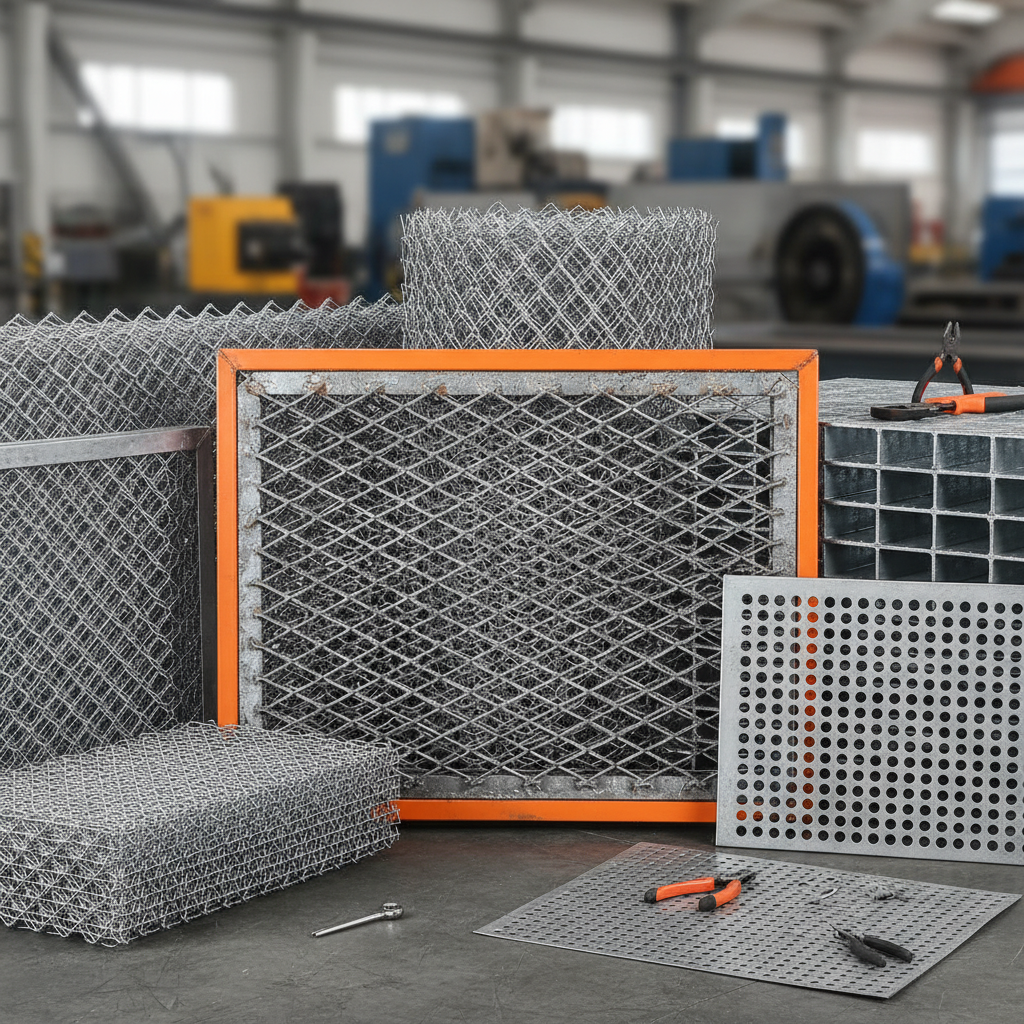
The global construction and landscaping industries have seen a significant shift toward sustainable and rigid containment solutions, where the application of high-strength steel mesh has become pivotal. Whether used for soil stabilization, flood control, or architectural landscaping, the structural integrity of the containment system determines the longevity of the project, making the choice of mesh geometry and material essential for engineers worldwide.
In modern civil engineering, the demand for versatile and durable barriers has led to the widespread adoption of galvanized steel structures. These systems provide a balance between permeability and strength, allowing for natural drainage while preventing the movement of heavy stone fill, which is critical in preventing erosion in high-risk geographical zones.
While many users search for rhombus wire mesh for various fencing needs, the specific requirements of heavy-duty stone cages demand a welded square mesh configuration. Understanding the distinction between decorative diamond patterns and the rigid 76 x 76 mm welded structure is key to ensuring the stability of gabion wall baskets.
Global Relevance of Structural Wire Mesh
The global infrastructure market is increasingly prioritizing erosion control and riverbank stabilization to combat the effects of extreme weather events. The use of heavy-duty galvanized wire systems allows for the creation of permeable barriers that work in harmony with the environment, reducing the carbon footprint compared to traditional poured concrete walls.
As urbanization expands into fragile ecosystems, the need for rigid yet flexible containment has grown. This has led to a surge in the deployment of welded gabion baskets, which offer superior resistance to deformation and ensure that stone-filled structures remain stable under immense pressure.
Defining the Technical Standard of Gabion Systems
A welded gabion is a specialized containment system manufactured from high-strength 4 mm galvanized or galvanic steel wire. Unlike a flexible rhombus wire mesh, which is often used for poultry or light fencing, the gabion utilizes a rigid square mesh of 76 x 76 mm to maintain a strict geometric form when filled with aggregate.
These systems are engineered to be supplied in flat packs, optimizing shipping and storage logistics. The inclusion of lacing wires or clips ensures that individual baskets can be securely fastened together, creating a monolithic structure capable of supporting significant vertical and lateral loads.
The fundamental purpose of this design is to provide a durable cage that prevents the transformation of the internal stone fill. By utilizing galvanic coatings, the steel is protected against corrosion, extending the operational life of the installation even in humid or saline environments.
Core Components of Welded Steel Baskets
The durability of the system starts with the wire gauge. Using 4 mm galvanized steel ensures that the mesh can withstand the abrasive nature of stones without snapping, a level of strength not found in standard rhombus wire mesh applications.
Structural rigidity is further enhanced by the addition of stiffeners. These internal supports prevent the baskets from bulging outward, maintaining a clean, linear aesthetic that is essential for architectural retaining walls and modern urban landscaping.
Installation efficiency is achieved through the flat-pack delivery system. By utilizing lacing wire and spiral bundles, contractors can quickly assemble the cages on-site, reducing labor costs and accelerating project timelines.
Performance Analysis of Industrial Mesh
When comparing containment methods, the welded square mesh proves superior in maintaining shape compared to the flexible nature of rhombus wire mesh. The rigid welds ensure that the structure does not sag, providing a professional finish for high-visibility projects.
The performance of these baskets is measured by their ability to resist corrosion and maintain structural integrity under load. The galvanized coating provides a critical shield, while the 76mm aperture ensures the correct stone size is retained for maximum stability.
Comparative Performance of Containment Mesh Systems
Global Applications and Use Cases
In remote industrial zones, these welded baskets are utilized for heavy-duty slope protection and the creation of temporary access roads. Their ability to be transported in collapsed forms makes them ideal for logistics-heavy projects in underdeveloped regions where traditional materials are unavailable.
Architecturally, they are used in luxury urban developments to create "green walls." By filling the mesh with stones and integrating vegetation, the structure blends naturally into the surroundings, offering a sustainable alternative to concrete barriers while maintaining the security of a steel frame.
Long-Term Value and Sustainability
The long-term value of these systems lies in their permeability. Unlike solid walls, gabions allow water to flow through the stones, which eliminates the buildup of hydrostatic pressure and prevents the wall from collapsing during heavy rainfall or floods.
From a sustainability perspective, the use of locally sourced stones as fill significantly reduces the environmental impact of transportation. The galvanized steel ensures a lifespan of decades, minimizing the need for frequent replacements or expensive maintenance.
Furthermore, the ability to paint the mesh in various colors allows these functional structures to serve as aesthetic elements in public parks and corporate plazas, combining safety, utility, and design.
Future Trends in Containment Technology
The industry is moving toward the integration of smart materials and automated assembly. We are seeing a trend toward high-density zinc-aluminum coatings that provide even greater corrosion resistance than standard galvanization, extending the life of the baskets in extreme marine environments.
Digital transformation is also impacting how these systems are deployed. BIM (Building Information Modeling) now allows engineers to precisely calculate the volume of stone fill and the number of baskets required, reducing waste and optimizing the shipping of flat-pack units.
As the world focuses on "green infrastructure," the synergy between steel mesh and bio-engineering—where plants are grown through the mesh—is becoming the gold standard for ecological restoration.
Technical Specifications and Application Analysis of Gabion Systems
| Material Grade |
Mesh Dimension |
Stability Score |
Primary Use Case |
| Galvanized Steel |
76 x 76 mm |
9.5 |
Riverbank Protection |
| Galvanic Steel |
76 x 76 mm |
9.0 |
Urban Retaining Walls |
| PVC Coated |
76 x 76 mm |
8.5 |
Coastal Erosion Control |
| Standard Steel |
76 x 76 mm |
7.0 |
Temporary Containment |
| Reinforced Welded |
76 x 76 mm |
10.0 |
Industrial Foundations |
| Lightweight Galvanized |
76 x 76 mm |
6.5 |
Garden Landscaping |
FAQS
Welded gabions use a rigid square mesh (typically 76x76mm) created by welding wires at every intersection, designed to hold heavy stones without bulging. In contrast, rhombus wire mesh is woven in a diamond pattern, offering flexibility and is generally used for fencing or light containment rather than heavy structural walls.
Depending on the environment, galvanized baskets can last between 20 to 50 years. The high-strength 4mm galvanized coating protects the steel from rust and corrosion. In highly saline or acidic environments, PVC coating is recommended to further extend the operational lifespan.
No, they are designed for efficiency. They are delivered as flat packs to save shipping space and are easily folded into shape. With simple tools and the provided lacing wires or clips, they can be assembled quickly even by teams with minimal specialized training.
Yes, they are widely used in modern architecture. They can be filled with colorful stones or combined with planting vegetation to create "living walls." Additionally, the mesh can be painted in various colors to blend into a specific urban or natural environment.
The combination of a rigid welded structure and the use of internal stiffeners prevents deformation. Stiffeners act as internal skeletons that distribute the weight of the stones evenly, ensuring the basket maintains its rectangular shape under pressure.
Baskets are connected using lacing wires or spiral wire bundles. These are wrapped tightly around the edges of adjacent baskets, locking them together to create a single, stable mass that prevents individual units from shifting.
Conclusion
Welded gabion systems represent a sophisticated marriage of industrial strength and environmental permeability. By utilizing high-quality 4mm galvanized steel and a precise 76x76mm welded mesh, these baskets provide a reliable solution for everything from critical flood defense to high-end architectural landscaping, far surpassing the capabilities of a simple rhombus wire mesh.
As the construction industry moves toward more sustainable and "green" infrastructure, the adoption of these permeable containment systems will only increase. We recommend that engineers and designers prioritize galvanized specifications and the use of stiffeners to ensure maximum longevity and aesthetic precision in their projects. For more information on high-quality containment solutions, visit our website: www.ztwiremesh.com.