Expanded mesh for sale represents a critical component in a diverse range of industries, from construction and security to agriculture and industrial manufacturing. Its unique properties – strength, ventilation, and light transmission – make it an ideal solution for applications where traditional solid materials fall short. The global demand for expanded mesh is consistently growing, driven by infrastructure development and an increasing focus on safety and security worldwide.
Understanding the intricacies of expanded mesh, including material options, manufacturing processes, and application-specific considerations, is essential for professionals seeking efficient, cost-effective, and durable solutions. This knowledge empowers informed decision-making and ensures optimal performance in diverse operating environments. The accessibility of high-quality expanded mesh for sale is therefore paramount.
With a wide array of manufacturers and suppliers, sourcing the right expanded mesh is now more convenient than ever. However, navigating the market requires a clear understanding of quality standards, customization options, and the specific requirements of your project. This guide provides an in-depth exploration of expanded mesh, helping you make the best choice for your needs.
The Importance of Expanded Mesh for Sale
Expanded mesh for sale plays a pivotal role in numerous industries, offering a unique combination of strength, durability, and cost-effectiveness. Its versatility allows it to be used in a wide range of applications, from structural components to protective barriers. Understanding the factors driving demand for expanded mesh is crucial for both suppliers and end-users.
The availability of expanded mesh for sale directly impacts project timelines and budgets. Efficient sourcing and competitive pricing are essential for maintaining project profitability. Choosing a reliable supplier who can provide consistent quality and timely delivery is therefore a key consideration. The increasing need for robust and adaptable materials highlights the ongoing importance of expanded mesh in modern construction and manufacturing.
Understanding Expanded Mesh
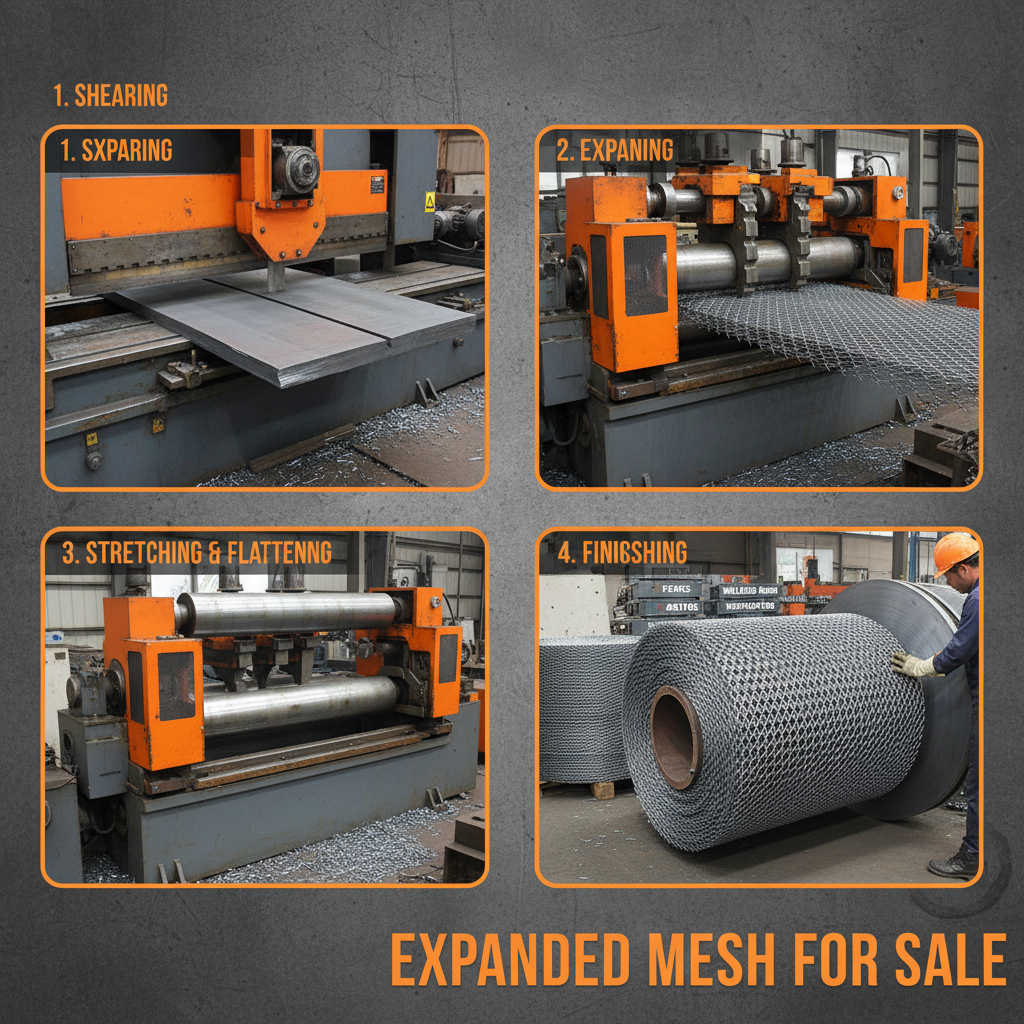
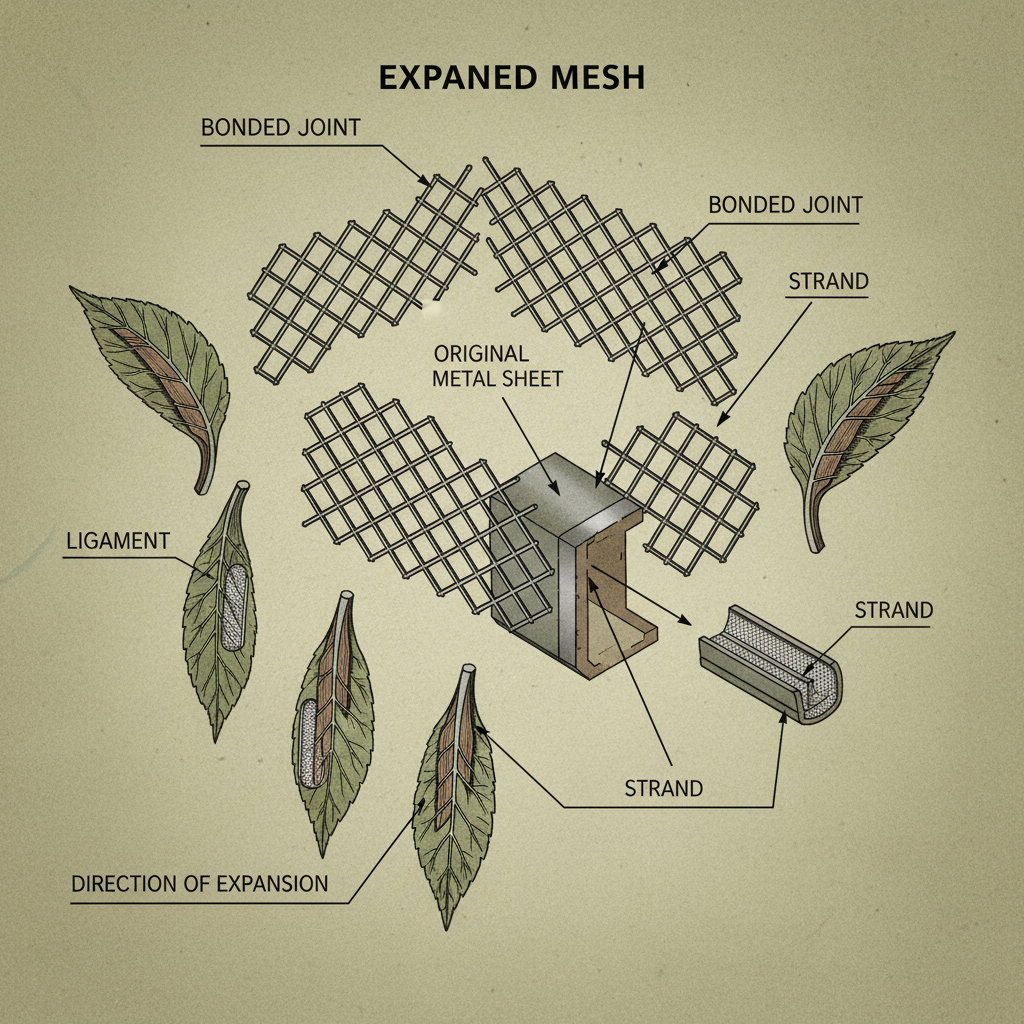
Expanded mesh isn’t simply perforated metal; it’s created through a slitting and stretching process. A solid metal sheet is simultaneously slit and stretched, forming an interconnected diamond-shaped pattern. This process maintains a high proportion of the original metal’s strength and creates a material that's both lightweight and structurally sound. This is different from other metal mesh products like woven wire mesh, offering distinct advantages.
The resulting mesh boasts a seamless, one-piece construction, eliminating the potential for welds or joints to fail. This inherent strength makes it ideal for applications requiring high load-bearing capacity and resistance to deformation. The process also allows for a variety of mesh patterns, thicknesses, and materials to be tailored to specific project requirements.
Understanding the distinction between expanded metal and other forms of metal grating or mesh is important. Expanded metal retains all the metal’s original mass, providing superior strength compared to punched or woven alternatives. This is a key differentiator when considering applications involving significant stress or impact.
Key Characteristics of Expanded Metal Mesh
Durability is a hallmark of expanded metal mesh. The stretching process work-hardens the metal, increasing its tensile strength and resistance to wear and tear. This makes it exceptionally well-suited for demanding environments where longevity is paramount, reducing lifecycle costs.
Ventilation is another significant advantage. The open grid pattern allows for excellent airflow, making expanded metal ideal for applications requiring cooling or preventing the build-up of moisture. This is particularly important in applications like air conditioning unit sound barriers and ventilation systems.
Light transmission is a unique property offered by expanded metal. While providing a level of obstruction, the mesh pattern allows significant light to pass through, making it suitable for applications such as security fencing where visibility is desired. This characteristic also contributes to energy savings by reducing the need for artificial lighting.
Diverse Applications of Expanded Mesh
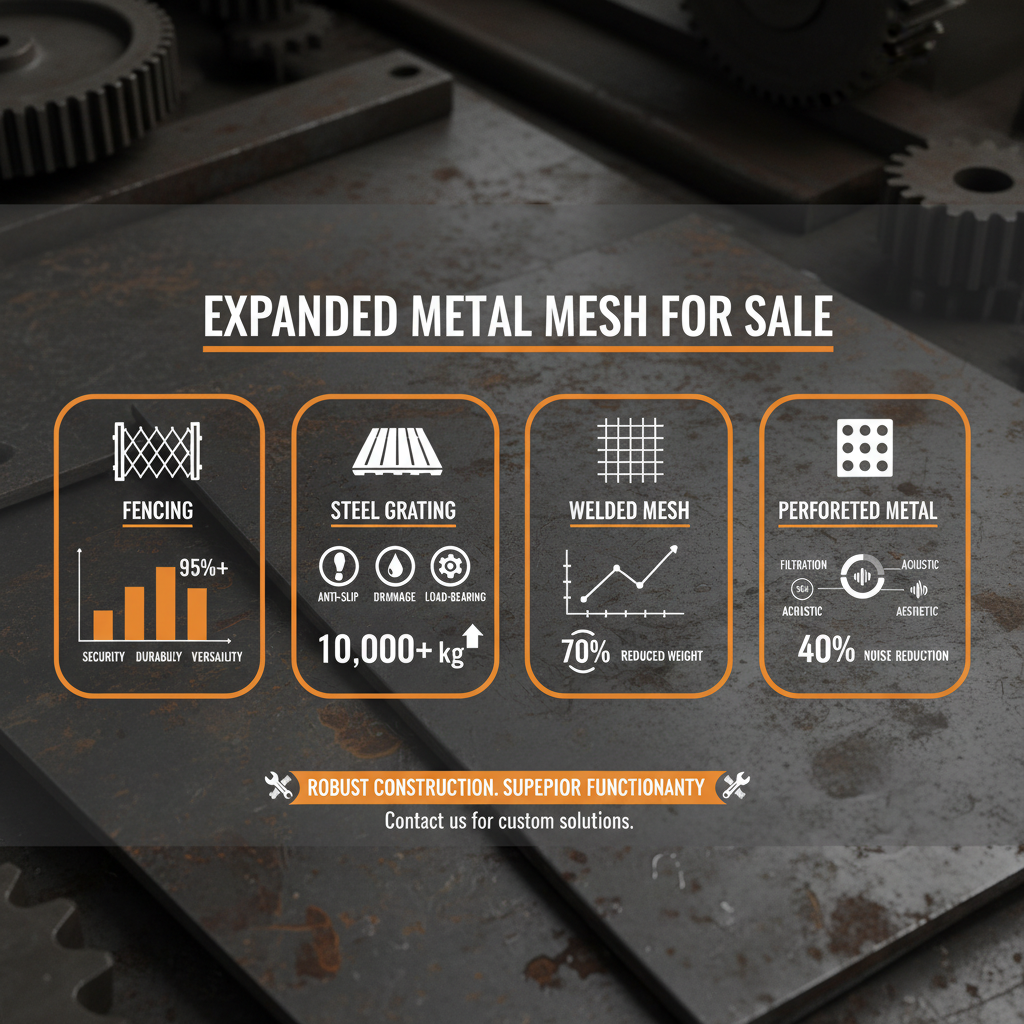
Expanded mesh finds widespread use in the construction industry, serving as flooring, stair treads, and walkway grating. Its robust construction provides a safe and durable surface for pedestrian traffic. It's also commonly used in building facades and architectural features, offering both aesthetic appeal and structural support.
The security sector relies heavily on expanded metal for fencing, guardrails, and security cages. The difficulty of cutting or climbing expanded metal makes it an effective deterrent against unauthorized access. Applications range from perimeter security for industrial facilities to protective barriers for sensitive areas.
Expanded Mesh Application Distribution
Advantages of Using Expanded Mesh for Sale
Cost-effectiveness is a key benefit. The manufacturing process is efficient, resulting in competitive pricing compared to other metal products with similar structural properties. This makes expanded mesh an attractive option for projects with budget constraints.
Its inherent durability translates to a long service life, reducing the need for frequent replacements and minimizing maintenance costs. This long-term value makes expanded mesh a sustainable and economical choice for various applications.
Global Trends and the Future of Expanded Metal
Sustainability is driving innovation in the expanded metal industry. Manufacturers are increasingly focused on using recycled materials and implementing environmentally friendly production processes. This aligns with the growing demand for sustainable building materials and manufacturing practices.
Advanced materials like stainless steel and aluminum are gaining popularity, offering enhanced corrosion resistance and lighter weight. These materials expand the application possibilities of expanded metal into more demanding environments.
Digitalization is streamlining the design and manufacturing processes, enabling customized solutions and faster turnaround times. Computer-aided design (CAD) and computer-aided manufacturing (CAM) technologies are optimizing material usage and improving product accuracy.
Selecting the Right Expanded Mesh for Your Project
Determining the appropriate material is crucial. Carbon steel is a cost-effective option for general applications, while stainless steel offers superior corrosion resistance for harsh environments. Aluminum is ideal for lightweight applications requiring high strength-to-weight ratios.
Mesh size and pattern should be carefully considered based on the specific requirements of the application. Smaller mesh sizes provide greater security, while larger mesh sizes offer better ventilation and light transmission.
Thickness and gauge are critical factors affecting structural integrity. Thicker materials offer greater load-bearing capacity, while thinner materials are suitable for less demanding applications. Consulting with an experienced supplier can help ensure you select the optimal specifications for your project.
Expanded Mesh Selection Criteria
| Application |
Material |
Mesh Size (SWG) |
Typical Gauge |
| Security Fencing |
Carbon Steel/Stainless Steel |
4-8 |
14-18 |
| Architectural Grating |
Aluminum/Stainless Steel |
6-12 |
12-20 |
| Industrial Flooring |
Carbon Steel |
2-6 |
10-16 |
| Sound Barriers |
Carbon Steel |
8-10 |
16-20 |
| Filtration Systems |
Stainless Steel |
10-20 |
20-24 |
| Walkways |
Carbon Steel/Aluminum |
4-8 |
12-18 |
FAQS
Expanded metal is created from a solid sheet of metal that is slit and stretched, resulting in a seamless, one-piece construction. Woven wire mesh, on the other hand, is formed by weaving individual wires together. This difference means expanded metal generally offers higher strength and rigidity while woven wire mesh is often more flexible. Choosing between the two depends heavily on the specific application and load-bearing requirements.
The gauge (thickness) of expanded metal directly impacts its durability. Lower gauge numbers indicate thicker metal, which translates to greater strength, rigidity, and resistance to deformation. For applications requiring high load-bearing capacity or resistance to impact, a lower gauge (thicker metal) is recommended. However, thicker metal also increases the weight and cost.
Yes, expanded metal is highly customizable. Manufacturers can adjust the slit width, strand width, and strand angle to create a variety of patterns. The sheet size can also be tailored to meet specific project requirements. Customization allows for optimal performance and aesthetic integration into diverse applications.
Several finishes can enhance the corrosion resistance of expanded metal. Galvanization (zinc coating) provides excellent protection against rust. Stainless steel alloys inherently resist corrosion. Powder coating adds a decorative and protective layer, available in a wide range of colors. The choice of finish depends on the environmental conditions and desired aesthetic appeal.
Yes, expanded metal is generally well-suited for outdoor use, but the material and finish selection is crucial. Carbon steel should be galvanized or coated to prevent rust. Stainless steel offers superior corrosion resistance in harsh environments. Proper surface treatment and maintenance will significantly extend the lifespan of expanded metal exposed to the elements.
Lead times for custom expanded metal orders vary depending on the complexity of the design, material availability, and current manufacturing workload. Generally, lead times range from 2 to 6 weeks. It’s best to consult with your supplier to get an accurate estimate based on your specific requirements. Providing detailed specifications upfront can help expedite the process.
Conclusion
Expanded mesh for sale represents a versatile and reliable material solution across a multitude of industries. Its inherent strength, durability, and adaptability make it a cost-effective choice for applications ranging from security and construction to industrial flooring and sound barriers. Understanding the nuances of material selection, mesh patterns, and manufacturing processes is key to unlocking its full potential.
Looking ahead, innovations in sustainable manufacturing, advanced materials, and digitalization will further enhance the value proposition of expanded metal. By embracing these trends and partnering with reputable suppliers, you can leverage the unique benefits of expanded mesh to drive efficiency, safety, and long-term success in your projects. Visit our website at expanded mesh for sale to explore our comprehensive range of products and solutions.