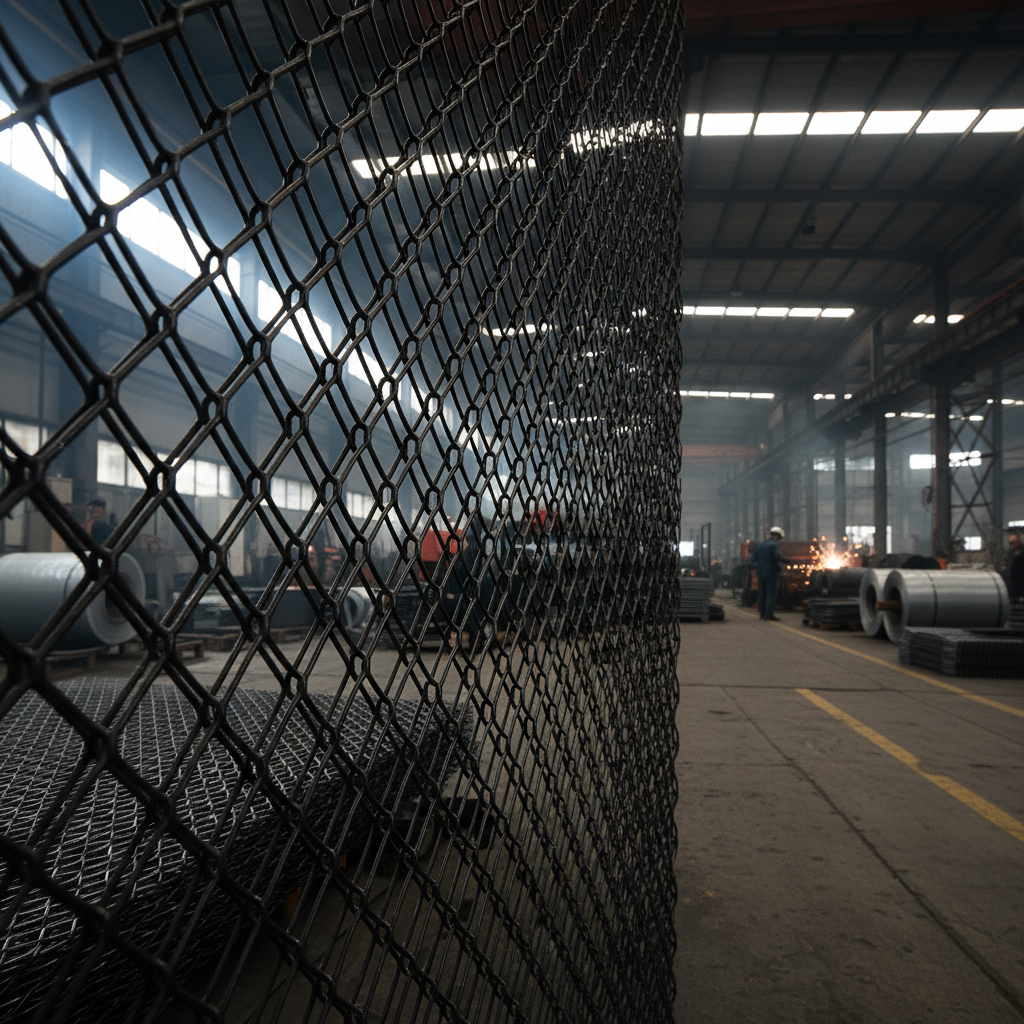
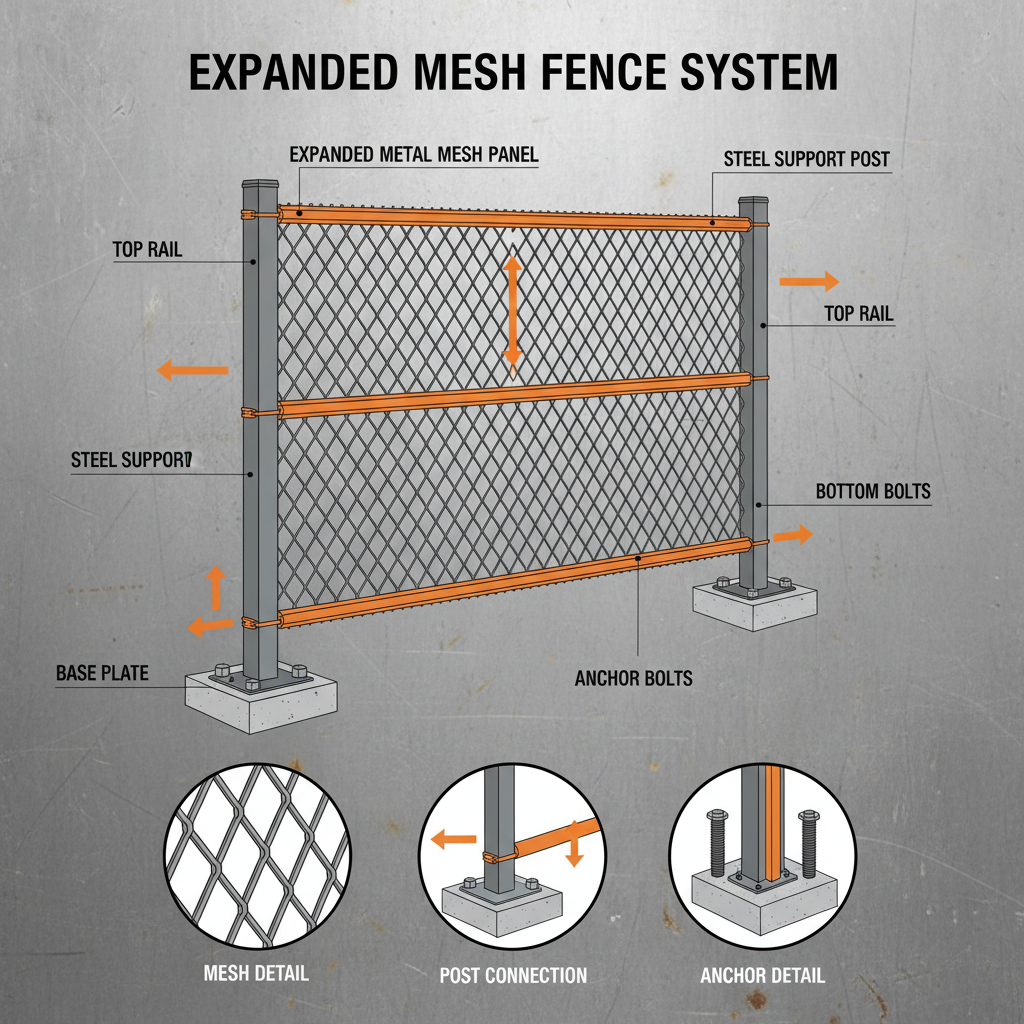
Look, I’ve spent the last fifteen years boots-on-the-ground, watching materials get abused on job sites all over. From blazing desert sun to freezing coastal winds, you learn what holds up and what doesn't. And when it comes to security fencing, safety screens, and just general robust material, expanded metal mesh black consistently proves itself. It's not glamorous, but it’s reliable – and in construction, reliability is king. We’re talking about protecting equipment, securing perimeters, and keeping people safe. That’s where expanded metal mesh black shines.
What I appreciate about it, too, is the versatility. It's not just fencing. I’ve seen it used for catwalks, stair treads, even as reinforcement in concrete. The open grid design means it’s lightweight but surprisingly strong, and the black finish adds a level of aesthetic appeal you don't always get with utilitarian materials. It's a workhorse, plain and simple. A lot of the “new” materials try to solve problems that this stuff already handles efficiently.
Frankly, a lot of times guys are chasing the latest gadget, but they forget the fundamentals. expanded metal mesh black offers a solid, cost-effective solution for a whole range of applications, and it’s been doing so for decades. It's not a hype product, it’s a proven product, and that’s what matters when you’re facing tight deadlines and even tighter budgets.
The Practicality of expanded metal mesh black
I’ll tell you what I see day in and day out: guys trying to over-engineer solutions. They’ll bring in expensive composites or complex fabricated structures when a simple sheet of expanded metal mesh black would do the job just as well, and for a fraction of the cost. It’s a matter of understanding the material and its capabilities. It's incredibly versatile – you can cut it, bend it, weld it. It integrates seamlessly into existing structures.
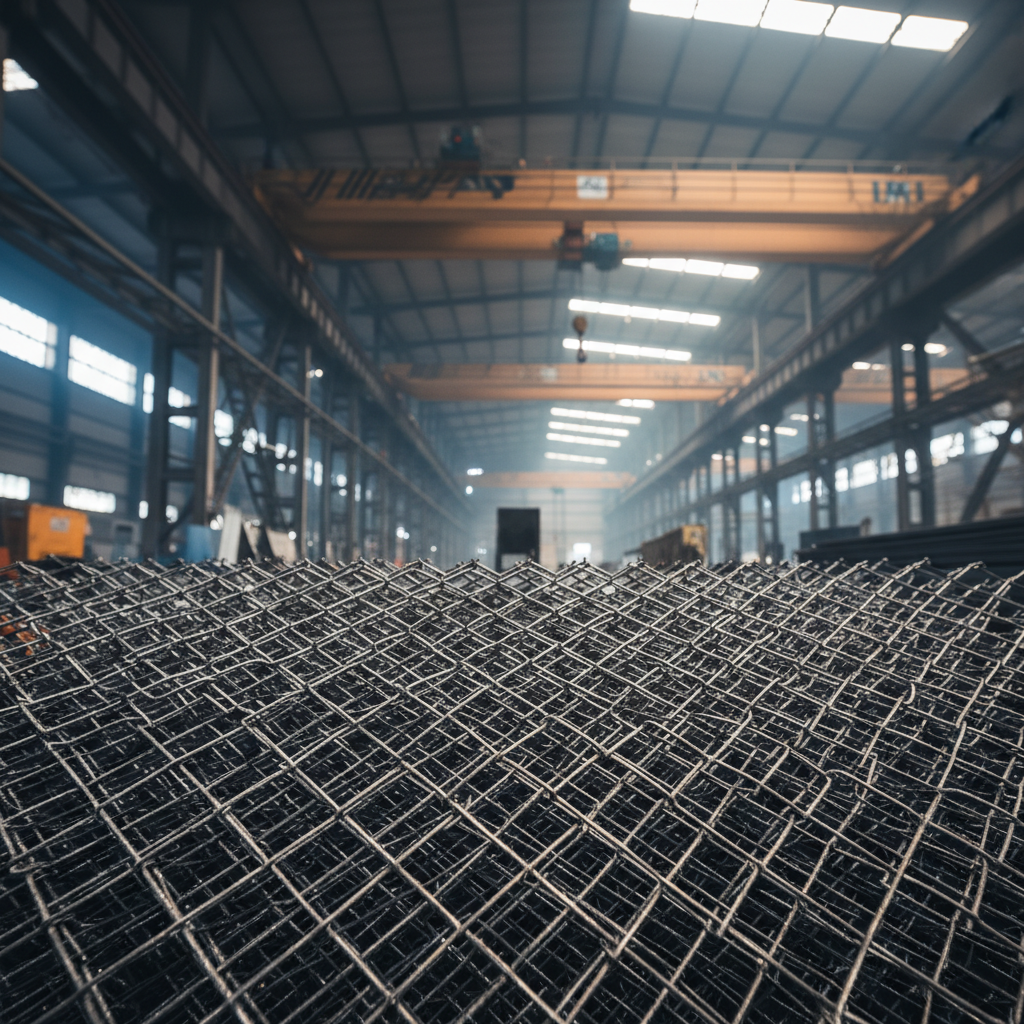
From a logistical standpoint, it's a lifesaver. It ships relatively flat, doesn’t require specialized handling equipment, and is easy to install. I’ve seen entire crews using simple bolt cutters and hand tools to get it in place. Time is money on a job site, and this stuff saves you both. It's a practical material for practical people.
Understanding the Manufacturing Process of expanded metal mesh black
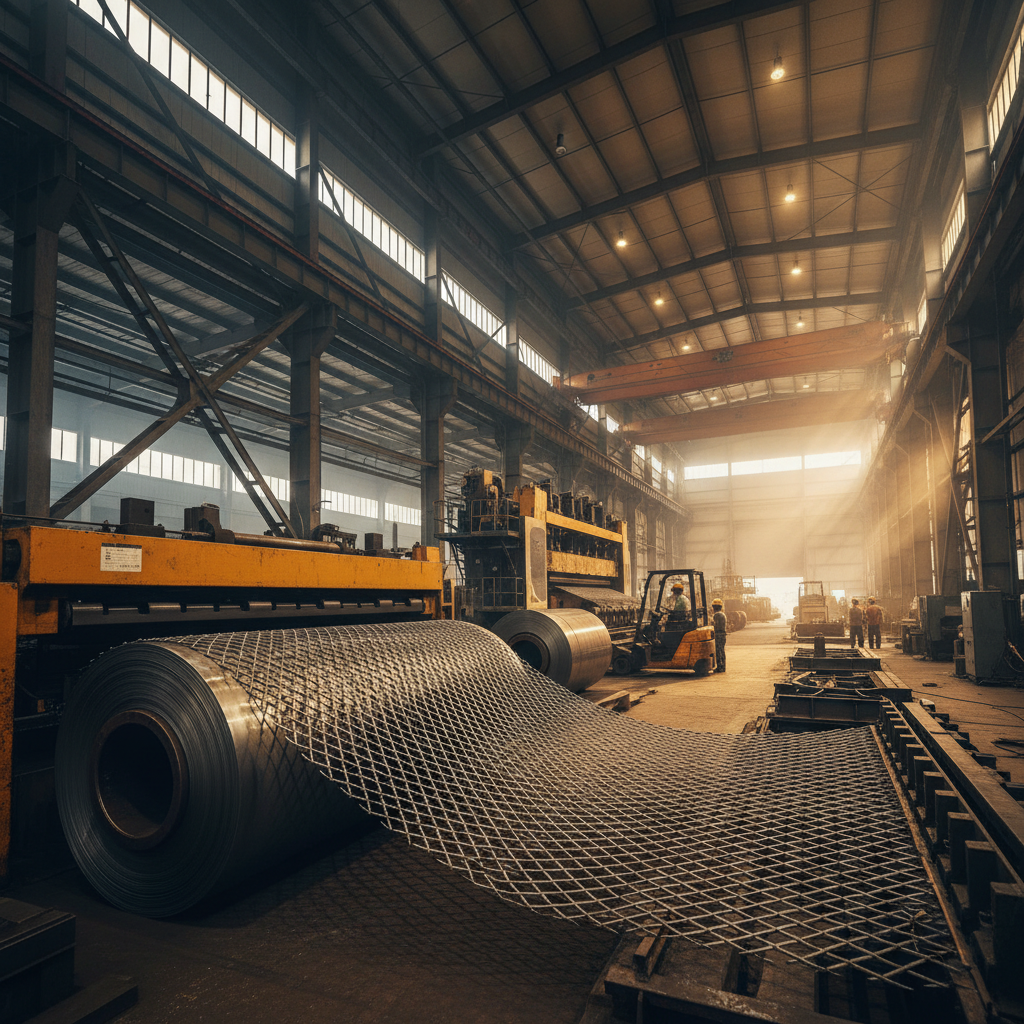
The way this stuff is made is actually pretty clever. It’s not woven like a typical wire mesh. It starts with a solid metal plate, and then it’s slit and stretched. That stretching process creates the diamond or hexagonal pattern, and that’s what gives it its strength. The black finish isn’t just cosmetic, either. It’s usually a corrosion-resistant coating that extends the life of the metal, especially in harsh environments.
Knowing the process helps you understand the limitations. You’re dealing with a single piece of metal, so there are no welds or joints to fail. But it also means you need to consider the direction of the stretch when you’re designing with it. The material is strongest in the direction of the stretch. It’s a nuance, but it can make a big difference.
The quality of the raw material matters, too. You want to make sure it's coming from a reputable supplier. A cheap sheet of expanded metal might look the same, but it won’t have the same strength or durability. You get what you pay for, always. That’s why I prefer to work with expanded metal mesh black from established manufacturers.
Key Properties of expanded metal mesh black for Construction
The open grid design is a major benefit. It allows for airflow and visibility, which is critical for things like safety screens and catwalks. It also means it doesn’t accumulate debris like solid panels would. I've seen solid panels clogged with snow and ice, creating a dangerous situation. The open design minimizes that risk.
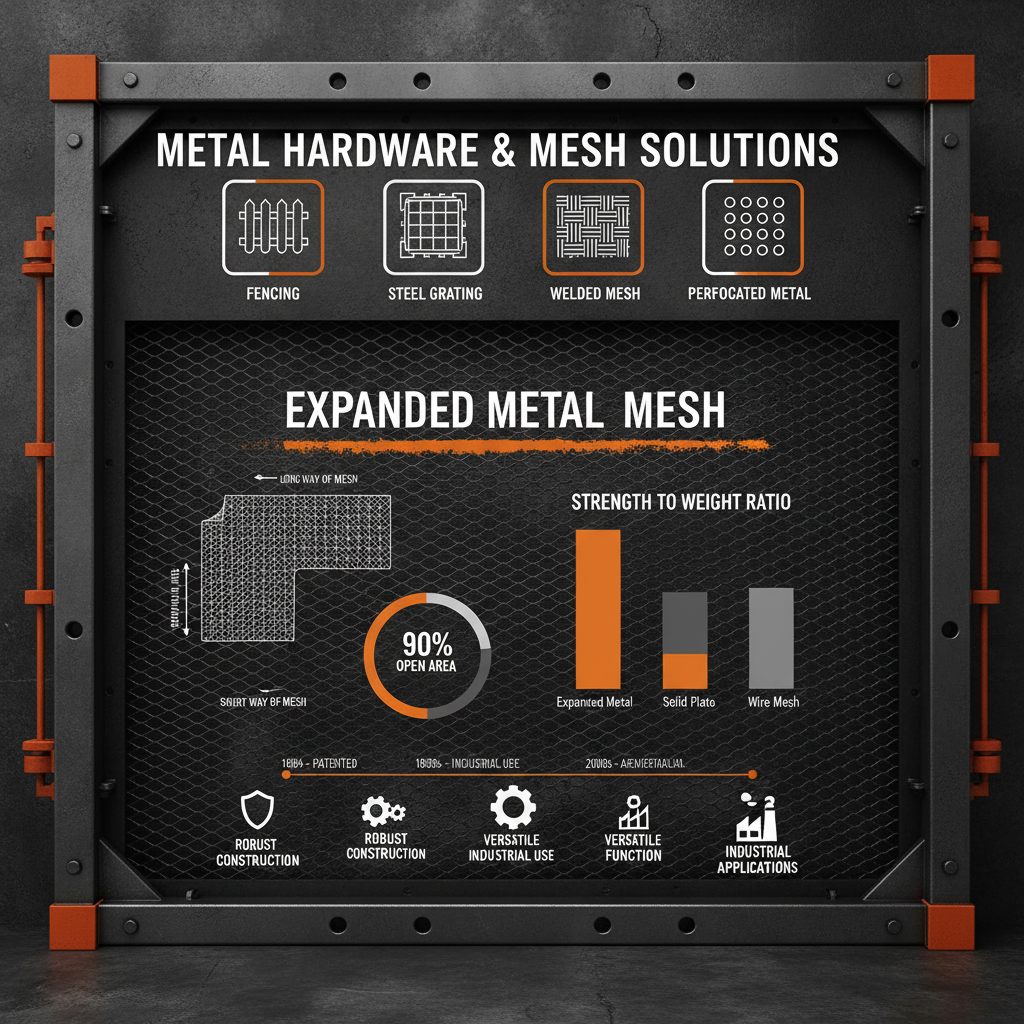
Then there’s the strength-to-weight ratio. It’s surprisingly strong for how light it is. That makes it easier to handle and install, and it reduces the load on supporting structures. You can span larger distances with less support, which saves you time and money. That’s a huge advantage on complex projects.
Finally, the durability is key. The black coating protects against corrosion, and the expanded metal itself is resistant to impact and wear. It can take a beating and still perform. I’ve seen stuff installed ten years ago still holding up perfectly. That’s the kind of longevity you want in a construction material.
Cost Analysis: expanded metal mesh black vs. Alternatives
Let’s be real, budget’s always a concern. When you stack up expanded metal mesh black against alternatives like woven wire mesh, perforated metal, or even solid panels, it almost always comes out on top in terms of value. Woven wire is cheaper upfront, but it’s less durable and doesn’t offer the same level of security.
Perforated metal looks cleaner, but it's significantly more expensive and can be prone to corrosion around the perforations. Solid panels are the strongest, but they’re also the heaviest and most expensive, and they block airflow and visibility. expanded metal mesh black strikes a good balance between cost, strength, and functionality.
Cost Comparison of Security Materials
Global Applications of expanded metal mesh black in Infrastructure
I’ve seen expanded metal mesh black used in all sorts of infrastructure projects around the world. In Europe, it’s common to see it used for pedestrian bridges and noise barriers along highways. In Asia, it's used extensively in building facades and security fencing for industrial sites.
Here in the States, you see it a lot on oil and gas platforms, power plants, and wastewater treatment facilities – anywhere you need robust security and protection from the elements. It’s also becoming increasingly popular for architectural applications, where its unique aesthetic is valued.
Long-Term Durability and Maintenance of expanded metal mesh black
The beauty of expanded metal mesh black is its low maintenance requirement. Unlike wood or other materials, it doesn’t rot, warp, or require regular painting. The black coating provides excellent corrosion resistance, and the metal itself is inherently strong and durable.
The main thing you need to do is inspect it periodically for any damage or wear. If it gets bent or damaged, it can usually be repaired with simple tools. And if the coating gets scratched, you can touch it up with a corrosion-resistant paint. That’s about it. It’s a set-it-and-forget-it type of material.
Future Trends in expanded metal mesh black Technology
We’re starting to see some interesting innovations in the expanded metal mesh world. Manufacturers are experimenting with new alloys and coatings to improve corrosion resistance and strength. There’s also a trend towards using recycled materials in the manufacturing process, which is good for the environment.
I also think we’ll see more integration of smart technologies. Imagine expanded metal mesh with embedded sensors that can detect stress or damage. That could revolutionize infrastructure monitoring and maintenance.
But honestly, the core principles of this material are solid. It’s a simple, effective, and reliable solution, and I don’t see that changing anytime soon. It'll continue to evolve, but the fundamental benefits of expanded metal mesh black will remain.
Summary of Factors Affecting expanded metal mesh black Performance
| Material Composition |
Coating Type |
Expansion Ratio |
Environmental Exposure |
| Carbon Steel |
Powder Coating |
Medium (3:1) |
Moderate Humidity |
| Stainless Steel |
Galvanized |
High (5:1) |
Coastal Salt Spray |
| Aluminum |
Anodized |
Low (2:1) |
Desert UV Exposure |
| Carbon Steel |
Hot-Dip Galvanizing |
Medium (3:1) |
Industrial Pollution |
| Stainless Steel |
Electropolished |
High (5:1) |
Food Processing Environment |
| Aluminum |
Powder Coating |
Low (2:1) |
Residential Outdoor Use |
FAQS
The lifespan really depends on the environment and the coating, but generally, with a good powder coating or galvanization, you can expect at least 10-15 years, even in harsh conditions. Stainless steel options will last significantly longer, upwards of 25+ years. Regular inspections for corrosion are key to maximizing its life. If you catch small issues early, you can prevent bigger problems down the road.
Yes, it can, but you need to use the right techniques. Carbon steel expanded metal welds very well with standard welding processes. Stainless steel requires specialized welding procedures to maintain its corrosion resistance. Aluminum expanded metal also requires specific welding techniques. It’s important to use experienced welders and appropriate filler materials for best results.
Generally, expanded metal is non-combustible and has good fire resistance. Metal itself doesn't burn, but the coating could be affected by extreme heat. However, it won’t contribute to the spread of a fire and can actually act as a barrier to slow down flame propagation. It’s often used in fire safety applications because of these properties.
A higher expansion ratio—meaning the metal is stretched more—generally results in a larger opening in the mesh. While it reduces the amount of original material, it doesn’t necessarily equate to decreased strength. The strength remains good in the direction of the stretch. A lower expansion ratio provides more material and therefore greater strength, but also a smaller opening.
Increasingly, yes. Many manufacturers now use recycled metal in their production processes, reducing the environmental impact. The long lifespan of expanded metal also means it needs to be replaced less often, minimizing waste. And because it’s often used in durable infrastructure projects, it contributes to the longevity of those projects.
You see it everywhere once you start looking! It's used for stair treads, catwalks, machine guards, ventilation screens, architectural facades, soundproofing panels, even as reinforcement in concrete. It’s a surprisingly versatile material that can be adapted to a wide range of applications where strength, durability, and an open design are needed.
Conclusion
Ultimately, expanded metal mesh black isn’t about flashy innovation. It’s about a proven material doing a job reliably and cost-effectively. Its versatility, durability, and relatively low maintenance make it a staple on construction sites and in infrastructure projects worldwide. It’s a material I trust, and one I'll continue to specify on my projects.
Looking ahead, I think we’ll see continued refinement in materials and coatings, as well as increased integration of smart technologies. But the core principles of expanded metal—strength, durability, and cost-effectiveness—will remain. If you’re looking for a practical, reliable material that can stand up to the rigors of real-world applications, expanded metal mesh black is definitely worth considering. Visit our website at www.ztwiremesh.com to learn more.