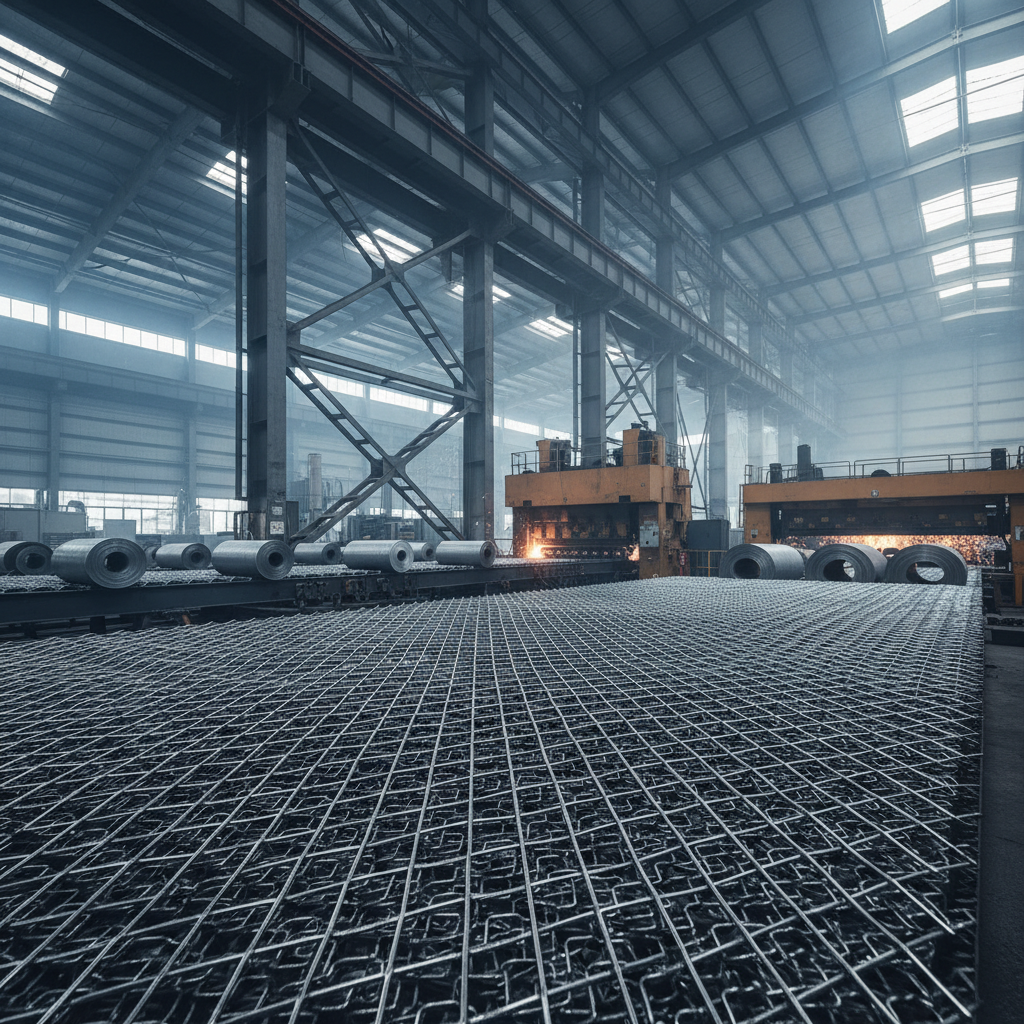
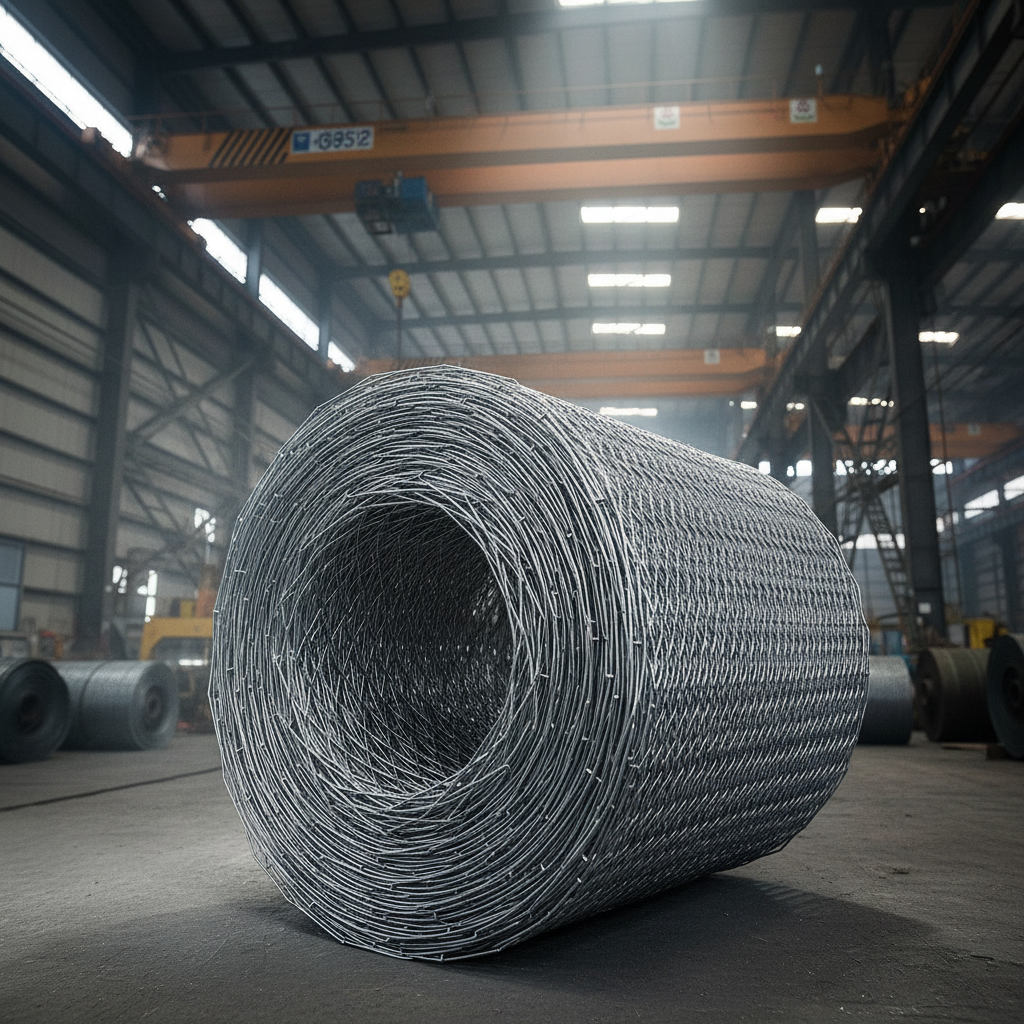
Honestly, the demand for expanded metal sheets for sale has been crazy lately. Not just from the usual construction folks, but all sorts of people. It feels like everyone's building something these days. I was at a pre-fab housing factory last month, and they were practically begging for larger orders. Seems like everyone's realized that traditional materials are either too expensive, too slow to get, or just… not cutting it anymore.
And it's not just housing. Security, industrial platforms, even soundproofing – expanded metal sheets for sale pop up everywhere. You’d be surprised how much goes into sound barriers along highways, things you never really think about. It's all about getting more strength with less material, I guess. Makes sense in today’s world.
Have you noticed how many guys are trying to go "green" now? Everyone’s talking sustainability, but a lot of them don't really understand the materials they're using. I’ve seen some pretty dodgy stuff out there, claiming to be eco-friendly when they're just… well, let's just say I wouldn’t build my house with it.
The Rising Demand for Expanded Metal Sheets
To be honest, it's not just about cost. It's about speed too. Everything needs to be built yesterday. Prefabrication is booming, and expanded metal sheets for sale fit perfectly into that model – lightweight, strong, and easy to work with. I saw a crew put up a whole wall section in under an hour. That’s impressive.
It's also about versatility. You need something that can handle a load, provide ventilation, and look decent? Expanded metal delivers. It's not pretty, necessarily, but it’s functional. And let's be real, on a construction site, functional wins every time.
Understanding Expanded Metal: It's Not Just a Grid
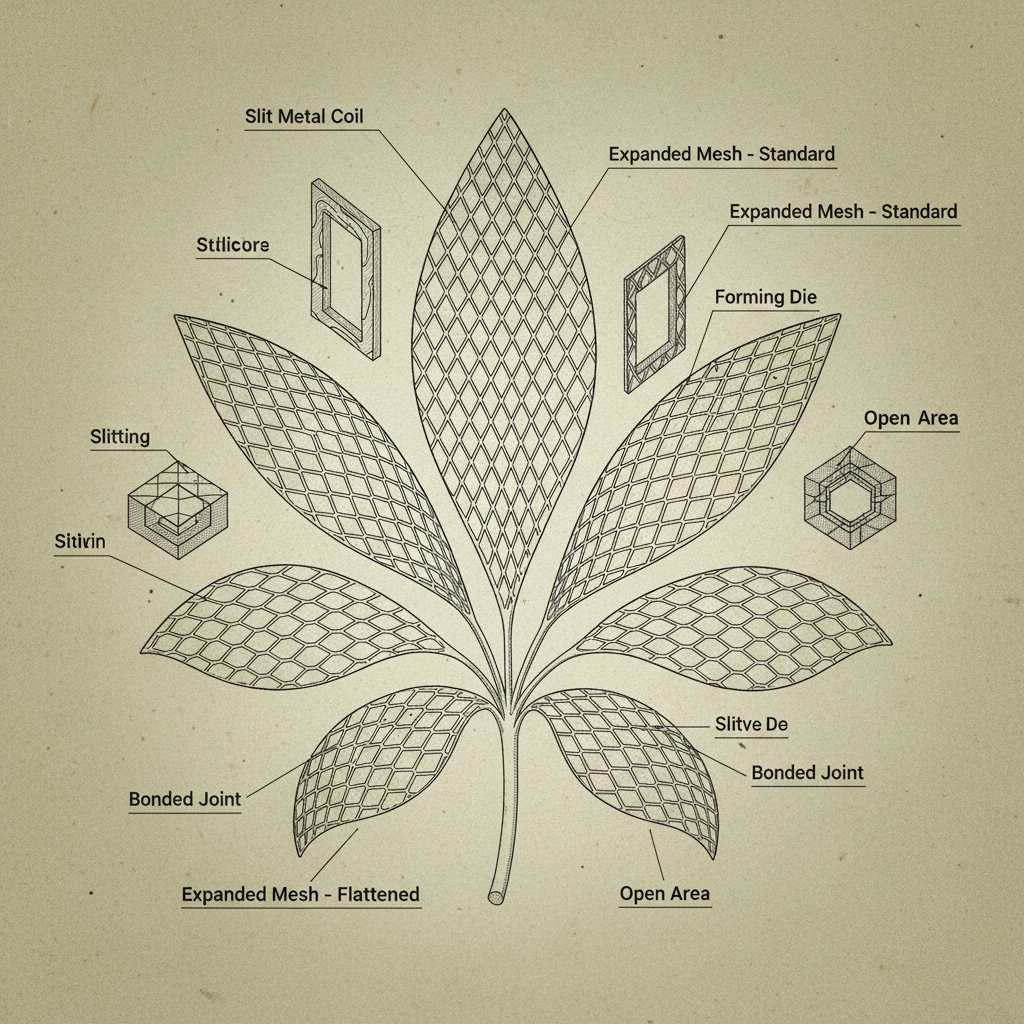
A lot of people think it’s just a bunch of holes punched in a sheet of metal. And yeah, that's the basic idea. But the way those holes are made – stretching the metal, rather than removing pieces – that's what gives it its strength. You’re essentially working with the metal’s existing properties. It’s surprisingly clever, when you think about it.
It's not like mesh, either. Mesh is woven or welded. Expanded metal is one piece. That’s a huge difference in terms of durability and how it holds up under stress. No weak points where things can come apart.
Strangely, I once had a guy try to convince me that expanded metal was weaker than solid sheet metal. I just… I don’t know where people get these ideas. It's a whole different ballgame in terms of strength-to-weight ratio.
Material Choices: Steel, Aluminum, and Beyond
Steel is the workhorse, obviously. Carbon steel, stainless steel… depends on the application. Stainless is great for corrosion resistance, but it’s expensive. Carbon steel is cheaper, but you need to protect it with paint or galvanizing. I encountered a mess at a chemical plant last time because they skimped on the galvanizing. Rusty metal everywhere.
Aluminum is another big one. Lightweight, doesn’t rust, but… it feels different. It doesn't have that solid thunk that steel does when you handle it. A lot of guys prefer the feel of steel, honestly. It just feels more… substantial. And you gotta be careful welding aluminum; it’s a whole different skill set. The smell alone is enough to give you a headache.
You also get things like titanium and some exotic alloys, but those are niche stuff. Used mostly in aerospace or really specialized applications. Expensive as heck, too. Anyway, I think most of us stick with steel and aluminum for 90% of the jobs.
Real-World Testing: Beyond the Lab
Lab tests are fine, but they don’t tell you what’s really going to happen on a job site. We test stuff by…using it. I’ve seen crews deliberately overload platforms made with expanded metal sheets for sale to see where they fail. It’s not pretty, but it's effective.
We also look at things like how it handles weathering – salt spray tests, UV exposure, that sort of thing. Because you don't want a platform rusting out after six months. That's just bad business.
Expanded Metal Sheet Performance Metrics
How They Actually Use It: Surprising Applications
You’d be surprised. I saw one guy using it as a trellis for his tomato plants. Said it provided good support and airflow. I’m not sure I’d recommend it for that, but hey, it worked for him.
More commonly, it's for walkways, stair treads, safety grating… things where you need a non-slip surface. And sound barriers, like I mentioned before. Those things are surprisingly effective at blocking out noise.
Advantages and Disadvantages: The Honest Truth
Advantages? Lightweight, strong, good ventilation, relatively inexpensive. You get a lot of bang for your buck. Disadvantages? It can be sharp. You need to be careful with the edges. And it doesn't offer complete protection from the elements. Rain will still get through.
Also, if you need something really secure, expanded metal isn't the best choice. It's easy enough to cut with the right tools. It’s more about deterring casual access than stopping a determined intruder.
Later… Forget it, I won’t mention it.
Customization Options: Making it Fit Your Needs
You can get different mesh sizes, different metal thicknesses, different finishes. I had a client last month, a small boss in Shenzhen who makes smart home devices, insisted on changing the interface to . Said it was "future-proof". The result was a three-week delay and a whole lot of swearing because all his existing cables were USB-A.
Anyway, with expanded metal, you can customize the sheet size, the pattern of the openings, even the shape of the openings. You can get it bent or rolled to fit specific curves. It's surprisingly flexible, once you know what you're doing.
We had a job last year where they needed a curved screen for a stage set. Expanded metal was perfect for that. We just rolled it to the right radius and it looked fantastic.
Expanded Metal Sheet Customization Details
| Sheet Thickness (mm) |
Opening Type |
Surface Finish |
Typical Application |
| 1.5 |
Rhombus |
Galvanized |
Walkways & Stair Treads |
| 2.0 |
Hexagonal |
Powder Coated |
Security Fencing |
| 2.5 |
Square |
Mill Finish |
Industrial Platforms |
| 3.0 |
Diamond |
Stainless Steel |
Food Processing Equipment |
| 1.0 |
Rectangular |
Unfinished |
Sound Barriers |
| 4.0 |
Offset |
Anodized |
Architectural Facades |
FAQS
You've got to be careful. A standard metal cutting saw will just tear it up. You want a nibbler tool, or a plasma cutter with a very fine setting. A good abrasive cutoff wheel can work, but you need to go slow and steady, and be prepared for a lot of sparks. And wear safety glasses, always!
Galvanizing is your friend. Or, you can paint it with a good quality rust-inhibiting primer and paint. Regular maintenance is key, too. Inspect it regularly and touch up any spots where the paint is chipping or the galvanizing is worn away. Especially if it’s exposed to salt air. That stuff eats metal alive.
Flattened expanded metal is... well, it's been flattened! They run it through rollers after it's expanded, which makes the openings more uniform and removes some of the texture. It’s easier to walk on, and it looks a bit cleaner. But it’s also slightly weaker than regular expanded metal. Depends on your application.
Yes, but it's trickier than welding solid sheet metal. You need a skilled welder and the right settings. The openings can make it harder to get a good weld. You want to use a lower heat setting and avoid warping the metal. Spot welding is often the best approach.
That depends on the thickness of the metal, the size of the openings, and the span between supports. You need to do a load calculation. Generally, you want to keep the load below 200 lbs per square foot for most applications. But it’s always best to consult with an engineer to be sure.
It can be, to a degree. It doesn’t block sound entirely, but it breaks up sound waves and reduces noise transmission. It’s often used in conjunction with other soundproofing materials, like insulation and acoustic panels. The thicker the metal and the smaller the openings, the better it works.
Conclusion
So, there you have it. Expanded metal sheets for sale: versatile, strong, relatively inexpensive, and a whole lot more useful than most people realize. It’s not a perfect material, it has its limitations, but it’s a workhorse that gets the job done in a wide range of applications. It's a material that's seen a real surge in popularity, and I don’t see that changing anytime soon.
Ultimately, whether this thing works or not, the worker will know the moment he tightens the screw. And if he’s happy, then I'm happy. If you're looking for expanded metal sheets for sale, you can check out ztwiremesh.com. They’ve got a good selection and they know their stuff.