0%

Table of Contents

You know, lately, everyone's buzzing about prefabrication. Seriously. It's all anyone talks about on site. Prefab this, prefab that. Makes sense, right? Labor's getting harder to find, costs are climbing, and everyone wants things faster. But to be honest, a lot of the prefab stuff I've seen… well, it’s not always as seamless as they promise in the brochures. You get these fancy designs, but then trying to actually bolt it all together in the real world… That's when the fun begins.

Have you noticed how often designers forget about access? They’ll spec something really clever, but then there’s no way to actually get a wrench in there to tighten the bolts. Happened to me last month on a project near Ningbo. Beautiful design, mind you, but impossible to maintain. Anyway, I think the key is always simplifying things. Less is often more, especially when you’re dealing with guys who are working in the rain and trying to make a deadline.

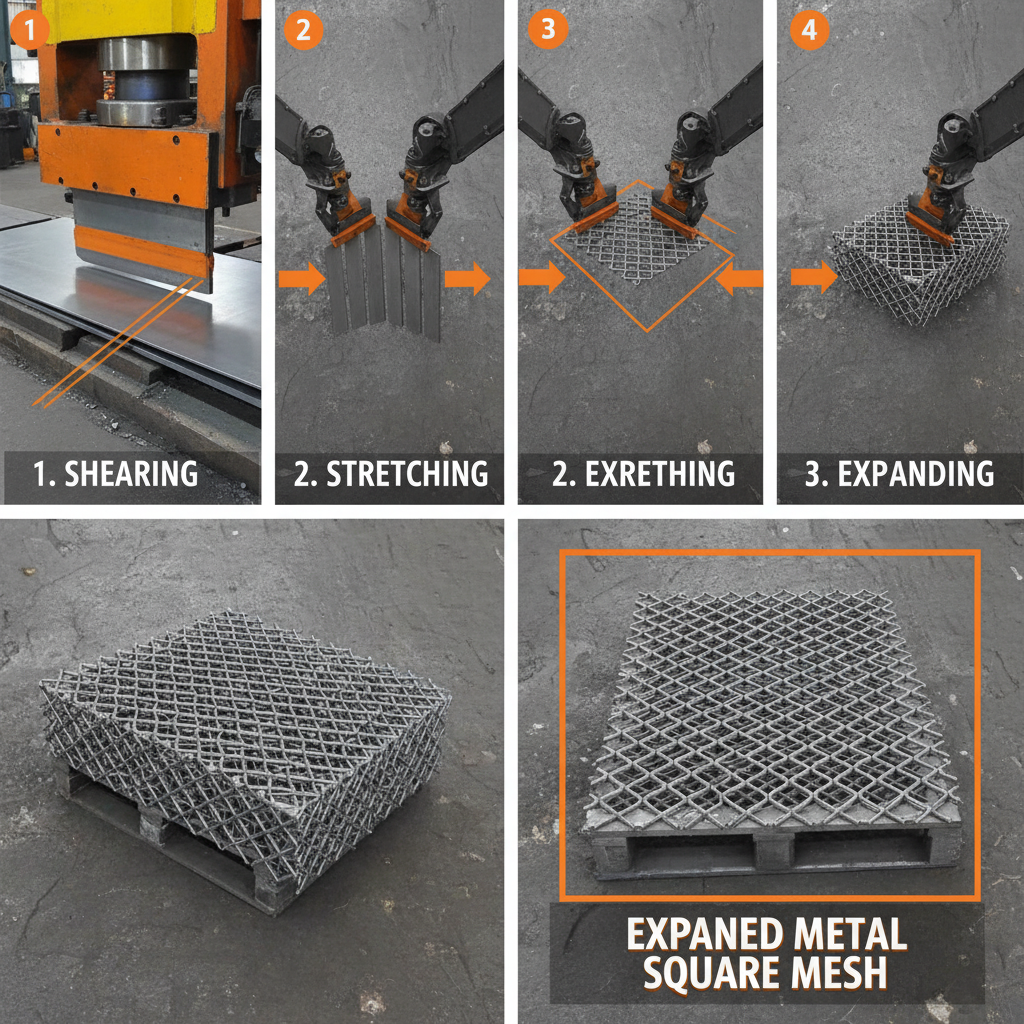
We primarily work with galvanized steel for most of our expanded metal mesh for sale – it's just the workhorse of the industry. Feels solid, you know? A good heft to it. It smells… metallic, obviously. Not a bad smell, just… industrial. Handling it, you gotta be careful with the edges, they can be sharp. We get it in rolls, mostly, but also in sheets depending on the project. Some suppliers try to push you towards lighter gauge stuff, but trust me, you want the heavier stuff. It holds up better, lasts longer. It’s a little more expensive up front, but you save money in the long run.
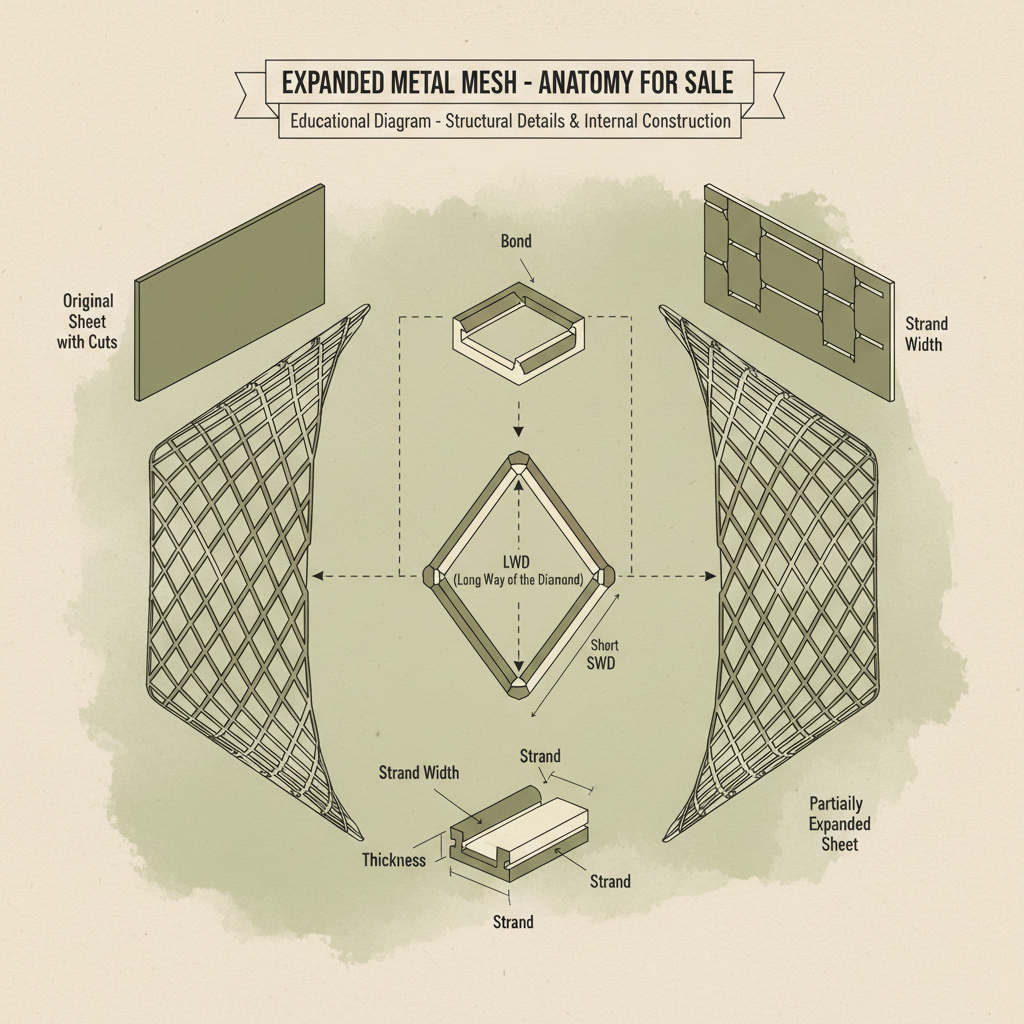
expanded metal mesh for sale

The Rise of Prefabrication and Design Challenges

expanded metal mesh for sale

Look, everyone’s chasing efficiency. It's unavoidable. But you gotta remember what actually works on the ground. Strangely, a lot of architects come from this world where everything is perfect angles and clean lines. They don’t understand that things bend, they warp, they… well, they’re rarely exactly as drawn. We've been pushing for more collaboration with the design teams, getting them out on site, letting them see how things really get built. It's a slow process, but it’s starting to make a difference.

The biggest issue I see with prefabrication is the lack of flexibility. If something needs to be adjusted, it’s a huge headache. With traditional construction, you can usually make changes on the fly. With prefab, you're often stuck. Later… forget it, I won’t mention it.

Material Matters: A Deep Dive into Galvanized Steel

Galvanized steel. It’s the standard for a reason. You get that zinc coating, which protects it from rust. It’s strong, it’s relatively lightweight, and it’s affordable. We also occasionally use stainless steel for more corrosive environments, but that’s a whole different price point. To be honest, stainless feels… cold. Galvanized has a bit more character.

I encountered this at a chemical plant last time; they insisted on using a cheaper coating, and within six months it was all corroded and falling apart. They ended up having to replace the entire system. Lesson learned, right? You cheap out on materials, you pay for it later. It’s a saying as old as time.

And the quality of the galvanization makes a huge difference. You want a thick, even coating. You can tell by looking at it, honestly. A good coating will have a consistent, shiny finish. A bad one will look patchy and dull. You can also do a little scratch test – a good coating will resist scratching.

Real-World Testing: Beyond the Lab

Labs are fine, I guess, but they don't simulate a real construction site. We test our expanded metal mesh for sale the old-fashioned way: we put it through the wringer. We bend it, we twist it, we drop things on it. We leave it out in the rain, in the sun, in the snow. We even bury some of it underground to see how it holds up to corrosion.

We also get feedback from the guys on site. They’re the ones who are actually using the material, so their input is invaluable. They’ll tell you straight up if something’s a pain to work with or if it’s not holding up. Sometimes their methods aren't exactly scientific, but the results speak for themselves.

One thing we started doing recently is simulating different load conditions. We use a hydraulic press to apply different amounts of force to the mesh and see how it deforms. It gives us a good idea of its strength and durability. We film everything, too. Because if something goes wrong, you want to have proof that you did your due diligence.

Unexpected Applications and User Adaptations

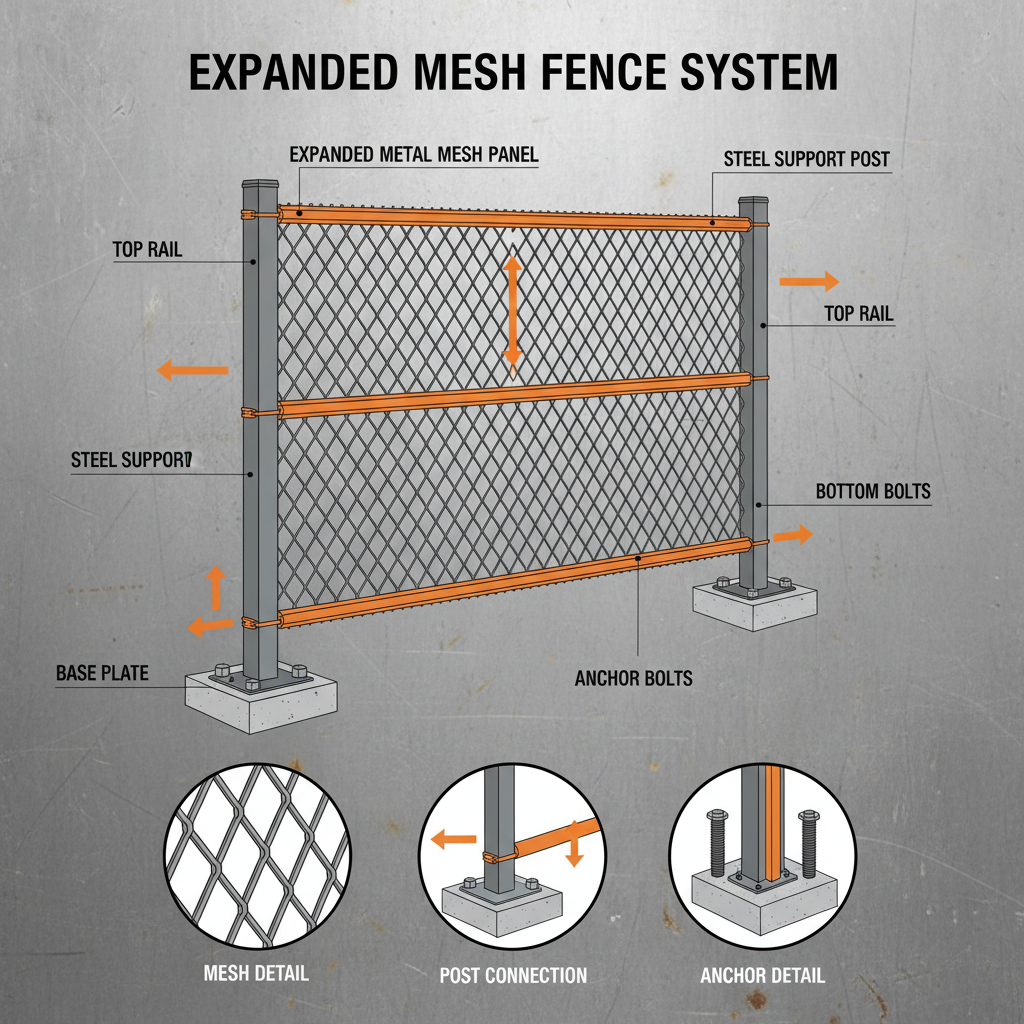
You wouldn't believe some of the things people use this stuff for. Obviously, it’s great for walkways, platforms, stair treads. But we’ve also had customers use it for security fencing, animal enclosures, even art installations. One guy used it to build a giant sculpture of a dragon. Seriously.

And people always find ways to adapt it to their specific needs. They’ll cut it, bend it, weld it, do all sorts of things. That’s why it’s important to have a product that’s versatile and easy to work with. It can’t be too brittle or too difficult to manipulate.

Expanded Metal Mesh for Sale Application Ratings


Advantages and Disadvantages: A Pragmatic View

Okay, let’s be real. Expanded metal mesh for sale is great for grip, it’s strong, and it’s relatively easy to install. It allows light and air to pass through, which is important for a lot of applications. Plus, it's surprisingly affordable. But it's not perfect. It can be a pain to walk on with certain types of footwear, especially heels. And it can collect debris, which can be a safety hazard.

The biggest downside, in my opinion, is the potential for corrosion. Even galvanized steel will eventually rust, especially in harsh environments. You need to be diligent about maintenance. Regular cleaning and painting can help extend its lifespan, but it’s still a factor.

Customization Capabilities and a Shenzhen Story

We do a lot of customization. Different sizes, different mesh patterns, different coatings. One of the most common requests is for a specific opening size. Some customers need a smaller opening to prevent things from falling through, while others need a larger opening for better drainage.

Last month, that small boss in Shenzhen who makes smart home devices insisted on changing the interface to for our mesh platforms. He said it was “more modern.” It was a complete nightmare. The existing designs were all based on USB-A, and retooling everything took weeks. It ended up costing him a fortune, and he still didn’t get his order on time. I felt bad for the guy, but you gotta stick to what works, you know?

Anyway, I think the key is to find a supplier who is willing to work with you and who understands your specific needs. There are a lot of companies out there who just want to sell you what they have in stock. You want a partner, not just a vendor.

The Verdict: A Worker's Perspective

Look, I've been doing this for a long time. I’ve seen a lot of materials come and go. And expanded metal mesh for sale? It’s a solid choice. It’s not the fanciest material, it’s not the most innovative, but it gets the job done.

It’s reliable, it’s durable, and it’s relatively easy to work with. That’s what matters on a construction site. That’s what the guys appreciate.

Ultimately, whether this thing works or not, the worker will know the moment he tightens the screw.

Here is a simple table summarizing key factors influencing expanded metal mesh for sale performance.

Material Grade Coating Type Mesh Opening Size Load Capacity (lbs/sq ft)
Mild Steel Galvanized 1/2" x 1/2" 150
Stainless Steel 304 Uncoated 1" x 1" 200
Mild Steel Powder Coated 3/4" x 3/4" 175
High-Strength Low Alloy Steel Galvanized 1/4" x 1/4" 250
Aluminum 5052 Anodized 1" x 2" 100
Mild Steel Hot-Dip Galvanized 1/2" x 1" 180

FAQS

What's the best way to clean expanded metal mesh to prevent rust?

Regular cleaning is key. Use a mild detergent and water to remove dirt and debris. For heavier rust, a wire brush or abrasive cleaner can be used, but be careful not to damage the galvanization. After cleaning, you can apply a rust inhibitor or paint to protect the surface. Regular maintenance like this can significantly extend the lifespan of your expanded metal mesh for sale, especially in coastal environments.

Can expanded metal mesh be welded?

Yes, expanded metal mesh can be welded, but it requires some skill and the right equipment. You'll need a low-hydrogen electrode to prevent cracking. The welding process can slightly distort the mesh, so careful planning and execution are essential. It’s also important to consider the coating – welding can burn off the galvanization, so you may need to re-coat the welded area to prevent corrosion.

What's the difference between mild steel and stainless steel expanded metal mesh?

Mild steel is cheaper and stronger, but it’s prone to rust if not properly protected. Stainless steel is much more corrosion-resistant, making it ideal for harsh environments, but it's significantly more expensive. Stainless also has a different aesthetic, which may be important for certain applications. The best choice depends on your budget and the specific requirements of your project.

How do I calculate the amount of expanded metal mesh I need for a project?

First, measure the area you need to cover. Then, add 10-15% for waste and overlaps. It’s always better to overestimate than underestimate! Consider the panel size of the mesh you're ordering to minimize cutting and waste. If you're unsure, it's best to consult with a supplier who can help you calculate the correct amount.

Is expanded metal mesh a safe walking surface?

Expanded metal mesh can be a safe walking surface, but it depends on several factors. The mesh pattern, the thickness of the material, and the underlying support structure all play a role. It’s important to ensure that the mesh is securely fastened and that the openings are small enough to prevent people from slipping or falling through. Regular inspection and maintenance are also crucial.

Can I get expanded metal mesh in different colors?

Yes, you can! While most expanded metal mesh for sale is available in its natural galvanized or stainless steel finish, it can be powder-coated in a wide range of colors. This is a great way to customize the appearance of the mesh and match it to your project’s aesthetic. Powder coating also adds an extra layer of protection against corrosion.

Conclusion

So, there you have it. Expanded metal mesh for sale isn't the flashiest building material out there, but it's a workhorse. It’s durable, versatile, and affordable, and when properly specified and installed, it can last for years. It’s seen a lot of changes lately with all the prefabrication trends, but ultimately, it's still a solid choice for a wide range of applications.

The industry is constantly evolving, and new materials and techniques are always emerging. But one thing will always remain true: a well-designed and properly constructed system will always outperform a poorly designed and hastily built one. Ultimately, whether this thing works or not, the worker will know the moment he tightens the screw.

David Chen

David Chen

David Chen is a Senior Application Engineer at Zhongtai, dedicated to providing technical support and expertise to our US-based clients. David focuses on ensuring our products – including bar grating and wire mesh fences – meet stringent safety and performance standards across diverse applications like highway construction, airport infrastructure, and
Previous expanded metal sheets for sale

Subscribe now!

Stay up to date with the latest on Fry Steeland industry news.
SIGN UP