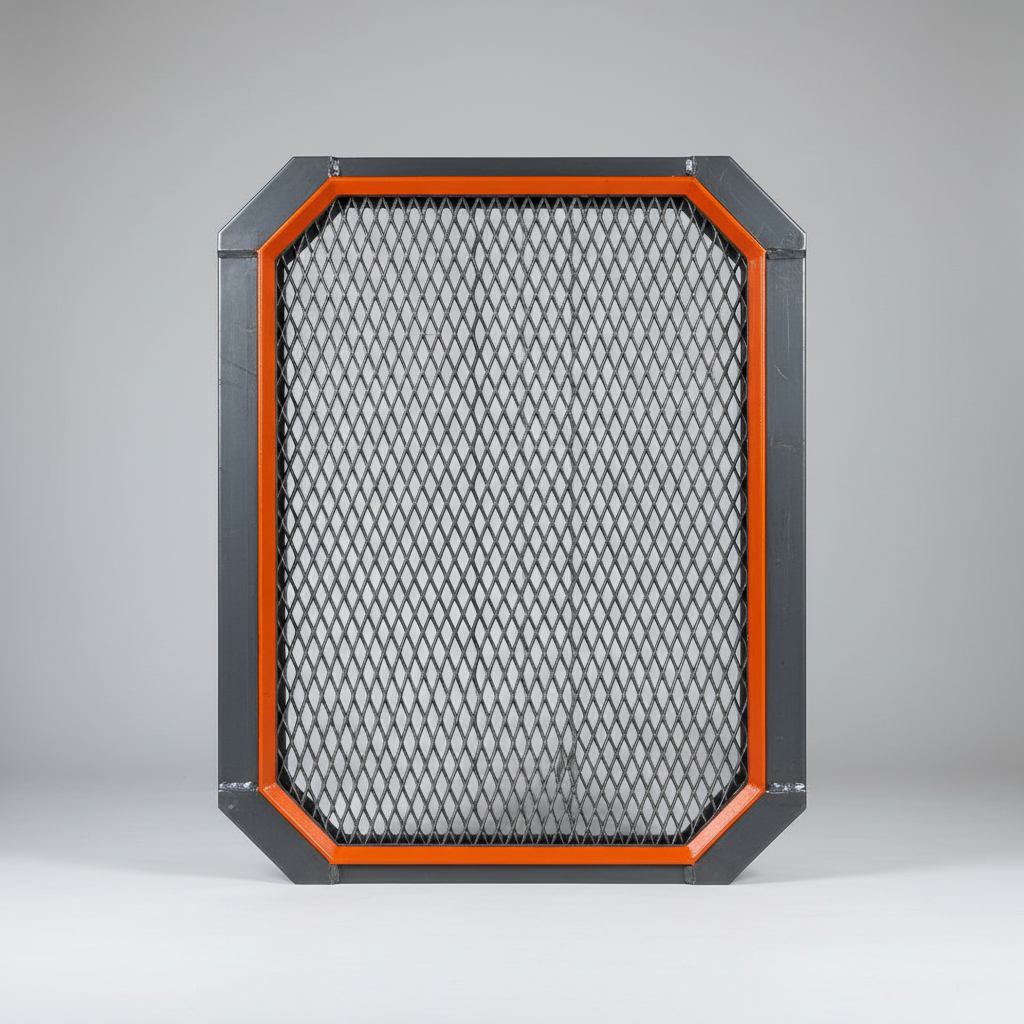
Steel bar grating is a fundamental component in modern industrial infrastructure, providing a robust solution for flooring and platforms that require high strength and drainage. When searching for high-quality steel bar grating for sale, engineers and procurement specialists prioritize materials that can withstand extreme weights while ensuring the safety of personnel through non-slip surfaces. The global demand for these systems continues to rise as industrial facilities expand their capacity and safety regulations become more stringent.
The versatility of these grating systems allows them to be integrated into a wide array of environments, from chemical processing plants to mining sites and urban walkways. By utilizing precision-engineered bearing bars and cross bars, these structures offer an optimal balance between structural integrity and weight efficiency. Understanding the technical nuances of pitch, bar thickness, and surface treatment is essential for anyone looking to invest in durable flooring solutions that minimize long-term maintenance costs.
Whether you are upgrading an existing facility or designing a new project, finding the right steel bar grating for sale involves analyzing the specific load-bearing requirements and environmental stressors of your site. By choosing customized configurations—such as I-section or serrated bars—industries can ensure maximum operational efficiency and worker safety.
Technical Specifications of Steel Bar Grating
The structural efficiency of steel bar grating depends heavily on the geometry of its components. Bearing bars, which carry the primary load, are available in thicknesses ranging from 3mm to 16mm and widths from 10mm to 150mm. The pitch of these bars—the distance between their centers—is a critical variable; common recommendations include 25mm, 30mm, 34mm, and 40mm to ensure a stable walking surface.
Complementing the bearing bars are the cross bars, which maintain the spacing and provide lateral stability. These typically feature a pitch between 24mm and 200mm, with 50mm, 76mm, and 100mm being the most widely recommended for general industrial use. Together, these specifications create a rigid grid that allows for air and liquid penetration while supporting heavy machinery and foot traffic.
Industrial Load-Bearing Categories
Choosing the correct grating type requires an understanding of the specific load requirements of the installation site. For instance, grating with a 30mm pitch between bearing bars is considered the gold standard for industrial fields due to its superior resistance to surface lash, making it ideal for high-traffic areas where durability is non-negotiable.
For applications where the span is small and weight reduction is a priority, a 40mm pitch is the most economical and lightest option. This configuration provides sufficient support for light-duty walkways and platforms without adding unnecessary bulk to the overall structure, effectively reducing material costs without compromising basic safety.
In specialized environments like the mining industry, a unique configuration is often employed: a 60mm pitch between bearing bars and a 50mm pitch between cross bars. This design is specifically developed to solve the problem of mineral splash, ensuring that debris does not accumulate on the plate, thereby maintaining a safer working environment in processing plants.
Material Selection and Surface Treatment
The longevity of steel bar grating for sale is largely determined by the material and the protective coating applied. Low carbon steel is the standard for most industrial applications due to its strength and cost-effectiveness, while stainless steel is reserved for highly corrosive environments or food-grade facilities where hygiene is paramount.
Surface treatments are essential to prevent oxidation and wear. Hot-dip galvanizing is the most common choice, providing a thick zinc layer that protects the steel from moisture and chemicals. Alternatively, painted finishes are used for color-coding or aesthetic requirements, while untreated steel is only used in controlled environments or as a base for secondary coatings.
Furthermore, the profile of the bearing bar—whether plain, serrated, or I-section—affects both the grip and the load capacity. Serrated bars are critical for oil-prone or wet areas to prevent slips, while I-section bars offer an optimized strength-to-weight ratio, making them a popular choice for large-scale industrial platforms.
Comparative Performance Analysis
Evaluating the performance of various grating configurations allows engineers to optimize for both cost and safety. For example, the 30mm bearing bar pitch combined with a 76mm cross bar pitch is the most popular configuration worldwide, striking a perfect balance for standard walkways and platforms.
By comparing these options, it becomes clear that the choice of grating should be driven by the specific operational needs of the site, whether that be maximum load capacity, maximum drainage, or minimum weight.
Performance Ratings of Steel Bar Grating Configurations
Global Application Scenarios
Across the globe, these grating systems are indispensable in oil and gas refineries, where the combination of hot-dip galvanizing and serrated bars ensures that platforms remain safe despite the presence of lubricants and corrosive chemicals. In these high-stakes environments, the reliability of the flooring can directly impact the safety of the entire workforce.
Similarly, in urban infrastructure and public works, steel bar grating is used for drainage covers and pedestrian bridges. Its ability to let light and water pass through makes it an eco-friendly choice for city planning, reducing the risk of flooding while providing a stable, long-lasting walking surface for thousands of daily commuters.
Engineering Challenges and Solutions
One of the primary challenges in deploying steel grating is the risk of corrosion in saltwater or chemical-heavy environments. While standard galvanizing is effective, extreme conditions may require the use of stainless steel or specialized epoxy coatings to prevent structural degradation over time.
Another common issue is the "bounce" or deflection experienced in large-span platforms. To solve this, engineers increase the bearing bar thickness or reduce the pitch to 22mm or 25mm, thereby increasing the moment of inertia and providing a stiffer, more secure feel underfoot.
Installation precision also remains a hurdle; improperly secured panels can lead to noise pollution and premature wear. Using customized clipping systems and precise panel cutting ensures a seamless fit, reducing vibration and extending the overall lifespan of the installation.
Customization Standards for Grating Systems
Customization is at the heart of high-performance grating design. Since every industrial site has unique requirements, the ability to specify exact bearing bar widths (from 10mm up to 150mm) and customized cross bar pitches allows for a tailored approach to load management and drainage.
From the choice of I-section bars for weight efficiency to plain bars for standard applications, the flexibility in design ensures that the final product meets both the budget and the technical requirements of the project. This bespoke approach is what differentiates a generic product from a professional engineering solution.
The integration of various surface treatments, including painted and untreated options, further enables these systems to blend into the architectural or industrial design of the facility while maintaining their core protective functions.
Technical Configuration Matrix for Steel Bar Grating
| Configuration Type |
Primary Use Case |
Bearing Bar Pitch |
Load Capacity |
| Industrial Heavy Duty |
Factory Floors |
30mm |
High |
| Economic Light Duty |
Small Span Walkways |
40mm |
Medium |
| Mining Specialist |
Processing Plants |
60mm |
High (Debris Optimized) |
| Universal Standard |
General Platforms |
30mm / 76mm |
Balanced |
| Corrosive Zone |
Chemical Plants |
Custom (Stainless) |
High |
| Anti-Slip Grade |
Wet Environments |
30mm (Serrated) |
High Safety |
FAQS
For most industrial applications, a 30mm pitch between bearing bars is highly recommended. This configuration provides the strongest resistance to surface lash and offers excellent stability for heavy foot traffic and machinery, ensuring a safe and durable flooring solution for the long term.
Yes, the products can be fully customized to meet your specific requirements. You can specify the bearing bar thickness (3-16mm), width (10-150mm), and the pitch for both bearing and cross bars to ensure the grating fits your architectural needs and load requirements perfectly.
Hot-dip galvanizing is the superior choice for outdoor or humid environments. It creates a thick, protective zinc coating that prevents rust and corrosion, significantly extending the lifespan of the steel compared to untreated or simply painted options.
Plain bars provide a smooth surface suitable for general use, whereas serrated bars feature a notched profile that increases friction. Serrated bars are essential for environments where oil, water, or ice are present, as they provide a critical anti-slip surface for worker safety.
Yes, stainless steel is available as a material option. It is highly recommended for chemical processing plants, food production facilities, or marine environments where standard carbon steel, even when galvanized, would succumb to aggressive corrosion.
For the mining industry, a specific configuration with a 60mm pitch between bearing bars and a 50mm pitch between cross bars is recommended. This design is optimized to prevent mineral splash and debris accumulation, keeping the walkways clear and safe.
Conclusion
Steel bar grating represents a critical intersection of material science and structural engineering, providing the essential foundation for safety and efficiency in industrial environments. From the precise selection of bearing bar pitches to the application of protective galvanized coatings, every detail contributes to the system's ability to withstand immense loads while ensuring drainage and slip resistance. By understanding these technical specifications, businesses can make informed decisions that reduce maintenance costs and maximize worker safety.
As industrial requirements evolve toward greater sustainability and higher safety standards, the move toward customized, high-strength grating solutions becomes even more significant. Investing in precision-engineered steel components not only ensures compliance with global safety regulations but also enhances the operational longevity of the facility. For those seeking reliable, high-quality steel bar grating for sale, we invite you to explore our comprehensive range of solutions. Visit our website: www.ztwiremesh.com