In the demanding world of industrial filtration and security, heavy duty expanded steel mesh stands as a cornerstone of structural integrity and versatility. By utilizing a precise process of slitting and stretching, this material transforms standard steel sheets into a high-strength network capable of withstanding extreme mechanical loads while maintaining an open area for airflow or liquid passage.
Globally, the demand for reinforced metal solutions has surged as infrastructure projects grow in scale and complexity. From chemical processing plants to high-security perimeter fencing, the ability to customize hole shapes—ranging from standard diamonds to complex irregular patterns—makes this material indispensable for engineers who refuse to compromise between strength and permeability.
Understanding the technical nuances of heavy duty expanded steel mesh, such as the relationship between material thickness and aperture size, is critical for optimizing cost and performance. When specified correctly, these mesh solutions provide long-term durability and safety, reducing the need for frequent replacements in the most corrosive or high-impact environments.
Global Industrial Context of Heavy Duty Expanded Steel Mesh
The global industrial landscape is currently undergoing a transition toward "extreme durability," where materials must meet stricter ISO standards for safety and longevity. heavy duty expanded steel mesh has become a primary solution for these requirements, particularly in heavy machinery and civil engineering. As urban centers expand, the need for reinforced grating and security barriers that can withstand seismic activity or high-traffic impact has never been higher.
In many regions, the challenge lies in balancing the weight of the installation with its load-bearing capacity. Traditional solid plates are often too heavy or block necessary ventilation, while light meshes fail under pressure. This is where the engineered geometry of expanded steel provides a mathematical advantage, offering a high strength-to-weight ratio that satisfies both structural engineers and procurement managers looking to reduce shipping costs without sacrificing safety.
Technical Definition and Material Composition
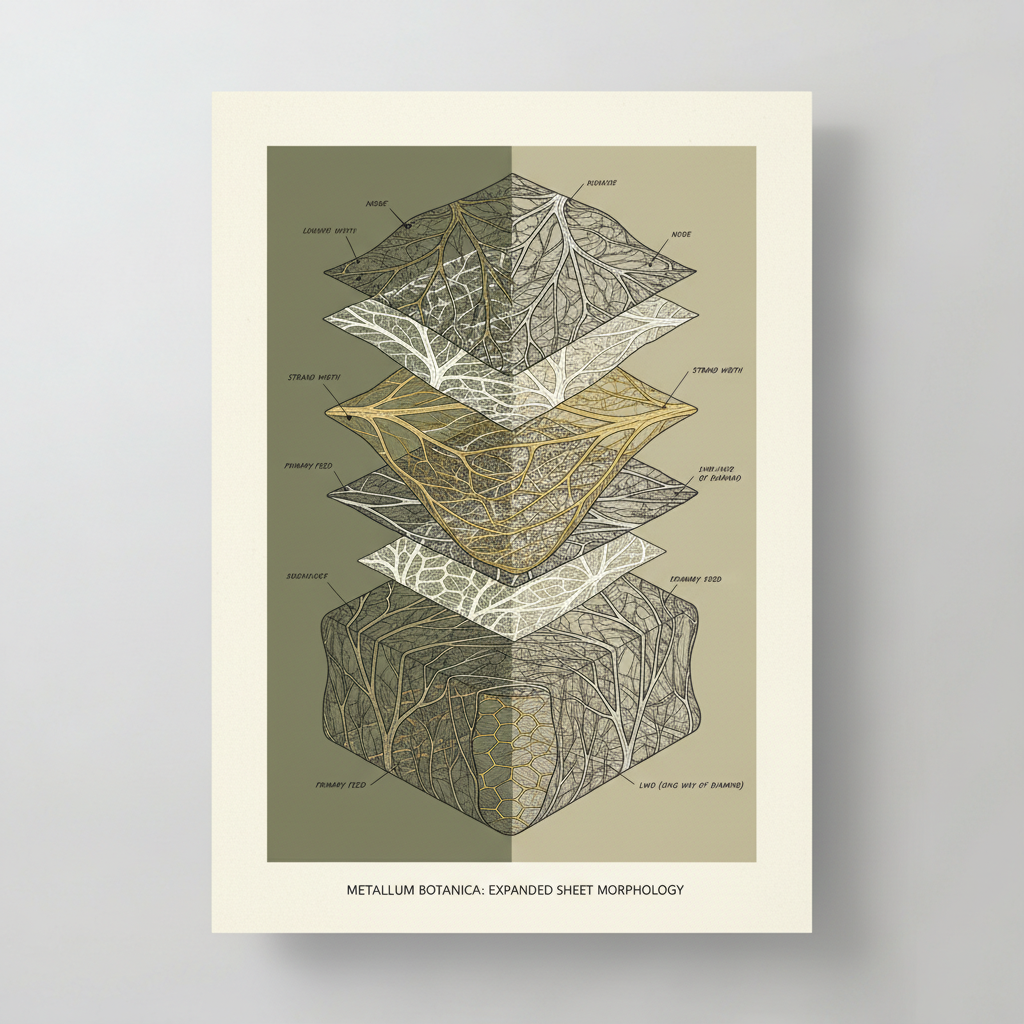
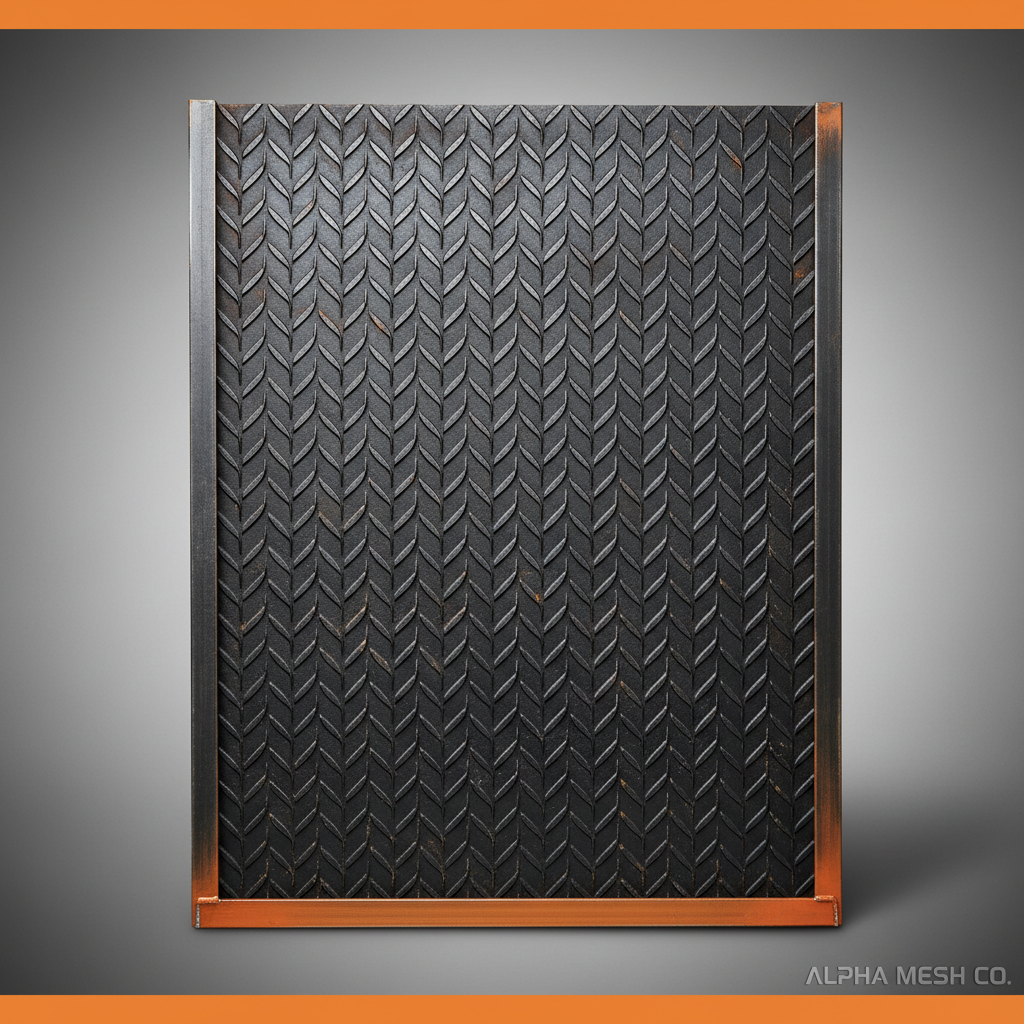
At its core, heavy duty expanded steel mesh is a metal sheet that has been slit and stretched into a diamond-shaped pattern. Unlike woven wire, which involves interlacing separate wires, expanded mesh is a single, continuous piece of material. This monolithic structure eliminates the risk of "unraveling" or joint failure, making it inherently more stable under heavy shear forces.
The material composition varies based on the environment. While ordinary low-carbon steel is the most cost-effective, high-stress environments often require stainless steel, aluminum, or copper. For those facing corrosive chemical exposure, acid-resistant and galvanized plates are utilized. Our technical capabilities allow for thicknesses up to 20mm, ensuring that the mesh can support significant weight while maintaining a precise aperture size.
A critical aspect of the definition is the "clearance" or open area. To prevent distortion during the production process, the clearance typically should not exceed 65%. This ensures that the structural ribs (the strands connecting the holes) remain thick enough to provide the "heavy duty" characteristic that separates industrial mesh from decorative screens.
Core Components of Mesh Durability and Performance
The performance of heavy duty expanded steel mesh is primarily driven by the raw material thickness and the hole diameter. A general rule of thumb in professional manufacturing is that the hole diameter should be at least twice the thickness of the sheet to ensure clean perforation and structural stability.
Durability is further enhanced by the "Zone of Dents" and the "Extraction Area" created during the punching process. By controlling the cutting zone precisely, we ensure that the edges of the mesh are optimized for the intended use—whether that means smooth edges for pedestrian walkways or sharp, rigid edges for security fencing and anti-climb barriers.
Finally, the choice of additional operations like powder coating or hot-dip galvanizing adds a layer of chemical resistance. This prevents oxidation, which is the primary enemy of steel. By integrating welding and framing, a simple mesh sheet is transformed into a rigid, load-bearing component ready for installation in harsh industrial environments.
Practical Applications Across Global Sectors
The versatility of heavy duty expanded steel mesh allows it to penetrate diverse industries. In the pharmaceutical and food and beverage sectors, stainless steel versions are used for filtration and machinery guarding where hygiene is paramount. Meanwhile, in the heavy industrial sector, it serves as a vital component for silencer equipment and refrigeration units, providing protection without obstructing airflow.
In civil infrastructure, you will find these meshes in bridge fences and highway guardrails. In remote industrial zones or mining operations, the mesh is used for heavy-duty sieving and as walking platforms (grating), where it must support the weight of personnel and machinery simultaneously. Its ability to be rolled or bent makes it ideal for customized curved architectural elements that still require industrial-grade strength.
Performance Comparison of Steel Mesh Types
Long-Term Value and Sustainability Benefits
Investing in heavy duty expanded steel mesh offers significant long-term economic value. Because the material is created from a single sheet without welding joints in the mesh body, there are fewer points of failure. This leads to a drastic reduction in maintenance costs and downtime for factories and infrastructure projects, as the mesh resists deformation and fatigue better than assembled alternatives.
From a sustainability perspective, expanded metal is an eco-friendly choice. The production process generates virtually zero waste, as the material is stretched rather than punched out (which would leave "slugs" or scrap metal). Furthermore, the high recyclability of steel and the longevity of the finished product reduce the overall carbon footprint associated with replacement and waste management in large-scale construction.
Future Innovations in Steel Mesh Technology
The future of heavy duty expanded steel mesh is being shaped by digital transformation. The integration of Laser Perforation and CNC line-cutting allows for "Special-Shaped Holes" that were previously impossible to manufacture. This precision enables engineers to create mesh with variable porosity, allowing for targeted airflow or filtration rates across a single panel.
We are also seeing a shift toward advanced hybrid coatings. Beyond standard powder coating, new nano-ceramic layers are being tested to provide extreme heat resistance and anti-corrosive properties for the aerospace and chemical industries. These innovations ensure that the mesh can operate in temperatures and environments that would melt or dissolve traditional carbon steel.
Automation in the "straightening" and "bending" phases is also reducing lead times. By utilizing robotic framing and welding, the transition from a raw expanded sheet to a finished, ready-to-install component is faster and more consistent, ensuring that every panel meets rigorous global quality standards.
Overcoming Implementation Challenges
One of the most common challenges when implementing heavy duty expanded steel mesh is the risk of "distortion" if the hole size is too large relative to the material thickness. To solve this, we recommend a strict adherence to the 65% maximum clearance rule. By consulting with technical experts during the design phase, users can find the "sweet spot" between maximum openness and structural rigidity.
Another hurdle is the "technological margin"—the unperforated area required for the machinery to hold the sheet. Some architects desire "full perforation," which can be achieved but requires specialized consultation and a different production approach to avoid edge collapse. Proper planning of these margins prevents wasted material and ensures a clean fit during installation.
Lastly, selecting the wrong material for the environment (e.g., using low-carbon steel in a saltwater environment) can lead to rapid failure. The solution is a comprehensive material audit: utilizing aluminum for lightweight corrosion resistance or stainless steel for high-temperature, high-acid environments.
Technical Specifications and Material Selection Matrix
| Material Type |
Strength Rating |
Corrosion Resistance |
Typical Application |
| Low Carbon Steel |
High |
Low (Requires Coating) |
General Fencing |
| Stainless Steel |
Very High |
Excellent |
Chemical Filtration |
| Galvanized Steel |
High |
Medium-High |
Outdoor Guardrails |
| Aluminum |
Medium |
High |
Architectural Panels |
| Copper/Brass |
Medium |
High |
Electrical Shielding |
| PVC Coated Steel |
High |
Very High |
Aquatic Environments |
FAQS
Expanded metal is created from a single sheet of steel that is slit and stretched, meaning it has no welds or joints in the mesh itself. Welded wire mesh consists of separate wires joined at intersections. heavy duty expanded steel mesh generally offers better structural integrity and a higher strength-to-weight ratio because it is a monolithic piece of metal.
Thickness selection depends on the expected load and environmental stress. We offer plate thicknesses up to 20mm for extreme applications. A key technical rule is that the hole diameter should ideally be twice the material thickness to maintain structural stability and avoid distortion during the expansion process.
Yes. While diamond is the standard, we can produce rectangular, square, round, hexagonal, and even irregular "pattern" holes. For complex requirements, laser cutting and line-cutting technology are used to ensure precision according to customer drawings, provided the structural limits of the metal are respected.
Rust prevention is achieved through material selection and secondary operations. Using stainless steel or aluminum provides inherent resistance. For carbon steel, we apply hot-dip galvanizing or powder coating, which creates a barrier between the steel and oxygen/moisture, significantly extending the product's lifespan.
Our standard capacity for sheets is up to 2,000mm in width and 6,000mm in length. For certain assortments, we can also provide perforated coils with widths up to 1,600mm, allowing for continuous installations in large-scale industrial projects.
Clearance refers to the percentage of the total area that is open (the holes). For heavy duty expanded steel mesh, the clearance should not exceed 65%. If the open area is too high, the remaining metal ribs become too thin, leading to warping or structural failure under load.
Conclusion
In summary, heavy duty expanded steel mesh represents the perfect intersection of geometry and metallurgy. By leveraging the monolithic strength of expanded steel and pairing it with advanced materials like stainless steel or galvanized coatings, industries can achieve unmatched durability, safety, and efficiency. From the precise control of aperture sizes to the implementation of high-strength margins, every technical detail contributes to a product that withstands the harshest industrial conditions.
As we look toward the future, the integration of CNC precision and sustainable manufacturing will only enhance the value of these metal solutions. For engineers and project managers, the key to success lies in precise specification and the selection of a partner capable of handling complex customizations. We invite you to optimize your infrastructure with our industrial-grade mesh solutions. Visit our website: www.ztwiremesh.com