When budgeting for industrial drainage, the stainless steel trench drain price is rarely a fixed number found in a catalog; rather, it is a variable resulting from material grade, load-bearing requirements, and precision engineering. For facility managers and contractors, understanding the gap between initial procurement costs and the long-term lifecycle value is critical to avoiding premature system failure.
The volatility of nickel and chromium markets, combined with the shift toward high-performance alloys like 304 and 316 stainless steel, means that pricing fluctuates based on raw material indices. Beyond the metal itself, the cost is heavily influenced by the fabrication method—whether the grating is standard rolled steel or a specialized expanded metal design optimized for specific flow rates and safety standards.
Evaluating these costs requires a technical lens that looks past the sticker price. By analyzing the intersection of material science, structural load classes, and environmental stressors, stakeholders can determine the most cost-effective drainage solution that satisfies both sanitary codes and operational budgets.


The pricing of stainless steel trench drains begins with the alloy composition. Grade 304 is the industrial standard, offering a balance of corrosion resistance and affordability. However, in environments exposed to chlorides or high salinity—such as chemical plants or coastal facilities—Grade 316 is mandatory. The addition of molybdenum in 316 increases the cost significantly but prevents pitting corrosion that would otherwise lead to total system failure.
Beyond the grade, the thickness of the sheet metal (gauge) determines the structural integrity. A thicker gauge increases the material weight, which directly correlates to a higher raw cost but provides the necessary rigidity for heavy traffic. This relationship between material volume and durability is the primary baseline for any quote.
Load-bearing capacity is perhaps the most critical technical factor influencing the final price. Drainage systems are categorized by load classes (e.g., A15 for pedestrian traffic up to F900 for airport runways). Moving from a light-duty pedestrian grate to a heavy-duty industrial grate requires not just more material, but a fundamental change in design, such as adding reinforcement ribs or increasing the frequency of support bars.
The engineering required to ensure a grate does not deflect under pressure adds to the fabrication cost. Precision welding and the use of heavy-duty support frames are essential for high-load systems. If a system is under-specified, the cost of replacement and the operational downtime far outweigh the initial savings of a lower-priced, light-duty option.
Furthermore, the integration of anti-slip features—such as serrated edges or specialized coatings—increases the complexity of the manufacturing process. While these additions raise the price, they are often mandated by safety regulations in food processing or pharmaceutical environments to reduce workplace accidents.
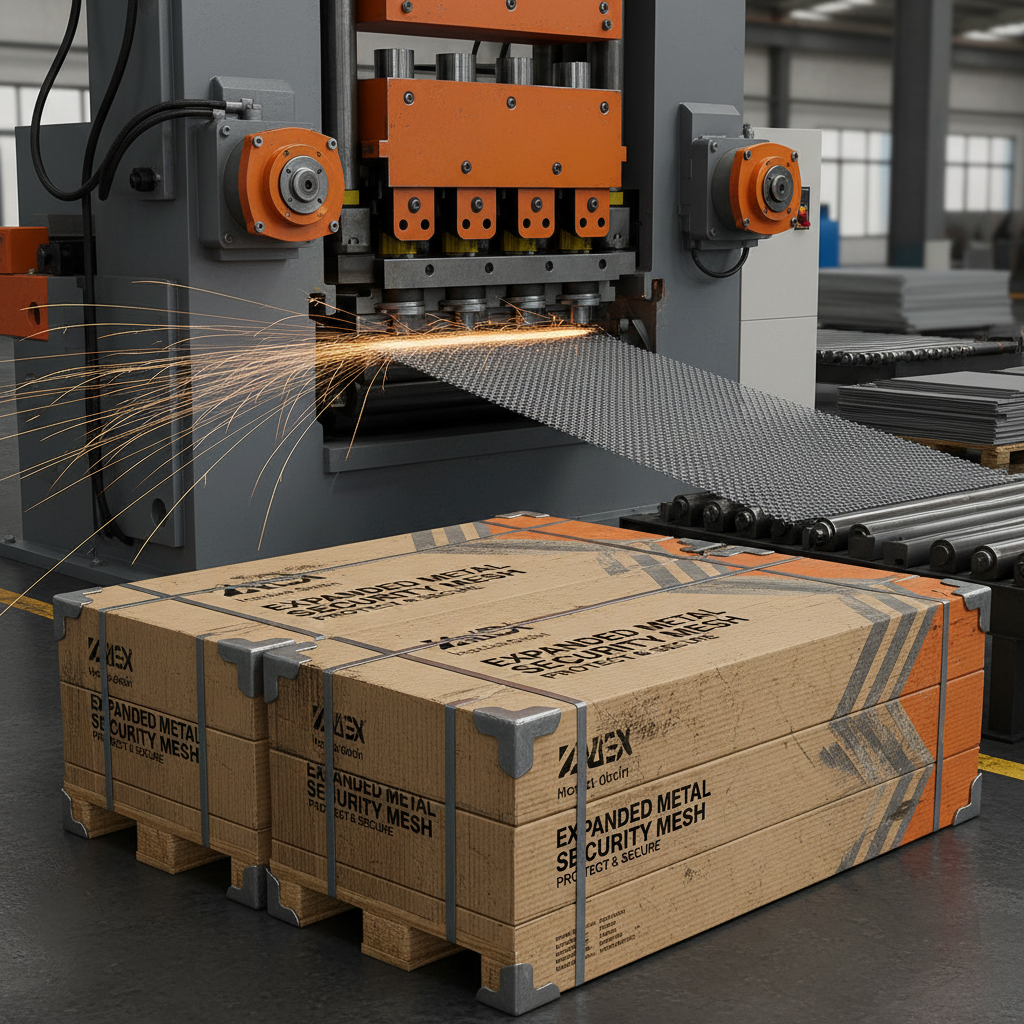
Fabrication methods directly impact the efficiency and cost of the drainage system. Traditional welded bars provide immense strength but can be heavy and expensive to ship. In contrast, expanded metal—a process where the metal is slit and stretched—creates a diamond-shaped mesh that offers a superior strength-to-weight ratio.
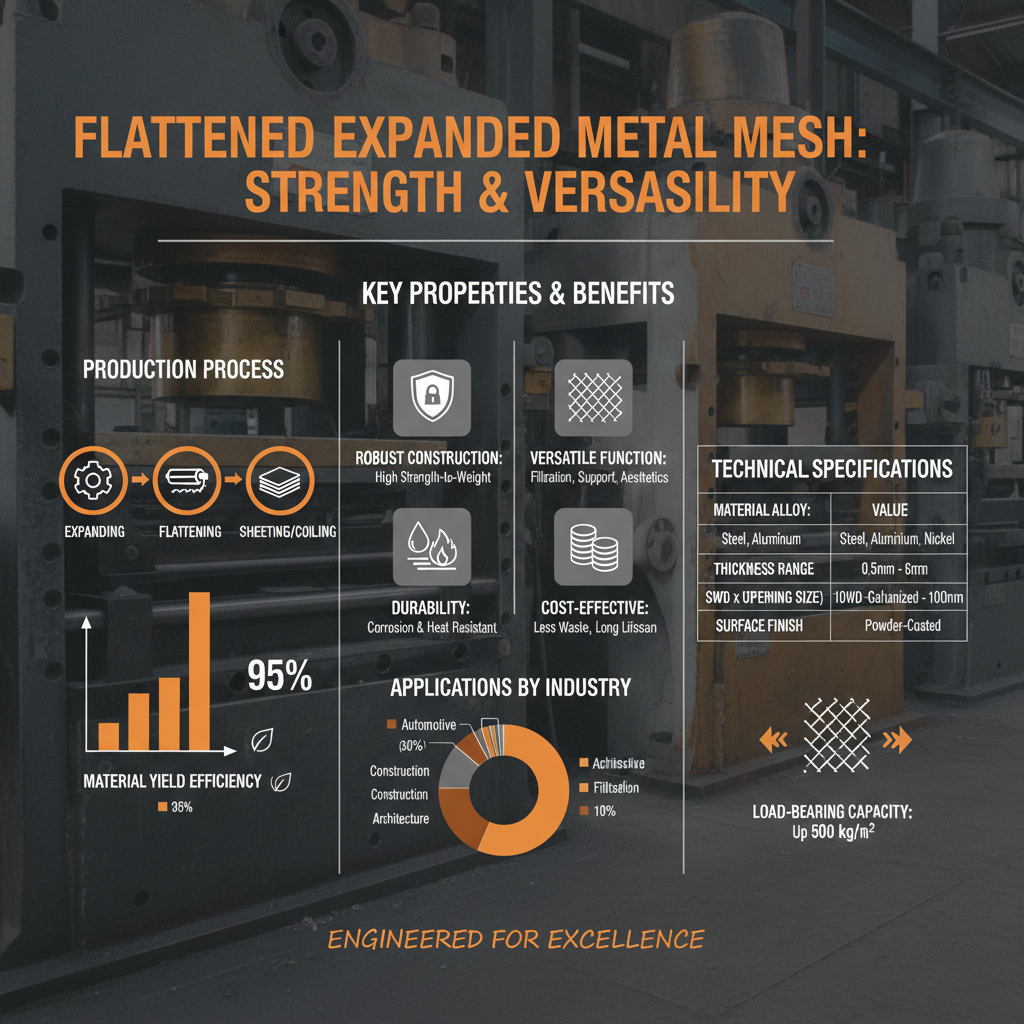
The choice between raised expanded mesh and flattened expanded mesh is a trade-off between rigidity and surface area. Raised mesh provides higher stiffness and better anti-slip properties, while flattened mesh is ideal for welding into frames where a flush surface is required.
Companies like Zhongtai leverage these processes to offer customized solutions. By utilizing in-house guillotines for cut-to-size panels and water-jet cutting for thicker materials (like 6mm walkway mesh), manufacturers can reduce waste and ensure dimensional accuracy. This vertical integration helps stabilize the final price for the end consumer by reducing subcontracting fees.
When analyzing the cost structure, it is helpful to view the relative price index of different materials based on their performance in corrosive environments. While carbon steel is the cheapest, its lack of corrosion resistance makes it impractical for wet environments. Stainless steel 304 offers a mid-range cost with high versatility, while 316 serves as the premium option for extreme conditions.
The following index illustrates how material selection affects the relative investment. Note that these values represent a qualitative cost-to-performance ratio rather than a fixed market price, as actual costs depend on the specific project volume and current metal exchange rates.
In a typical food processing plant, the priority is hygiene and ease of cleaning. Here, a trench drain with a smooth, flattened expanded mesh or a solid-plate design is preferred. The higher cost of polished stainless steel is justified by the reduction in bacterial traps, which lowers the risk of contamination and simplifies compliance with health inspections.
Conversely, in a heavy-industrial warehouse, the focus shifts to structural load. A manufacturer evaluating the options might choose anti-slip toothed steel grating. While the material cost is similar to standard SS 304, the added cost of the toothed profile provides essential traction in oily environments, reducing the liability associated with slip-and-fall accidents.
The industry is moving away from monolithic cast-in-place concrete drains toward modular stainless steel systems. Modular systems allow for faster installation and easier modification, which significantly reduces the labor cost portion of the total project expense. This shift allows for a higher investment in the material quality (the drain itself) because the installation overhead is lowered.
Another emerging trend is the use of bespoke cut-to-size panels. Instead of adjusting the facility floor to fit standard drain sizes, manufacturers are increasingly providing custom lengths and widths. This precision reduces the need for onsite modifications, which are often a hidden cost in large-scale construction projects.
Looking forward, the integration of sustainable material sourcing—such as recycled stainless steel—is beginning to influence pricing models. While high-grade recycled alloys can be more expensive to certify, they provide a path for companies to meet green building standards without sacrificing the structural integrity of the drainage system.
Selecting the right system requires a systematic comparison of operational needs versus financial constraints. A low initial stainless steel trench drain price may be attractive, but it often signals a lower grade of steel or a thinner gauge that will fail under heavy loads or corrosive chemicals.
The most effective way to evaluate a quote is to break down the cost into material grade, load class, and fabrication complexity. By comparing these three variables across different suppliers, procurement officers can identify whether they are paying for genuine quality or simply a brand premium.
The table below provides a conceptual framework for matching the application environment to the appropriate material and design specification to optimize the total cost of ownership.
| Environment | Recommended Material | Design Specification | Relative Suitability |
|---|---|---|---|
| Commercial Kitchen | SS 304 | Flattened Mesh | High |
| Chemical Plant | SS 316 | Reinforced Grating | Essential |
| Pedestrian Walkway | Galvanized/SS 304 | Standard Expanded | Moderate |
| Heavy Warehouse | SS 304 (Thick Gauge) | Toothed Steel Grating | High |
| Pharmaceutical Lab | SS 316L | High-Polish Plate | Essential |
| Outdoor Parking | Galvanized Steel | Heavy-Duty Bar Grate | Moderate |
The price is primarily driven by three factors: the grade of stainless steel (e.g., 304 vs. 316), the load-bearing class (e.g., light pedestrian vs. heavy industrial), and the fabrication method. Higher grades of steel and more complex designs for high-load capacities increase the raw material cost and the engineering hours required for fabrication. Additionally, custom sizes and specialized finishes, such as anti-slip serrations, will add to the total cost.
The choice depends on your specific application. Raised expanded metal is generally more rigid and offers superior anti-slip properties, making it ideal for heavy-duty industrial walkways. Flattened expanded metal is produced by pressing the raised mesh through heavy rollers, resulting in a flat surface. This is preferable when the grate must be welded into a frame or when a lower overall profile is required to maintain a flush floor surface.
Not always, but it is essential in specific environments. Grade 304 is sufficient for most commercial and light industrial uses. However, if the drain will be exposed to salt, harsh chemicals, or highly acidic waste, Grade 316 is necessary because its molybdenum content prevents pitting and crevice corrosion. In these cases, the higher initial cost is a strategic investment to prevent system failure and costly replacements.
Load classes determine the amount of weight a grate can support without permanent deformation. Moving from a low class (pedestrian) to a high class (vehicle) requires increasing the metal thickness (gauge), adding supporting cross-bars, or switching to a more robust grating pattern. These modifications increase the total weight of the material and the complexity of the welding process, which directly raises the unit price.
Yes, most professional manufacturers offer custom-made products. Customization typically involves adjusting the length, width, and aperture size of the mesh to fit specific site dimensions. While custom orders can sometimes take longer to produce—typically ranging from 15 to 30 days depending on the complexity—they often save money during installation by eliminating the need for onsite cutting and fitting.
Standard trench drains are often custom-built for a specific location and can be difficult to modify. Modular systems consist of standardized sections that are joined together. Modular systems are generally more cost-effective to install and easier to expand or repair. While the per-foot material cost might be similar, the reduction in labor and the flexibility of modular components often result in a lower total project cost.
Determining the true value of a stainless steel trench drain requires looking beyond the initial quote. By prioritizing material grade and structural load capacity over the lowest possible price, facility managers can ensure a system that resists corrosion and withstands operational stresses for decades.
The integration of precision fabrication, such as expanded metal technology, allows for the creation of systems that are both lightweight and exceptionally strong. Ultimately, the most cost-effective drainage solution is one that aligns precisely with the environment's chemical exposure and traffic load, minimizing the long-term costs of maintenance and premature failure.

Subscribe now!
Stay up to date with the latest on Fry Steeland industry news.