

Understanding Galvanized Field Fence: Essential for Modern Agriculture and Boundary Management
In contemporary agriculture, livestock management, and land demarcation, the choice of fencing material is paramount for ensuring security, durability, and cost-effectiveness. One solution that consistently stands out for its robust performance and extended service life is the Galvanized field fence. This specialized type of woven wire fencing, engineered specifically for challenging outdoor environments, offers superior resistance to corrosion and physical stress, making it an indispensable asset for property owners, farmers, and large-scale agricultural operations. The market for these fences is currently experiencing stable growth, driven by increasing global agricultural output, rising demand for effective livestock control, and expanding infrastructure projects that require reliable boundary solutions. Industry reports indicate a consistent demand for high-quality, long-lasting fencing options, with galvanized products leading the segment due to their enhanced longevity and reduced maintenance requirements. Manufacturers are continuously innovating, focusing on improving zinc coating adherence, optimizing wire tensile strength, and developing more efficient knotting technologies to meet evolving customer needs and stringent environmental standards. The ability of these fences to withstand harsh weather conditions, including extreme temperatures and high humidity, without significant degradation, positions them as a preferred choice over untreated or less protected alternatives.
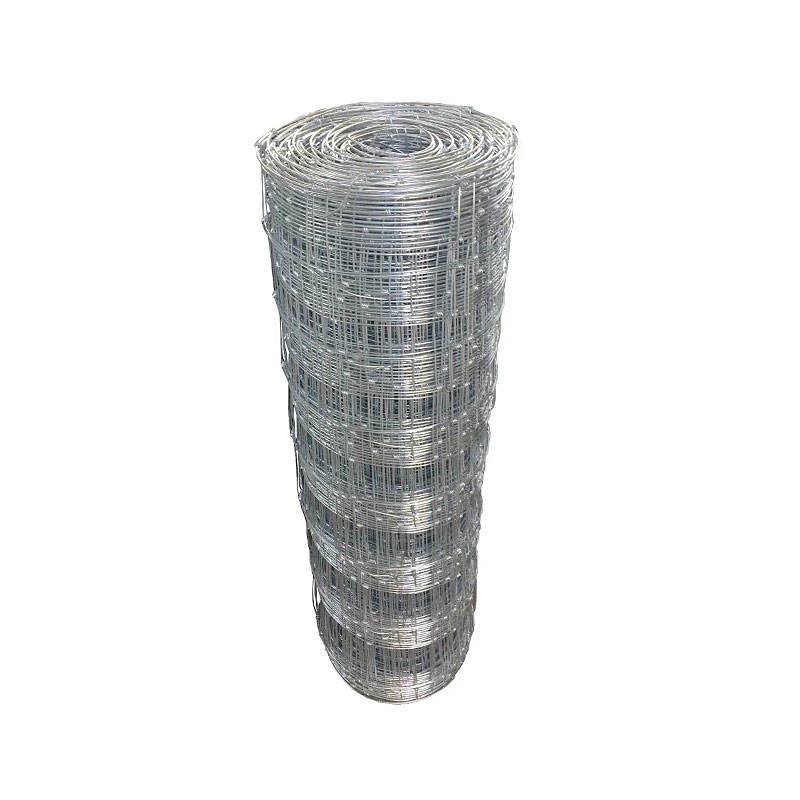
The increasing awareness among land managers regarding sustainable and low-maintenance solutions further contributes to the growing adoption of Galvanized field fence. Unlike traditional fencing materials that may require frequent repairs or replacements due to rust and decay, galvanized options offer a significantly longer lifespan, translating into substantial long-term savings. This aspect is particularly appealing in large-scale agricultural enterprises where the cost and labor associated with fence upkeep can be considerable. Furthermore, advancements in galvanization techniques, such as heavy zinc coatings, provide an even greater protective barrier, extending the fence's utility in highly corrosive environments, such as coastal regions or areas with specific soil compositions. The versatility of these fences also allows for their application in various contexts beyond agriculture, including highway protection, wildlife management, and secure perimeter definition for commercial properties. This broad applicability, coupled with the inherent strength and resilience of galvanized steel, ensures that this product remains a cornerstone in modern fencing solutions, effectively addressing diverse security and containment challenges across multiple sectors.
The Advanced Manufacturing Process of Galvanized Field Fence
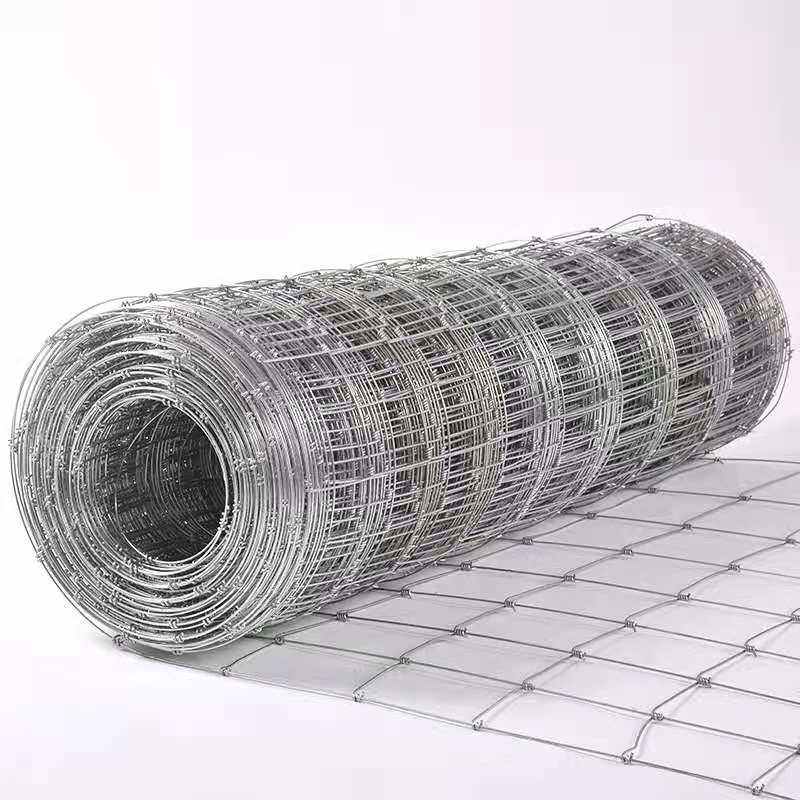
The production of high-quality Galvanized field fence involves a meticulous multi-stage manufacturing process designed to impart maximum strength, flexibility, and corrosion resistance. It commences with the selection of premium high-carbon or low-carbon steel wire rods, carefully chosen for their tensile strength and ductility, which are critical for the fence’s long-term performance under stress. These rods undergo a rigorous wire drawing process, where they are pulled through a series of progressively smaller dies to reduce their diameter to the precise wire gauges required for the fence mesh. This cold working process not only achieves the desired dimensions but also enhances the wire's inherent strength. Following the drawing stage, the individual wires are fed into advanced weaving or knotting machines. The most common knot types for field fences are the hinge joint and fixed knot. The hinge joint allows the fence to flex on impact, making it ideal for livestock, while the fixed knot provides superior rigidity and strength, often preferred for heavy-duty applications or containing more aggressive animals. These specialized machines interlock the vertical and horizontal wires to form a robust mesh structure, ensuring consistent spacing and structural integrity across the entire roll.
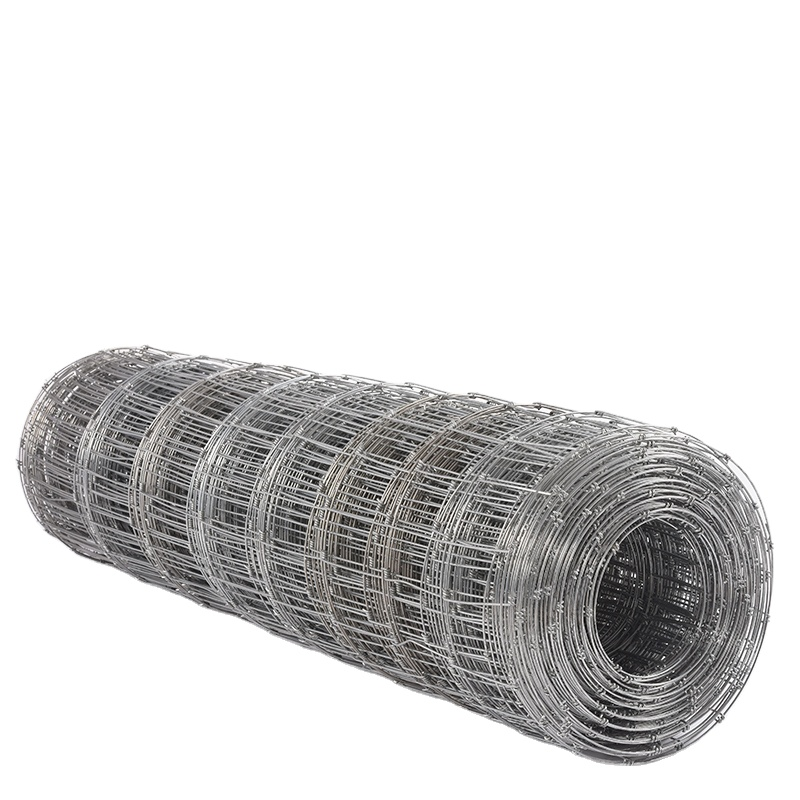
The pivotal stage in ensuring the longevity and anti-corrosion properties of the Galvanized field fence is the galvanization process itself, predominantly hot-dip galvanizing. After weaving, the entire fence roll is thoroughly cleaned to remove any impurities, oils, or oxides, typically through degreasing, pickling in acid, and fluxing. This prepares the steel surface for optimal adhesion of the zinc coating. The fence is then immersed in a molten bath of zinc, maintained at temperatures typically around 450°C (840°F). During this immersion, the zinc metallurgically bonds with the steel, creating a series of zinc-iron alloy layers culminating in a pure zinc outer layer. This multi-layered coating provides an excellent sacrificial barrier, protecting the steel underneath from rust even if the surface is scratched. The thickness of this zinc coating is critical and is meticulously controlled to meet international standards such as ASTM A641 (Standard Specification for Zinc–Coated (Galvanized) Carbon Steel Wire) and ISO 1461 (Hot-dip galvanized coatings on fabricated iron and steel articles). Post-galvanization, the fence undergoes stringent quality control inspections, verifying wire gauge accuracy, mesh pattern consistency, knot strength, and, most importantly, the uniformity and thickness of the zinc coating using non-destructive testing methods. This comprehensive process ensures that the finished product boasts a typical service life of 20 to 30 years, significantly reducing the need for frequent replacements in applicable industries like agriculture, ranching, wildlife management, and infrastructure development, delivering substantial long-term value and superior performance in corrosive environments.
Key Technical Specifications and Performance Metrics
Understanding the technical specifications of Galvanized field fence is crucial for selecting the appropriate product for specific applications and ensuring compliance with industry performance benchmarks. The efficacy and durability of these fences are primarily determined by several critical parameters, including wire gauge, mesh spacing, height, roll length, and the type and thickness of the galvanization. Wire gauge, typically measured using the Standard Wire Gauge (SWG) or American Wire Gauge (AWG) system, dictates the strength and rigidity of the fence. Smaller gauge numbers indicate thicker wires, offering greater resistance to impacts and animal pressure. Common gauges for field fences range from 10 gauge (thickest for line wires) to 14.5 gauge (thinner filler wires). Mesh spacing, characterized by the distance between horizontal and vertical wires, is vital for containing specific types of livestock or preventing wildlife intrusion. Graduated mesh, where openings are smaller at the bottom and larger at the top, is often preferred for containing small animals while allowing larger ones to pass over. Industry standards, such as those set by the American Society for Testing and Materials (ASTM) or International Organization for Standardization (ISO), govern the minimum requirements for tensile strength, zinc coating weight, and overall product quality, providing a reliable framework for evaluating fence performance. For instance, ASTM A116 outlines specifications for metallic-coated steel wire for farm fence.
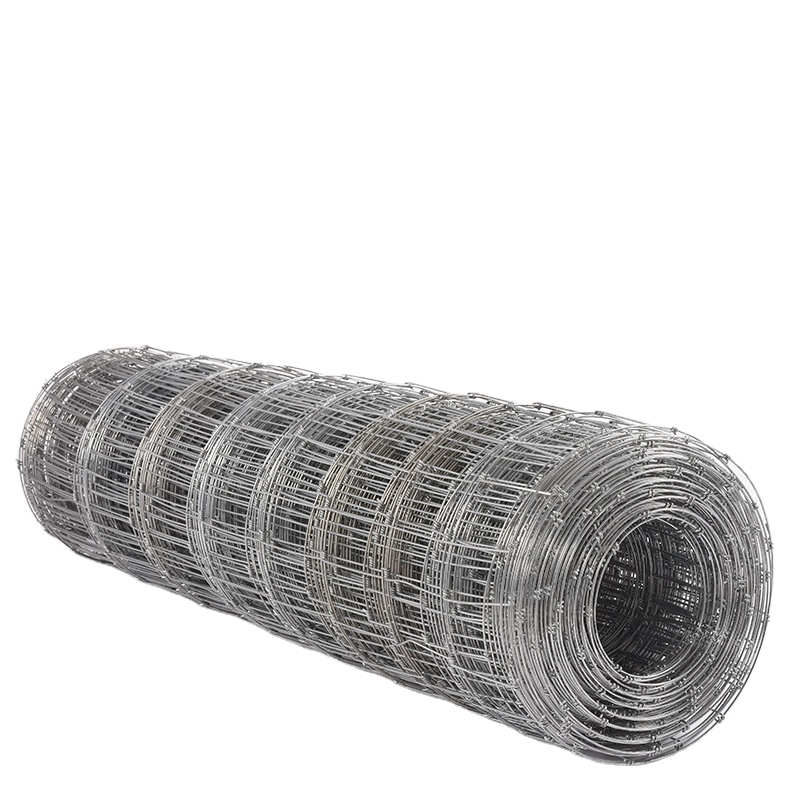
The type of galvanization, primarily hot-dip galvanizing, is a paramount factor influencing the fence's service life and corrosion resistance. Zinc coating weight, measured in ounces per square foot or grams per square meter, directly correlates with the longevity of the fence in various environmental conditions. Heavy galvanized coatings (e.g., Class 3 per ASTM A116) offer significantly extended protection compared to standard galvanized coatings, which is crucial for applications in harsh climates or areas with high exposure to corrosive elements. Tensile strength, expressed in PSI (pounds per square inch) or MPa (megapascals), defines the wire's ability to resist breaking under tension, a vital characteristic for retaining livestock and enduring external pressures. For high-tensile Galvanized field fence, wire tensile strengths can exceed 80,000 PSI, offering superior resilience and requiring fewer posts, thus reducing installation costs. Furthermore, the selection of steel type, whether low-carbon for flexibility or high-carbon for maximum strength, impacts the fence’s overall performance profile. Understanding these intricate technical details allows B2B decision-makers to make informed procurement choices, ensuring the selected fencing solution aligns perfectly with their operational demands, environmental conditions, and long-term investment objectives, delivering unparalleled reliability and performance in demanding applications.
Typical Galvanized Field Fence Specifications
Applications and Advantages of Galvanized Field Fence
The robust design and superior corrosion resistance of Galvanized field fence make it highly versatile across a myriad of applications, primarily focused on containment and boundary demarcation in diverse environments. Its primary and most widespread use is in agricultural settings, serving as reliable perimeter fencing for farms, ranches, and pastures to manage livestock such as cattle, sheep, goats, and horses. The graduated mesh patterns are particularly effective, with smaller openings at the bottom preventing smaller animals from passing through, while larger openings higher up make the fence more economical and lighter. This design flexibility also extends to specific applications like deer fencing, where taller versions of the fence are employed to protect crops from wildlife damage. Beyond agriculture, these fences are extensively utilized in property delineation for residential and commercial lands, establishing clear and secure boundaries. They are also integral to infrastructure projects, including highway and railway right-of-way fencing, where they prevent unauthorized access and mitigate risks posed by wildlife entering active transport corridors. Their inherent flexibility, especially with hinge joint designs, allows them to conform well to uneven terrain, making them suitable for challenging topographies without compromising structural integrity or requiring excessive labor during installation.
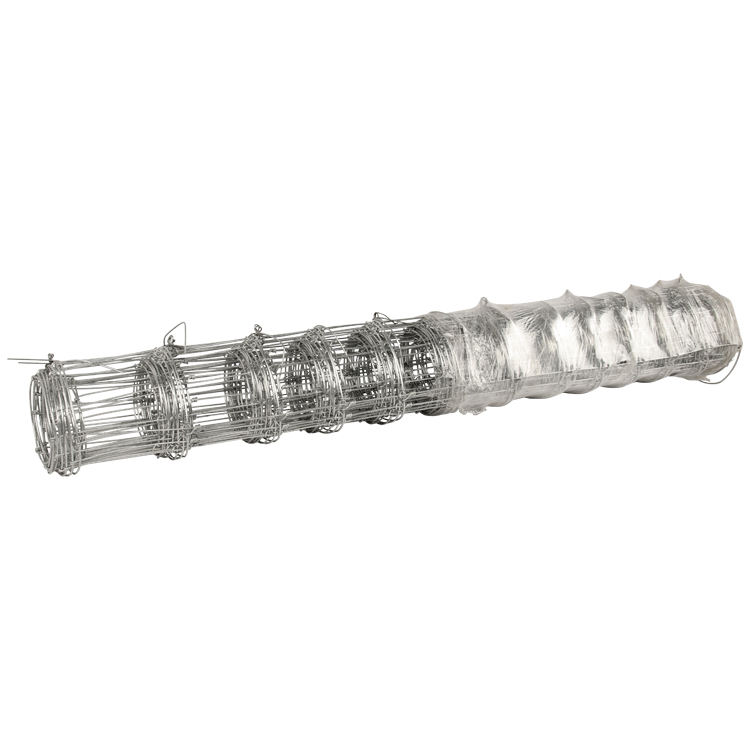
The technical advantages offered by Galvanized field fence are substantial, contributing to its widespread preference among professionals. Foremost among these is exceptional corrosion resistance, directly attributed to the heavy zinc coating. This barrier significantly extends the fence's operational lifespan, often lasting 20 to 30 years or more, even in harsh weather conditions, salty air, or acidic soil, drastically reducing the need for costly replacements and maintenance over time. Furthermore, the high tensile strength of the steel wires, particularly in high-carbon variants, provides superior impact resistance and durability, making the fence resilient against pressure from livestock or external forces. This strength also allows for wider post spacing compared to conventional netting, leading to fewer posts required per linear foot, which translates into lower material and labor costs during installation. The woven or knotted construction ensures that individual wires remain securely in place, preventing unraveling or sagging, maintaining a consistent barrier over time. This robust design, combined with excellent adaptability to varied terrains, offers an unparalleled combination of security, longevity, and economic efficiency, making galvanized field fences a smart investment for any large-scale containment or boundary project that demands reliability and minimal long-term upkeep.
Choosing the Right Galvanized Field Fence: Customization and Quality Assurance
Selecting the ideal Galvanized field fence requires a comprehensive evaluation of specific project needs, environmental factors, and budget considerations to ensure optimal performance and long-term value. Key factors to consider include the type of animals to be contained or excluded, the terrain's topography, anticipated weather conditions, and the desired service life. For instance, containing large livestock like cattle may necessitate fences with heavier gauge line wires and robust fixed knots for maximum strength, while smaller animals or general boundary marking might be adequately served by lighter gauges and hinge joint designs. Reputable manufacturers offer extensive customization options to precisely match these diverse requirements. This includes variations in fence height, ranging typically from 32 inches for smaller animals or general property lines to 72 inches or more for effective deer exclusion. Customization also extends to the vertical and horizontal wire spacing, allowing for specific mesh patterns tailored to unique containment challenges. Furthermore, options for different zinc coating weights (e.g., Class 1, Class 3) enable clients to select a galvanization level that aligns with the corrosivity of their environment, ensuring extended durability in coastal areas or regions with high industrial pollution.
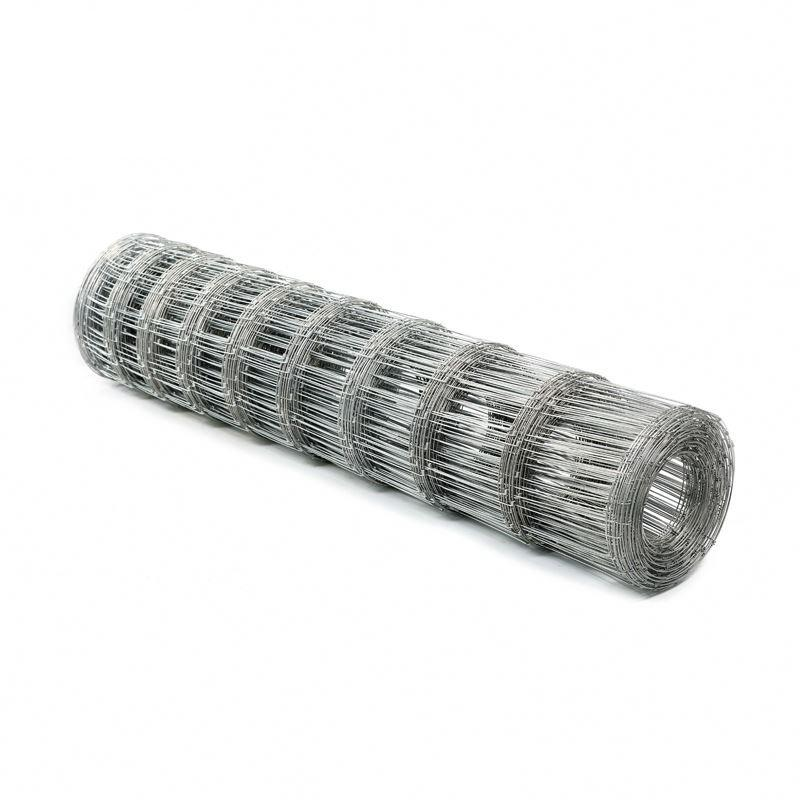
For B2B clients, especially those managing large-scale infrastructure or agricultural projects, quality assurance and robust customer support are as critical as the product itself. A reliable manufacturer will adhere strictly to international quality management systems, such as ISO 9001, ensuring consistent product quality from raw material sourcing to final packaging. This includes rigorous in-house testing for tensile strength, zinc coating adherence and thickness, and mesh integrity. Transparency in these processes, often backed by verifiable test reports and certifications, builds significant trust. Furthermore, comprehensive support services, including pre-sales consultation to help determine the optimal fence specifications, efficient delivery logistics, and reliable after-sales assistance, are hallmarks of a trustworthy partner. Reputable companies often offer clear warranty policies, typically covering manufacturing defects and premature corrosion, providing peace of mind for buyers. Long service periods in the industry, often spanning decades, and a portfolio of successful application cases further underscore a manufacturer's reliability and expertise in delivering high-performance Galvanized field fence solutions. By prioritizing these aspects, clients can secure fencing solutions that are not only technically superior but also supported by an unwavering commitment to quality and customer satisfaction, ensuring their investment yields maximum returns over its extended operational lifespan.
Frequently Asked Questions (FAQs) about Galvanized Field Fence
-
Q: What is the primary advantage of Galvanized field fence over other fencing types?
A: The primary advantage is its exceptional corrosion resistance, achieved through the hot-dip galvanization process. This protective zinc coating allows the fence to withstand harsh environmental conditions, including moisture, extreme temperatures, and various soil types, for significantly longer periods—often 20 to 30 years—compared to untreated or less protected steel fences, thereby reducing maintenance and replacement costs. Its woven structure also provides flexibility and strength, making it ideal for animal containment and challenging terrains.
-
Q: How does wire gauge affect the performance of a Galvanized field fence?
A: Wire gauge directly correlates with the fence's strength and durability. A smaller gauge number indicates a thicker wire, which provides greater resistance to impact, pressure from livestock, and general wear and tear. For example, 10-gauge line wires offer superior strength for cattle containment, while thinner 14.5-gauge wires are commonly used for filler wires to maintain cost-effectiveness while still providing adequate containment. Selecting the appropriate wire gauge is essential for ensuring the fence can withstand the specific pressures of its intended application.
-
Q: What are the typical delivery times for large orders of Galvanized field fence?
A: Delivery times for large orders of Galvanized field fence typically depend on the order volume, specific customization requirements, current production schedules, and shipping destination. Generally, for standard configurations, lead times can range from 2 to 4 weeks for production, followed by transit time. For highly customized orders or exceptionally large quantities, it is advisable to consult directly with the manufacturer to get an accurate lead time. Our company maintains robust supply chain logistics to ensure timely and efficient delivery, minimizing project delays for our clients.
-
Q: What kind of warranty or after-sales support is provided for Galvanized field fence?
A: Reputable manufacturers typically offer comprehensive warranties for their Galvanized field fence products, covering manufacturing defects and premature corrosion. The specific terms, including warranty duration and conditions, are usually detailed in the product documentation. Beyond the warranty, strong after-sales support includes technical assistance for installation guidance, troubleshooting, and prompt handling of any product-related inquiries. Our commitment to client satisfaction extends throughout the product's lifespan, ensuring sustained performance and peace of mind for your investment.
Conclusion: A Durable Investment in Boundary Solutions
The Galvanized field fence stands as a testament to engineering excellence, offering an unparalleled combination of durability, versatility, and cost-effectiveness for a broad spectrum of applications. From securing vast agricultural lands and managing diverse livestock populations to delineating property lines and ensuring safety along critical infrastructure, its robust construction and superior corrosion resistance make it an indispensable asset. The meticulous manufacturing process, involving precise wire drawing, advanced knotting techniques, and thorough hot-dip galvanization, ensures that each roll of fence meets stringent international standards for strength and longevity. This commitment to quality translates into a significantly extended service life, often spanning decades, which in turn provides substantial long-term savings through reduced maintenance and replacement frequencies. For B2B decision-makers, investing in galvanized field fence represents a strategic choice, optimizing operational efficiency while mitigating the risks associated with less resilient fencing materials.
Our dedication to providing customizable solutions, coupled with unwavering adherence to quality assurance protocols and comprehensive customer support, positions us as a trusted partner in delivering high-performance Galvanized field fence. By understanding the intricate technical parameters and leveraging our expertise, clients can procure fencing solutions perfectly aligned with their specific project demands, ensuring reliable containment, effective boundary control, and enhanced security for years to come. The long-term performance and minimal environmental footprint of this product further solidify its status as a sustainable and responsible choice for modern land management and infrastructure development.
References
- ASTM International. (n.d.). ASTM A116 / A116M - 18 Standard Specification for Metallic-Coated Carbon Steel Wire for Farm-Fence Fabric.
- ASTM International. (n.d.). ASTM A641 / A641M - 09a(2014) Standard Specification for Zinc–Coated (Galvanized) Carbon Steel Wire.
- ISO. (n.d.). ISO 9001:2015 Quality management systems — Requirements.
- ISO. (n.d.). ISO 1461:2022 Hot-dip galvanized coatings on fabricated iron and steel articles — Specifications and test methods.
- University of Missouri Extension. (n.d.). Fencing Options for Livestock.
-
Ultimate Guide to Choosing the Right Sound Proof Barrier
NewsApr.16,2026
-
Effective Guide to Installing a Sound Deadening Fence for Peace
NewsApr.09,2026
-
Comprehensive Guide to Portable Sound Barrier Solutions for Noise Control
NewsApr.07,2026
-
Effective Outdoor Acoustic Barriers for Noise Reduction and Enhanced Wellbeing
NewsApr.04,2026
-
Effective Noise Cancelling Fence Solutions for Peaceful Living
NewsMar.31,2026
-
Enhancing Workplace Productivity with Effective Cubicle Sound Barriers
NewsMar.28,2026
Subscribe now!
Stay up to date with the latest on Fry Steeland industry news.