

Understanding Outdoor Acoustic Barriers
Noise pollution is a growing concern, particularly in urban and industrial areas. Effective noise control is vital for creating comfortable living and working environments. Outdoor acoustic barriers are a key solution for mitigating noise from sources like highways, construction sites, and industrial facilities. This article will explore the benefits, types, materials, and installation considerations for these essential noise reduction systems. Choosing the right barrier can significantly improve quality of life and comply with noise regulations.
Why Invest in an Outdoor Acoustic Barrier?
The benefits of installing an outdoor acoustic barrier extend beyond simply reducing noise levels. Reduced noise exposure leads to improved health and well-being, including lower stress levels, better sleep quality, and reduced risk of hearing loss. Property values near noise sources can increase, and businesses can benefit from a more productive work environment. Furthermore, many municipalities have noise ordinances that require mitigation measures, making barriers a necessity for compliance. Investing in noise control demonstrates a commitment to community health and responsible environmental practices.
Key Benefits: Improved health and well-being, increased property values, regulatory compliance, enhanced productivity, and a more peaceful environment.
Types of Outdoor Acoustic Barriers
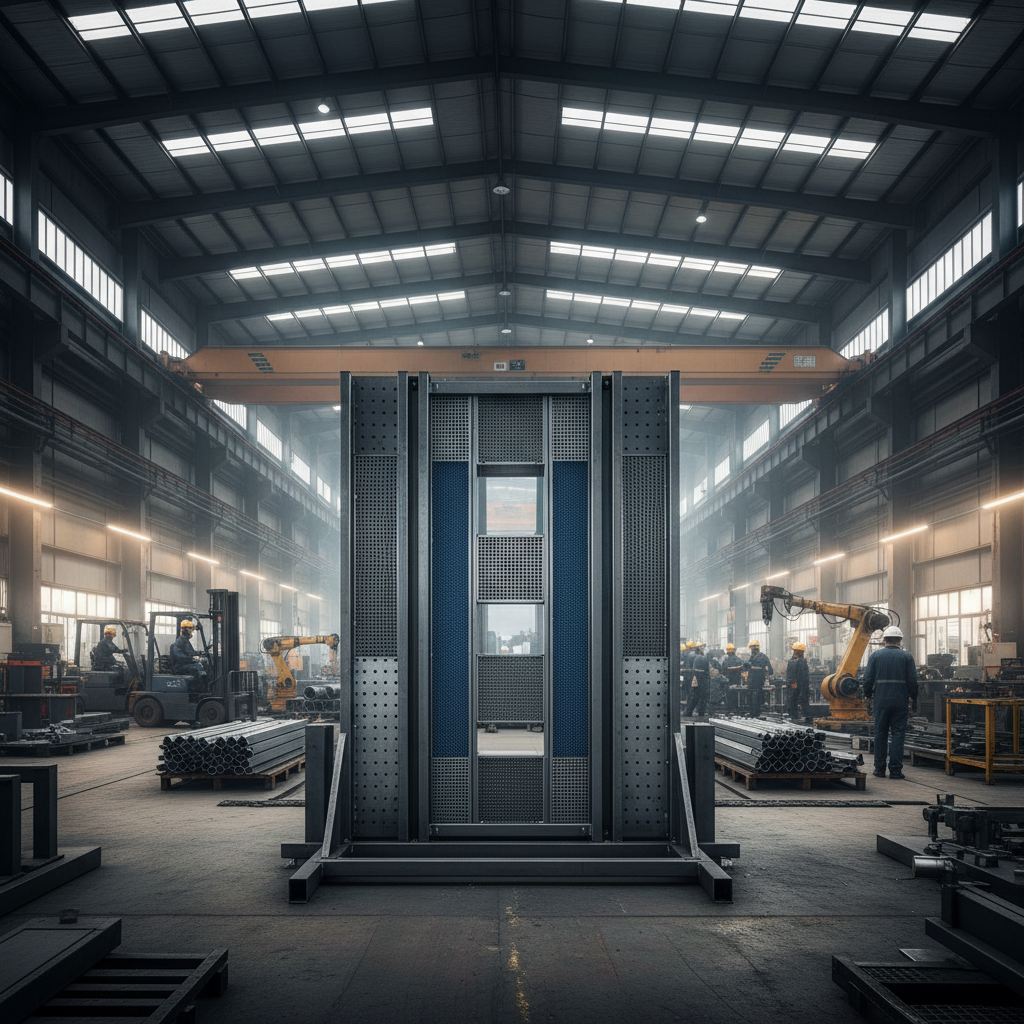
Several types of outdoor acoustic barriers are available, each suited for different applications and budgets. These include solid walls constructed from materials like concrete, brick, or masonry; earth berms (mounds of earth); and specially engineered barriers utilizing sound-absorbing materials. ZT Wire Mesh specializes in wire mesh acoustic barriers which offer a lightweight, cost-effective, and visually appealing solution. The best type of barrier depends on factors like the level of noise reduction required, available space, aesthetic considerations, and local regulations.
Barrier Type Overview:
• Solid Walls: High noise reduction, but can be visually intrusive.
• Earth Berms: Natural appearance, good noise reduction, require significant space.
• Wire Mesh Barriers: Lightweight, cost-effective, customizable, good noise reduction.
Materials Used in Outdoor Acoustic Barriers
The materials used in an acoustic barrier significantly impact its effectiveness. Dense, heavy materials are generally better at blocking sound transmission. Common materials include concrete, brick, wood, and specialized sound-absorbing materials like mineral wool or fiberglass. For wire mesh barriers, the density and gauge of the wire mesh, as well as the inclusion of a sound-absorbing core material, are critical factors. ZT Wire Mesh uses high-quality galvanized steel and stainless steel wire mesh, often combined with a non-woven fabric core, to maximize sound absorption.
Installation Considerations for Outdoor Acoustic Barriers
Proper installation is crucial for the effectiveness of any acoustic barrier. Factors to consider include the height and length of the barrier, its distance from the noise source and receiver, and any potential flanking paths (routes around the barrier where sound can still travel). The foundation must be stable and able to support the barrier's weight. ZT Wire Mesh provides comprehensive installation guidance and support to ensure optimal performance. Professional installation is recommended to guarantee structural integrity and maximize noise reduction.
Choosing the Right Outdoor Acoustic Barrier: A Summary
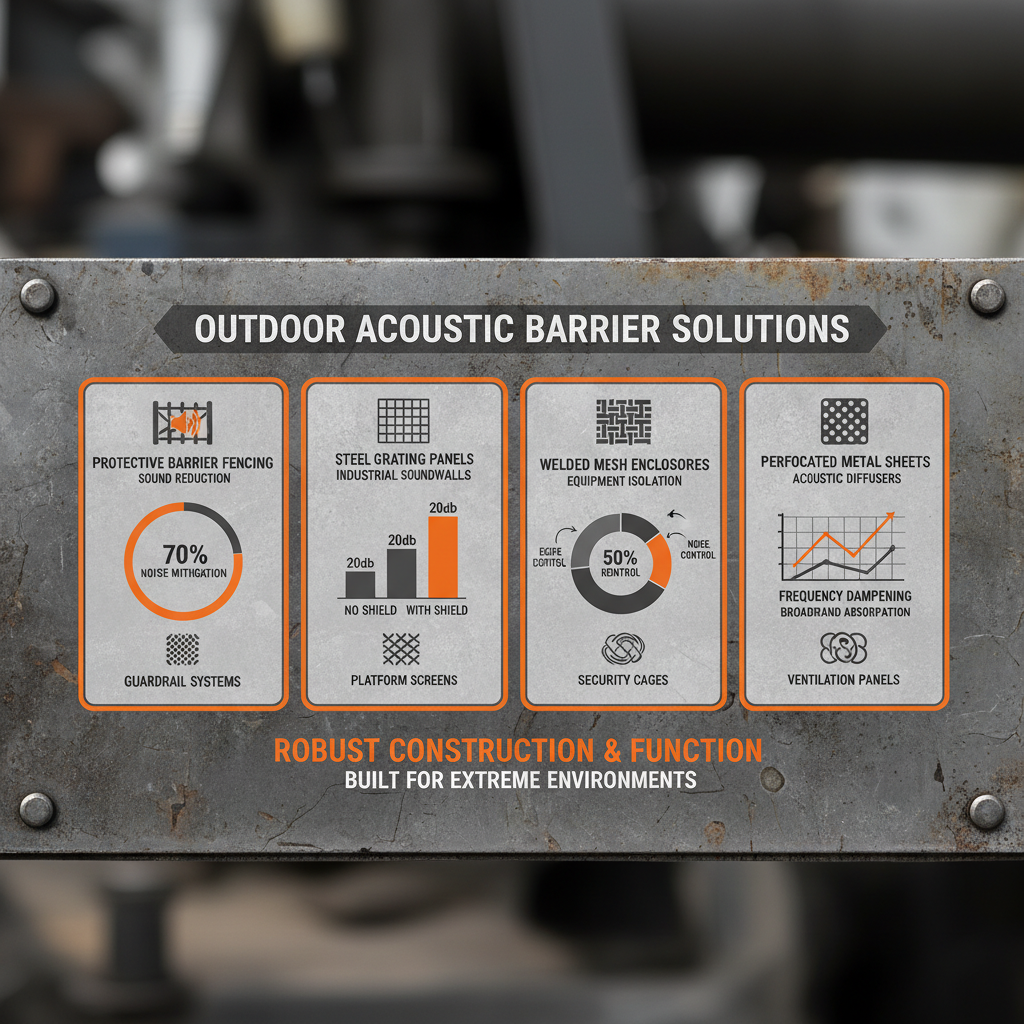
Selecting the right outdoor acoustic barrier requires careful consideration of your specific needs and circumstances. Evaluate the noise source, the surrounding environment, budget constraints, and aesthetic preferences. Consider the long-term benefits of noise reduction, including improved health, property values, and community well-being. ZT Wire Mesh offers a range of customizable solutions to meet diverse requirements. Investing in effective noise control is an investment in a more peaceful and productive future.
Conclusion: Investing in Sound Control
Addressing noise pollution with an effective outdoor acoustic barrier is a critical step towards creating a healthier, more comfortable environment. ZT Wire Mesh provides durable, cost-effective, and customizable solutions to meet a wide range of noise control challenges. Don't let noise diminish your quality of life – explore the benefits of an acoustic barrier today.
Frequently Asked Questions (FAQs)
How high does an outdoor acoustic barrier need to be?
The required height of an outdoor acoustic barrier depends on the distance between the noise source and the receiver, the frequency of the noise, and the desired level of noise reduction. Generally, a higher barrier provides more effective noise reduction. As a rule of thumb, the barrier should be tall enough to break the line of sight between the noise source and the receiver. For optimal performance, we recommend consulting with a noise control specialist to determine the appropriate height for your specific situation. ZT Wire Mesh can provide expert guidance and customized solutions.
What materials are best for absorbing sound?
Materials that are dense and heavy are generally better at blocking sound. However, materials with a porous structure are more effective at absorbing sound energy. Examples include mineral wool, fiberglass, open-cell foams, and certain types of fabrics. For wire mesh barriers, incorporating a sound-absorbing core material significantly enhances their performance. The key is to combine sound blocking and sound absorbing properties to achieve optimal noise reduction.
Are acoustic barriers aesthetically pleasing?
Traditionally, acoustic barriers were often considered visually unappealing. However, modern designs and materials offer a wide range of aesthetic options. Wire mesh barriers, like those offered by ZT Wire Mesh, can be customized with different colors, textures, and even integrated landscaping features to blend seamlessly with the surrounding environment. Earth berms offer a natural aesthetic, while carefully designed solid walls can also be visually appealing.
-
Ultimate Guide to Choosing the Right Sound Proof Barrier
NewsApr.16,2026
-
Effective Guide to Installing a Sound Deadening Fence for Peace
NewsApr.09,2026
-
Comprehensive Guide to Portable Sound Barrier Solutions for Noise Control
NewsApr.07,2026
-
Effective Outdoor Acoustic Barriers for Noise Reduction and Enhanced Wellbeing
NewsApr.04,2026
-
Effective Noise Cancelling Fence Solutions for Peaceful Living
NewsMar.31,2026
-
Enhancing Workplace Productivity with Effective Cubicle Sound Barriers
NewsMar.28,2026
Subscribe now!
Stay up to date with the latest on Fry Steeland industry news.